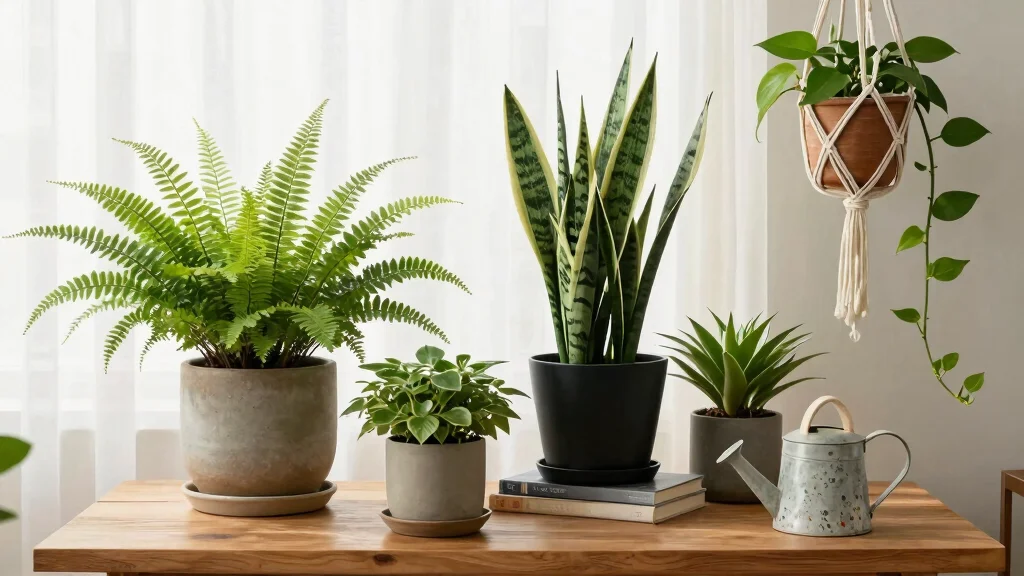
Creating a lush and vibrant garden can feel like a challenge, especially when your space is limited to low light. If you’re craving a splash of greenery in your home, this post is for you. We understand that not every indoor space is drenched in sunlight, but that doesn’t mean your gardening dreams can’t flourish. With the right shade-loving plants in containers, you can transform those dim corners into lively, enchanting retreats.
This comprehensive guide is designed for anyone who loves gardening but struggles with light conditions. Whether you have a cozy apartment, a shaded patio, or even a small nook in your office, you’ll find inspiration here. We’ve gathered 11 fantastic shade-loving container garden ideas that not only survive but thrive in low light. From elegant peace lilies to charming spider plants, you’ll discover options that fit your style and space. Get ready to explore practical tips and recommendations to create your very own indoor shade garden!
In this post, you’ll gain insights into each plant’s unique qualities, care tips, and how they can enhance your living space. Whether you’re a seasoned gardener or a newbie, these ideas are approachable, practical, and sure to bring a touch of nature indoors. Let’s dive into the wonderful world of low-light gardening!
Key Takeaways
– Diverse Plant Options: Discover 11 shade-loving plants that thrive in low light, making them perfect for indoor and patio gardens.
– Care Tips: Each plant comes with specific care instructions to help you maintain a healthy and vibrant shade garden.
– Container Gardening Benefits: Learn the advantages of using containers, including flexibility in design and ease of maintenance.
– Design Ideas: Get inspired with creative layout suggestions to arrange your shade plants for maximum impact and beauty.
– Perfect for Every Space: Whether you have a small apartment or a shaded backyard, these plants are ideal for brightening up any low-light area.
1. Ferns: Nature’s Green Umbrella
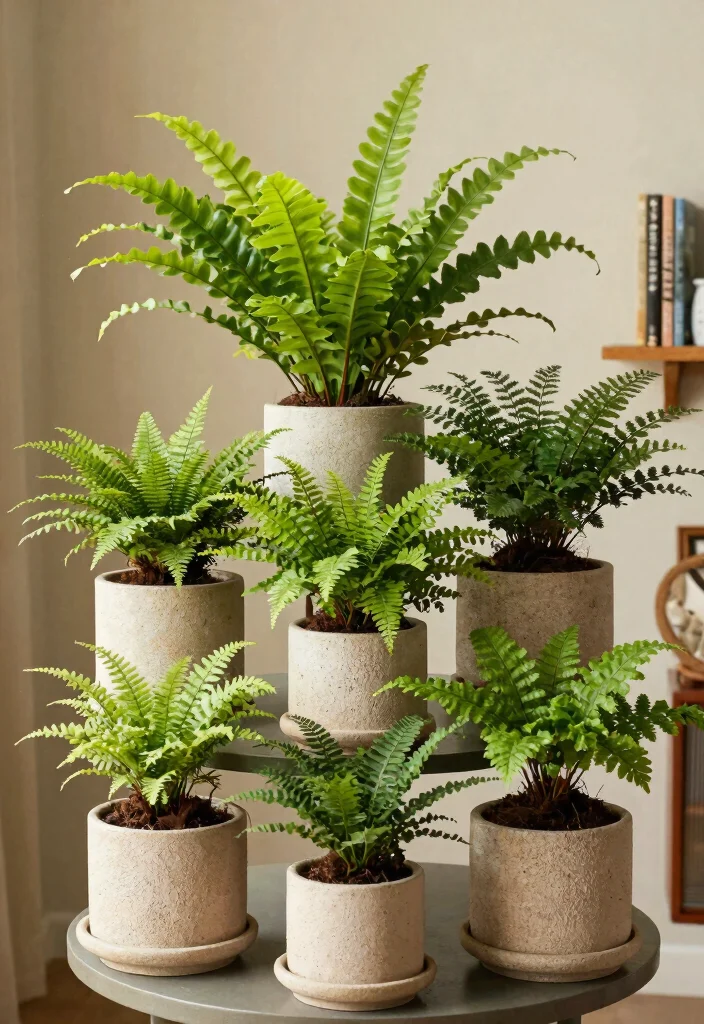
Ferns are the perfect choice for adding a lush, green touch to shaded areas. Their elegant fronds create a beautiful texture that livens up dim corners of your home. With numerous varieties, such as the Boston fern and Maidenhair fern, you can mix and match for a stunning display that thrives indoors or out. Plus, they’re low maintenance and help purify the air, making them a win-win for any space.
To create an eye-catching arrangement, consider varying the heights of different ferns in unique pots like woven baskets or matte ceramics. Remember to keep the soil consistently moist, as ferns love humidity and won’t thrive if they dry out.
Key tips for a successful fern garden:
– Choose pots with drainage holes to prevent waterlogging.
– Find a spot with indirect sunlight for best growth.
– Use a tiered plant stand to showcase varying heights and shapes.
With ferns in your space, you’ll enjoy a refreshing, green atmosphere that brightens any dull area. They truly bring a touch of nature indoors.
2. Snake Plant: The Resilient Wonder
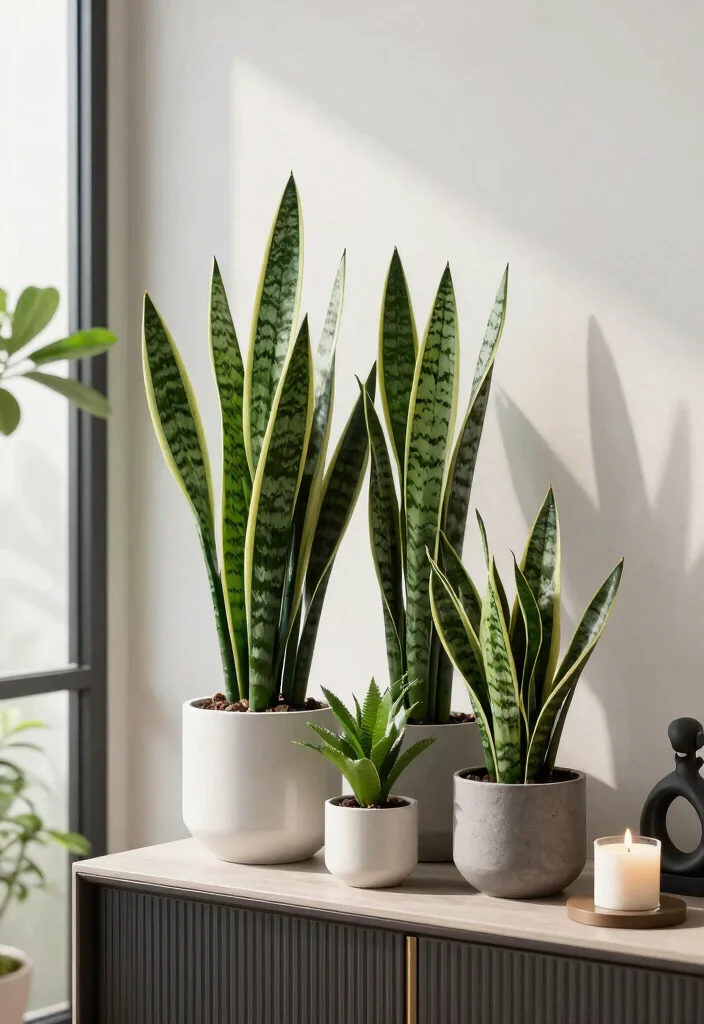
Snake plants are incredibly tough and can thrive in low light, making them ideal for novice plant owners or those with busy schedules. With their striking upright leaves in various styles, they can add a modern touch to any room. Not only are they easy to care for, but they also purify the air, enhancing your home’s atmosphere.
To elevate your decor, choose sleek pots in matte black or metallic finishes, combining different sizes for an eclectic look. Allow the soil to dry out between waterings to keep these resilient plants happy and healthy.
Here are some practical tips for your snake plant:
– Let the soil dry out between waterings to avoid root rot.
– Style them with fuzzy throws for a cozy vibe.
– Place them in corners where other plants might struggle.
With snake plants around, you’ll enjoy a stylish, low-maintenance addition that thrives effortlessly.
Fun fact: Snake plants thrive in low light and can purify the air—studies suggest they remove up to 87% of indoor pollutants in 24 hours. Perfect for a shade container garden, they bring clean air and modern style with zero fuss.
Ongoing Maintenance & Care Guide
Maintenance Schedule:
Daily/Weekly Tasks:
– Watering: Check the soil moisture of your shade container garden. If the top inch feels dry, give your plants a drink. Time: 5-10 minutes.
– Dusting Leaves: Use a damp cloth to wipe the leaves of your plants, especially if they’re in an indoor space. This keeps them healthy and helps with photosynthesis. Time: 5 minutes.
– Rotate Pots: Every week, turn your pots a bit to ensure even sunlight exposure, even in low light. This keeps your plants growing straight. Time: 5 minutes.
Monthly/Seasonal Tasks:
– Fertilizing: Every month during the growing season (spring and summer), apply a balanced fertilizer to boost growth. Follow package instructions. Time: 10-15 minutes.
– Repotting: Check if your plants are root-bound every 6 months. If roots are growing out of the drainage holes, it’s time to repot them in a larger container. Time: 30-45 minutes.
– Pruning: Trim dead or yellowing leaves monthly to promote new growth and improve appearance. Time: 15-20 minutes.
Maintenance Summary Table:
| Task | Frequency | Difficulty | Time Needed |
|—————————|—————-|————|————–|
| Watering | Daily/Weekly | Easy | 5-10 minutes |
| Dusting Leaves | Daily/Weekly | Easy | 5 minutes |
| Rotate Pots | Weekly | Easy | 5 minutes |
| Fertilizing | Monthly | Easy | 10-15 minutes|
| Repotting | Every 6 months | Moderate | 30-45 minutes|
| Pruning | Monthly | Easy | 15-20 minutes|
Common Issues to Watch For:
⚠️ Yellow Leaves: This can indicate overwatering or nutrient deficiency. Check the soil moisture and consider fertilizing.
⚠️ Wilting Plants: If plants are wilting, they may need more water, or they could be root-bound. Check the soil and roots.
⚠️ Brown Leaf Tips: This sign may indicate low humidity or underwatering. Ensure your plants are getting enough moisture and humidity.
Care Tips:
💡 Choose the Right Plants: Select shade plants that thrive in low light, such as ferns and snake plants. This ensures they grow healthy and strong.
💡 Use Quality Potting Mix: A good potting mix retains moisture without becoming soggy. This is key for shade container gardens.
💡 Monitor Light Levels: Even in low light, plants need some light. Use a light meter app or observe how light changes in your space to optimize plant placement.
💡 Group Plants Together: Placing shade-loving plants close creates a mini ecosystem. It helps maintain humidity levels around your plants.
💡 Stay Consistent: Stick to your maintenance schedule. Routine care will keep your shade container garden lovely and thriving.
3. Pothos: The Trailing Beauty
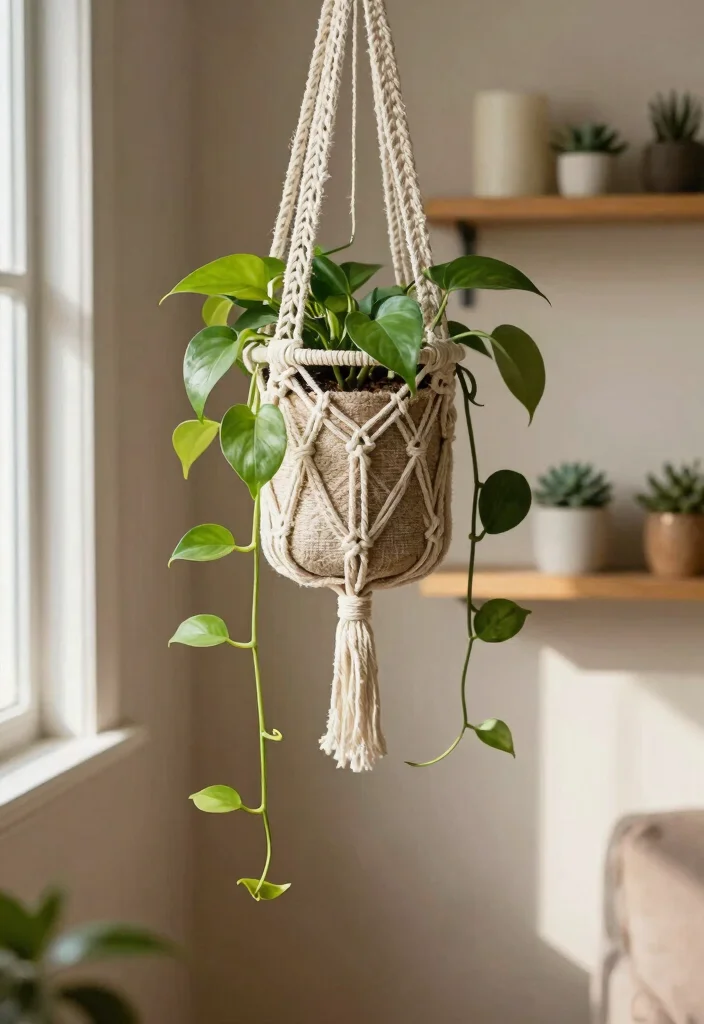
Pothos plants are famous for their beautiful trailing vines that can instantly enhance any space with a touch of greenery. They thrive in low light and require little maintenance, which makes them perfect for anyone, from beginners to seasoned gardeners. Their forgiving nature means they can bounce back, even if you forget to water them occasionally.
Consider using hanging pots or vertical planters to let their vines cascade beautifully. You can also combine pothos with other plants in a larger container for a vibrant arrangement.
To get the most out of your pothos:
– Use macramé hangers to create a bohemian look.
– Mix with ferns or peace lilies for diverse textures.
– Trim the vines occasionally to encourage bushier growth.
With pothos in your home, you’ll enjoy an effortless and lush vibe that transforms any area.
Low light in a shade container garden isn’t a limitation with pothos—it’s their superpower. Hang their trailing vines where you spend time, and watch green drama cascade through your space; they forgive occasional watering slips and reward you with easy, evergreen color.
4. ZZ Plant: Tough as Nails
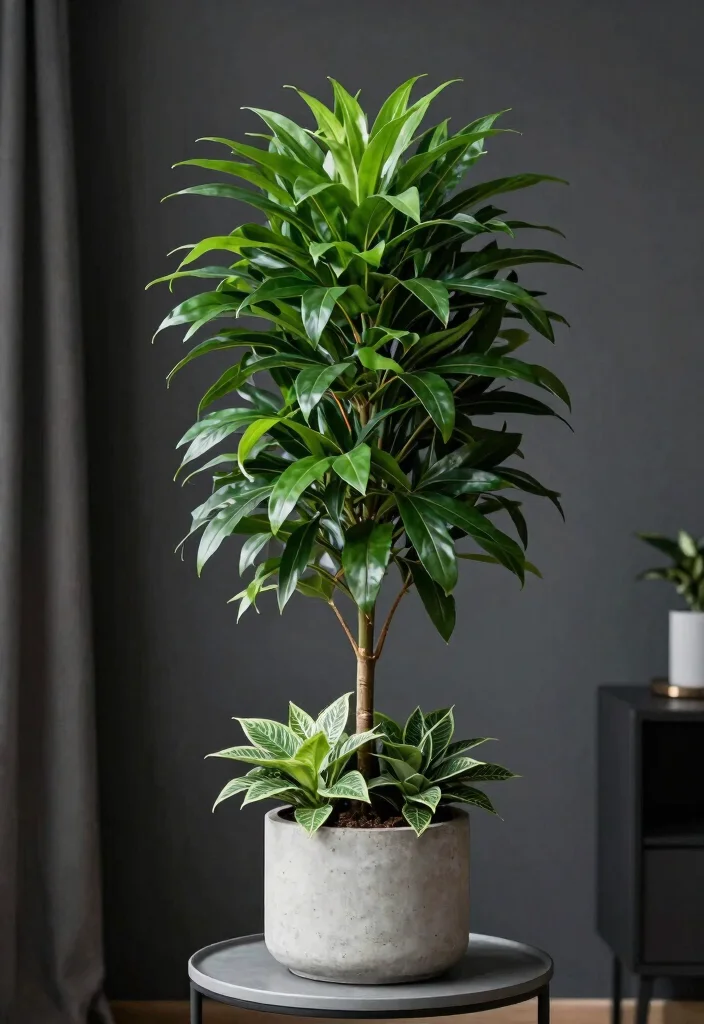
ZZ plants are a fantastic addition to any shade container garden, known for their thick, glossy leaves that can adapt to almost any environment. They thrive in low light and are perfect for those who may forget to water regularly. Their unique structure and dark green color make them a striking focal point.
Pair a tall ZZ plant with smaller shade plants in a multi-tiered planter for eye-catching contrast. These resilient plants are also great at filtering indoor air pollutants, enhancing your indoor air quality.
Here are some tips to keep your ZZ plant thriving:
– Use a pot without drainage holes if you tend to overwater.
– Opt for minimalist pots made from concrete or stone for a modern feel.
– Dust the leaves occasionally to keep them shining bright.
With ZZ plants in your space, you’ll enjoy a low-maintenance beauty that effortlessly enhances your decor.
Fun fact: ZZ plants tolerate low light and only need water every 2–3 weeks. That makes them a perfect focal point in a shade container garden and easy to pair with smaller shade plants.
5. Peace Lily: The Elegant Choice
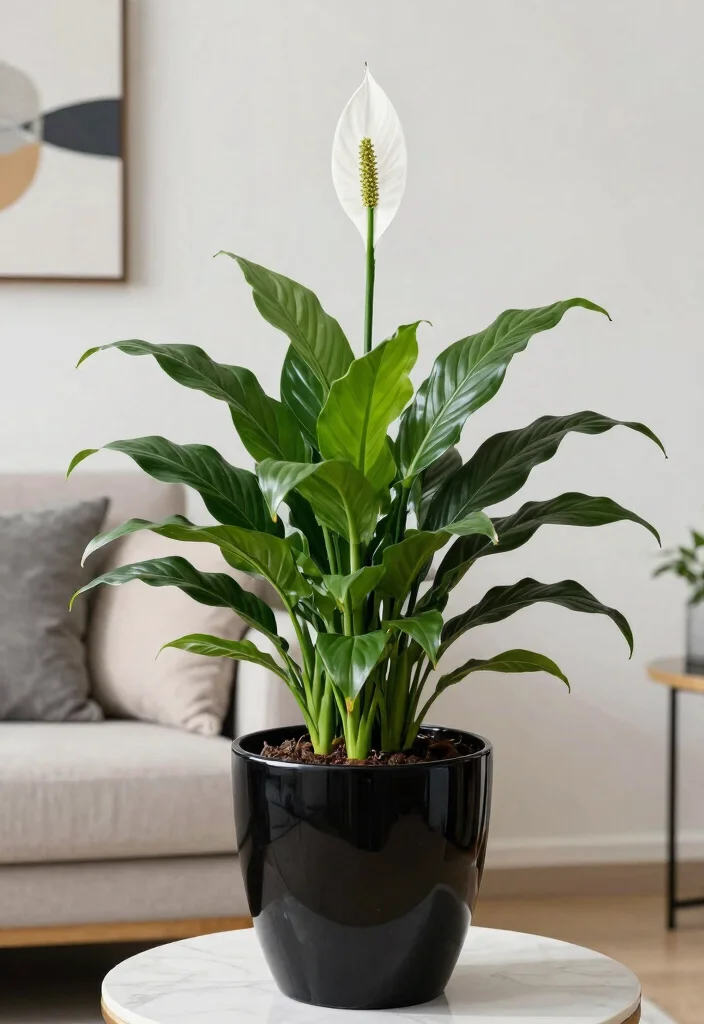
Peace lilies add a touch of elegance to any room with their striking white blooms and lush green leaves. They thrive in low to medium light, making them ideal for shaded areas of your home. These plants also serve as air purifiers, helping to keep your indoor environment fresh.
Whether you choose a tall peace lily for a floor planter or a smaller one for a windowsill, they’ll bring beauty to any space. Just be mindful of their need for moist soil, as they prefer to stay hydrated.
Consider these tips for your peace lily:
– Use a pot with drainage to prevent soggy roots.
– Pair with dark pots to contrast bright white blooms.
– Position them in entryways or living rooms to showcase their beauty.
With peace lilies, you’ll enjoy a sophisticated touch that brightens up any corner of your home.
6. Calatheas: Patterns Galore
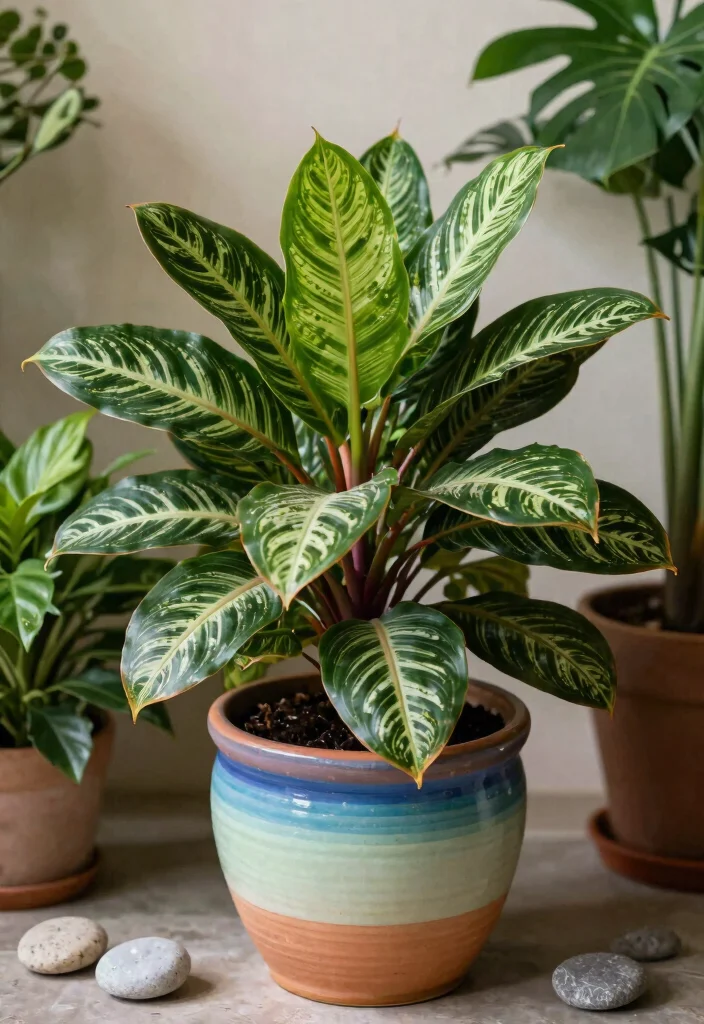
For a touch of drama in your indoor garden, calatheas are the ideal choice. Known for their stunning leaf patterns and vibrant colors, these plants thrive in low light and are captivating additions to any space. Their leaves even fold up at night, creating a unique display.
Arrange multiple calatheas in a container garden for a striking effect, and consider clustering them for a microenvironment that enhances humidity. Mixing them with other shade plants can create a vibrant jungle vibe right at home.
Tips for caring for your calatheas:
– Mist the leaves regularly or use a pebble tray filled with water for humidity.
– Use colorful pots to highlight their unique patterns.
– Ensure they have a potting mix tailored for tropical plants.
With calatheas, you’ll bring an enchanting touch of nature indoors that’s sure to impress.
7. Chinese Evergreen: The Hardy Favorite
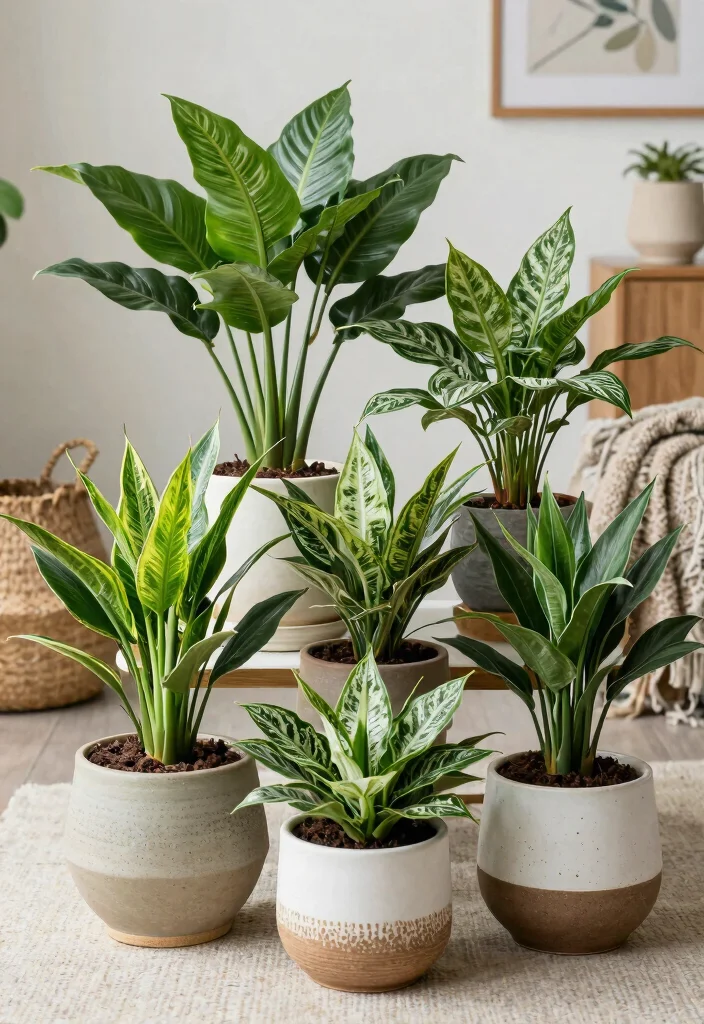
Chinese evergreens are ideal for shade container gardens, known for their hardy nature and striking colors. These plants can adapt well to various conditions, making them perfect for indoor gardening newbies. Their beautiful leaf patterns can range from solid green to variegated shades, adding variety to your collection.
They thrive in low light and are great companions for other shade-loving plants, especially when planted in well-draining soil. With their diverse leaf patterns and colors, they can become a focal point in any room.
Key considerations for your Chinese evergreen:
– Use a decorative pot with a drainage hole to prevent waterlogging.
– Wipe the leaves occasionally to keep them dirt-free.
– Pair with ferns or pothos for a stunning contrast.
With Chinese evergreens, you’ll enjoy a resilient plant that adds beauty and interest to your space.
8. Dracaena: The Bold Accent
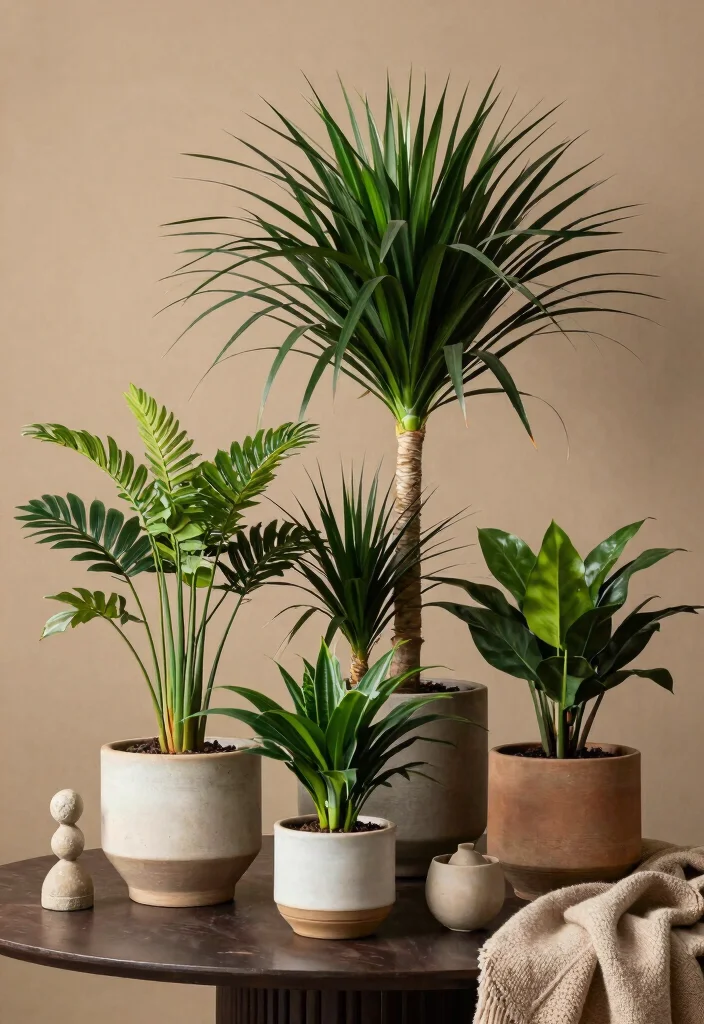
Dracaena plants make a bold statement in any shade container garden. Their tall, arching leaves and variety of colors can add a sense of sophistication and drama to your home. Known for being resilient, they thrive in indirect sunlight and require minimal care.
Consider grouping different types of dracaena for visual interest and to fill empty corners beautifully. Regular pruning helps maintain their size and shape, making them easier to fit into your decor.
To get the best out of your dracaena:
– Use a tall, elegant pot to emphasize their height.
– Allow the soil to dry out between waterings.
– Combine them with shorter plants like peace lilies for balance.
With dracaena in your collection, you’ll enjoy a striking accent that enhances your indoor garden effortlessly.
9. Spider Plant: The Classic Favorite
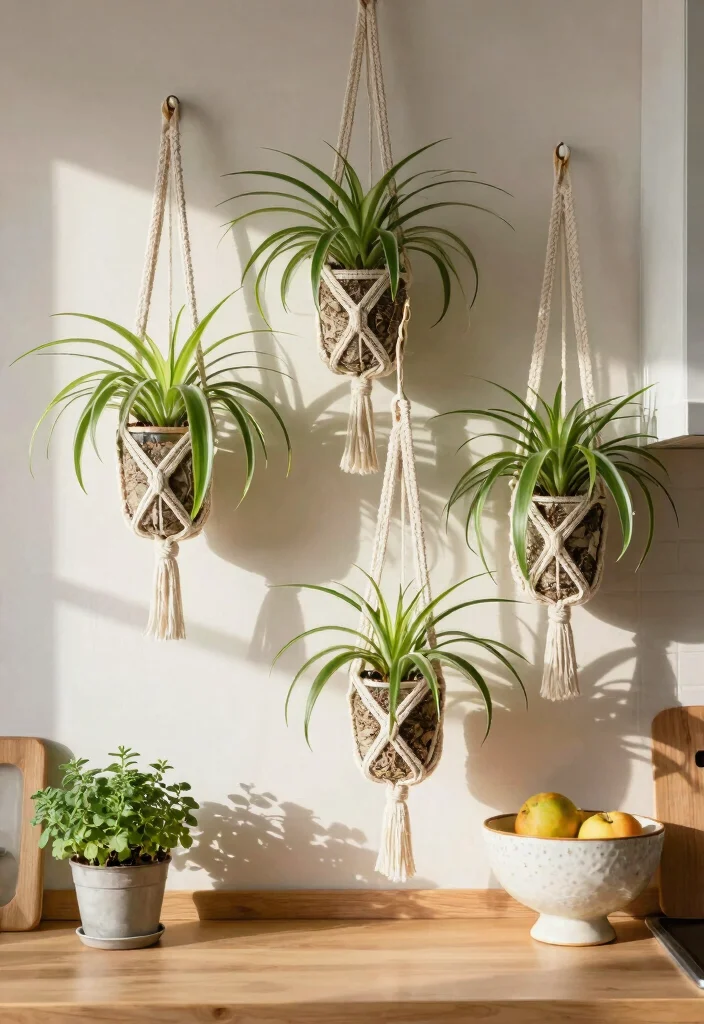
Spider plants are a classic favorite among indoor gardening enthusiasts. Known for their unique, arching leaves and charming baby spiderettes, they thrive in low light and are incredibly easy to care for. Hanging baskets are perfect for them, allowing their long leaves to drape beautifully.
These plants also act as natural air purifiers, enhancing the quality of your indoor air. You can mix spider plants with other greenery in a larger container or let them shine on their own in a hanging planter.
Here are some tips for your spider plant:
– Use a decorative macramé hanger for a trendy look.
– Let the soil dry out between waterings for optimal health.
– Pair them with ferns or ZZ plants for a vibrant display.
With spider plants in your home, you’ll enjoy a classic yet stylish addition that brings life to your space.
10. Hostas: Leafy Wonders
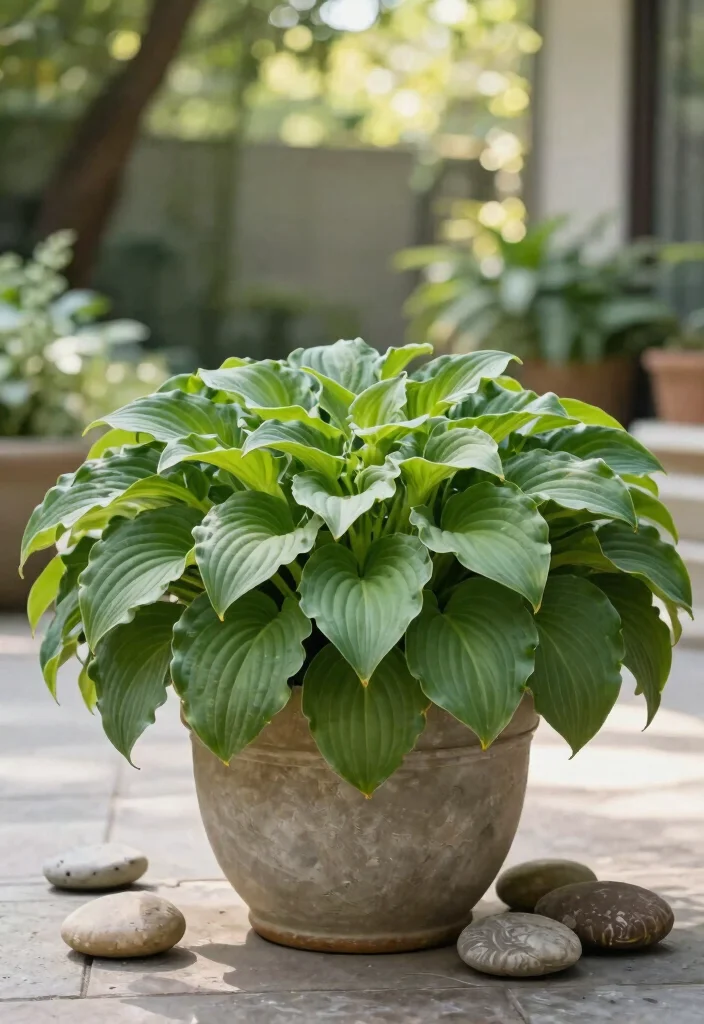
Hostas are remarkable shade-loving plants recognized for their large, textured leaves. While often seen in garden beds, they thrive beautifully in containers on patios or balconies. With a variety of colors and patterns, they can create a stunning display in any setting.
Planting hostas in decorative pots can enhance their appeal, especially when paired with contrasting colors. They prefer moist soil but require good drainage, so choose pots that accommodate both needs.
For best results with your hostas:
– Opt for larger pots to accommodate their extensive root systems.
– Combine with shade-loving annuals for added blooms in summer.
– Mulch around the base to help retain moisture.
With hostas in your garden, you’ll enjoy a lush, elegant look that transforms your outdoor space.
11. Begonias: Brighten Up the Space
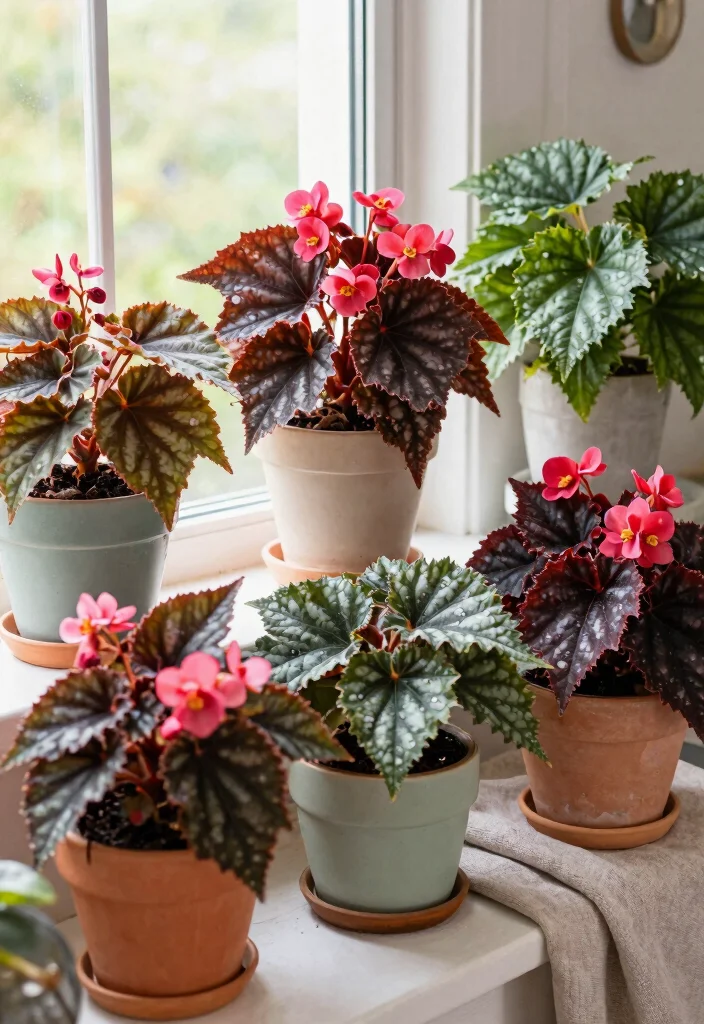
Begonias are delightful shade-loving plants known for their vibrant colors and unique leaf textures. Their colorful flowers can brighten any indoor space, making them a beautiful addition to your container garden. Thriving in low light, they’re perfect for areas that don’t receive too much sun.
Consider using both flowering and foliage varieties for a dynamic arrangement. Bright pots can contrast beautifully with their colorful blooms, and keeping the soil slightly moist ensures their health.
Key tips for caring for your begonias:
– Avoid letting the leaves sit in water to prevent rot.
– Combine with ferns or peace lilies for a layered look.
– Use colorful pots to enhance their vibrant blooms and rich foliage.
With begonias in your collection, you’ll enjoy a cheerful burst of color that livens up your indoor garden.
Conclusion
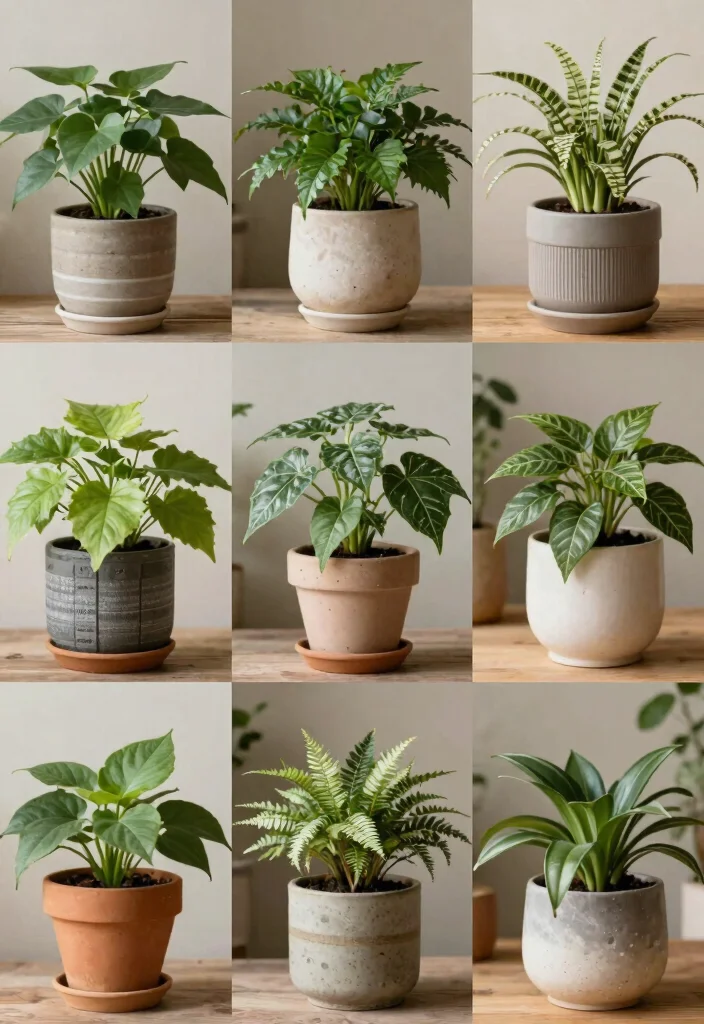
Creating a shade container garden can transform your indoor space into a vibrant, green oasis that brings life into low-light areas. From ferns to begonia, there’s an array of plants that not only thrive in dim conditions but also beautify your home.
Explore these ideas and let your creativity flow as you mix and match plants, pots, and arrangements! The joy of gardening adds a personal touch to your home, making every corner feel a little more inviting.
Note: We aim to provide accurate product links, but some may occasionally expire or become unavailable. If this happens, please search directly on Amazon for the product or a suitable alternative.
This post contains Amazon affiliate links, meaning we may earn a small commission if you purchase through our links, at no extra cost to you.
Frequently Asked Questions
What are the best shade plants for a shade container garden in low-light indoor spaces?
Choosing the right shade plants is the first step to a thriving shade container garden in low-light indoor spaces. Great options include Pothos, ZZ Plant, Snake Plant, and Peace Lily for easy care. Add texture with Calathea and Cast Iron Plant, and enjoy color from Caladium or Aglaonema even in dim corners.
Tips: use a well-draining, peat-based potting mix and containers with drainage holes. Place these near bright, indirect light or under a small grow light to keep them happy. Water when the top inch of soil dries, and avoid soggy roots. With these options, your shade container garden can thrive in any shaded room.
How can I maximize growth in a shade container garden with limited natural light?
Maximizing growth in a shade container garden means giving plants enough light, even when the sun is shy. Use a small full-spectrum grow light or bright indirect light for 6-8 hours a day; position seedlings or cuttings closer to the light source. Choose fast-growing, shade-friendly varieties like Pothos, Philodendron and Peace Lily that fill space quickly. Increase light by placing plants on a bright shelf or near a window with sheer curtains; rotate weekly for even growth. Water consistently but avoid overwatering, and feed monthly with a balanced, water-soluble fertilizer during the growing season. These steps help your low light gardening flourish without needing bright sun.
What container gardening tips help shade-loving plants thrive in indoor spaces?
Follow these practical container gardening tips for an indoor shade garden that actually shines: use containers with drainage holes, and a light, well-draining potting mix. Pick appropriately sized pots to support root growth and stability, and group plants to create microclimates with higher humidity. Always use a protected, indirect light spot, and rotate plants every week so all sides get light. Consider self-watering pots to prevent drying in dry indoor air.
What are easy patio garden ideas for shade-loving, low-light setups?
Turn a shady patio into a lush shade container garden with simple ideas: hanging baskets of trailing Pothos or String of Hearts, vertical planters on walls, and tiered shelves to maximize space. Use light-colored pots to reflect what little light you have and place plants near reflective surfaces like a white wall or mirror. Pair different textures like snake plant and peace lily together for contrast, and add a small grow light for extra boost. For a complete indoor shade garden vibe, include a few ferns and calatheas for movement and color.
How often should I water and fertilize my shade container garden?
Watering in a shade container garden should be paced by the soil, not a calendar. Check the top inch of soil; if it’s dry, water thoroughly and ensure excess water drains away. In low light, plants often need less frequent feeding, so fertilize with a balanced, water-soluble fertilizer every 4-6 weeks during the growing season, and pause in winter. Use a dilute solution to avoid fertilizer burn, and flush the soil occasionally to prevent salt buildup. These routines keep low light gardening healthy and productive.
Related Topics
shade container garden
low light gardening
shade plants
indoor gardening
container gardening tips
patio garden ideas
beginner friendly
easy gardening
urban gardening
no sunlight plants
compact spaces
trendy houseplants