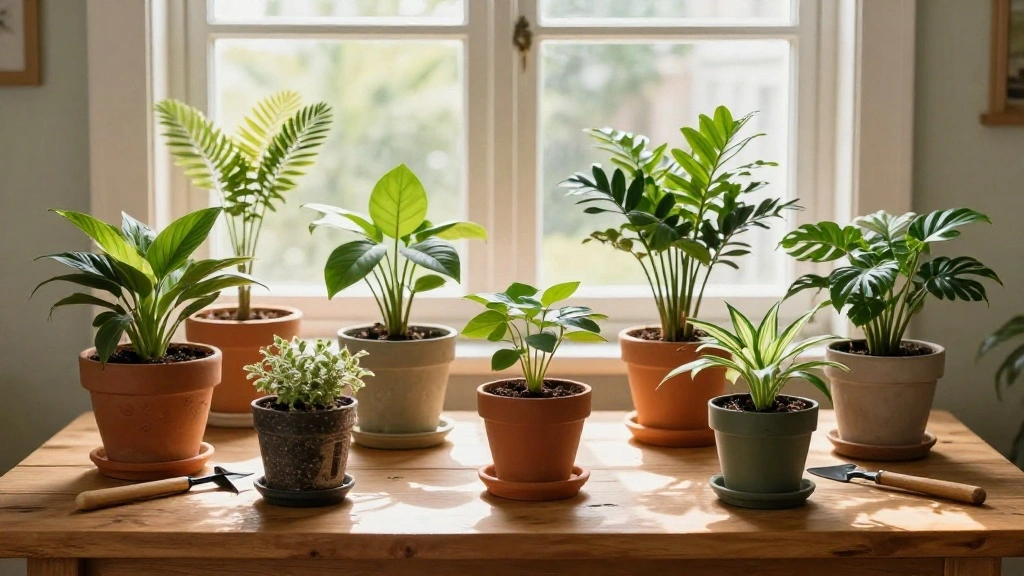
Choosing the right size container for your plants is crucial for their growth and health. An appropriately sized pot allows for adequate root development, proper drainage, and sufficient nutrient absorption. If the container is too small, the roots can become cramped and stressed, leading to stunted growth. On the other hand, a pot that is too large can retain excess moisture, potentially causing root rot. In this article, I’ll guide you through the factors to consider when selecting a container size for any plant, helping you create a thriving green space in your home or garden.
By understanding the needs of your plants and the characteristics of different containers, you can make informed decisions that will promote healthy growth. Whether you’re a beginner or an experienced gardener, you’ll learn how to assess the right pot size based on your plant’s specific needs, ensuring your green companions flourish. Let’s dive into the details of container selection and make your gardening experience more rewarding!
TL;DR
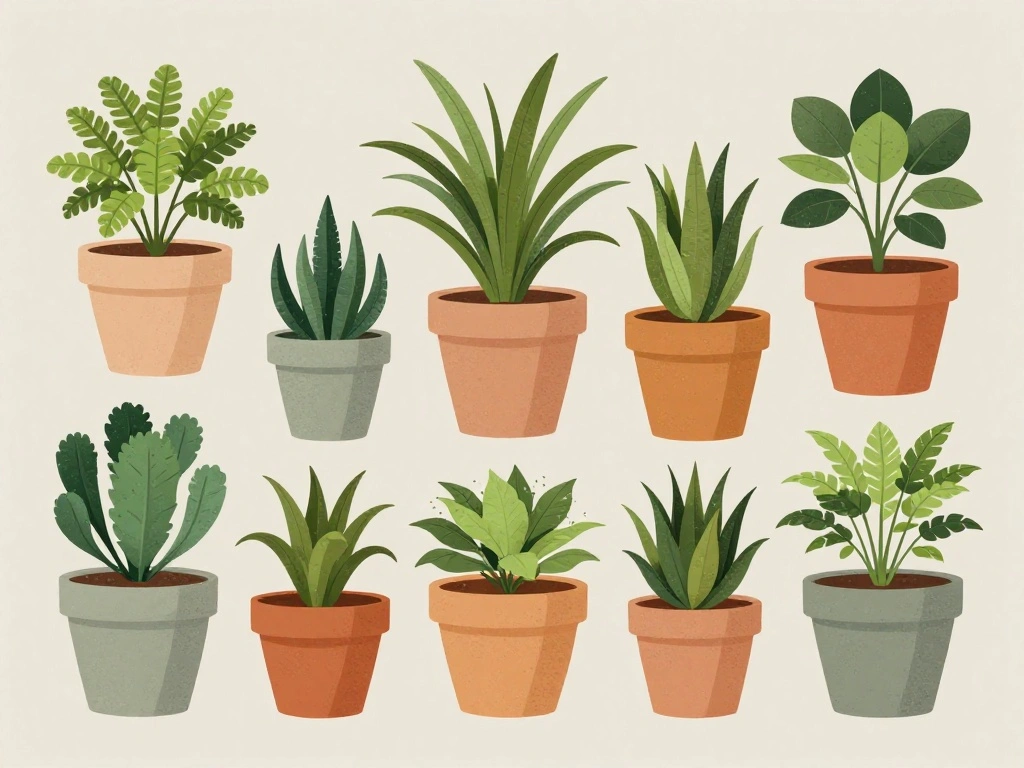
- Choosing the right pot size is essential for your plants’ health and growth.
- A pot that’s too small can stress roots, while a pot that’s too large can lead to oversaturation.
- Consider the plant’s growth habits and size when selecting a container.
- Drainage holes are crucial to prevent root rot.
- Repot plants as they grow to accommodate their expanding root systems.
Main Answer
Understanding Plant Size and Growth
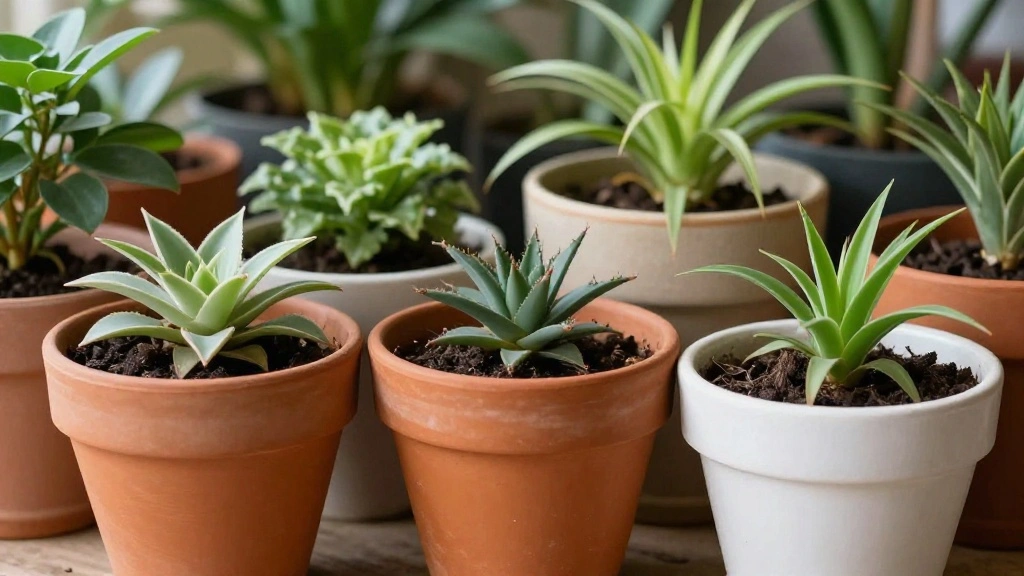
Before selecting a container, consider the specific growth habits of your plant. Different plants have unique needs; for example, some have deep root systems while others spread out. Understanding whether your plant grows tall or wide helps determine the appropriate pot size. A tall plant like a sunflower needs a deeper, narrower container, while a creeping plant like a spider plant thrives in a wider pot that allows for its sprawling growth.
Additionally, think about the expected size of your plant at maturity. If you’re starting with a small seedling, it might be tempting to choose a small pot. However, it’s often beneficial to select a slightly larger pot to accommodate future growth and reduce the need for frequent repotting.
Recommended Products

Sophisticated Style: Five stems with 30 detailed flowers that add a touch of distinction to any environment. No Maintenance: Enjoy its elegance year-round without watering or...
Drainage Considerations
Drainage is another critical factor when choosing a container. A pot with proper drainage holes allows excess water to escape, preventing root rot and other moisture-related issues. If a pot is too large and doesn’t drain well, the soil can retain too much water, leading to unhealthy roots.
For plants that prefer drier conditions, like succulents, opt for pots with excellent drainage. Conversely, plants that thrive in more moisture, like ferns, can do well in containers that retain some water but still offer drainage. Always check the bottom of the pot and ensure that water can escape freely.
Recommended Products

PLANT TRAY VALUE - Plant drainage tray, 6 packs plant tray saucers rectangular, Plant Saucers for Indoors, outer diameter is 6.5 X 13 inch width and inner diameter is 5.0 X 11.5 inch width, 1.2'' Height, suitable for flower pot with bottom diameter less than 10 11 inches.
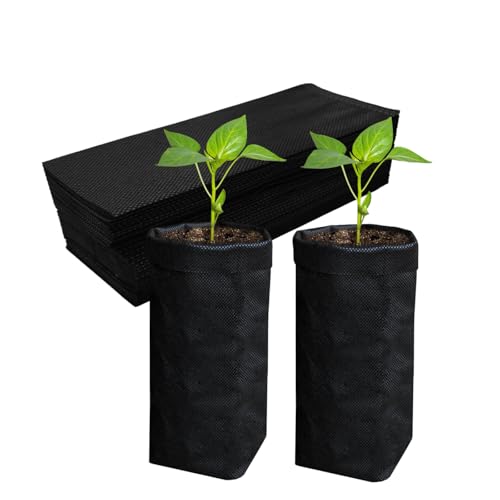
【Planting Bags Material】Made of thick non-woven fabric, sturdy and lightweight, it can be directly planted on the ground and in gardens.

[ Pakage & Size] Package: 6 Pack clear orchid pots;Size: 4.7 inch × 5.6 inch ; Minimalist style clear plastic pots look beautiful with indoor phalaenopsis orchids, cattleya orchids, oncidium orchids, dendrobium orchids, and vanda orchids
Material Matters
The material of your plant container also impacts its size and performance. Clay pots are porous and allow for moisture evaporation, making them suitable for plants that prefer well-drained conditions. Plastic pots, on the other hand, retain moisture longer and are lightweight, making them a good choice for plants that need consistent humidity.
When selecting the size, consider the thickness and weight of the material. Heavier materials may require larger pot sizes to support the weight of the plant as it grows. Ultimately, the right material combined with the correct size will create an ideal environment for your plants to thrive.
- Understanding plant growth habits helps in selecting the right size pot.
- Proper drainage is crucial to prevent root rot.
- Material choice affects moisture retention and overall plant health.
Recommended Products

【With Drain Holes and Mesh Pad】:Large drain holes are good for draining, and with leak-proof mesh pads, it keeps soil from running away, suitable for orchids, succulents, cacti, other flowers and green plants, perfect for home decoration.

Plant Pots / Flower Pots - Invest in a beautiful garden to harvest the seeds of love, with the set of pots for indoor or outdoor plants

Assortment Size: 100 pcs 2 3 4 inches assorted sizes grey plant pot hole mesh screen; 50 pcs for 2" mesh, 25 pcs for 3" mesh, 25 pcs for 4" mesh
Related Questions
Recommended Products

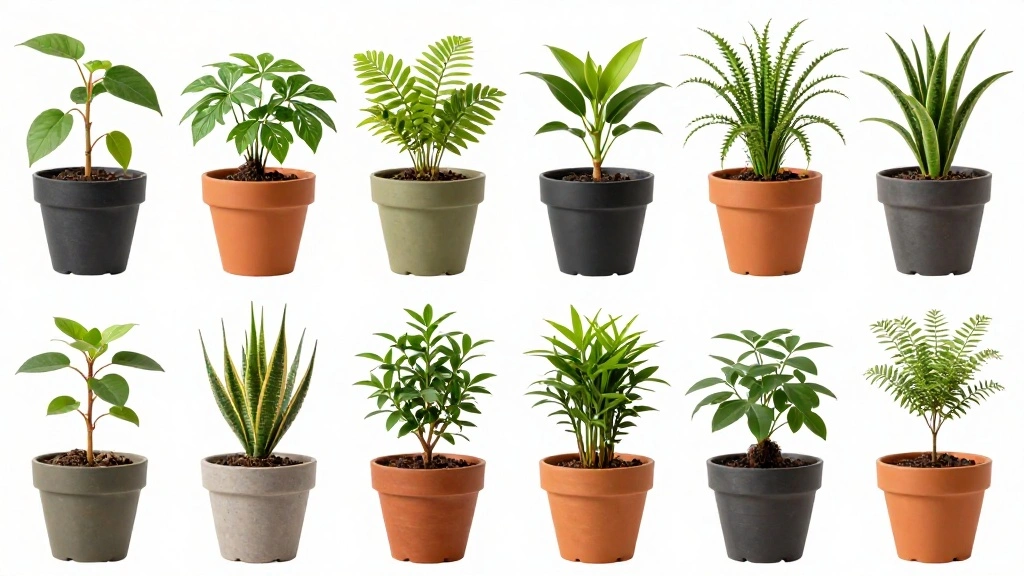
Small Succulent Planter With Drainage Holes and Mesh Pad: Large drain holes are good for draining, and with leak-proof mesh pads, it keeps soil from running away, suitable for orchids, succulents, cacti, other flowers and green plants, perfect for home decoration.
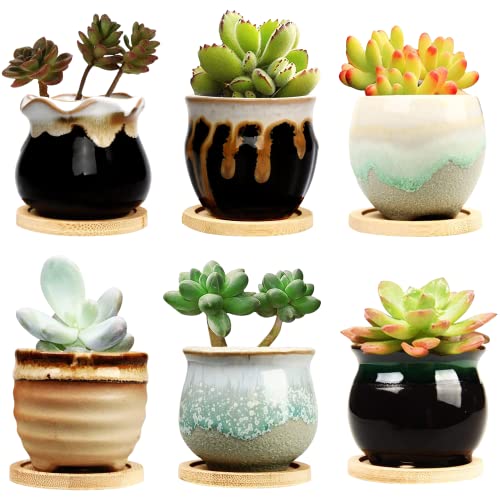
Mini Set:Those pots are in 6 mini design,size are little difference but all around W2.3"x H2.15" inch which is perfect for holding succulent, herbs and cactus plants,small plants and flowers.comes 6 pack in a safty package.Great for display,like birthday,home use,christmas.Please note: This is just a plant pot; it does not include a plant.
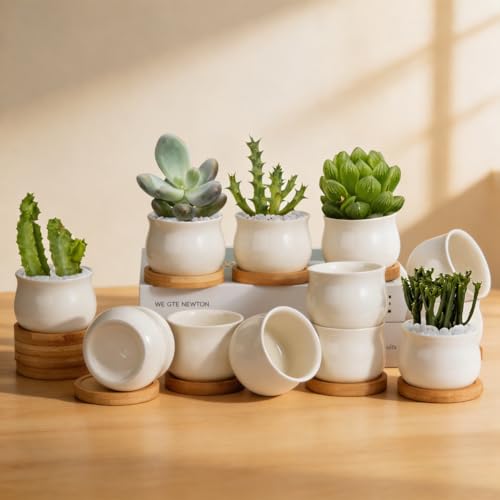
Durable and Lasting: The ceramic plant pots baked in high temperatures thatensures colors will not fade with time, can use long time.Thoughtful Design: Drainage hole on the bottom add the wooden tray, excesswater can flow into the tray in time and will not cause plant death. The deskalso keep clean.
What is the best way to determine pot size?
The best way to determine the right pot size is to look at the plant’s root system. If the roots are visible through the drainage holes, it’s time to upsize. A good rule of thumb is to choose a pot that is 1-2 inches larger in diameter than the current pot for smaller plants, and up to 4-6 inches for larger plants.
Why do plants need to be repotted?
Plants need repotting for several reasons, including root crowding, nutrient depletion, and to refresh the soil. As plants grow, their roots can fill up the pot, limiting their access to nutrients and water. Repotting gives them fresh soil and more room to grow.
How often should I repot my plants?
The frequency of repotting depends on the plant type and its growth rate. Fast-growing plants may need repotting every year, while slower-growing species can go 2-3 years between repots. Always check the root system to gauge when repotting is necessary.
What are the signs that a plant is root-bound?
Signs of a root-bound plant include roots growing out of the drainage holes, stunted growth, and yellowing leaves. If you notice these signs, it’s time to consider repotting into a larger container to give the roots more space.
Can I use any container for planting?
Not every container is suitable for planting. It needs to provide proper drainage and be made of materials that won’t leach harmful chemicals. Containers like plastic buckets or repurposed food containers can work, but ensure they have drainage holes before planting.
How do I know if my pot has adequate drainage?
Check for drainage holes at the bottom of the pot. You can also see how quickly water drains after you water the plant. If water pools at the bottom and doesn’t drain, the pot may not have adequate drainage.
Should I choose a larger pot for faster growth?
While it might seem logical that a larger pot means faster growth, it can actually lead to overwatering issues. A pot that is too large can retain too much moisture. Instead, select a pot that allows for gradual growth while ensuring the roots have enough space.
What type of pot is best for indoor plants?
For indoor plants, pots made of materials like clay or ceramic are popular due to their aesthetic appeal and breathability. Choose a pot that fits your plant’s needs, ensuring it has drainage holes to maintain soil health.
Can I plant directly in the ground instead of a pot?
Yes, many plants thrive when planted directly in the ground, especially if you have suitable soil conditions. However, if you live in an area with harsh weather or limited space, pots can offer flexibility and easier management of plant health.
Conclusion
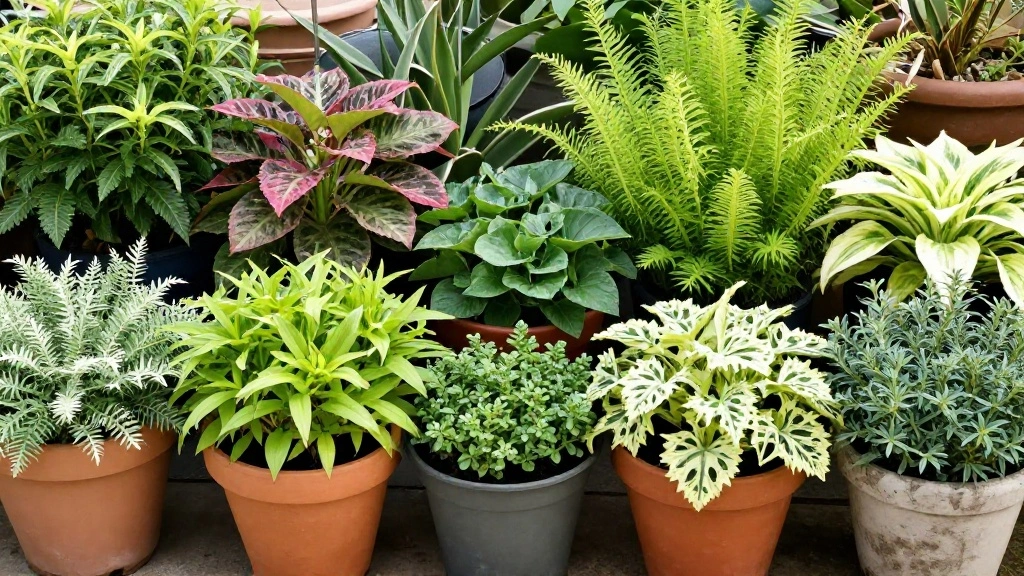
Choosing the right container size is a fundamental aspect of successful plant care. It impacts your plant’s growth, health, and overall happiness. By considering factors like growth habits, drainage, and material, you can select the perfect pot for your green companions. Remember to monitor your plants and repot as necessary to accommodate their growth needs.
With these guidelines, you’re well-equipped to make informed decisions that will lead to a thriving indoor or outdoor garden. Happy planting, and may your plants flourish in their new homes!