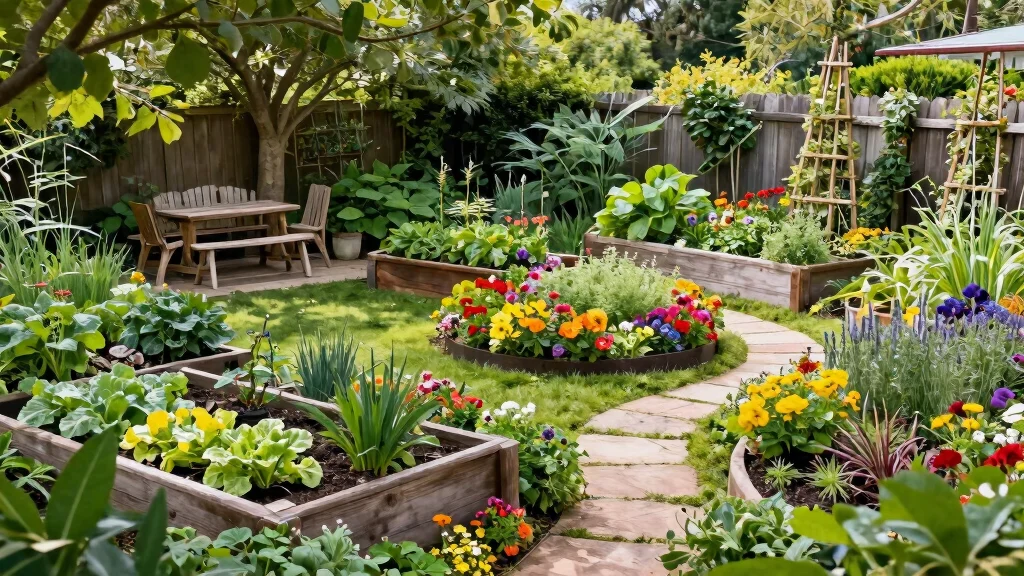
Creating your own garden can be a rewarding experience, especially when you work with what you have. If you’re like many people, the thought of starting a raised bed garden has crossed your mind. Perhaps you’ve been daydreaming about fresh vegetables or fragrant herbs right from your backyard. This post is crafted for those who want to explore beautiful raised bed garden ideas, regardless of backyard size.
Whether you’re a small space gardener or someone with a sprawling yard, there are ideas here for you. If you’ve been searching for fresh inspiration to turn your outdoor space into a lush oasis, you’ve come to the right place. I’ve gathered 12 unique raised bed garden ideas that are not only creative and functional but also perfect for enhancing your outdoor space. These designs are tailored for everyone—from balcony gardeners to those with expansive backyards.
In this guide, you’ll find various options to consider. From vertical raised beds that maximize space to rustic log planters that bring charm, there’s something for every preference. You’ll also discover practical tips on how to design your vegetable garden, along with ideas for container gardening solutions and backyard landscaping. Get ready to dive into the world of raised bed gardening, where we transform your gardening dreams into a reality!
Key Takeaways
– Explore diverse designs: Discover 12 unique raised bed garden ideas that suit all backyard sizes, from small balconies to large yards.
– Maximize small spaces: Learn how vertical raised beds and creative container solutions can help you grow a thriving garden in limited areas.
– Practical tips for planning: Get actionable advice on vegetable garden design, ensuring you make the most of your gardening space.
– Incorporate aesthetics: Find out how backyard landscaping ideas can blend beauty with functionality, creating an inviting garden atmosphere.
– DIY options: Uncover ways to create your own raised beds using simple materials like pallets or logs, making your gardening journey cost-effective and personal.
1. Vertical Raised Beds for Small Spaces
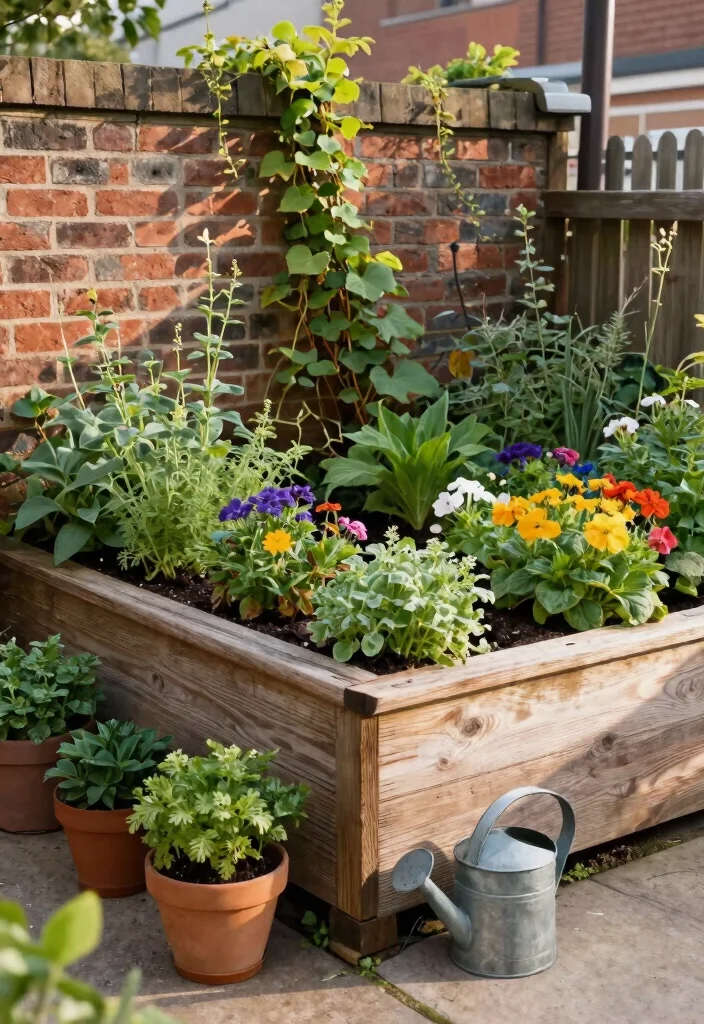
If you’re looking to maximize your gardening potential in a limited area, vertical raised beds are your best friend. These clever structures allow you to grow your favorite plants upwards, freeing up valuable ground space while creating an eye-catching focal point. Whether made from wood, metal, or recycled materials, they can accommodate everything from vibrant flowers to fragrant herbs, making gardening accessible and enjoyable for everyone. You might even consider adding a trellis to support climbing plants like cucumbers or beans, enhancing your vertical garden’s productivity.
Start by selecting a sturdy and lightweight material for ease of setup. Use a combination of soil types to ensure proper drainage and nutrients for your plants. Place your vertical bed in a sunny spot to give your plants the light they need to thrive, and keep an eye on moisture levels since vertical gardens may dry out more quickly.
Here’s how to make the most of your vertical raised beds:
– Choose materials that are lightweight and easy to handle.
– Mix soil types for optimal drainage and nutrition.
– Position your bed in a sunny area for best results.
– Regularly check moisture levels to avoid drying out.
With vertical raised beds, you’ll transform even the tiniest spaces into lush, productive gardens that are a joy to tend.
2. Corner Raised Bed Garden
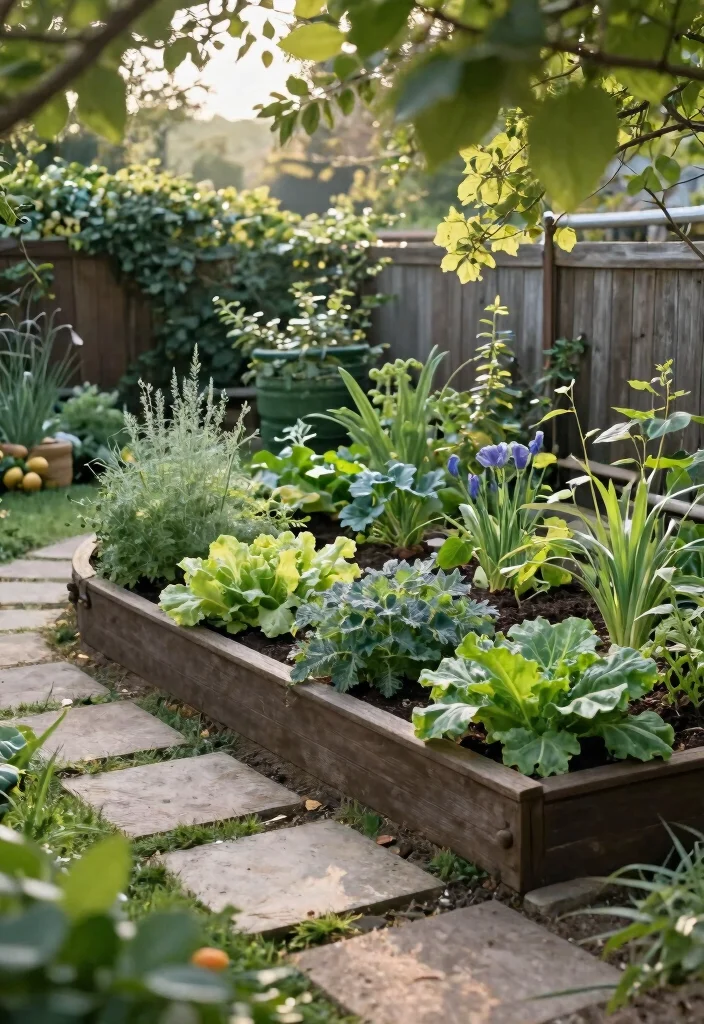
Make the most of your outdoor area with a corner raised bed garden. These beds utilize often ignored corners, turning them into practical and appealing planting zones. By placing a raised bed in a corner, you gain easy access from multiple sides, perfect for nurturing a variety of herbs and vegetables. A rounded or curved design can soften the look and create a stunning focal point in your garden. Using reclaimed wood or rustic materials can further enhance the charm of this setup.
To optimize your corner raised bed, consider planting companion plants that grow well together to maximize space and yield. Create pathways or stepping stones around the bed to avoid compacting the soil and damaging your plants. Regularly amend the soil to ensure it remains nutrient-rich and supportive of your plants’ growth.
Key strategies for your corner raised bed:
– Plant companion species to boost productivity.
– Incorporate stepping stones for easy access.
– Regularly amend the soil for the best growing conditions.
This design not only makes your garden more efficient but also proves that even the smallest corners can yield impressive harvests.
Corner raised bed garden ideas prove you don’t need a sprawling yard to grow flavor. In small spaces, a curved, corner bed makes herbs and veggies easy to reach from every side—practical, stylish, and surprisingly productive.
3. Raised Planters on Wheels
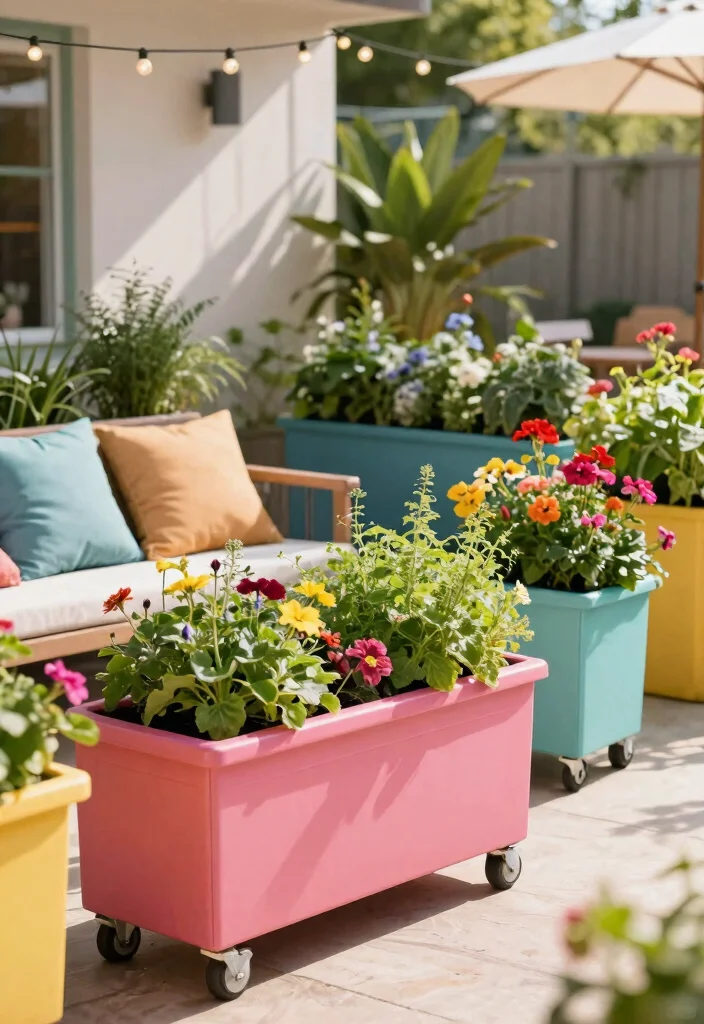
If you dream of a flexible garden that moves with the sun, raised planters on wheels are a fantastic solution. These mobile garden beds allow you to shift your plants according to the weather or your aesthetic preferences, making gardening a breeze. Built from durable materials, these planters can be filled with soil and a variety of plants, from colorful flowers to fresh herbs. Their portability means you can easily adapt your garden layout, even in tight spaces like patios or balconies.
To get the most from your mobile planters, position them for maximum sunlight exposure and move them as needed during storms or for better drainage. This setup is also a fun way to involve children in gardening, giving them a hands-on experience as they help relocate the planters.
Benefits of using mobile raised planters:
– Easily reposition for optimal sun exposure.
– Move indoors during bad weather for protection.
– Involve kids in gardening with fun mobility tasks.
With raised planters on wheels, you’ll enjoy a vibrant garden that can adapt to your every need in just moments.
Fun fact: mobile raised planters on wheels let you chase the sun all day, boosting herb yields by up to 25%. With portable raised bed garden ideas, rotate beds between sun and shade in minutes, even on a balcony.
4. Tiered Garden Beds
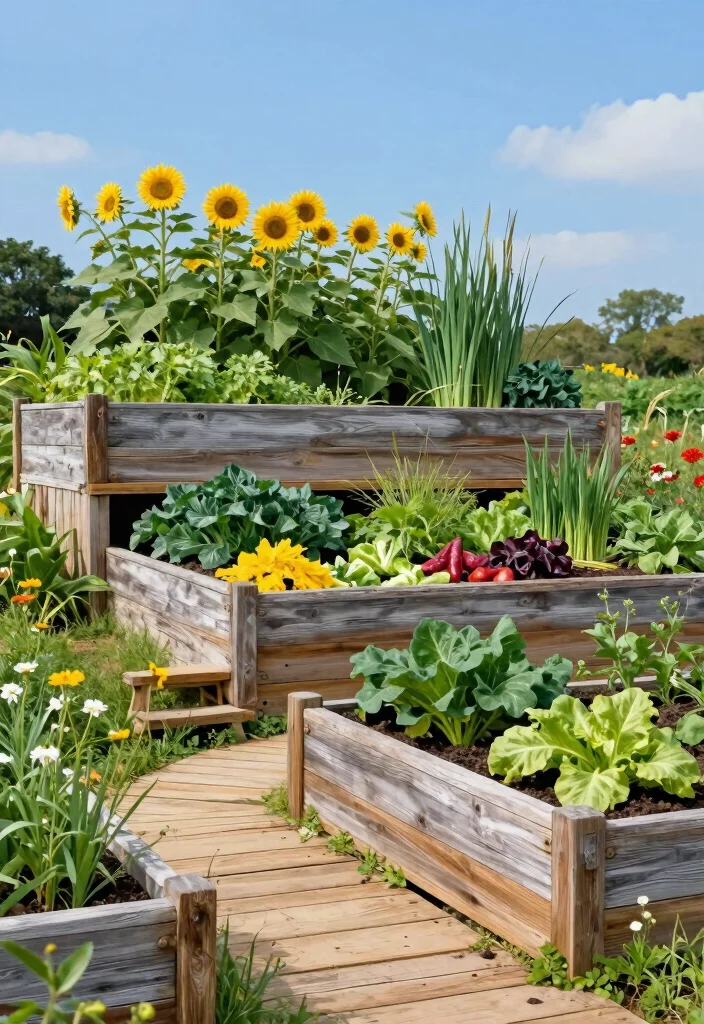
Elevate your gardening game with tiered garden beds! These multi-level designs not only look visually striking but also help you maximize your planting area. Each tier can host different types of plants, creating an organized and appealing layout that captures the eye. Often made from strong wood or stone, tiered beds enhance drainage and provide ideal conditions for root establishment, as water naturally flows down each layer.
For an added visual effect, construct tiers of varying heights to create a dramatic look. Ensure there are pathways between tiers for easy access while tending to your plants, and utilize the top tier for taller species while keeping shorter varieties on the lower levels.
Design suggestions for tiered beds:
– Vary tier heights for a striking visual impact.
– Create paths between tiers for easy access.
– Use the top tier for taller plants and lower tiers for smaller ones.
This style of raised bed not only enhances the beauty of your garden but also makes gardening a fun and engaging experience.
5. Rustic Log Planters
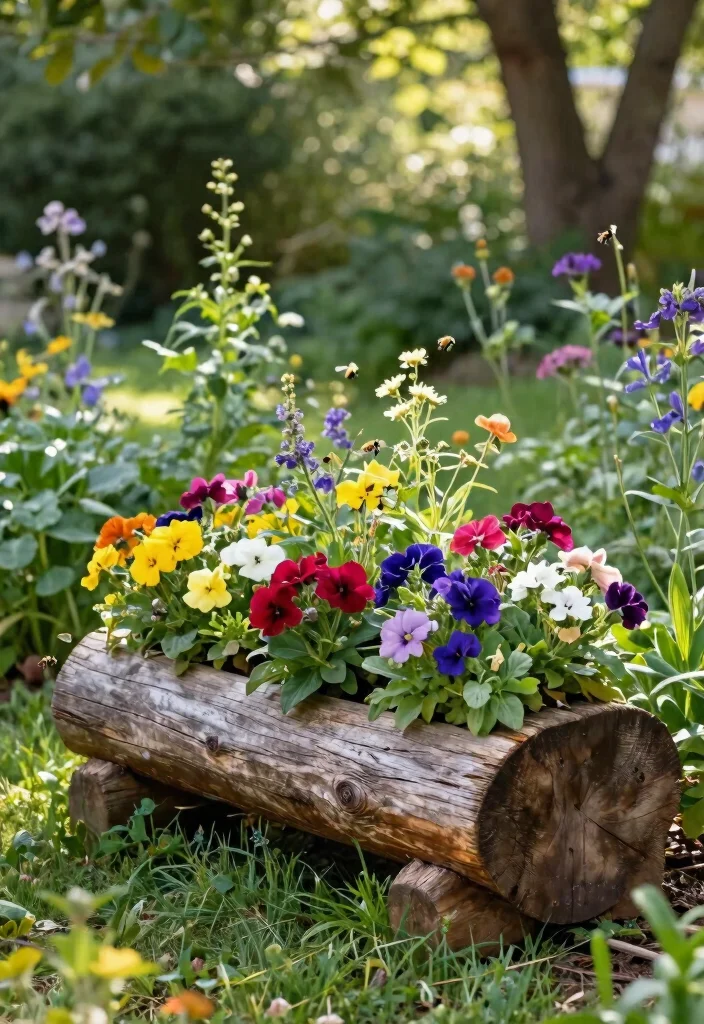
Introduce a delightful rustic element to your garden with log planters! These natural wooden containers blend beautifully with the landscape, providing a unique way to grow a variety of plants. Often made from hollowed tree trunks or sections of logs, they offer an organic and charming appearance that fits various garden styles. You can fill them with vibrant flowers or even herbs and vegetables for a stunning visual impact.
To care for your log planters, be sure to drill drainage holes to prevent water accumulation that can harm the roots. Using a liner can help retain moisture and protect the wood from rot, while treating the wood with a natural sealant can extend its lifespan.
Important care tips for log planters:
– Drill drainage holes to avoid root damage.
– Line the planter to help retain moisture.
– Consider a sealant to prolong the life of the wood.
These log planters are not just stylish; they also support eco-friendly gardening, making them an excellent addition to any garden space.
6. Wall-Mounted Garden Beds
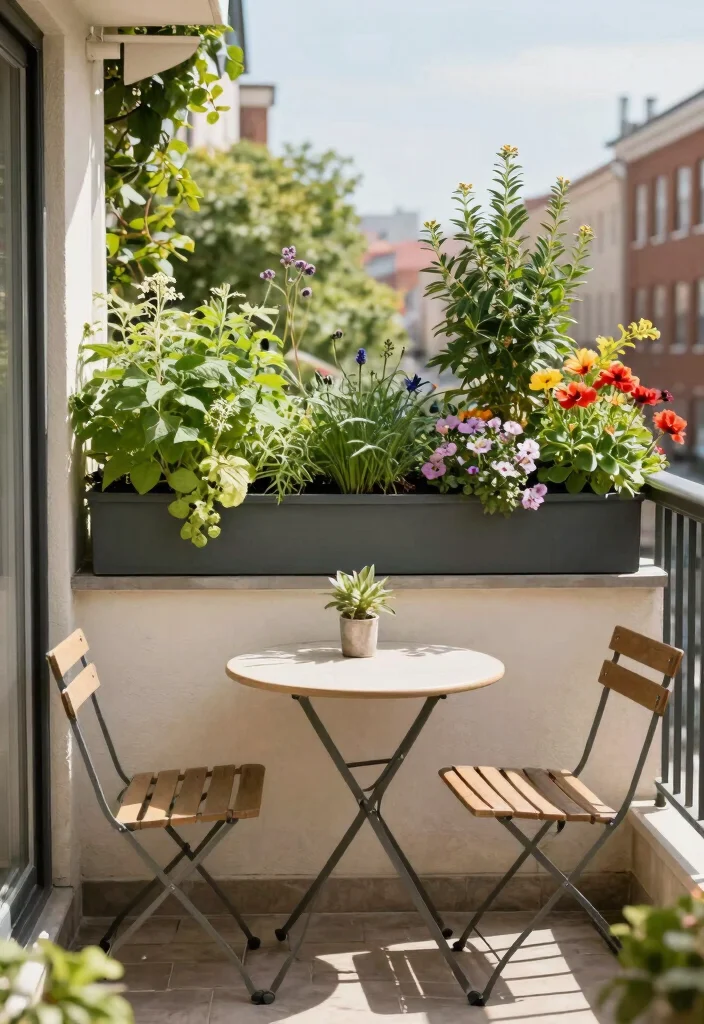
Maximize your gardening potential by utilizing wall-mounted garden beds! Perfect for those living in urban areas or anyone with limited ground space, these mounted planters transform ordinary walls into vibrant displays of greenery. Available in various styles, from sleek modern designs to rustic wooden boxes, they are perfect for growing herbs, small vegetables, or decorative plants, creating a stunning living wall.
Ensure your wall can support the weight of soil and plants during installation, and use robust brackets or frameworks for stability. Select plants that thrive in vertical arrangements, such as trailing vines or compact herbs, to bring life to your wall.
Installation tips for wall-mounted gardens:
– Verify the wall can handle the weight of the soil and plants.
– Use strong brackets or frameworks for secure mounting.
– Choose plants suitable for vertical growth, like compact herbs.
Wall-mounted gardens not only save space but also add a striking visual appeal to any outdoor area.
Dimensions & Size Guide
Standard Sizes & Measurements:
When planning a raised bed garden, understanding the sizes and measurements is key. Commonly, raised beds range from 4 feet by 4 feet for small spaces to 4 feet by 8 feet for larger areas. The height typically varies between 12 to 36 inches, depending on what you want to grow.
For a vertical garden, consider using narrower dimensions, such as 2 feet wide and 5 feet tall, which fit well in tight spaces. The minimum height should be at least 12 inches to accommodate root systems of most vegetables.
When thinking about space, remember you will need room to walk around your raised beds for maintenance. Aim for at least 2-foot walkways between beds to make access easier.
Quick Reference Table:
Here’s a quick table to help you visualize the size options:
Size/Dimension – Best for: [use case], Minimum space needed: [measurement]
– 2 ft x 2 ft – Best for: Herbs and small plants, Minimum space needed: 2 ft x 2 ft
– 4 ft x 4 ft – Best for: Vegetable garden for 2-3 people, Minimum space needed: 6 ft x 6 ft
– 4 ft x 8 ft – Best for: Family vegetable garden, Minimum space needed: 6 ft x 10 ft
– 2 ft x 5 ft – Best for: Vertical garden, Minimum space needed: 2 ft x 5 ft
– 4 ft x 6 ft – Best for: Mix of flowers and vegetables, Minimum space needed: 6 ft x 8 ft
Space Planning Tips:
Planning your raised bed garden space can be straightforward. Here are some practical tips to help you make the most of your area:
1. Measure Twice: Use a measuring tape to mark out where you want your beds. This helps avoid mistakes in size.
2. Consider Sunlight: Observe how sunlight moves across your yard throughout the day. Choose a location that gets at least 6-8 hours of sunlight.
3. Plan for Water Access: Make sure your garden is near a water source for easy irrigation. This will save you time and effort.
4. Avoid Overcrowding: Don’t try to fit too many beds into one area. Leave enough space to walk comfortably and tend to your plants.
5. Think About Materials: Different materials (wood, stone, metal) can have different dimensions and weights. Make sure they fit your planned size and style.
Common mistakes include underestimating the width of your pathways or choosing a location that doesn’t get enough sun. Always double-check your plans before starting.
Pro Tip: The most important measurement to consider is the height of your raised bed. A height of at least 18 inches is ideal for most vegetables and will help reduce strain on your back when gardening. This height also provides better drainage and soil depth for root growth! 🌱
7. Creative Container Gardening Solutions
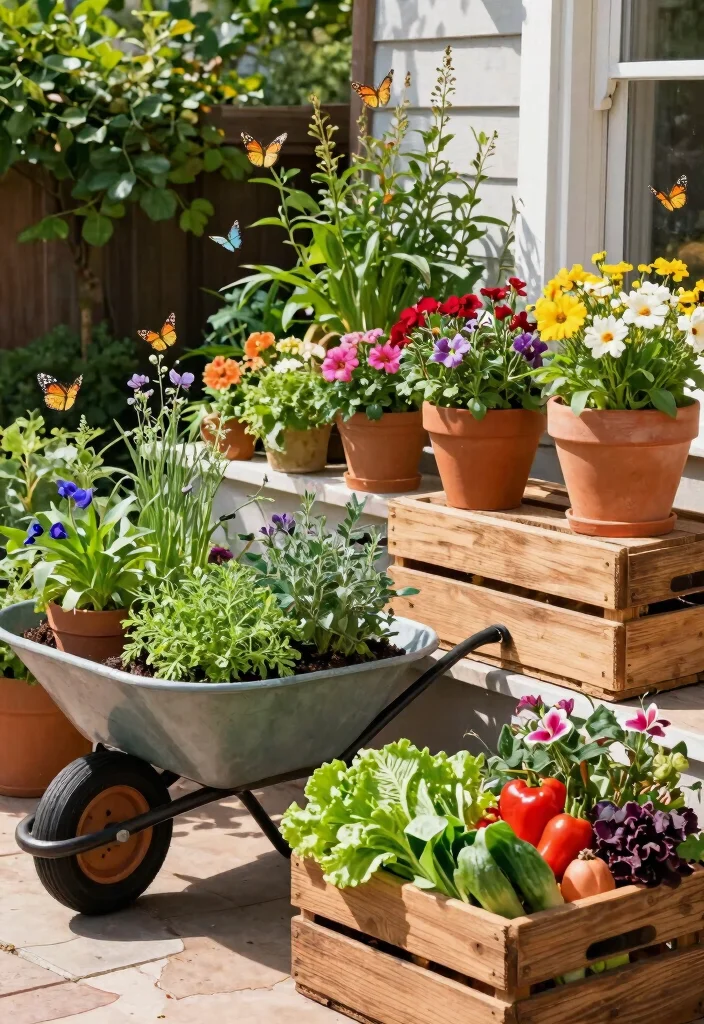
Dive into the world of container gardening, a fantastic approach to raised bed gardening, especially in space-constrained areas. Creative containers can range from traditional pots to repurposed items like old wheelbarrows or wooden crates. This method allows you to showcase your gardening style while providing the flexibility to grow various plants. Grouping different containers can create a lively display or use larger containers to simulate a mini raised bed effect.
To ensure your plants thrive, choose the right potting mix that promotes drainage and provides nutrients. Additionally, make sure your containers have proper drainage holes to prevent root rot, and consider grouping pots for an eye-catching ensemble.
Essential tips for container gardening:
– Select an appropriate potting mix for optimal growth.
– Ensure containers have drainage holes to prevent rot.
– Group pots for a cohesive and attractive display.
This approach allows you to express your creativity while producing beautiful blooms or delicious vegetables.
8. Edible Landscaping with Raised Beds
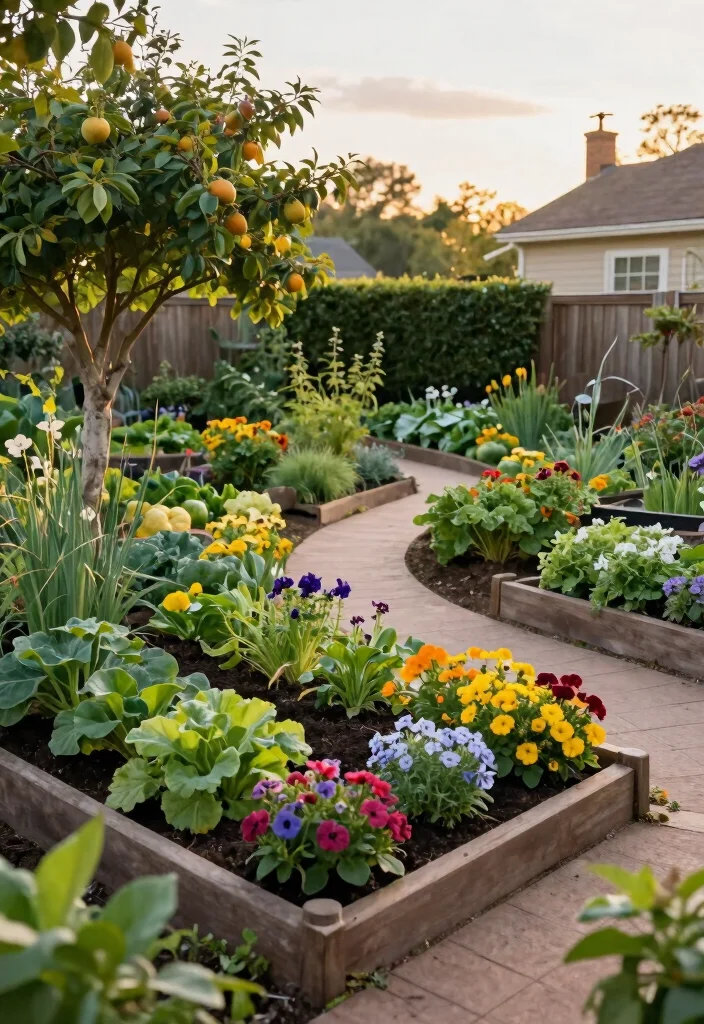
Transform your outdoor space into a stunning edible landscape using raised beds that merge aesthetics with utility! Edible landscaping incorporates fruits, vegetables, and herbs into your design, creating a beautiful setting while providing fresh produce. By integrating raised beds into your overall landscaping, you can achieve sections that are both functional and visually pleasing. Imagine colorful lettuces or ripe tomatoes growing alongside ornamental flowers for a striking appearance.
Consider combining vibrant vegetables with perennial flowers to ensure continual blooms or using low-maintenance herbs as ground cover. Incorporate pathways between beds for easy harvesting and maintenance, enhancing the overall gardening experience.
Creative ideas for edible landscaping:
– Mix colorful vegetables with flowering perennials for continuous blooms.
– Use low-maintenance herbs as decorative ground cover.
– Create pathways for easy access and harvesting.
This approach to gardening boosts sustainability and offers delicious home-grown ingredients right at your fingertips.
9. DIY Pallet Gardens
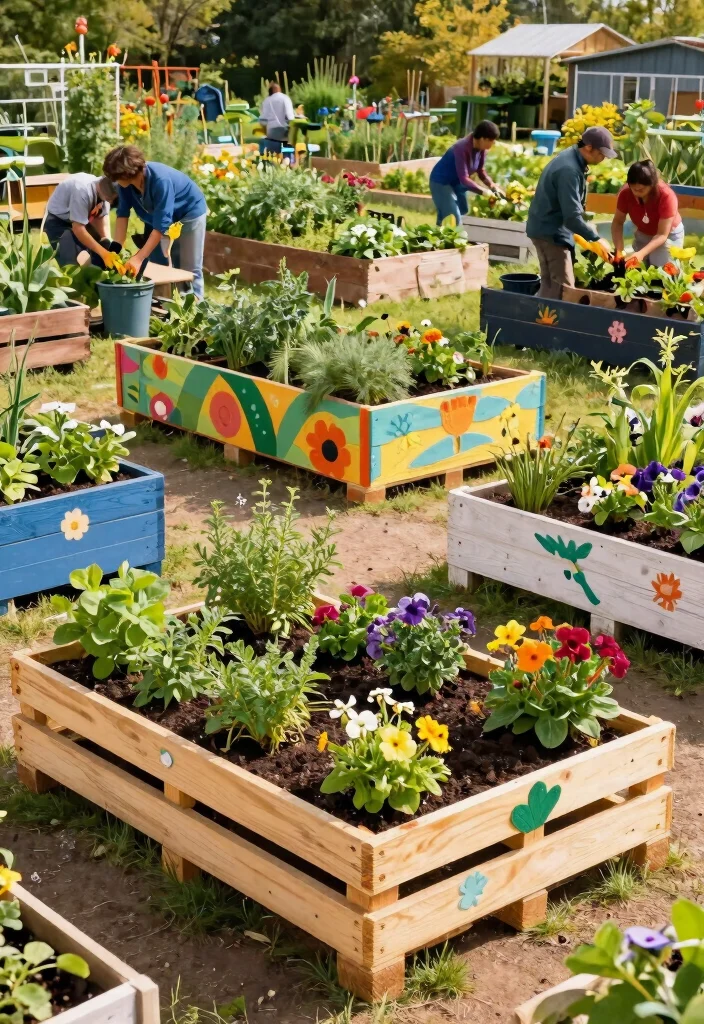
Breathe new life into old wooden pallets by creating DIY pallet gardens! This eco-friendly option is perfect for those seeking to explore raised bed gardening on a budget. Pallets can be filled with soil and plants, either arranged vertically or laid flat to create a unique raised structure. They’re ideal for growing herbs, strawberries, or colorful flowers, adding texture and charm to your garden.
To create a successful pallet garden, select a sturdy, untreated pallet to avoid any chemicals leaching into the soil. Line the pallet with landscape fabric to keep the soil contained and promote drainage, then fill it with quality soil for your chosen plants.
Steps to create a pallet garden:
– Choose a strong, untreated pallet for safety.
– Line with fabric to retain soil and aid drainage.
– Fill with quality soil and plant your favorites.
This sustainable gardening solution allows you to unleash your creativity while being mindful of your budget!
10. Raised Beds with Built-in Seating
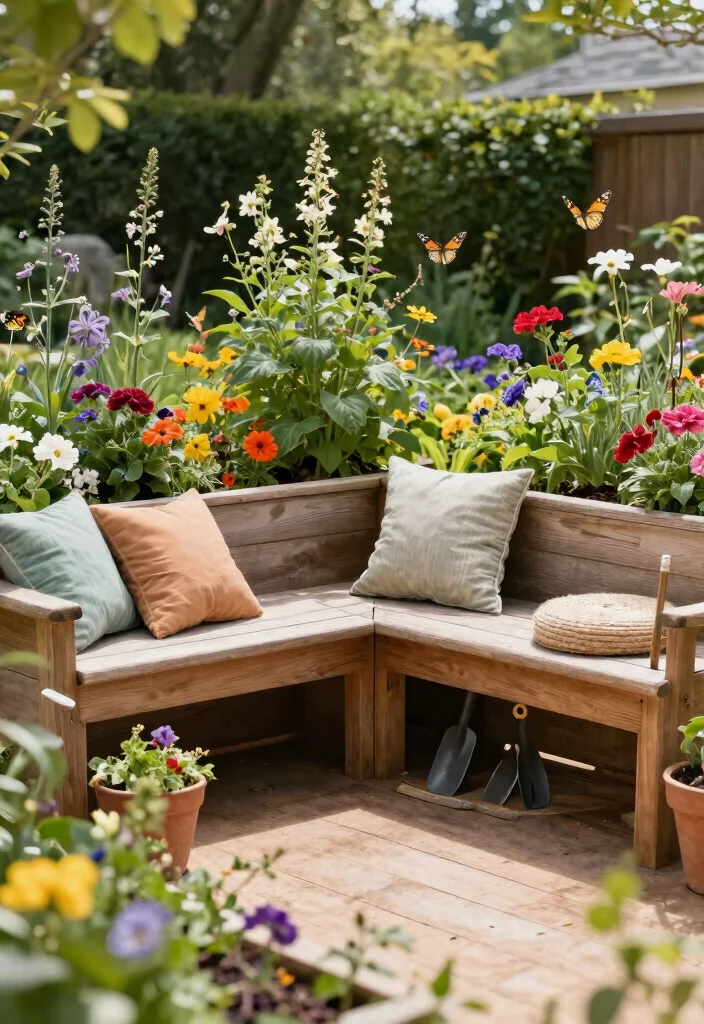
Merge functionality with comfort by incorporating raised beds that feature built-in seating! This innovative design creates a beautiful garden space while providing a cozy spot to sit and enjoy your surroundings. Ideal for small areas where every inch counts, these sturdy beds serve as both planting zones and relaxation areas.
When designing your raised beds with seating, ensure the seating height is comfortable for users. Select weather-resistant materials to enhance durability, and consider positioning the seats for scenic views of your garden, making it an inviting retreat.
Helpful tips for raised beds with seating:
– Ensure seating is at a comfortable height for enjoyment.
– Use durable, weather-resistant materials for longevity.
– Position seating for the best views of your garden.
This design not only beautifies your garden but also creates a perfect oasis for relaxation after a long day.
Did you know a raised bed with built-in seating can add functional square footage to a tiny yard? For small spaces, a 4×6 bed can serve as both planting space and a cozy bench, turning your raised bed garden ideas into extra living room.
11. Raised Bed with Storage Solutions
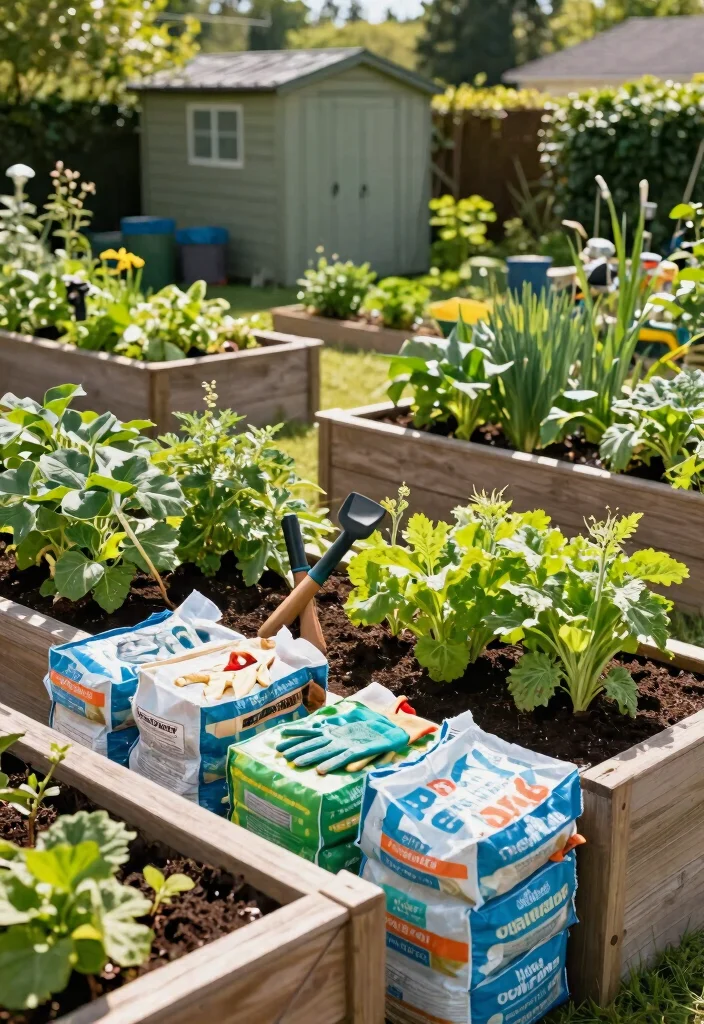
Keep your gardening tools organized and accessible with raised beds designed for storage! These innovative beds often feature compartments for stowing away tools, seeds, and gardening supplies right next to your planting area. This dual-purpose design simplifies your gardening experience, reducing clutter and eliminating the need for scattered storage solutions.
Utilize built-in drawers or shelves for easy access to essentials, allowing you to focus on nurturing your plants without distractions. Choose durable, weather-resistant materials to ensure the longevity of both the bed and storage features.
Key features to look for:
– Select robust materials that can withstand outdoor conditions.
– Consider a removable top for easy access to storage.
– Position the raised bed for seamless access while gardening.
With everything you need at your fingertips, you’ll spend less time searching for tools and more time enjoying your beautiful garden!
12. Multi-Purpose Raised Beds
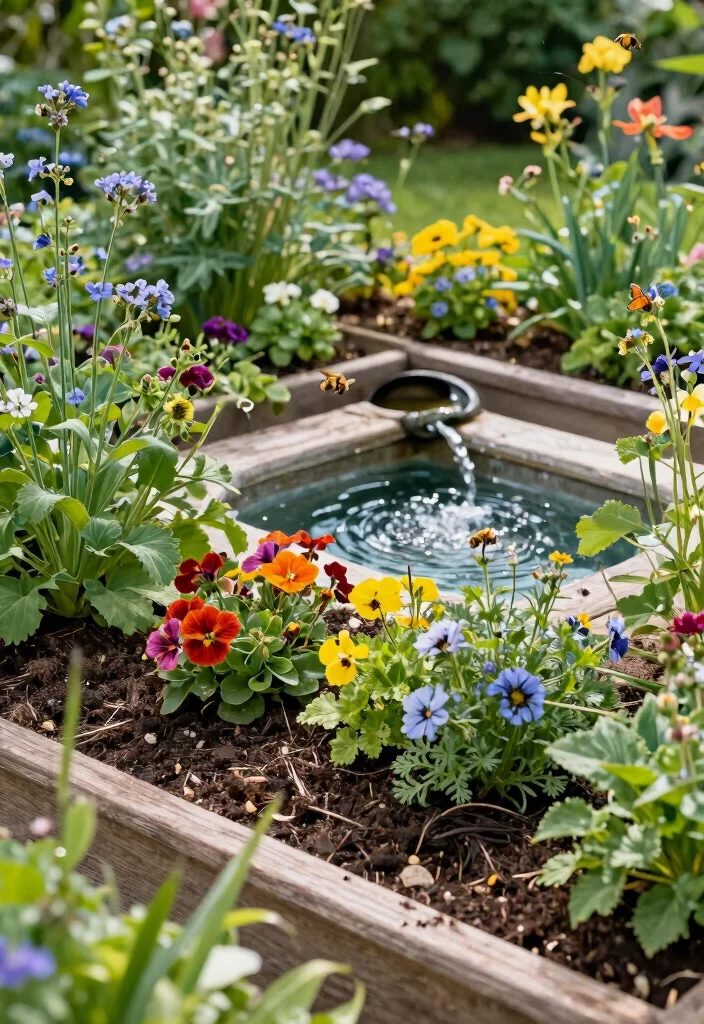
Why settle for a single purpose when you can have a garden that does it all? Multi-purpose raised beds combine gardening with additional features like water elements, compost bins, or habitats for wildlife. These versatile designs cater to various gardening needs while enhancing the overall beauty of your space. Adding a small pond within your raised bed layout can attract beneficial wildlife and create a serene focal point.
Incorporate a compost area into your design for healthy soil, or add a rainwater collection system to promote sustainability. Include plants that attract pollinators and beneficial insects to enhance the biodiversity of your garden.
Ideas for multi-purpose raised beds:
– Integrate a composting section to enrich your soil.
– Add a rainwater collection system for eco-friendliness.
– Include plants that draw in pollinators and beneficial insects.
Create a dynamic and productive garden that reflects your gardening aspirations and love for nature!
Conclusion
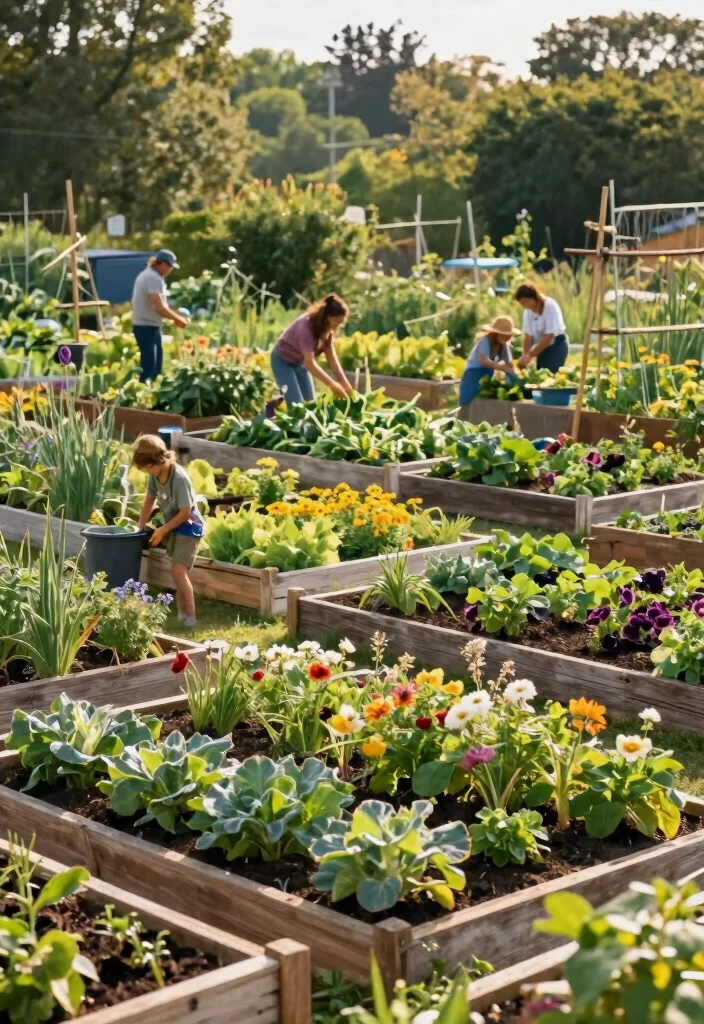
Raised bed gardening opens up a world of possibilities, regardless of the size of your outdoor space. From vertical solutions that save ground area to charming rustic designs, there is always a creative way to grow your garden.
Embrace the trends you’ve explored and tailor them to suit your backyard’s unique personality. Your garden can be both beautiful and productive, making it a delightful oasis for you and your family.
Note: We aim to provide accurate product links, but some may occasionally expire or become unavailable. If this happens, please search directly on Amazon for the product or a suitable alternative.
This post contains Amazon affiliate links, meaning we may earn a small commission if you purchase through our links, at no extra cost to you.
Frequently Asked Questions
What are the best raised bed garden ideas for small spaces?
Small spaces can still grow a beautiful, productive garden with clever raised bed garden ideas. For vertical appeal, try a vertical raised bed or wall-mounted planter, a tiered raised bed on a balcony, or repurpose a wooden ladder into a trellised greens wall. In tight corners, go with a corner raised bed or modular planters that stack. Use tall, narrow beds and container gardening solutions in a single footprint to maximize sun exposure. The key is accessible design, good soil, and smart companion plantings to boost vegetable garden design in a small space.
How can I maximize yield in a raised bed for a compact area?
Focus on high-yield varieties, vertical supports, and careful spacing. Implement raised bed gardening tips like: fill beds with a rich, well-draining soil mix (topsoil + compost + aged manure), plant in dense, staggered succession, train climbers on trellises, rotate crops to keep soil healthy, and mulch to conserve moisture. Add drip irrigation or a soaker system to save space and water. This boosts output in small space gardening setups and aligns with vegetable garden design goals.
What materials work best for vertical raised beds in tiny spaces?
Choose durable, rot-resistant wood like cedar or redwood, or lightweight metals and recycled composites for longevity. For vertical panels, use lattice panels, pocket planters, or fabric container gardening solutions that fit a balcony. Ensure good drainage, a sturdy frame, and easy access. Consider a waterproof liner if needed and removable panels for maintenance. These choices are practical for raised bed garden ideas in small spaces.
Can I combine container gardening with raised beds for a complete small-space setup?
Absolutely. Use raised beds as the backbone of your garden design and sprinkle in portable containers on patios or railings. Opt for container gardening solutions that fit your climate, with matching soil mixes and irrigation. Use drip systems or watering cans, choose compact varieties, and keep a cohesive look with matching colors or materials for a strong backyard landscaping ideas vibe. It’s a great way to maximize small space gardening while keeping your vegetable garden design cohesive.
How do I plan a cohesive backyard landscape using different sized raised beds?
Start with a layout map: allocate sun/shade, assign bed sizes (small, medium, large) for different crops, create pathways, and use edging to unify the spaces. A mix of square, rectangular, and tiered beds gives raised bed garden ideas variety without clutter. Use color and materials that echo your home and add climbing trellises to link beds. Think about irrigation, soil health, and seasonal changes to support thoughtful backyard landscaping ideas and vegetable garden design.
Related Topics
raised bed gardening
small space gardening
vertical gardening
backyard landscaping
container gardening
vegetable garden design
easy gardening tips
beginner friendly
DIY garden solutions
urban gardening
sustainable gardening
seasonal gardening