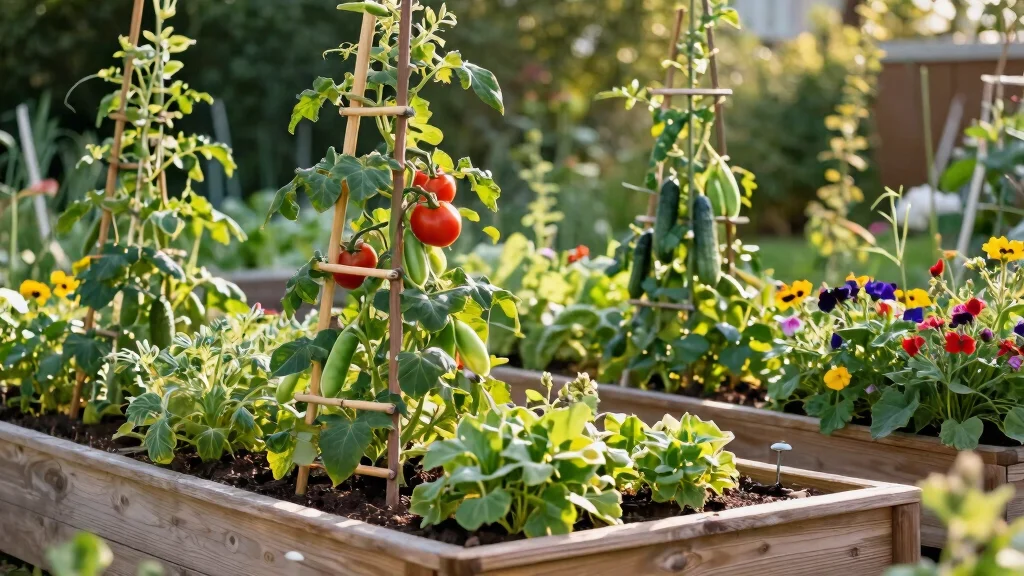
Creating a raised bed garden with a trellis opens up a world of possibilities for your gardening experience. As the growing season approaches, many of us start to dream about our outdoor spaces. The idea of bountiful vegetables climbing skyward, taking up less ground space, and adding an aesthetic touch to our gardens is truly exciting. This post came about because I want to share effective and creative vertical gardening ideas that can enhance your raised beds and make your gardening journey even more enjoyable.
If you’re someone who loves gardening, especially in limited space, you’re in the right place. Whether you live in an apartment with a small balcony or have a backyard that needs some sprucing up, these ideas are tailored for you. You’ll find innovative trellis designs that not only support your plants but also add character to your space. These options are perfect for anyone wanting to maximize their vegetable yield while keeping their garden visually appealing.
In this guide, you’ll discover twelve unique raised bed garden ideas with trellises that enable vertical growing. From DIY projects to elegant designs, each idea will inspire you to think outside the box. You’ll learn how to create your own trellis using various materials, optimize your garden layout, and grow a diverse range of vegetables that thrive in a vertical environment. Get ready to dive into a world where gardening meets creativity!
Key Takeaways
– Explore twelve innovative raised bed garden ideas featuring trellises designed to maximize vertical space for growing vegetables.
– Discover a variety of trellis designs that suit different gardening styles, including rustic, modern, and budget-friendly options.
– Learn practical tips for constructing your own DIY trellis projects, making it easy to support climbing plants.
– Gain insight into space-saving solutions that will help you grow a diverse range of vegetables, even in compact areas.
– Find inspiration for creating a garden that combines both edible and ornamental plants, enhancing the beauty of your outdoor space.
Recommended Products
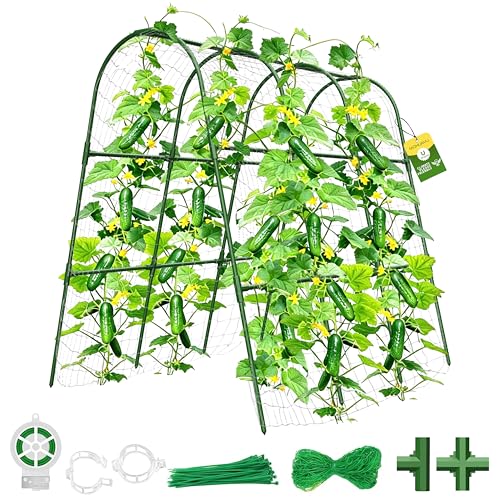
【U-Shape Stability Structure 】 U-frame trellis is more stable than A-frame trellis. Allowing you to plant a row on both sides. The arch design maximizes the garden space.

【U-Shape Stability Structure 】 U-frame trellis is more stable than A-frame trellis. Allowing you to plant a row on both sides. The arch design maximizes the garden space.

Adjustable U Shape Garden Trellis: Measures 65 in L x 48 in H with 16 to 26 in adjustable width. Fits raised beds, planter pots, patios and yard layouts, creating a vertical plant support frame for peas, vegetables, grape vines and other climbing plants.
1. Rustic Wooden Trellis for Climbing Beans
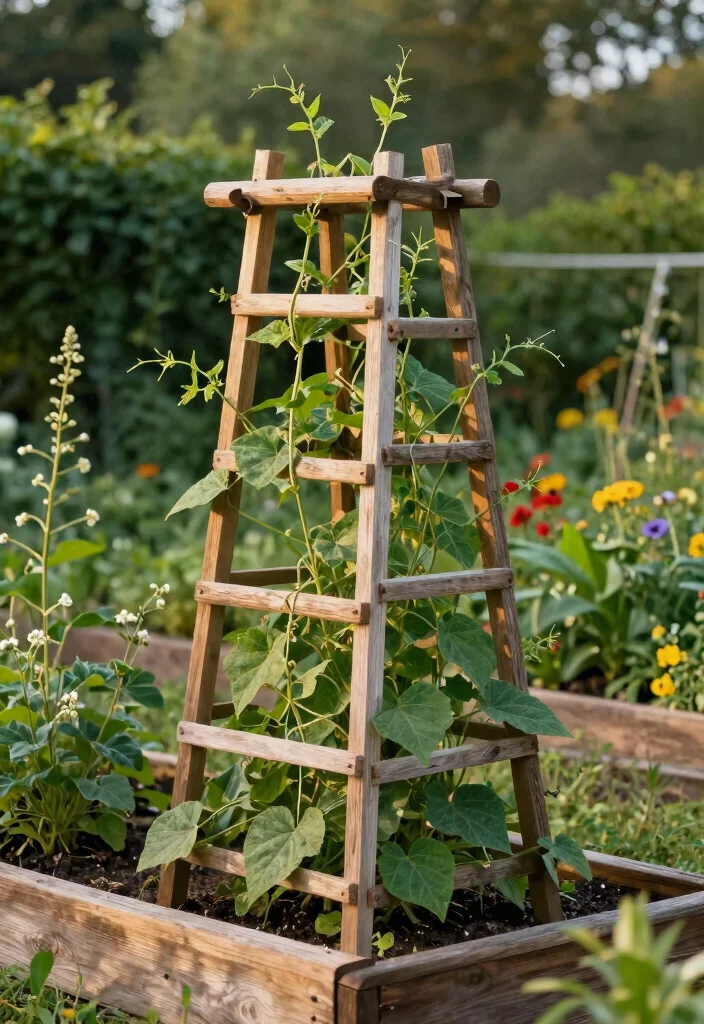
If you’re dreaming of a garden that’s both beautiful and productive, a rustic wooden trellis for climbing beans is your answer. This charming structure not only supports your plants but also enhances your garden’s aesthetic. Watch as the beans elegantly twine up, creating a lush green vista that delights the senses.
Begin with untreated cedar or pine, which naturally blends into your garden. Position the trellis at one end of your raised bed and encourage your beans to grow upwards. Adding a drip irrigation system ensures your plants stay hydrated and healthy as they flourish.
Key Tips:
– Select a trellis at least six feet tall for optimal growth.
– Space beans adequately to allow for air circulation.
– Companion plant with herbs like basil to deter pests.
With this rustic wooden trellis, your climbing beans will thrive while serving as a stunning focal point in your garden.
2. Triangle Trellis for Space Optimization
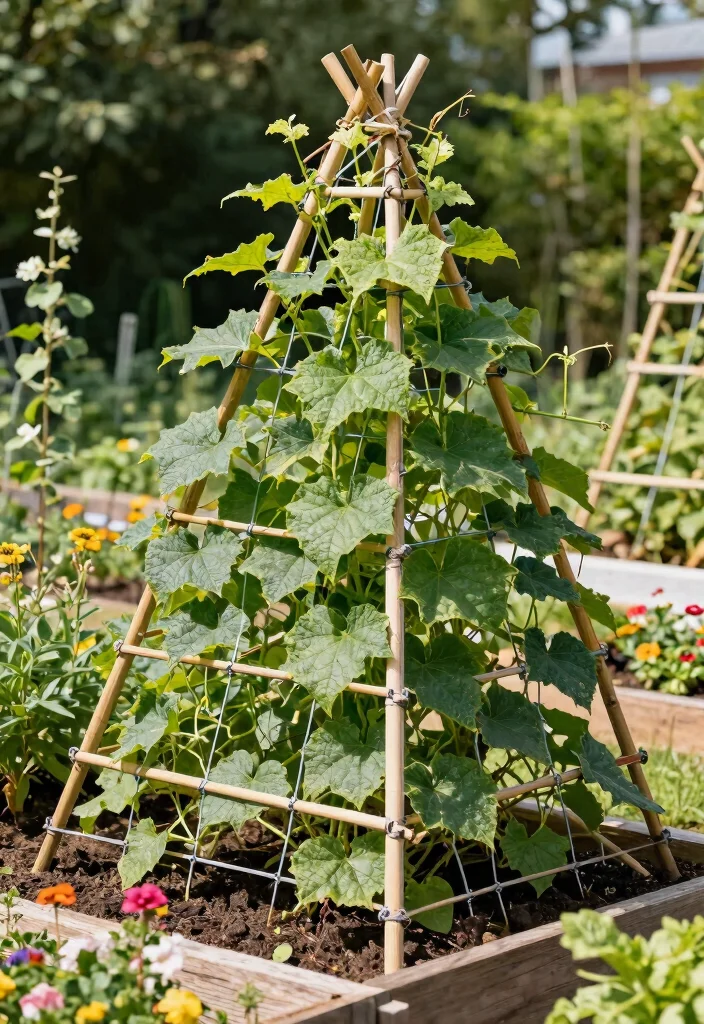
Elevate your vertical gardening with a triangle trellis that expertly maximizes space in your raised bed. This innovative design encourages plants to grow both upwards and outwards, creating a striking visual appeal.
Place the trellis in the center of your raised bed, allowing vines to spread freely. Opt for fast-growing plants like cucumbers or melons that thrive with this extra room.
Unique Insights:
– A triangular shape offers stability against harsh winds.
– Mix materials like bamboo and wire for a unique look.
– Align your color scheme with plants and the trellis for visual harmony.
This triangle trellis not only conserves space but also garners admiration from fellow garden lovers.
Fun fact: a triangle trellis can boost vertical growing space by up to 40% in a raised bed garden with trellis, giving vines room to spread without crowding. Place it center for stability, and choose fast-growers like cucumbers to maximize yields.
Recommended Products

Our Polyethylene netting is an affordable alternative to traditional wire mesh. UV stabilized Polyethylene is lightweight, practical, and encourages growth. Miuezuth engineered it to be strong enough to support melons, yet safe enough for the most delicate leaves and stems. This netting improves air circulation, exposure to the sun, and use of space. This trellis netting ensures that your plants stay healthy, which increases their yield.

Trellis Netting Polyester Nylon: Our trellis netting is made of durable polyester nylon materials,strong and durable, not easy to break, reusable,can support extremely heavy crop loads, protect plants from damage, able to grow vertically

Built to Last : The trellis netting made from nylon materials, this green trellis net is designed to perform well under different weather conditions, from strong sunlight to heavy rainfall. It maintains its function and structure throughout the growing season, ensuring your plants are well-supported
3. DIY Pallet Trellis for a Budget-Friendly Option
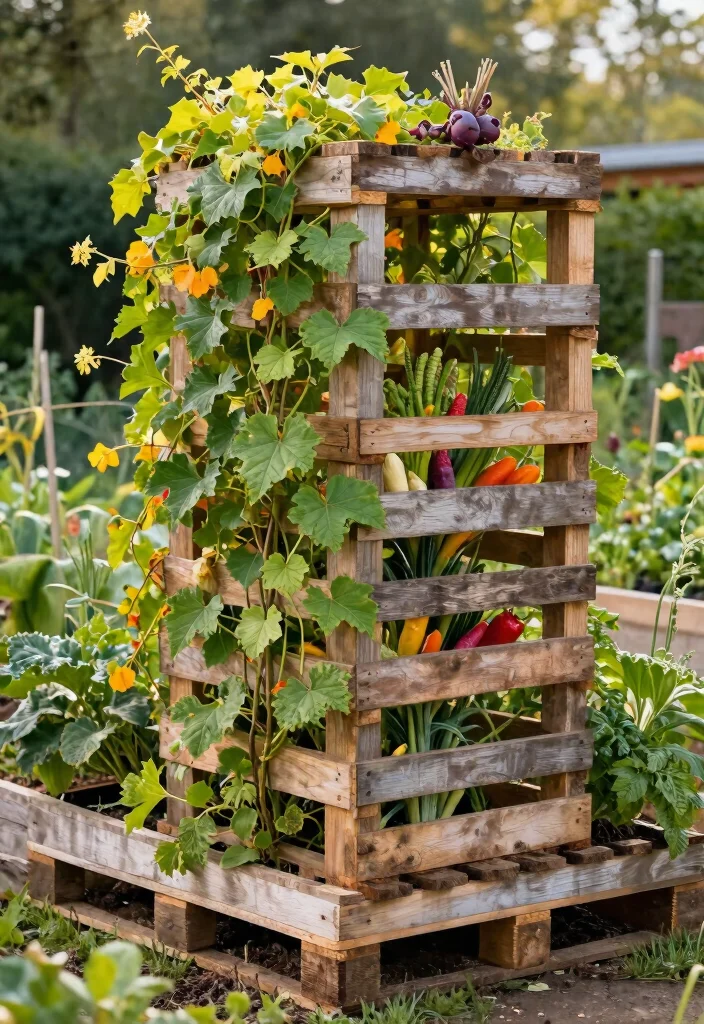
If you’re looking to save money while gardening, a DIY pallet trellis is a fantastic choice. With a few repurposed pallets, you can craft an attractive structure that supports various climbing plants.
Secure the pallets vertically against your raised beds, ensuring they are stable. This design not only allows easy access to your plants but also adds rustic charm.
DIY Tips:
– Sand pallets to avoid splinters.
– Secure with nails or screws for stability.
– Personalize with paint or stain for a unique touch.
This pallet trellis not only supports your garden but showcases your creativity, making it a delightful centerpiece.
Recommended Products

All-in-One Planting Kit – This kit includes a durable A-frame trellis, 1* large-capacity plant grow bag with 3 compartments, 1* climbing net, 1* twist ties(20m), 30*garden clips, 30*green ribbons, and a pair of gloves, providing a complete planting solution.

Space-Saving Tomato Planter with Trellis: Integrated with rust-resistant stainless steel rods that support tomatoes, cucumbers, beans, and climbing plants; the planter box has 10.6 x 10.6 x 7.3 inch internal dimensions and can hold 3.5 gallons of soil, ideal for patios, balconies, decks, and small gardens

Assembles in Minutes, No Tools or Frustration - Say goodbye to complicated setups. Our A-frame trellis includes easy-connect joints and step-by-step instructions for fast, hassle-free assembly for plant trellis
4. Arched Trellis for Elegant Climbing Roses
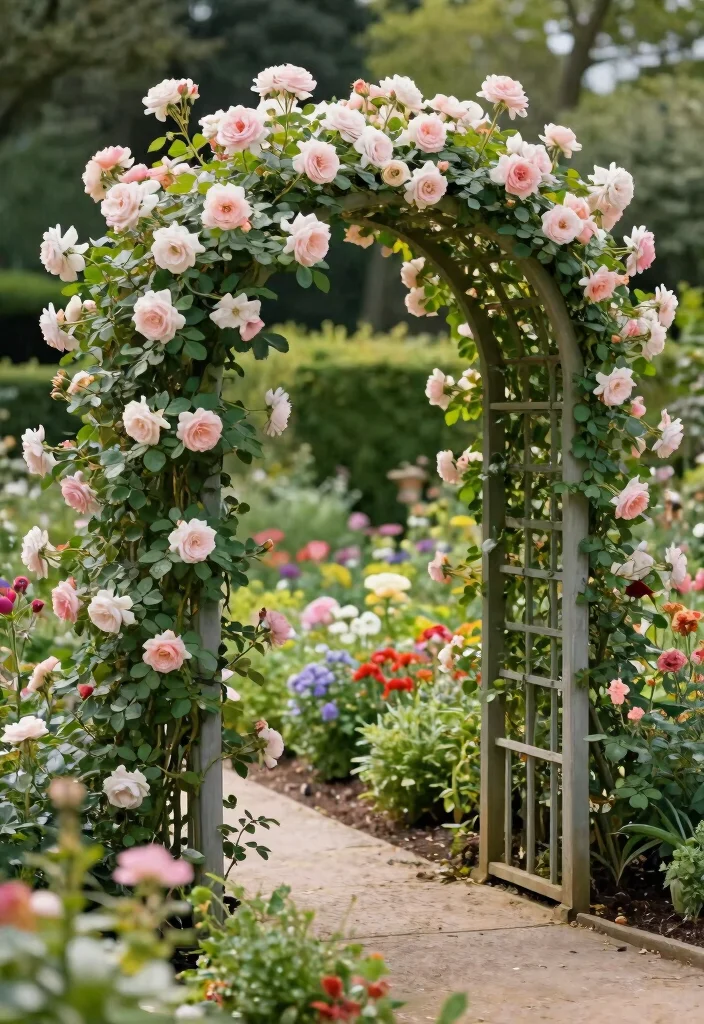
Introduce elegance to your raised bed garden with an arched trellis designed especially for climbing roses. This stunning structure not only supports your roses but also creates a breathtaking entry point.
Plant fragrant climbing roses at the base and watch them gracefully arch over, enhancing your garden’s romantic vibe. Mix different varieties for layers of color and scent.
Key Considerations:
– Opt for durable materials like wrought iron for lasting beauty.
– Companion plant with lavender for a lovely fragrance and pest control.
– Regular pruning promotes healthy growth and abundant blooms.
With an arched trellis, your garden transforms into a floral spectacle that every garden enthusiast will admire.
5. Vertical Grid Trellis for Diverse Vegetables
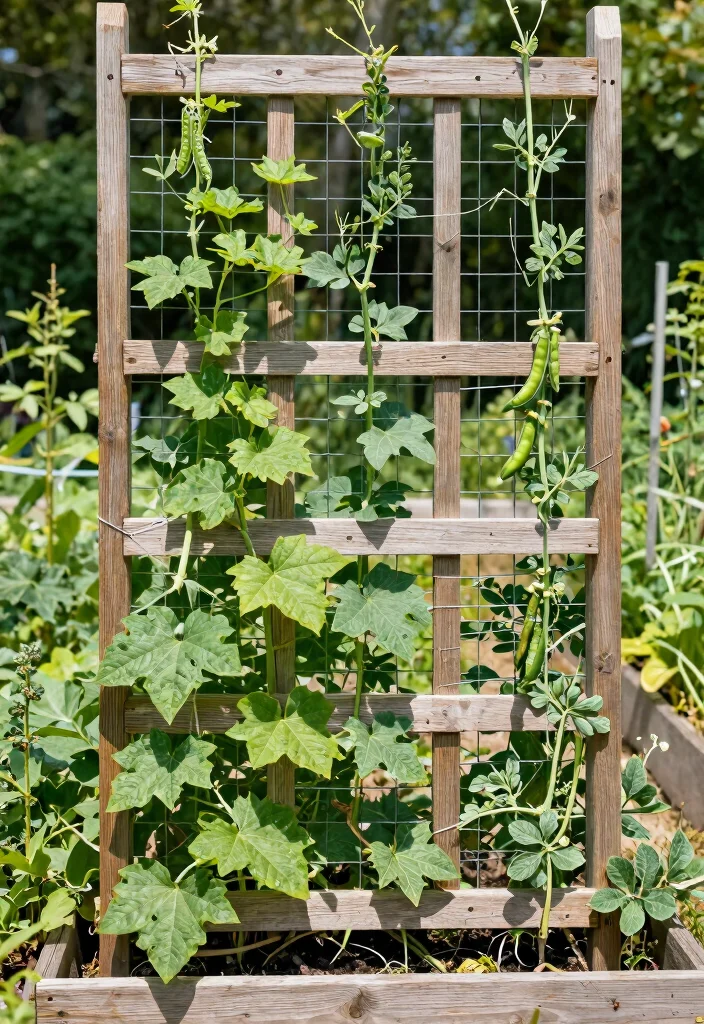
For those eager to grow a variety of vegetables vertically, a vertical grid trellis is the perfect solution. This design allows multiple plants to thrive in an organized manner, making maintenance a breeze.
Create a grid with wooden planks and wire mesh, designating sections for climbing veggies like peas and squash. This setup not only keeps your garden tidy but also maximizes sunlight exposure.
Gardening Tips:
– Space vegetables properly to prevent overcrowding.
– Use twine to guide young plants onto the trellis.
– Regularly inspect for pests, as the grid facilitates monitoring.
With a vertical grid trellis, your garden will flourish while maintaining a neat appearance and producing a variety of fresh vegetables.
6. Circular Trellis for a Unique Touch
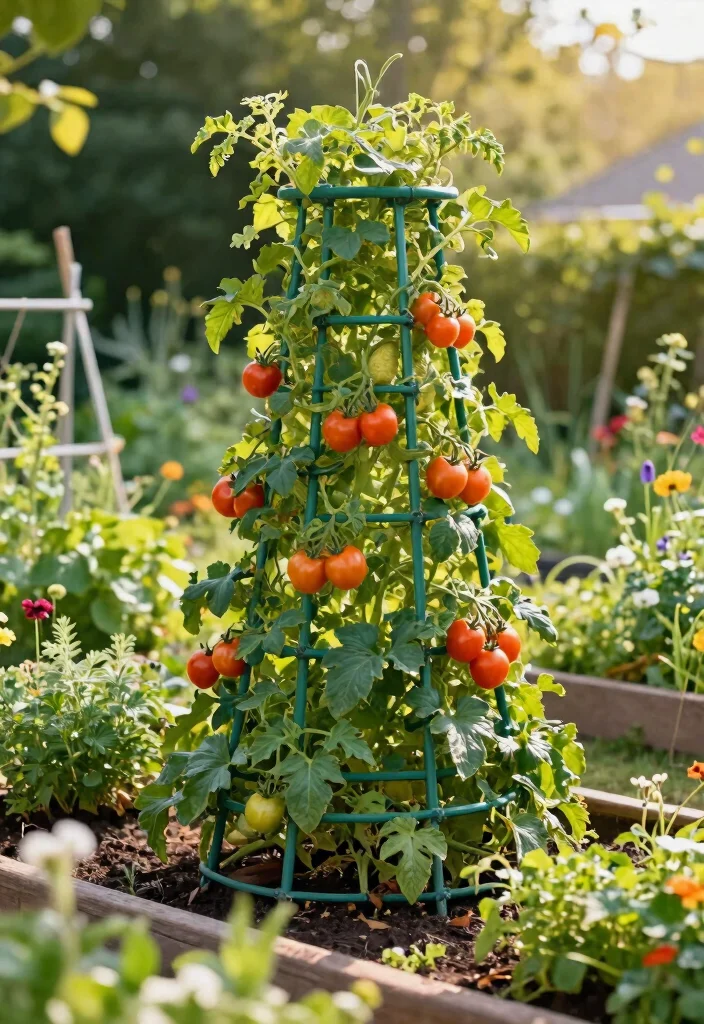
Add a distinctive flair to your garden with a circular trellis that combines functionality with visual appeal. This design promotes 360-degree growth, making it perfect for vining plants.
Place your circular trellis in the center of the raised bed, encouraging tomatoes and melons to spiral upwards. This allows for easy harvesting from all angles while showcasing your plants’ beauty.
Pro Tips:
– Choose sturdy materials like heavy-duty PVC for support.
– Plant companion herbs around the base for added flavor and pest deterrence.
– Ensure the trellis is tall enough for your plants to thrive.
With a circular trellis, your garden can become a captivating display of growth and creativity.
Recommended Products

【U-Frame Stability Structure】U-shape cucumber trellis is more stable than the A-shape trellis. The arch design provides climbing plants with a stable surface and maximizes the garden space.


7. Retractable Trellis for Flexibility
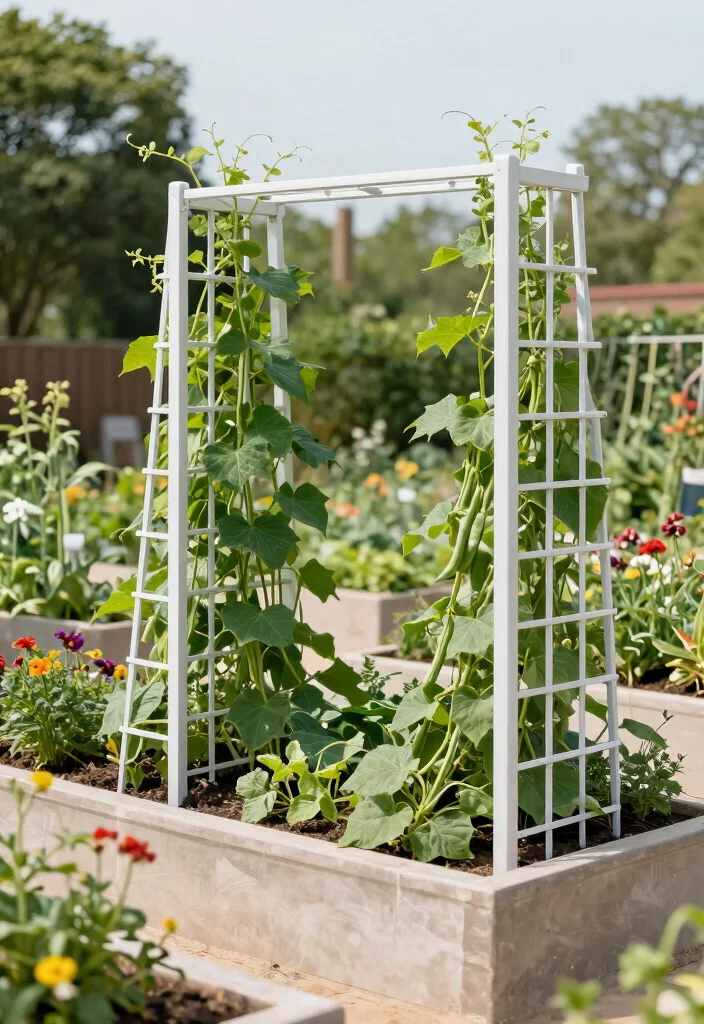
Experience unmatched flexibility with a retractable trellis that adapts to your gardening needs throughout the seasons. This clever design allows you to extend or retract the trellis based on your space and planting requirements.
Install an easy-to-adjust retractable system, letting climbing vegetables like beans or peas take advantage of vertical space as needed. When they finish producing, simply retract the trellis to make room for other plants.
Key Features:
– Use lightweight materials for effortless extension.
– Integrate a pulley system for smoother operation.
– Ensure the base is sturdy to support climbing plants.
With a retractable trellis, you’re creating a dynamic garden space that evolves with your planting seasons.
Did you know a retractable trellis can double usable trellis space in a compact raised bed garden with trellis? Extend it for beans or peas, then retract to free room for leafy greens—seasonal flexibility you can actually use.
8. A Frame Trellis for Maximum Support
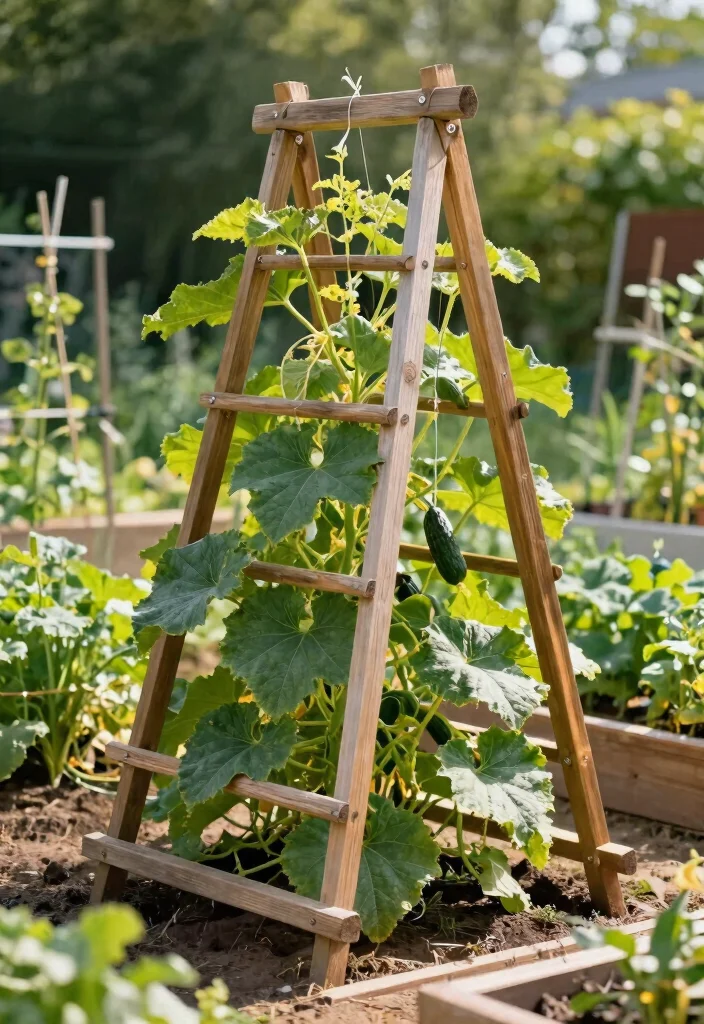
An A-frame trellis offers maximum support for heavy-bearing plants like squash and cucumbers. Its design ensures strong stability while maximizing vertical space in your raised bed garden.
Construct your A-frame from sturdy wooden beams, anchoring it securely. This broad base creates a strong foundation for your climbing plants, allowing them to stretch toward the sun.
Support Tips:
– Use jute or wire to guide plants onto the trellis.
– Maintain proper spacing for airflow and prevent mildew.
– Regularly check for pests and diseases.
With an A-frame trellis, your heavy fruits will be well supported, letting you enjoy a plentiful harvest without concerns.
Fun fact: An A-frame trellis can boost vertical yield by up to 40% in a raised bed garden with trellis—perfect for squash and cucumbers. Secure a broad base and guide vines with jute for steady growth.
9. Trellis Wall for Small Spaces
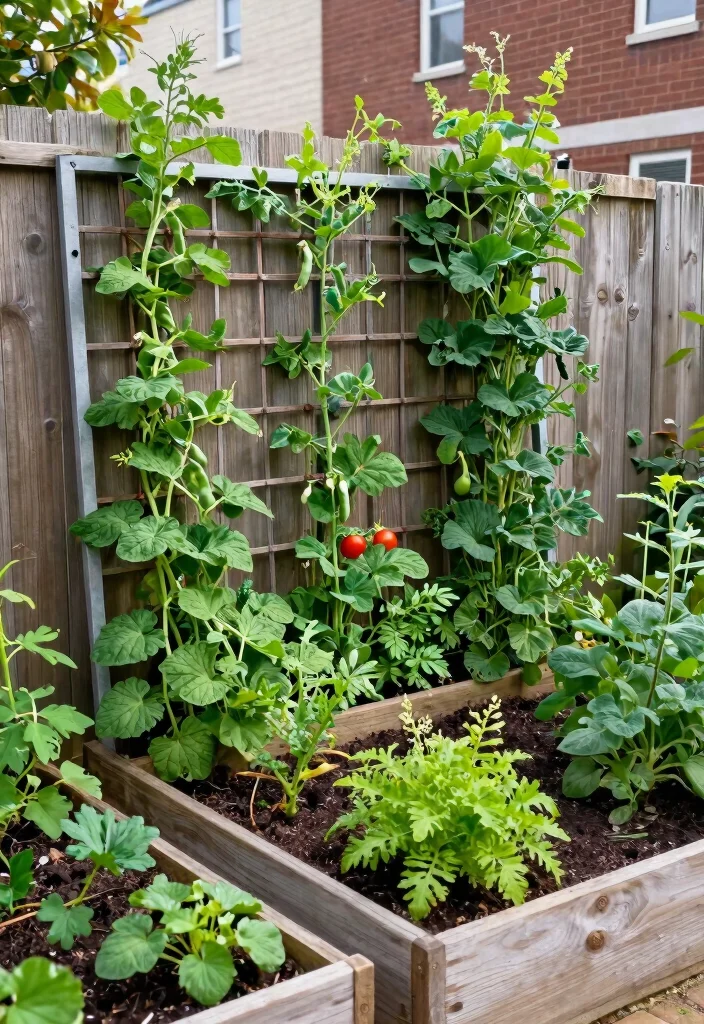
Short on space? A trellis wall is a fantastic way to create a vertical garden without occupying much ground area. By attaching a trellis to an existing wall or fence, you can grow plants upwards, saving valuable space.
This setup is perfect for climbing vegetables like peas and tomatoes, which thrive even in tight spots.
Space-Saving Tips:
– Make sure the wall receives ample sunlight for growth.
– Consider adding vertical planting pockets for herbs alongside the trellis.
– Regularly maintain plants to prevent overcrowding.
A trellis wall is the ideal solution for urban gardeners, combining functionality with stylish design.
Key Trade-offs & Our Top Pick
Option 1: Rustic Wooden Trellis
– Pros:
– Adds a charming, natural look to your raised bed garden.
– Provides good support for climbing plants like beans and peas.
– Cons:
– May require maintenance to prevent rot.
– Initial cost can be higher than other materials.
– Best for: Those looking for an aesthetic appeal while supporting vegetation.
Option 2: DIY Pallet Trellis
– Pros:
– Inexpensive and eco-friendly, using recycled materials.
– Easy to customize based on your garden’s size and style.
– Cons:
– May not be as sturdy as other options, especially with heavy plants.
– Requires some DIY skills to assemble.
– Best for: Gardeners on a budget or those who enjoy hands-on projects.
Option 3: A-Frame Trellis
– Pros:
– Offers maximum support for larger plants, like cucumbers and squash.
– Easy to assemble and can be moved around your garden.
– Cons:
– Takes up more space than vertical options.
– Limited aesthetic appeal compared to decorative trellises.
– Best for: Gardeners focusing on high-yield vegetable production.
Option 4: Vertical Grid Trellis
– Pros:
– Ideal for a variety of vegetable types, from tomatoes to peas.
– Easy to install and provides a tidy look to your garden.
– Cons:
– May require additional support for larger, heavier plants.
– Can be challenging to find pre-made versions that fit your garden size.
– Best for: Busy gardeners who appreciate organization and efficiency.
Expert Recommendation:
Best Overall: Rustic Wooden Trellis
The rustic wooden trellis is our top pick because it combines beauty with functionality. It’s strong enough to support most climbing plants, and the natural wood blends seamlessly into any garden style. While it may need occasional upkeep, its durable construction ensures a long life, making it a great value for money. Plus, its classic look enhances the overall aesthetic of your garden.
Why We Picked This:
We recommend the rustic wooden trellis for most gardeners due to its balance of style and practicality. If you’re looking for something budget-friendly, consider the DIY pallet trellis. For those prioritizing plant support, the A-frame design might be the best fit. Each option serves different needs, ensuring that every gardener can find a trellis solution that works best for their raised bed garden.
10. Spiral Trellis for Added Flair
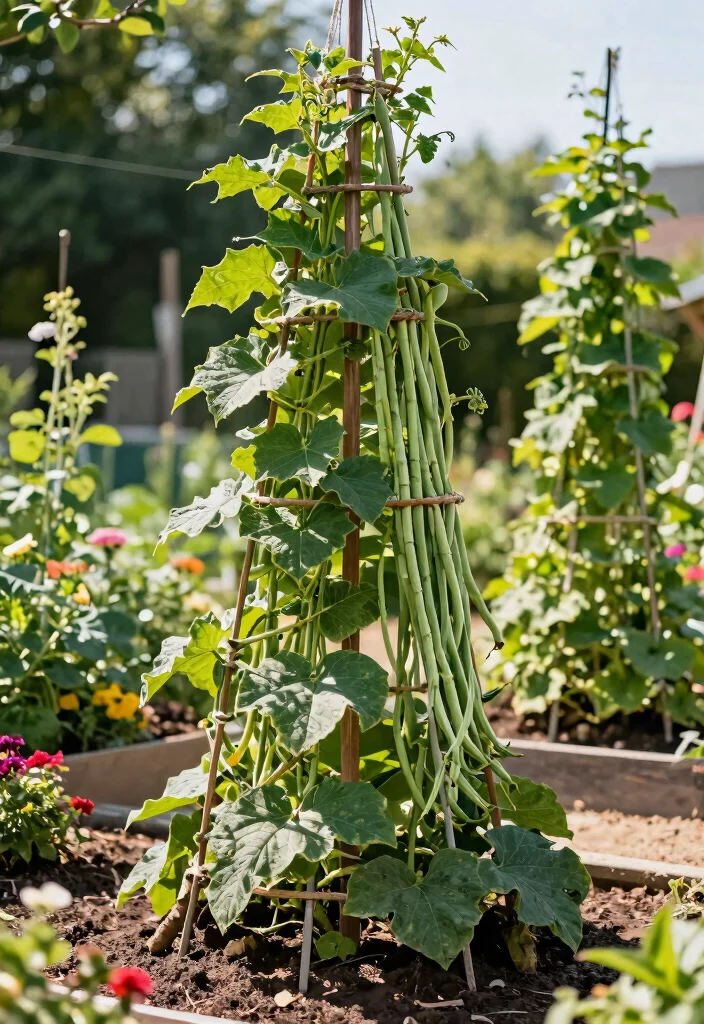
Introduce a spiral trellis to your raised bed garden for a touch of creativity and flair. This design allows plants to grow in a unique spiral pattern, creating a stunning visual effect. Perfect for sweet potatoes or pole beans, the spiral shape provides ample growing space while conserving ground area.
Construct the trellis using sturdy stakes and twine, forming an upward spiral. As your plants climb, they will create an impressive and eye-catching display.
Design Tips:
– Select materials that complement your garden style.
– Ensure the base is heavy enough to support growing plants.
– Add colorful annuals at the base for enhanced beauty.
With a spiral trellis, your vertical garden will capture attention, making gardening an enjoyable and artistic pursuit.
11. Green Wall Trellis for a Modern Touch
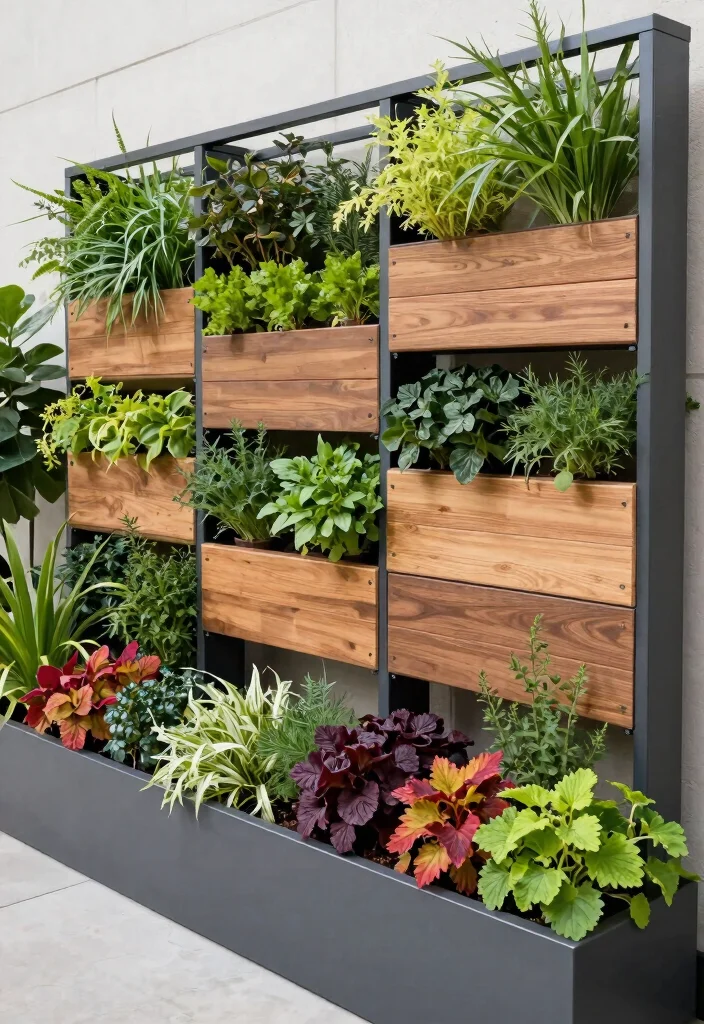
Infuse modern design into your raised bed garden with a green wall trellis. This contemporary concept utilizes vertical panels that support climbing plants and serve as a living wall. Suitable for herbs, vegetables, and decorative plants, this design adds sophistication to any garden.
Create panels from various materials, such as metal or treated wood, integrating planting pockets for herbs or seasonal favorites.
Modern Garden Tips:
– Use self-watering pockets to reduce maintenance.
– Incorporate diverse plants for visual interest and functionality.
– Position the trellis to capture sunlight effectively.
A green wall trellis combines style and practicality, offering a refreshing approach to vertical gardening.
12. The Multi-Functional Trellis for Edible and Ornamental
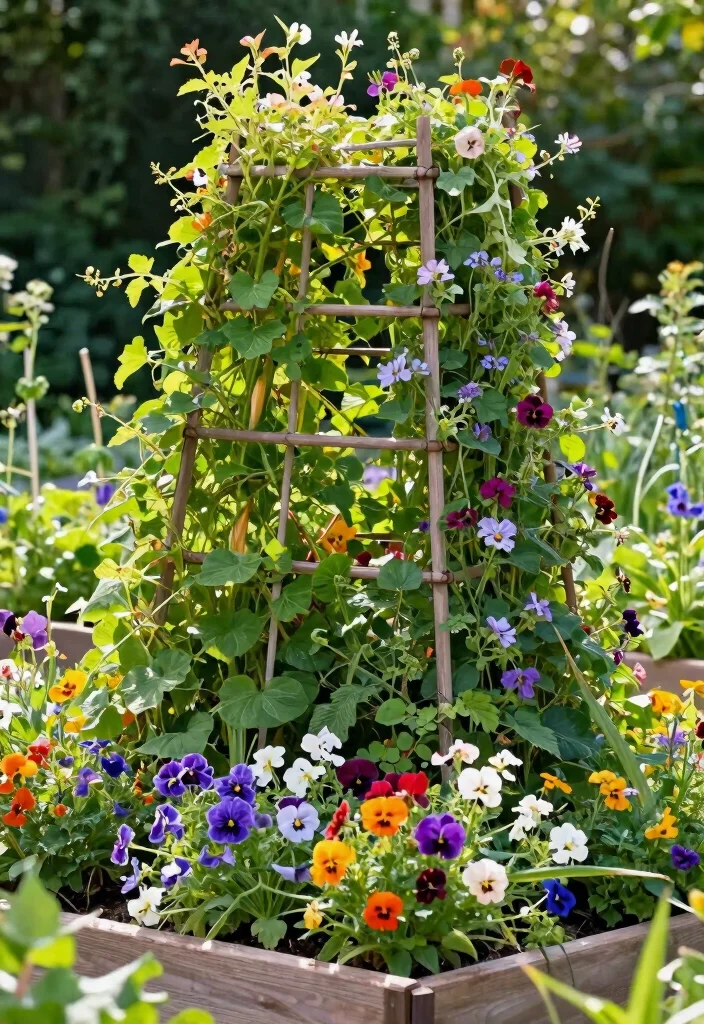
Combine beauty and utility with a multi-functional trellis that supports both edible and ornamental plants. This design allows you to cultivate a visually stunning garden while maximizing your vegetable yield.
Incorporate climbing flowers like nasturtiums or sweet peas alongside vegetables like cucumbers. This blend not only enhances the garden’s beauty but also attracts beneficial pollinators.
Combination Tips:
– Plan your layout for optimal bloom and harvest cycles.
– Regularly check for pests affecting both edible and ornamental plants.
– Utilize organic fertilizers to ensure healthy growth.
With a multi-functional trellis, your garden becomes a productive and visually pleasing space, providing joy and sustenance.
Conclusion
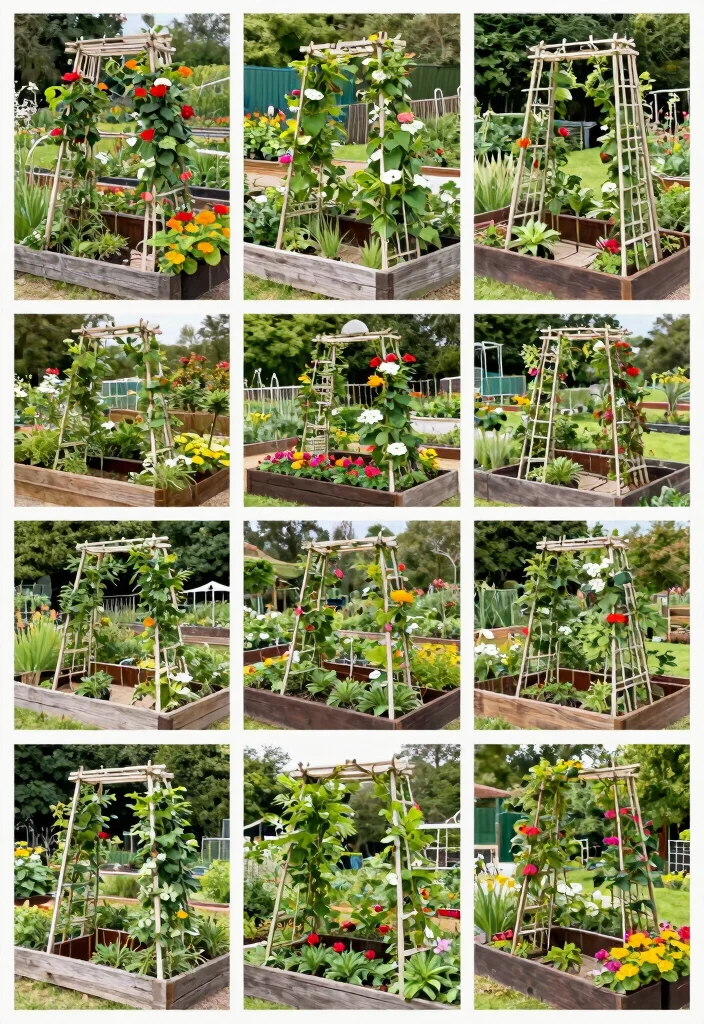
Elevating your gardening experience is easier than ever with these twelve raised bed garden ideas featuring trellises for vertical growing. Each concept not only enhances the aesthetics of your garden but also maximizes space, allowing you to grow a variety of vegetables, herbs, and flowers in a limited area.
Whether you opt for a rustic wooden trellis or a modern green wall, the options are as varied as the plants you can cultivate. Dive into your gardening adventure, and let these ideas inspire you to transform your garden into a vertical paradise.
Note: We aim to provide accurate product links, but some may occasionally expire or become unavailable. If this happens, please search directly on Amazon for the product or a suitable alternative.
This post contains Amazon affiliate links, meaning we may earn a small commission if you purchase through our links, at no extra cost to you.
Frequently Asked Questions
Question: What are the best trellis designs for a raised bed garden with trellis?
Choosing the right trellis design is key to successful vertical growing in a raised bed.
Popular options include an A-frame trellis for support and portability, a lattice panel mounted on the bed edge, a freestanding tepee or obelisk for vines, and sturdy cattle-panel or hardware-cloth setups for heavier crops.
For small spaces, a netting or wire-mesh system stretched along a simple frame works great.
These trellis designs for vegetables turn a regular raised bed into a productive raised bed garden with trellis.
Question: How can I maximize space in a raised bed garden with trellis for vertical growing?
To squeeze more production from a raised bed garden with trellis, run the trellis along the north side to prevent shading, then train tall crops upward.
Choose vertical varieties like pole beans, cucumbers, and tomatoes, and pair them with quick-maturing greens or herbs at the base for vertical gardening ideas.
Use space between rows for intercropping and plant succession crops so the bed stays productive all season.
With thoughtful layout, you get maximum yield from a compact footprint—perfect for space-saving garden solutions.
Question: What materials are best for DIY trellis projects in a raised bed garden with trellis?
For DIY projects, select durable, food-safe materials.
Cedar or redwood resist weather and rot, and you can seal treated wood or use weatherproof finishes for longer life.
Metal options like galvanized steel or aluminum offer strength with less maintenance.
For crisp ventilation, add a mesh like hardware cloth or galvanized wire mesh.
If budget is tight, simple PVC frames work, but avoid pressure-treated lumber touching edible crops.
A well-built frame makes your raised bed gardening tips come to life in a raised bed garden with trellis.
Question: How do I install a trellis in a raised bed for tomatoes or cucumbers?
Start by mapping where the trellis will go along the bed edge and mark anchor points.
Secure lightweight posts or stakes at least 12-18 inches into the soil (or into the surrounding frame) to prevent wobble.
Attach the trellis panels, wire, or netting to the posts, then guide new growth onto the structure with soft ties or plant clips as they grow.
For tomatoes, prune and train to keep growth vertical, and for cucumbers and beans periodically tie main vines to the trellis to maximize airflow and fruit set.
This is a practical way to support a raised bed garden with trellis.
Question: What maintenance tips keep a raised bed garden with trellis productive all season?
Keep the system productive with regular care.
Water consistently at the base to avoid wetting foliage, and mulch to conserve moisture and suppress weeds.
Check trellis connections weekly and tighten or replace loose ties as plants grow.
Fertilize or amend soil with compost, rotate crops to prevent disease, and monitor for pests.
By staying proactive with training, pruning, and routine maintenance, your vertical growing setup stays healthy and yields all season—perfect for vertical gardening ideas and raised bed gardening tips.
Recommended Products

【HIGH COST PERFORMANCE】Besides the frame trellis, we also provide multiple accessories for your need.Includes 8 x panel trellis, 12 x screw, 6 x ground stakes,20Pcs cable zip ties,a pair of gloves.You may assemble the unit according to the picture.It can also be combined into your favorite or suitable shape.

【Rustproof Garden Trellis】The stainless steel core has a plastic coating on the exterior, which effectively isolates it from the air. This prevents rust and protects the plants from being burned, unlike a 100% metal cucumber trellis.

Related Topics
raised bed garden
vertical gardening
trellis designs
space-saving solutions
DIY trellis
vegetable gardening
beginner gardening
easy gardening projects
urban gardening
container gardening
seasonal gardening
sustainable gardening