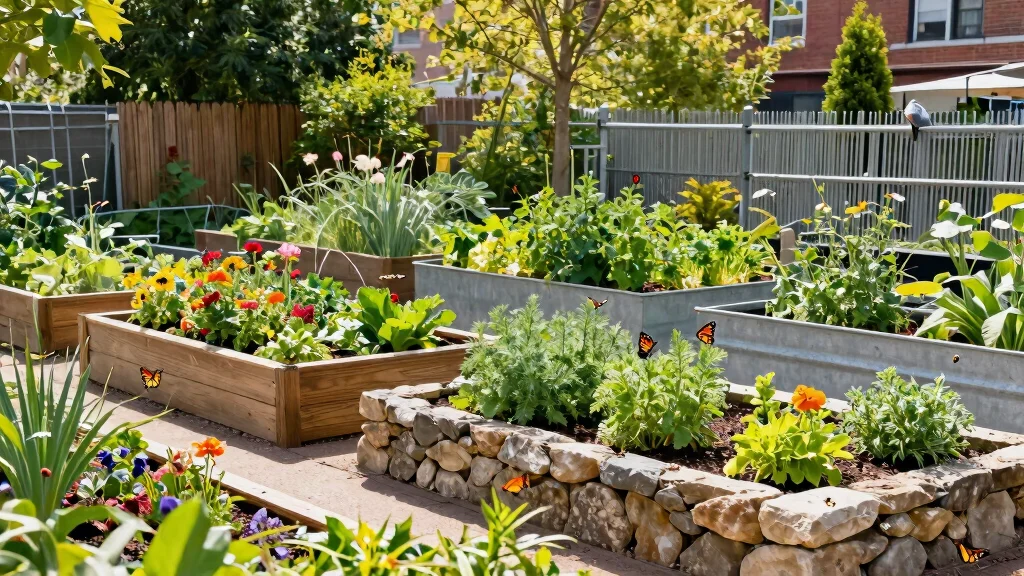
Creating a beautiful raised bed garden can transform your outdoor space into a vibrant oasis. With urban living on the rise, many people are looking for ways to incorporate gardening into their homes. Raised bed gardens not only save space but also offer an effective way to grow your favorite vegetables and flowers. If you’re feeling overwhelmed by choices in materials and designs, don’t worry! This post was crafted to spark your creativity and guide you through the many options available.
This guide is for anyone passionate about gardening, whether you’re a seasoned green thumb or just starting out. If you live in an urban area and want to make the most out of your limited space, these raised bed garden designs are for you. You’ll find a variety of ideas that cater to different aesthetics, budgets, and skill levels.
Get ready to explore 14 unique raised bed garden designs using wood, stone, galvanized metal, and more. Each idea is curated to inspire you, making your gardening experience not just productive but also visually appealing. From rustic wooden planters to modern stone beds, the possibilities are endless. With each design, you’ll also learn practical tips that will help you create a flourishing garden right outside your door.
Key Takeaways
– Wood, Stone, and Metal: Explore various materials, like wood, stone, and galvanized metal, perfect for building durable and attractive raised beds.
– DIY Ideas: Get inspired by creative DIY raised garden beds that suit any budget and skill level, making gardening accessible for everyone.
– Space-Saving Solutions: Learn about vertical and tiered raised beds, ideal for maximizing limited urban space while keeping your garden organized.
– Functional Designs: Discover multi-functional raised beds that incorporate seating or irrigation systems, enhancing both aesthetics and practicality.
– Seasonal Inspiration: Find seasonal raised bed designs that allow you to adapt your garden throughout the year, keeping your plants thriving and your garden fresh.
1. Rustic Wooden Planters
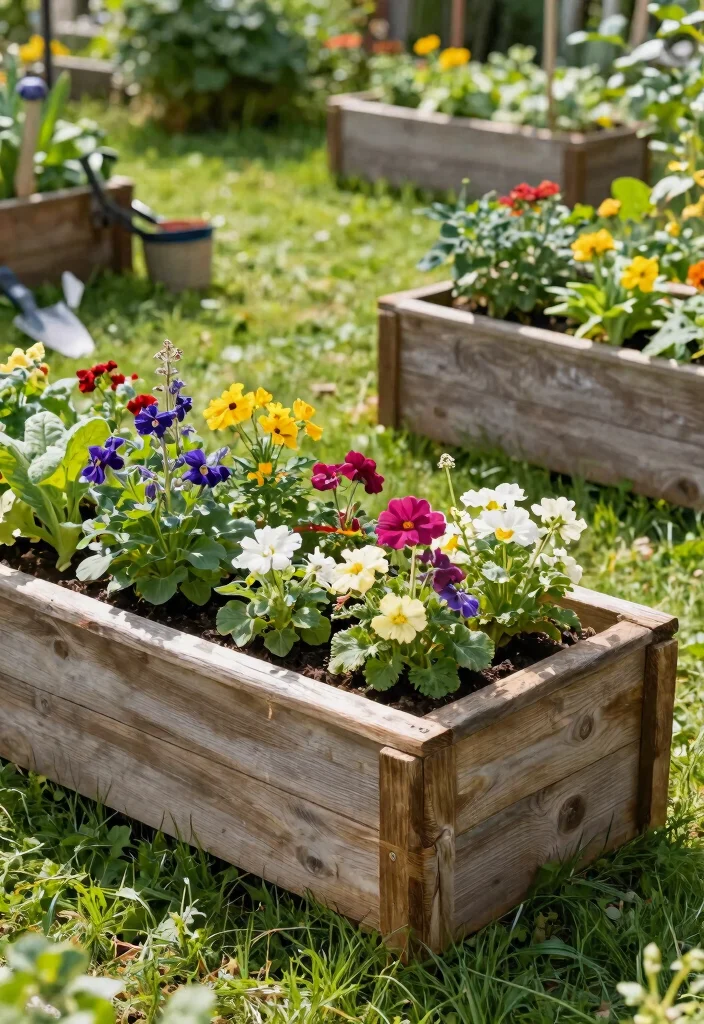
Embrace the beauty of rustic wooden planters in your garden!
Crafted from reclaimed wood, these planters not only add character but also promote sustainability. The rich textures and natural hues create a warm, inviting atmosphere in your outdoor space.
Opt for untreated cedar or redwood, both of which resist decay and weather beautifully.
You can adjust the height of your planter to suit your gardening style, whether you want a raised bed for easy access or a lower one for a layered look.
Remember to line the bottom with landscaping fabric to keep weeds at bay and ensure proper drainage.
Get started with these simple tips:
– Use wood screws for sturdy construction.
– Add a splash of color with stained finishes or painted designs.
– Pair plants wisely to boost your harvest!
2. Modern Stone Raised Beds
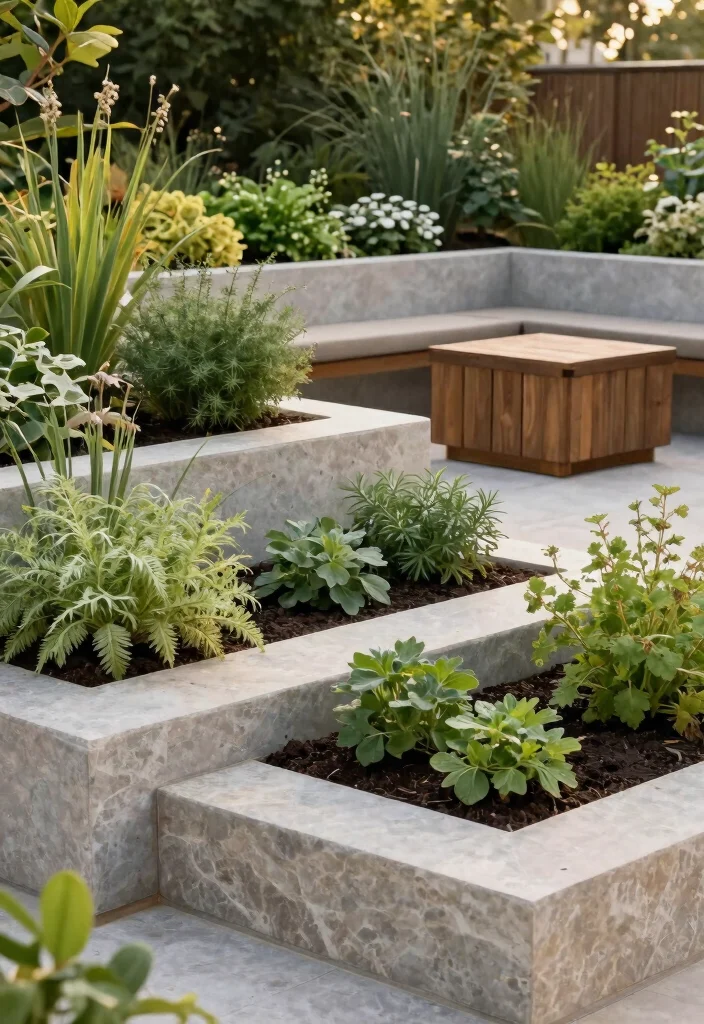
Create a sleek and contemporary vibe with modern stone raised beds!
Using durable materials like granite or slate, these beds offer an elegant frame for your plants while providing excellent temperature control. The sturdy nature of stone helps keep soil warm during cooler months.
Consider stacking stones of varying sizes for a tiered effect that adds visual interest. Fill these beds with low-maintenance perennials or fragrant herbs to enhance the rugged beauty of the stone.
Here are some helpful suggestions:
– Use concrete blocks for an affordable yet stylish option.
– Install a drip irrigation system to simplify watering.
– Add seating nearby to enjoy the stunning views of your garden!
Stone raised bed garden designs make city gardens feel timeless and easy. Stack granite or slate for a tiered, heat-retaining frame, then plant perennials and fragrant herbs for low maintenance beauty.
Recommended Products

Easy to Assemble: The galvanized garden beds outdoor manual includes a clear parts list and installation steps, which can save your time and assist you assemble the galvanized garden beds quickly.

SIZE: The plant bed measure is 46"L x 23.6"W x 11.8"H. This planter box provide ample growing space to raise vegetables, flowers and plants.

SIZE: The plant bed measure is 47.24"L x 23.62"W x 11.81"H. This planter box provide ample growing space to raise vegetables, flowers and plants.
3. Galvanized Metal Garden Beds
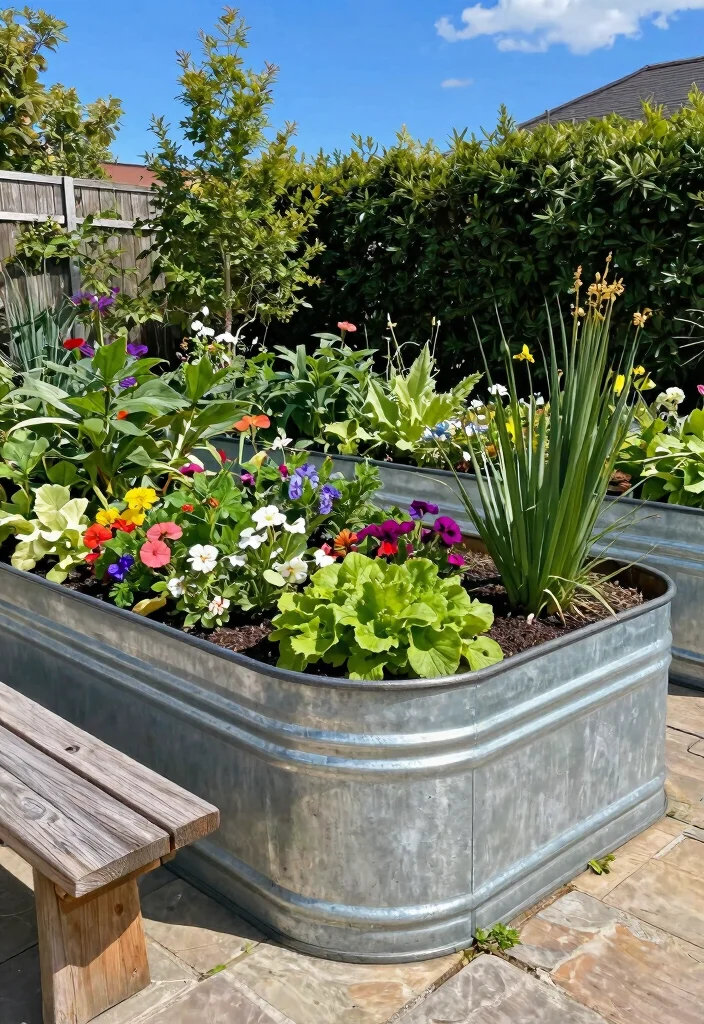
Explore the trendy appeal of galvanized metal garden beds!
These stylish structures not only boast durability but also retain heat effectively, promoting quicker plant growth. Available in various shapes and sizes, they allow for creative arrangements in your garden.
The shiny surface reflects light, making your vibrant blooms and leafy greens pop.
To ensure plant safety, line the interior with landscaping fabric to avoid sharp edges.
Here are some practical tips:
– Choose shallow beds for root vegetables and deeper ones for larger plants.
– Mix different shapes for a fun, eclectic look!
Recommended Products

【High-Quality Materials & Durable】 Made from 0.5mm metal panels with double-layer anti-corrosion, this outdoor raised garden bed features a robust oval-shaped design for added strength and durability. Resistant to rust and corrosion, it provides a long-lasting gardening solution that can be reused for many years, ensuring a sustainable and reliable space for your plants to thrive

【 Durable and Long-lasting 】The BIRDSINYARD raised garden bed, available in a convenient two-pack, is constructed from thick galvanized steel. It features a rust-resistant and corrosion-resistant coating, ensuring it can withstand humid weather and tough conditions without warping or rusting, even with long-term use.

SPACIOUS GROWING SPACE WITH EXTRA PLANTING DEPTH:Measuring 68.2" L × 35.5" W × 11.82" H, this galvanized raised garden bed holds approximately 124 gallons of soil, providing generous planting space and extra depth for vegetables, herbs, flowers and fruits. The spacious design allows roots to grow naturally while supporting tomatoes, peppers, cucumbers, broccoli, beans, lettuce, carrots, potatoes and other popular garden plants. Ideal for backyard gardening, raised vegetable gardens and outdoor planter box projects.
4. Vertical Tiered Raised Beds
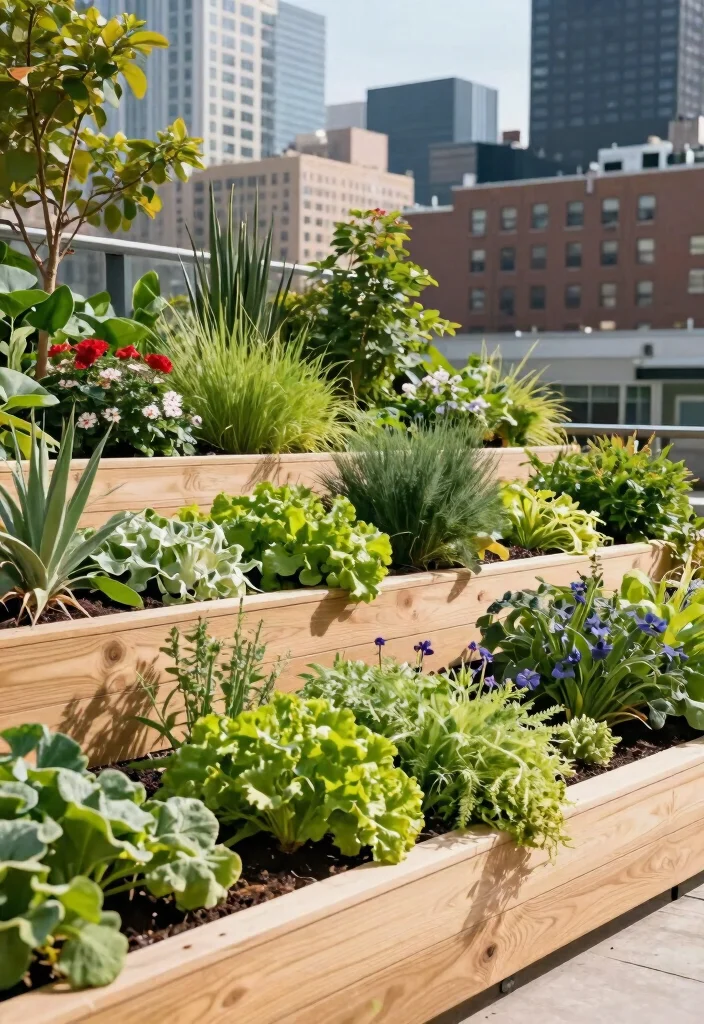
Maximize your space with vertical tiered raised beds!
Ideal for compact yards or balconies, these beds allow you to cultivate multiple layers of plants without taking up much room.
Build them by stacking wooden boxes or select pre-made vertical garden kits for convenience.
These beds create a stunning focal point, transforming your garden into a visual masterpiece.
To get the most out of your vertical garden, consider these tips:
– Incorporate climbing plants like peas or beans for added height.
– Arrange plants to ensure sunlight reaches all levels.
– Use a drip irrigation system for hassle-free watering!
Recommended Products

Real Stone Look Without the Weight - Create a premium stacked stone raised garden bed with a realistic brick appearance - without heavy rocks, mortar, or complicated installation. The textured finish delivers classic curb appeal while remaining lightweight and easy to assemble.

【DIY Your Garden】This 4x2x1 ft raised garden beds outdoor has all the space you need to build your dream garden! Whether you are growing fruits, vegetables or flowers, it can provide a safe environment and enough space for your plants.

All-in-One Garden Mesh Netting Kit for Instant Protection: Our complete garden netting kit includes everything you need to build a reliable barrier: a 8x20FT ultra-fine mesh net, 5 heavy-duty garden hoops, and 15 securing clips. No extra tools required—just assemble the hoops, drape the net, and clip it in place to shield your backyard, raised beds, or fruit orchard from pests in minutes.
5. Creative Upcycled Beds
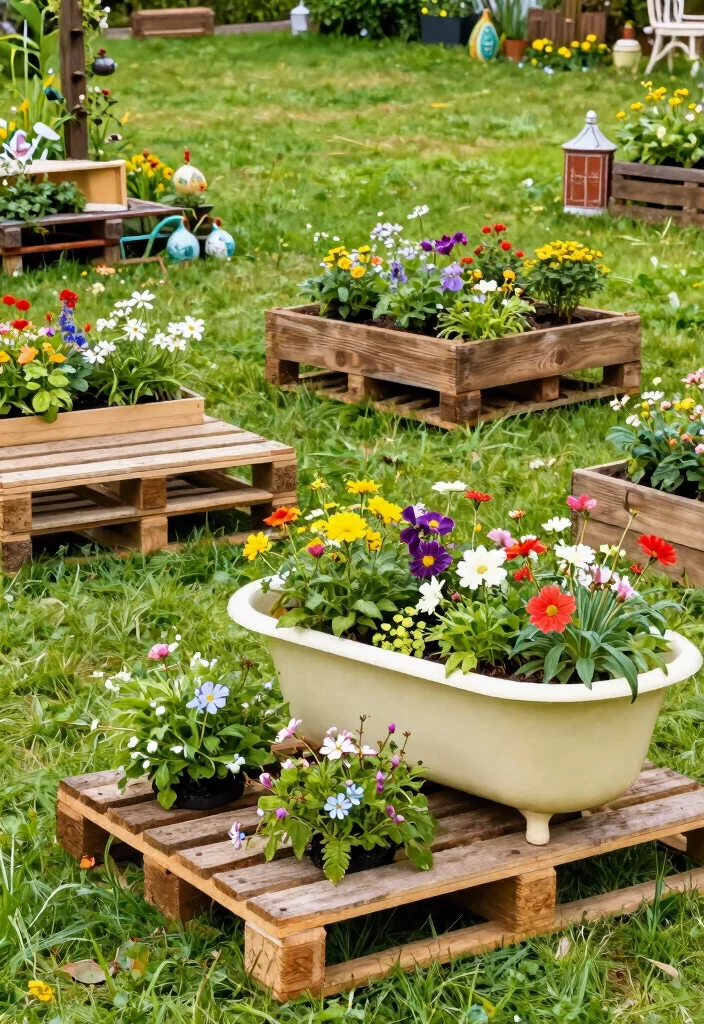
Unleash your creativity with upcycled materials for raised beds!
Transform items like old pallets, tires, or bathtubs into unique garden features that showcase your personality. This not only adds charm but also supports eco-friendly practices by reusing materials.
You can paint them for a splash of color or leave them as-is for a rustic feel.
Make sure to drill drainage holes in each upcycled item to prevent water buildup.
Follow these tips:
– Mix and match materials for a quirky, patchwork effect.
– Use organic soil and compost for healthy plants!
Key Trade-offs & Our Top Pick
When it comes to choosing the right raised bed garden design, you have several materials and styles to consider. Each option has its own pros and cons. Let’s break it down!
Option 1: Wooden Raised Beds
– Pros:
– Affordable and easy to find at local stores.
– Natural look that fits well in any garden setting.
– You can customize the size and shape easily.
– Cons:
– Wood can rot over time, especially if untreated.
– Requires regular maintenance, like sealing and staining.
– May attract pests like termites if not properly cared for.
– Best for: Those looking for a budget-friendly option or homeowners wanting a cozy, rustic feel.
Option 2: Stone Raised Beds
– Pros:
– Extremely durable; stone can last for decades.
– Offers a beautiful, classic aesthetic to your garden.
– Provides excellent drainage for your plants.
– Cons:
– High initial cost and heavy to work with.
– Limited design flexibility compared to other materials.
– Installation can be labor-intensive and may require professional help.
– Best for: Gardeners who prioritize durability and an elegant look over budget constraints.
Option 3: Galvanized Metal Raised Beds
– Pros:
– Highly durable and resistant to rust and pests.
– Great for urban gardens; often come in stylish designs.
– Easy to set up, with many options available pre-made.
– Cons:
– Can heat up quickly in sunlight, potentially harming roots.
– Limited color choices and not as natural looking as wood or stone.
– Higher cost compared to wood, depending on size and style.
– Best for: Urban gardeners looking for stylish, modern designs that last.
Option 4: Upcycled Materials Raised Beds
– Pros:
– Eco-friendly and budget-friendly, especially if you have materials laying around.
– Unique designs that add character to your garden.
– Flexibility in size and style using various materials.
– Cons:
– Quality can vary widely based on the materials used.
– May require more time and creativity to build.
– Depending on the material, it may not last as long as traditional options.
– Best for: DIY enthusiasts who enjoy recycling and crafting unique garden features.
Expert Recommendation:
Best Overall: Wooden Raised Beds
Wooden raised beds are a fantastic choice for most gardeners. They offer excellent value for money, fit into any budget, and are easy to assemble. You can modify their shape and size according to your garden’s needs. With proper care, they can last many years, making them versatile for various gardening styles.
Why We Picked This:
While wooden beds are our top pick, you might prefer stone for its durability or galvanized metal for its sleek look. If you’re creative, upcycled materials could be your go-to for a fun project. Ultimately, it depends on your garden’s style, your budget, and how much maintenance you’re willing to put in. Choose the option that aligns best with your gardening goals!
6. Circular Raised Beds
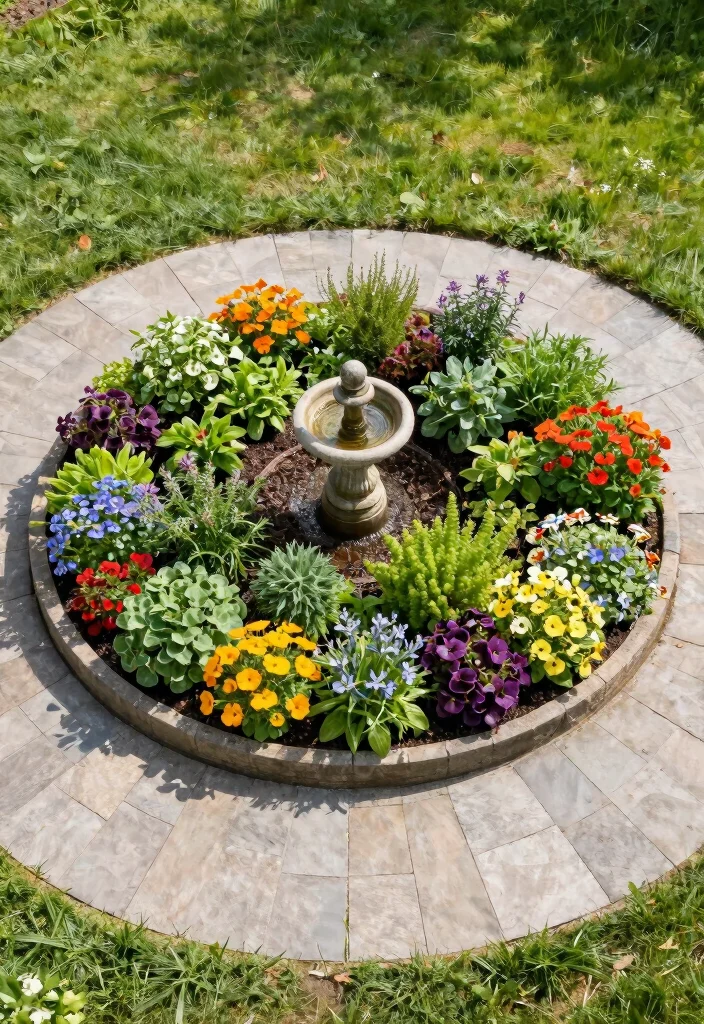
Introduce a unique flair to your garden with circular raised beds!
These visually appealing structures allow for easy access from all sides, making gardening more enjoyable.
You can build them with stone, wood, or metal, tailoring the design to your taste.
Circular beds are perfect for showcasing flowers or herbs, creating a lush and vibrant look.
To enhance your circular design, try these suggestions:
– Add a decorative feature like a fountain or birdbath in the center.
– Create pathways around the beds for easy navigation.
– Use companion planting for a beautiful arrangement!
7. Lattice-Backed Raised Beds
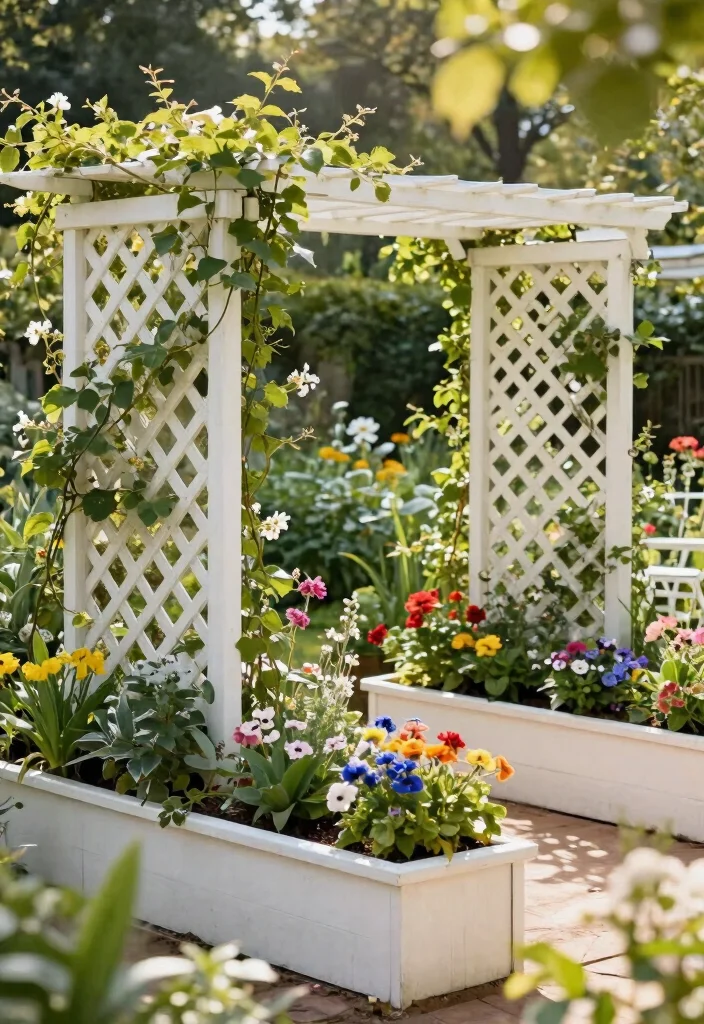
Add a touch of elegance with lattice-backed raised beds!
Constructed from wooden panels featuring trellis designs, these beds are perfect for allowing climbing plants to flourish while supporting lower flowers and vegetables.
This design enhances vertical interest in your garden, maximizing your growing space.
The lattice also serves as a lovely backdrop, making your plants even more visually appealing.
Consider these tips:
– Use the lattice to cultivate flowering vines for a charming effect.
– Paint the lattice for a vibrant pop of color.
– Make sure the base of the bed is deep enough for root vegetables.
8. Edible Landscaping with Raised Beds
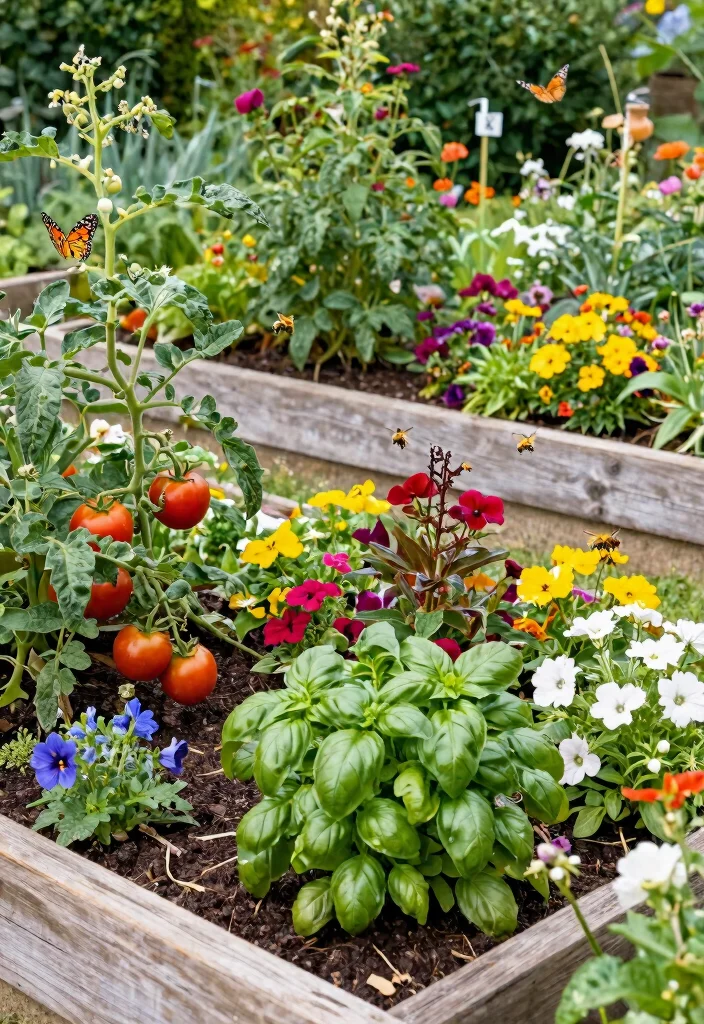
Combine beauty and practicality through edible landscaping!
Use raised beds to grow herbs, vegetables, and fruits alongside traditional flowers. This not only saves space but also allows you to enjoy fresh produce right at your doorstep.
Consider integrating raised beds as borders or focal points, mixing textures and colors for an eye-catching display.
Here are some tips to get started:
– Pair companion plants that benefit each other, like tomatoes and basil.
– Use decorative stones or mulch for a polished finish.
– Position edible beds for maximum sunlight and easy access.
Fun fact: in raised bed garden designs, a single 4×8 bed can yield 25–35 pounds of fresh produce per season. That kind of output turns edible landscaping into a practical, space-saving focal point. Pair tomatoes with basil to boost flavor and harvests.
9. Raised Beds with Built-in Seating
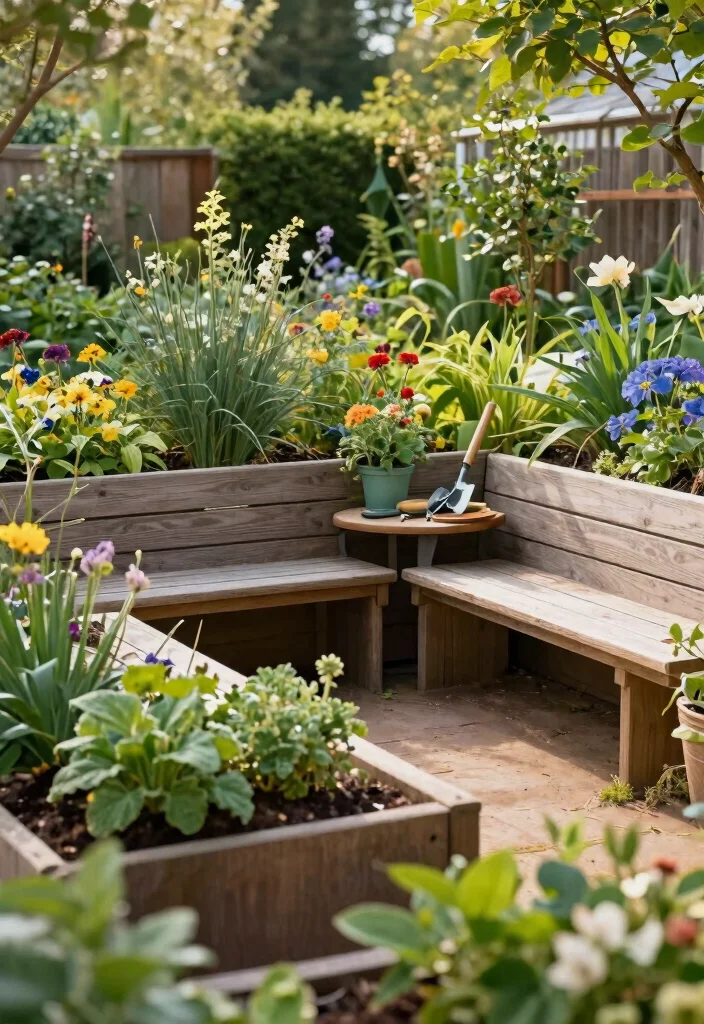
Enhance your gardening experience with raised beds that feature built-in seating!
This thoughtful design allows you to relax while tending to your plants, creating a cozy and functional outdoor space.
Build benches on one or both sides of the beds for a comfortable spot to sit and enjoy the garden.
This setup encourages you to spend more time outdoors, nurturing your plants and soaking in the beauty around you.
Keep these tips in mind:
– Use durable materials like treated wood or metal for seating.
– Add cushions for extra comfort.
– Position seating areas for optimal views of your garden.
10. Multi-Functional Raised Beds
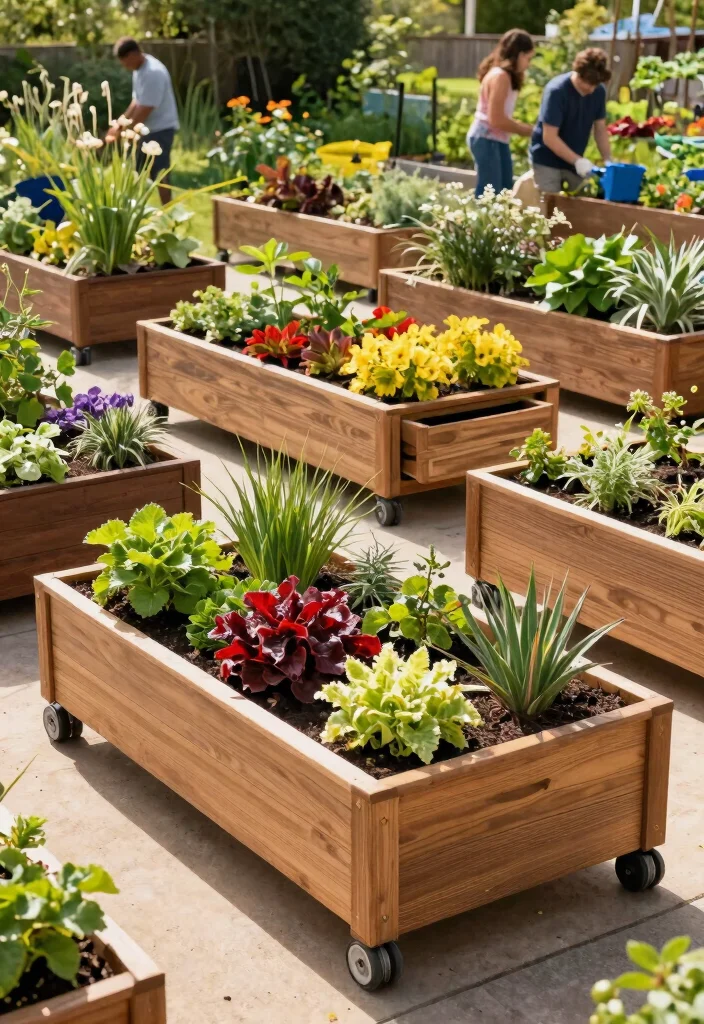
Make your raised beds do double duty!
Multi-functional beds blend aesthetics with practicality, serving as both planters and storage for tools or supplies.
Adding wheels can help you move your beds around to catch the best sunlight throughout the day.
This creative approach adds versatility to your gardening experience.
Start with these tips:
– Consider a cover to protect against pests or harsh weather.
– Use clear containers for easy access to garden essentials.
– Label plants for quick identification and organization.
11. Geometric Raised Bed Designs
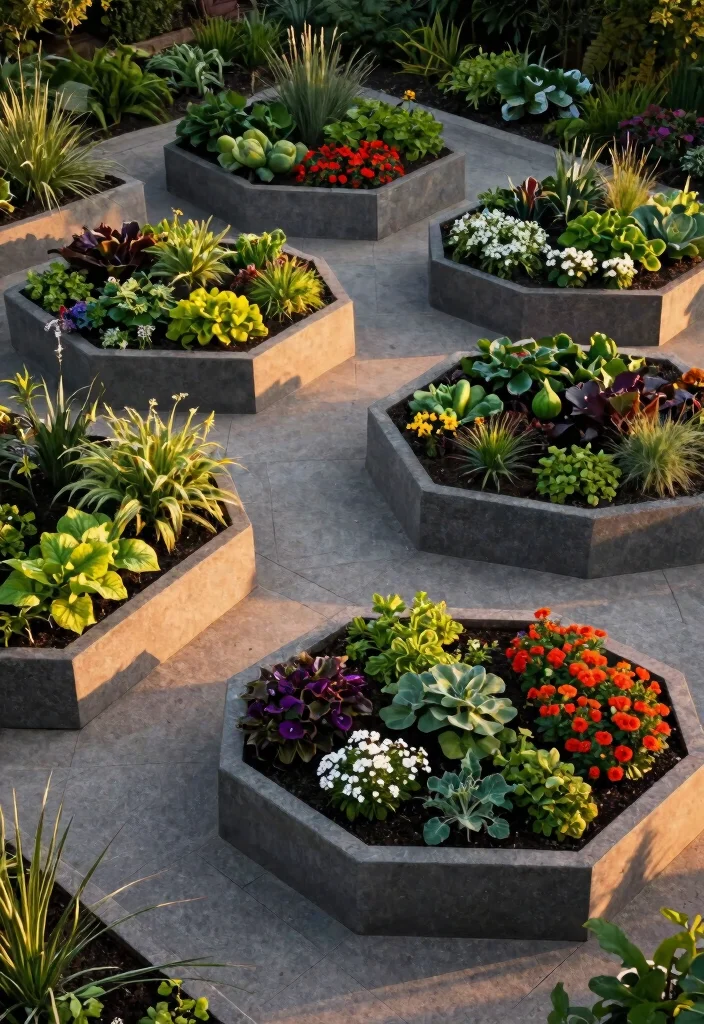
Infuse your garden with modern flair through geometric raised bed designs!
Unique shapes can create a striking visual impact, adding interest to your outdoor space.
Use materials like wood, stone, or metal to craft hexagons, triangles, or octagons for an unconventional look.
Grouping different geometric beds enhances the overall design, resulting in an engaging environment.
Here are some tips to make the most out of your geometric designs:
– Use contrasting materials to emphasize the shapes.
– Plant taller varieties in the center and shorter ones around the edges.
– Incorporate lighting to highlight the shapes at night.
12. Raised Beds with Irrigation Systems
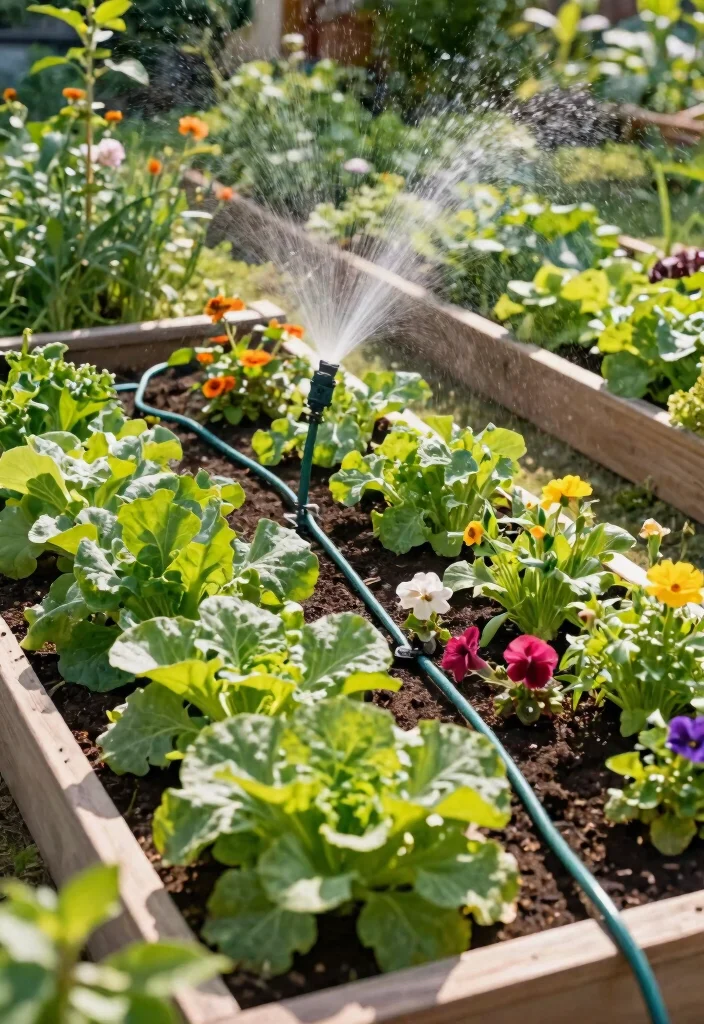
Ensure your garden thrives with raised beds featuring built-in irrigation systems!
Integrating drip irrigation or soaker hoses provides consistent moisture without waste, keeping your plants healthy.
This smart setup saves time while maintaining ideal conditions for growth.
To implement this effectively, consider these tips:
– Plan your irrigation layout before planting to avoid disruptions.
– Use automated timers for added convenience.
– Regularly check for clogs to keep the water flowing smoothly.
13. Raised Beds with Pathways
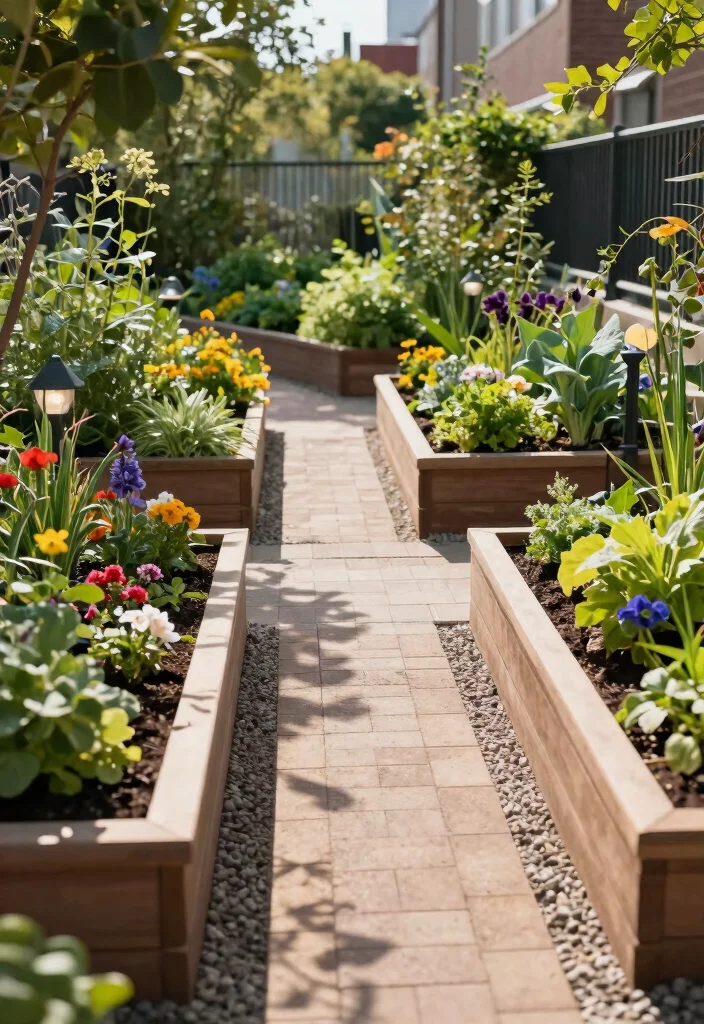
Incorporate pathways into your raised bed garden for improved accessibility and design!
Pathways allow you to navigate without damaging your plants, ensuring they remain healthy and thriving.
Choose materials like pavers, gravel, or stepping stones to create a neat, organized look that complements your raised beds.
Keep these tips in mind:
– Select pathway materials that match your raised bed aesthetics.
– Ensure pathways are wide enough for easy navigation.
– Add low-growing plants along the edges for extra beauty.
Did you know that well-planned pathways can cut soil compaction by up to 40% in raised bed garden designs? In urban spaces, using pavers or gravel keeps foot traffic off the beds and makes maintenance twice as easy. Build wide, matching paths to boost accessibility and style.
14. Seasonal Raised Bed Designs
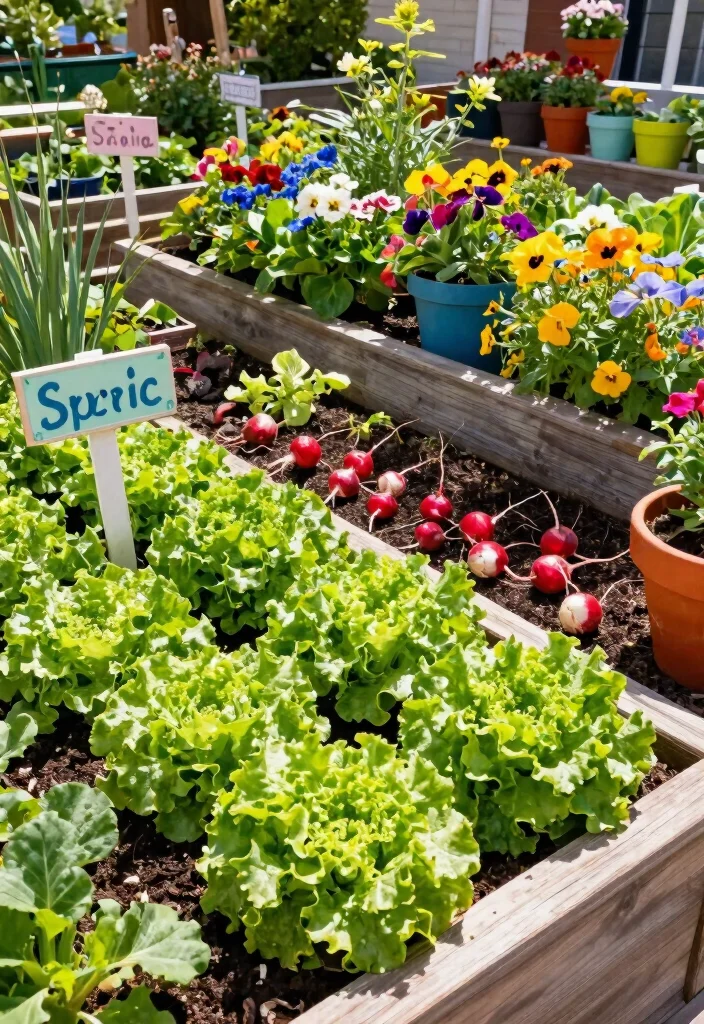
Keep your garden vibrant all year with seasonal raised bed designs!
Rotating crops each season not only maintains soil health but also creates a dynamic landscape.
Plant cool-weather crops in spring and summer blooms for fall to ensure your garden remains lively throughout the year.
This method encourages sustainability and maximizes your gardening efforts.
Try these tips to make the most of your seasonal designs:
– Research companion planting for optimal growth.
– Use seasonal decor to personalize your garden.
– Plan ahead to take full advantage of growing cycles.
Conclusion
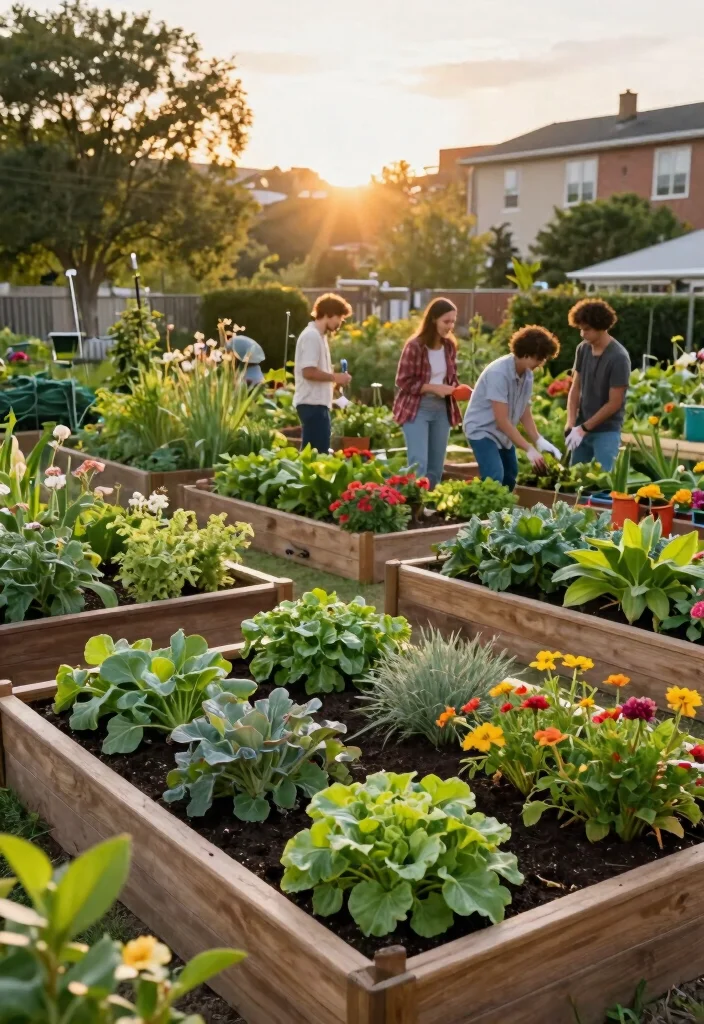
Creating a raised bed garden can be a fulfilling and sustainable way to enhance your urban space.
With so many creative designs and materials to choose from, you can tailor your garden to reflect your personal style while producing delicious, homegrown produce.
Whether you opt for rustic wood, sleek metal, or a fun upcycled creation, the possibilities are endless.
So get started today, and let your garden bloom beautifully!
Note: We aim to provide accurate product links, but some may occasionally expire or become unavailable. If this happens, please search directly on Amazon for the product or a suitable alternative.
This post contains Amazon affiliate links, meaning we may earn a small commission if you purchase through our links, at no extra cost to you.
Frequently Asked Questions
Question: What are the best materials for raised bed garden designs in small urban spaces?
Answer: For urban raised bed garden designs, you want materials that are durable, safe, and sustainable. Common garden bed materials include garden bed materials such as wood (untreated cedar or redwood), stone, galvanized metal, and composite lumber. Wood is affordable and easy to work with, but avoid pressure-treated lumber for edible beds; if you must, line the inside with landscape fabric to prevent chemical leach. Stone and galvanized metal offer longevity and a clean look but check for heat retention and possible metal taste in leafy greens. Reclaimed bricks, concrete blocks, or recycled plastic can also work in a creative garden designs context. When choosing materials, consider height, drainage, and how they weather in your climate. This keeps your raised bed garden designs practical and lasting in urban spaces.
Question: How can I design DIY raised garden beds to maximize space and sustainability in an urban setting?
Answer: Start with a layout that fits your space and walkways. For DIY raised garden beds, aim for accessible heights (18-24 inches) and bed widths no more than 4 feet so you can reach from either side. Use modular designs like 2×4 or 4×4 sections to create creative garden designs. Choose soil mixes that are light and rich (about 60-70% compost, 30-40% topsoil) and pair with garden bed materials sourced locally. Add a rain barrel for irrigation, a small compost bin, and mulch to conserve moisture, a hallmark of sustainable urban gardening. Plan crop rotation and companion planting to improve yields in raised bed garden ideas style. With these steps, your raised bed garden designs stay productive and low-maintenance.
Question: What are some creative garden designs using raised beds for urban landscapes?
Answer: Think beyond simple rectangles. Try stepped, curved, or L-shaped beds that hug paths or a patio. Mix materials like wood, stone, and metal for a creative garden designs look, and add a small seating area or a trellis for vertical interest. Integrate pollinator-friendly plantings and edible herbs near the door for quick access. Use raised beds to define zones for landscaping with raised beds and create microclimates—taller beds provide afternoon shade, shorter beds catch morning sun. These ideas showcase raised bed garden designs that work in tight urban spaces and still feel welcoming.
Question: How do I maintain soil health and minimize pests in raised bed garden designs?
Answer: Start with a rich soil mix (about 60-70% compost, 30-40% topsoil) and a thick mulch layer to keep moisture even and suppress weeds. Rotate crops each season and practice companion planting to deter pests. Encourage beneficial insects with a splash of native flowers and avoid broad-spectrum sprays. Install a simple drip irrigation system to keep leaves dry and reduce disease risk. Choose garden bed materials that stay cool in summer to protect roots in urban heat. With these practices, your raised bed garden designs stay productive, sustainable, and enjoyable.
Question: Are raised beds suitable for beginners, and how long do they last in an urban garden?
Answer: Absolutely. Raised beds are friendly for beginners and offer fast wins in raised bed garden designs. Start with a simple wooden box or modular blocks for DIY raised garden beds, or buy a kit to get planting quickly. Material lifespan varies: cedar or redwood can last 7-15+ years; galvanized metal or stone often lasts decades, especially in urban settings. Maintenance is straightforward: replace rotten boards, repaint non-toxic sealant, and refresh soil every season. With good care, your urban raised bed garden designs can be a sustainable centerpiece for years.
Recommended Products

Convenient Drip irrigation kit has everything needed to water up to a 4’ x 8’ raised bed garden

Be a Gardening Master with the help of our superior and complete Drip Irrigation Kit: 10 Drip Irrigation Emitters Vortex + 20 Drip Emitters Spray + 50ft flexible & durable 5/16 irrigation tubing + 50ft 1/4 inch Drip Irrigation Tubing + 12 tubing coupler + 5 ¼ Tubing Tee Splitter + Tubing End Plugs + Water Connector + 1 x Complete Instructions Guide Hard Copy + 2 Grow your Own Vegetables & Fruits Guide full with pieces of advice and practical tips Digital Format.

Adjustable Water Control for Every Plant:This drip irrigation system features two different adjustable emitters: Stream Emitter and Vortex Emitter. Rotate the emitter cap to switch from gentle drip to powerful spray. Each nozzle is individually adjustable to ensure every plant receives the water it needs, preventing overwatering or underwatering.
Related Topics
raised bed garden designs
DIY raised garden beds
urban gardening
sustainable gardening
landscaping ideas
garden bed materials
creative garden designs
easy gardening
small space gardens
eco-friendly gardening
beginner friendly
seasonal planting