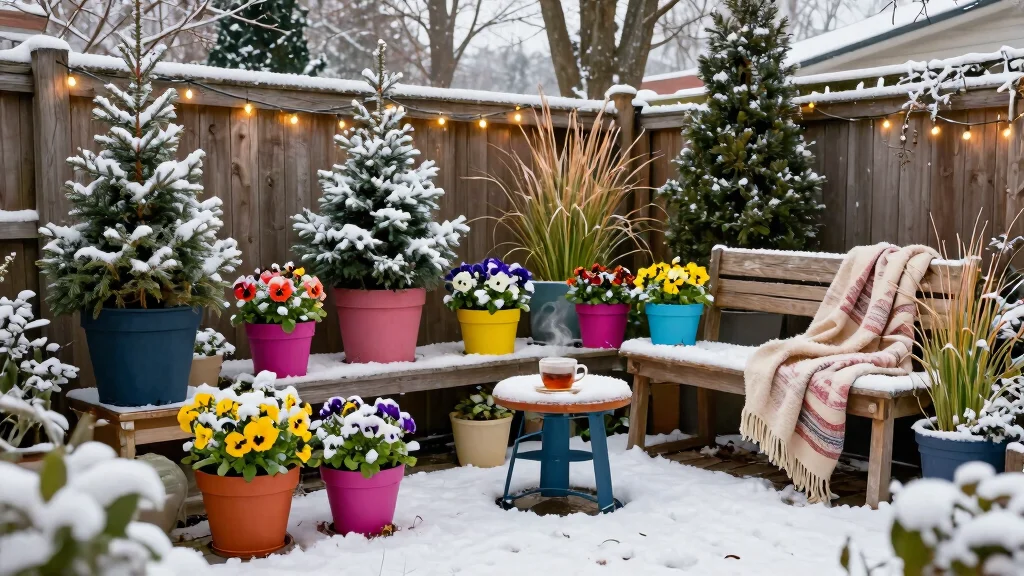
Winter can feel like a long stretch of gray skies and bare branches. You might find yourself craving the beauty of blooming flowers or lush greenery during these cold months. That’s why I created this post—because a winter container garden can transform even the coldest days into a visual treat. By incorporating the right plants and designs, you can create a stunning container garden that not only survives winter but thrives in it.
This guide is perfect for anyone who loves gardening, especially those with small spaces. If you’re looking to brighten up your porch, balcony, or patio with winter blooms, you’re in the right place. I’ve gathered ten inspiring ideas that will keep your winter container garden looking beautiful year-round. From evergreens to seasonal accents, these tips will help you create a cozy, inviting outdoor space—even when the temperature drops.
Get ready to explore a variety of container plants for winter that offer color, texture, and interest. You’ll discover how to design a winter garden that reflects your style while being practical for your space. Let’s dive into these ten winter container garden ideas that are sure to bring joy all year long!
Key Takeaways
– Evergreen Elegance: Incorporate evergreen plants like boxwood or holly for lasting greenery throughout winter.
– Winter Blooms: Look for cold-weather plants such as pansies and hellebores that bloom even in chilly temperatures.
– Textural Contrast: Use a mix of plants with varied textures to create visual interest and depth in your containers.
– Seasonal Accents: Add winter-themed decorations like pinecones or decorative stones to enhance the seasonal vibe.
– Layered Planting: Experiment with layered planting techniques to maximize space and create a fuller look in your containers.
1. Evergreen Elegance
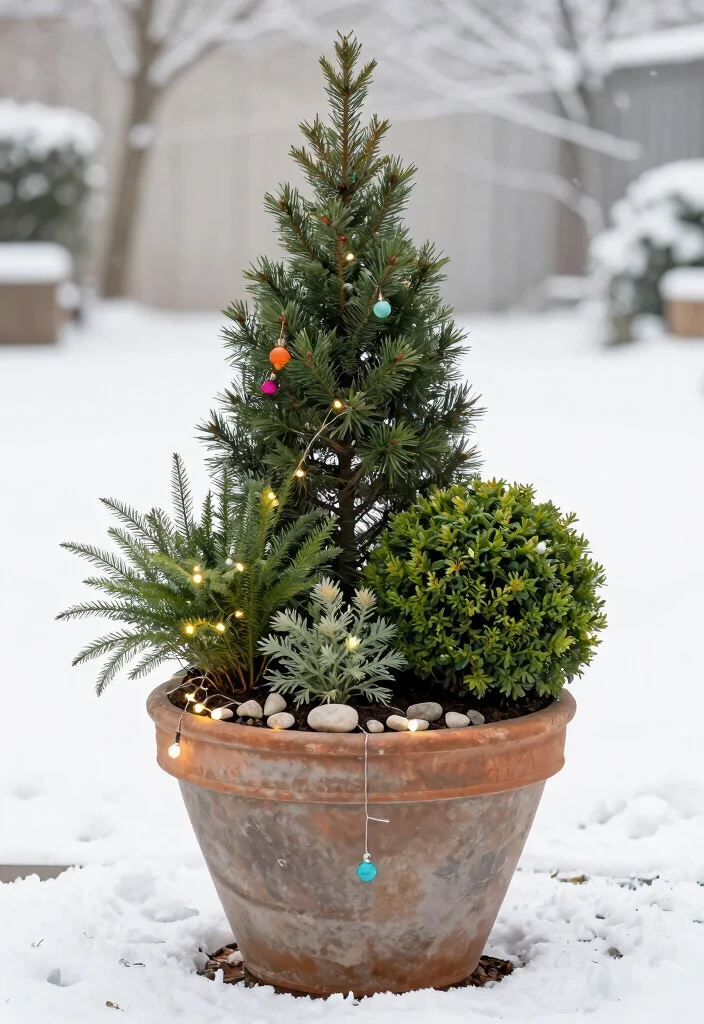
Evergreens are your go-to plants for winter beauty. They offer lush greenery and structural interest, making your container garden look vibrant all year round. Mix dwarf spruce, junipers, and boxwoods for an appealing variety of textures and heights that stand out against the winter landscape.
Start by selecting pots with good drainage to keep your evergreens healthy. Enhance their beauty with decorative stones or seasonal ornaments that reflect winter’s charm. You can also combine these evergreens with colorful seasonal plants that bloom in the spring.
Key evergreen tips:
– Choose heavy clay pots for stability.
– Add seasonal decorations for extra flair.
– Pair with winter-blooming heathers for color.
Your evergreen arrangements will be a stunning focal point that reminds you of life’s vibrancy, even in the coldest months.
Evergreens turn a small winter container into a year-round statement. Mix dwarf spruce, junipers, and boxwoods for texture and height, then top with decorative stones—your winter container garden stays lush and vibrant, even on the coldest days.
2. Winter Blooms
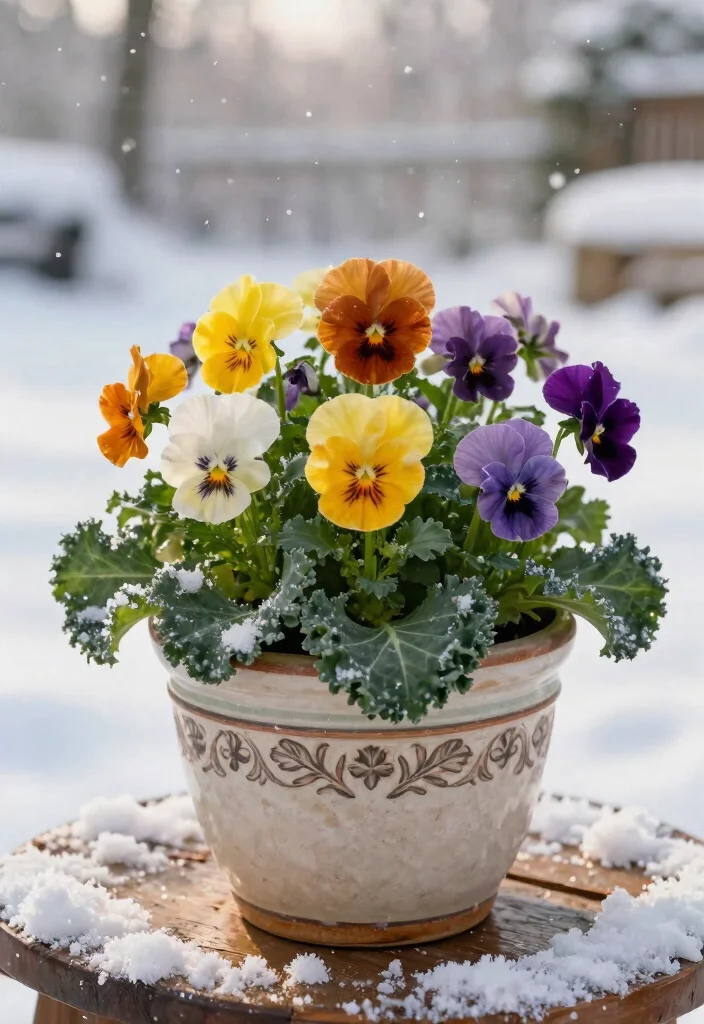
Bring cheer to your winter garden with winter-blooming flowers. Pansies and violas thrive in cooler temperatures and can bloom even under snow. Their bright colors create a joyful contrast against the white winter backdrop, adding life to your container.
Choose containers that allow plenty of sunlight since pansies thrive in bright light. Regular deadheading encourages more blooms, while planting in groups creates a striking display. You can also mix these flowers with ornamental kale to add texture and depth to your garden.
Winter bloom tips:
– Select sun-friendly containers for your blooms.
– Deadhead regularly for a continuous show.
– Group flowers for a vibrant impact.
This combination not only brightens your space but also adds variety to your winter garden, making it a delightful sight during the dreary months.
Fun fact: Pansies and violas can bloom in temperatures as low as 20°F (-6°C). Plant them in groups for a 3–5 flower display that survives snow, and watch bright colors turn your winter container garden into a cheerful focal point.
3. Textural Contrast
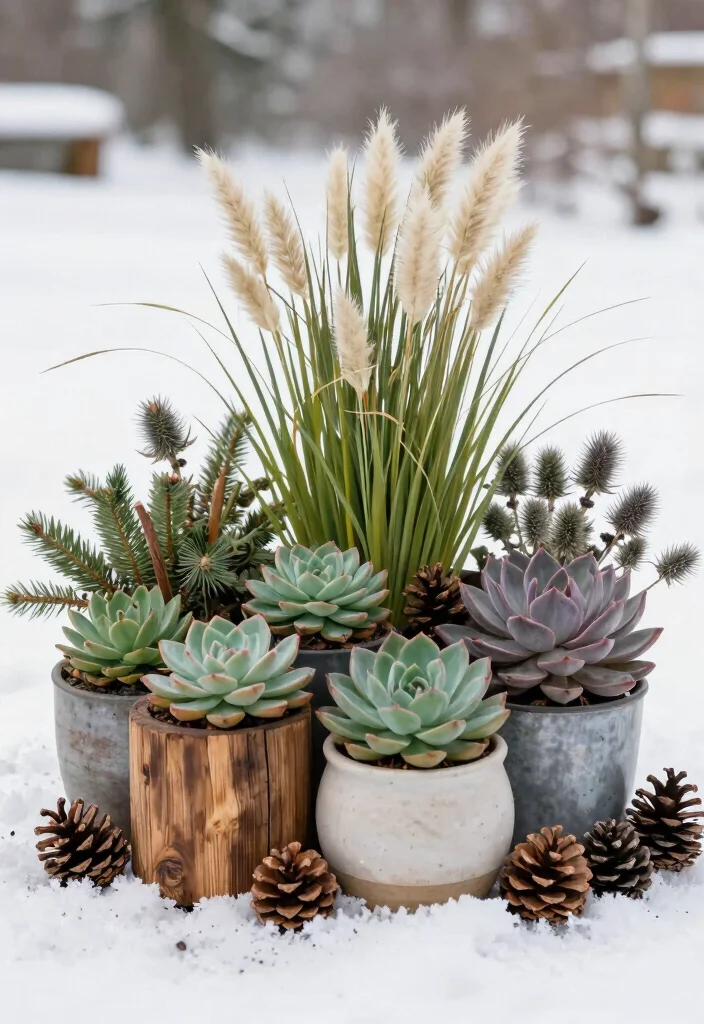
Adding different textures can elevate your winter container garden to new heights. Mix sleek planters with rustic ones or pair soft plants like lamb’s ear with prickly thistles for an eye-catching contrast. This diversity keeps your garden interesting, even when plants are sparse.
Experiment with various pot materials like metal, ceramic, and wood for a beautiful blend. Combine succulents with fluffy ornamental grasses to create dynamic arrangements. You can also incorporate natural elements like pinecones or branches for added visual appeal.
Texture tips:
– Use diverse materials for your pots.
– Blend plant types for visual interest.
– Add natural elements for charm.
Textural variety not only adds depth but also creates an inviting atmosphere, making your container garden a joy to behold from all angles.
4. Seasonal Accents
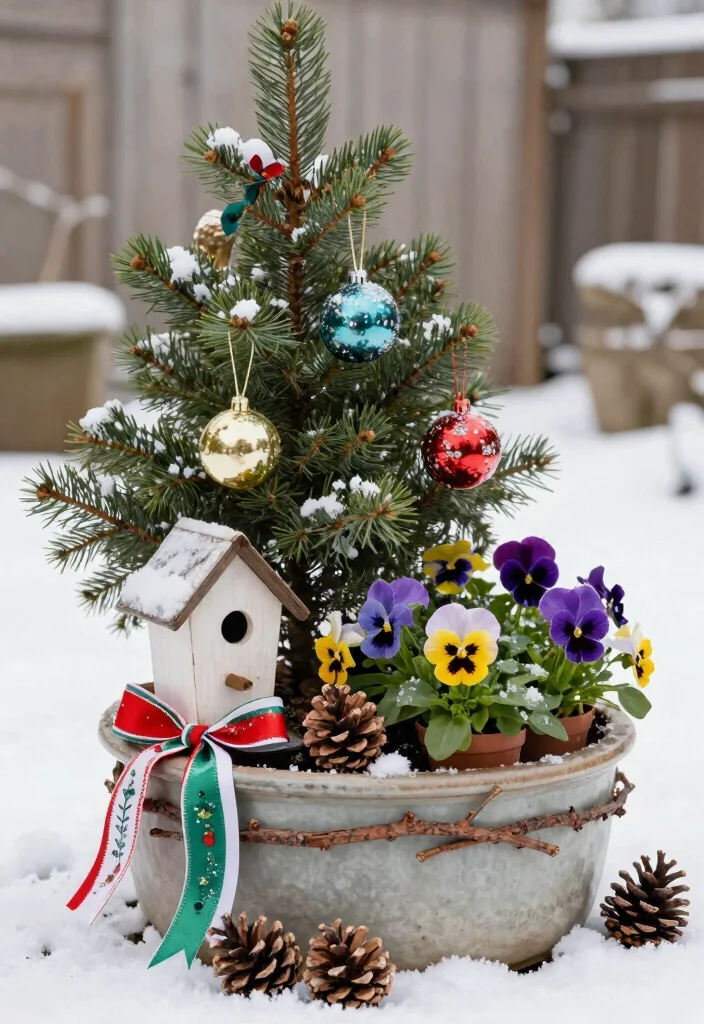
Seasonal accents can truly enhance your winter container garden’s charm. From festive decorations to thematic ornaments, these touches add personality and warmth to your space. Consider cheerful birdhouses, colorful ornaments, or tied ribbons that reflect the season’s colors.
Choose decorations that complement your plants without overpowering them. You can switch decorations for different holidays to keep things fresh. Incorporating natural items like branches or dried flowers adds a rustic touch that feels cozy and inviting.
Decoration tips:
– Select accents that enhance your plants.
– Change decorations for a fresh look.
– Use natural items for a rustic feel.
These seasonal accents will make your garden feel welcoming, allowing you to express your creativity throughout the winter months.
5. Thematic Groupings
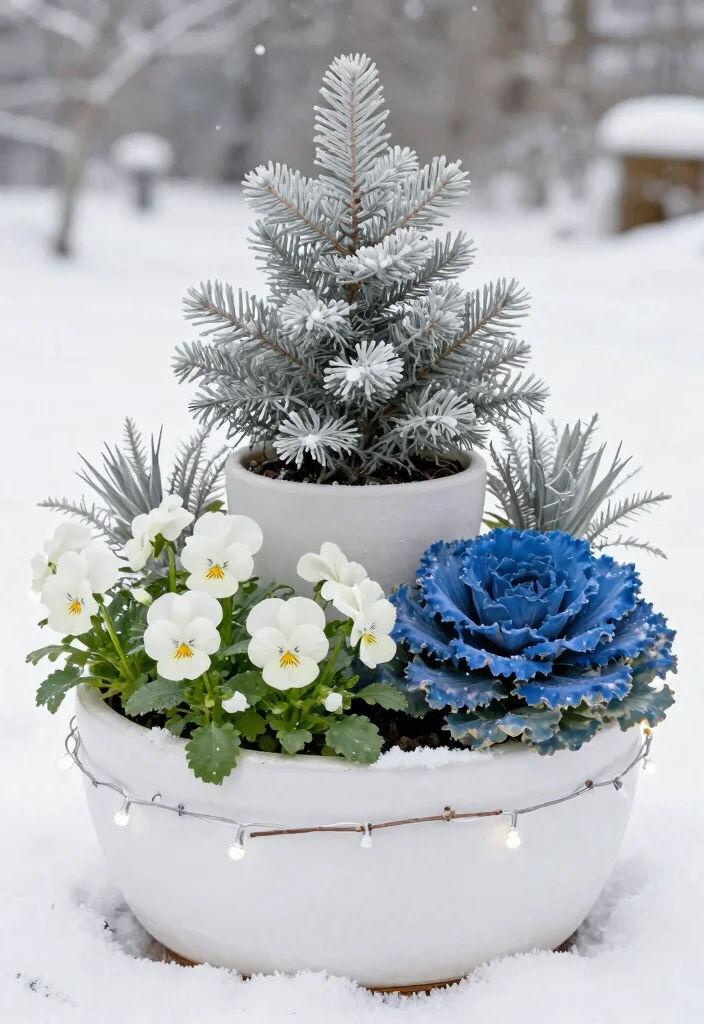
Themed container gardens can create a cohesive look for your winter plants. Whether you opt for a monochromatic palette or a playful ‘winter wonderland’ theme with whites and blues, these groupings unify your space beautifully.
Select a color scheme that inspires you and choose plants that fit within that range. Similar containers will maintain consistency, while seasonal themes like ‘holiday cheer’ or ‘cozy winter nights’ can guide your decorating choices.
Grouping tips:
– Choose a color palette that speaks to you.
– Use matching containers for unity.
– Consider seasonal themes for inspiration.
Thematic groupings tell a story through your garden, creating an engaging experience for everyone and simplifying your plant selection process.
How To Choose the Right Plants for Your Winter Container Garden
Choosing the right plants for your winter container garden can make all the difference in keeping your outdoor space beautiful during the chilly months. Here are some essential tips to guide your selection process:
1. Climate Considerations
Before selecting plants, consider your local climate. Different plants have varying tolerance levels to cold. For instance, plants like pansies and ornamental kale handle frost well, while others may not. Research cold-hardiness zones to find plants suited for your region. Pay attention to temperature fluctuations and adjust your selections accordingly.
2. Plant Types
When selecting plants, think about diversity. Use a mix of evergreens, perennials, and seasonal color plants. Evergreens provide structure and greenery, while perennials like Hellebores can add winter blooms. Consider including small shrubs or ornamental grasses for visual interest. This mix ensures your container garden looks appealing year-round.
3. Container Selection
The type of container you choose is crucial. Opt for materials that insulate well, such as ceramic or fiberglass, which can help protect roots from freezing. Make sure your containers have drainage holes to prevent water from accumulating. A larger pot can also help regulate soil temperature better than smaller ones.
4. Color Palette
Think about the colors you want in your garden. Winter can be gray, so bright colors can make a space feel livelier. Look for plants with colorful foliage, berries, or vibrant flowers. Mixing different shades and textures creates a visually appealing contrast that stands out against the winter landscape.
5. Maintenance Requirements
Consider how much time you can spend maintaining your winter container garden. Some plants require more care than others. Low-maintenance options like evergreens are great if you’re short on time. Always check the watering needs, as some plants may need more moisture during winter months, especially in containers.
6. Seasonal Interest
Aim for plants that provide interest through various winter months. Choose varieties that bloom at different times or have attractive foliage. This way, your garden remains visually appealing as different plants come into their prime. Look for plants like winter jasmine for early blooms or hellebores for later winter color.
Pro Tip: When choosing plants for your winter container garden, plan for a balance of color, texture, and height. Layer taller plants at the back or center and shorter ones around the edges. This creates depth and makes your container garden more dynamic.
By following these guidelines, you can create a stunning winter container garden that not only survives the cold but thrives, offering beauty and interest throughout the year.
6. Vertical Appeal
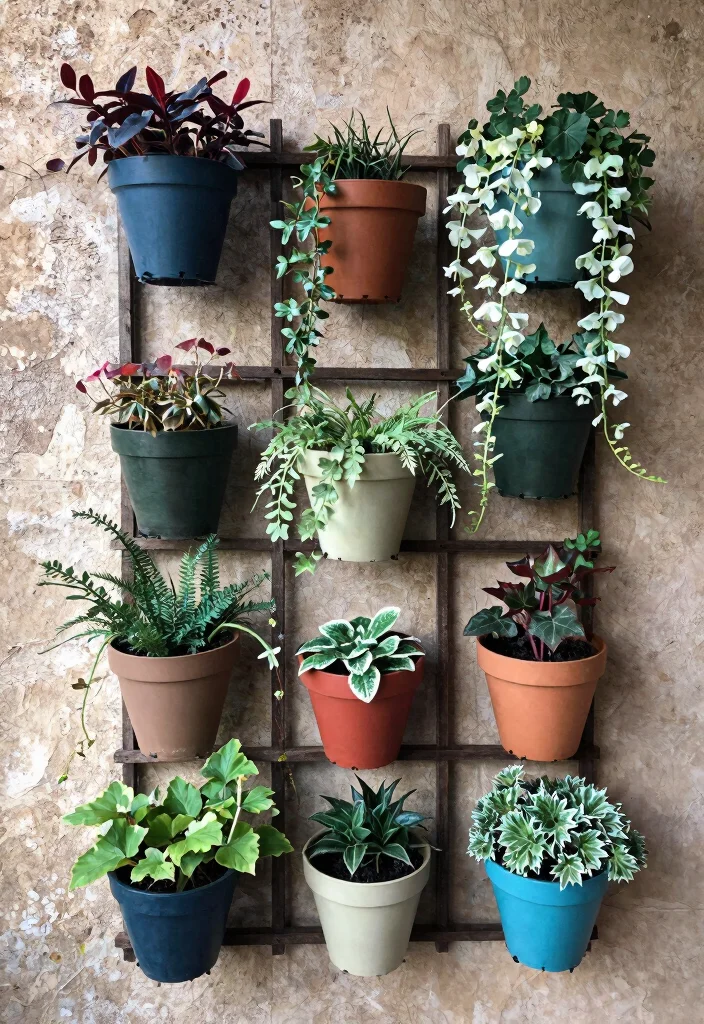
For those short on space, vertical gardening can transform your winter container garden. Using trellises or wall planters helps you maximize vertical space, bringing life to your area without taking up much room.
Opt for climbing plants like sweet peas or cascading plants like ivy to enhance your vertical setup. Ensure your structures are stable enough to withstand cold weather. Mixing different heights and layers will add visual interest to your garden.
Vertical gardening tips:
– Choose climbing or cascading plants for height.
– Ensure stability against winter conditions.
– Mix heights for a dynamic look.
This approach not only makes your space feel larger but also creates a unique visual statement, adding layers of beauty to your winter garden.
Fun fact: A vertical setup can 3x your winter container garden space without crowding your tiny patio. Use trellises or wall planters with climbing plants like sweet peas or ivy to add height, texture, and color all season.
7. Edible Delights
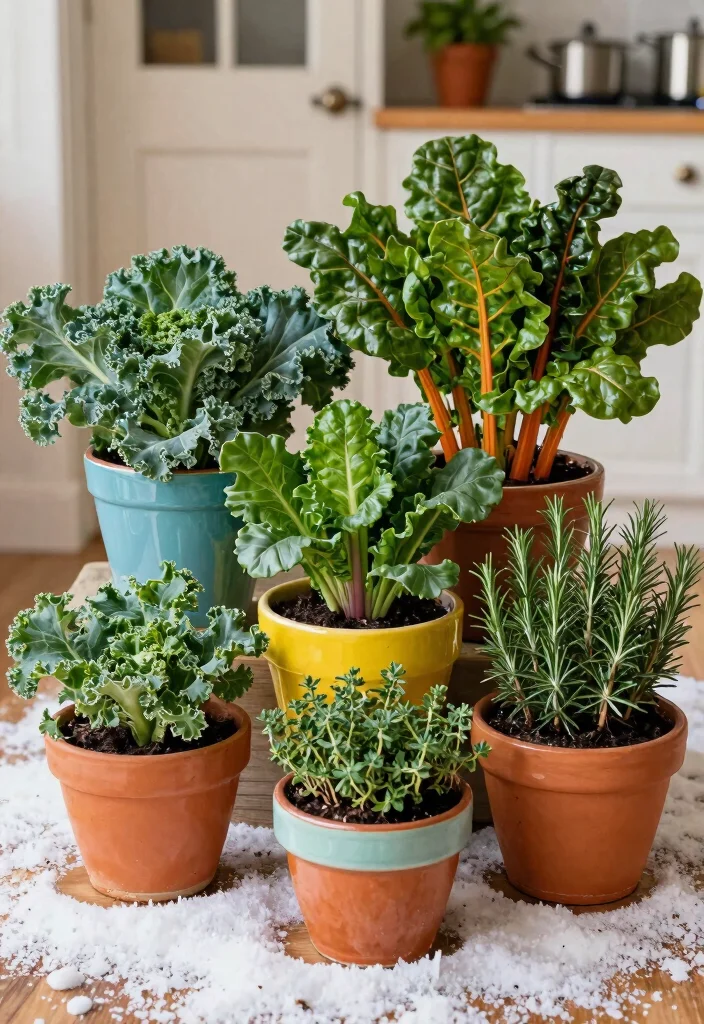
Don’t overlook the possibility of growing edible plants in your winter container garden! Hardy herbs and greens thrive even in colder weather. Consider planting kale, chard, or winter herbs like thyme and rosemary that not only look great but can enhance your winter meals.
Select containers that can withstand freezing temperatures and use quality soil to maintain moisture without waterlogging. Placing your pots near the kitchen door allows for easy access while cooking.
Edible plant tips:
– Use frost-resistant containers for your herbs.
– Ensure soil retains moisture without flooding.
– Position pots for convenience during cooking.
Harvesting fresh greens in winter adds excitement to your gardening and provides you with fresh ingredients right at your fingertips!
8. Ornamental Grasses
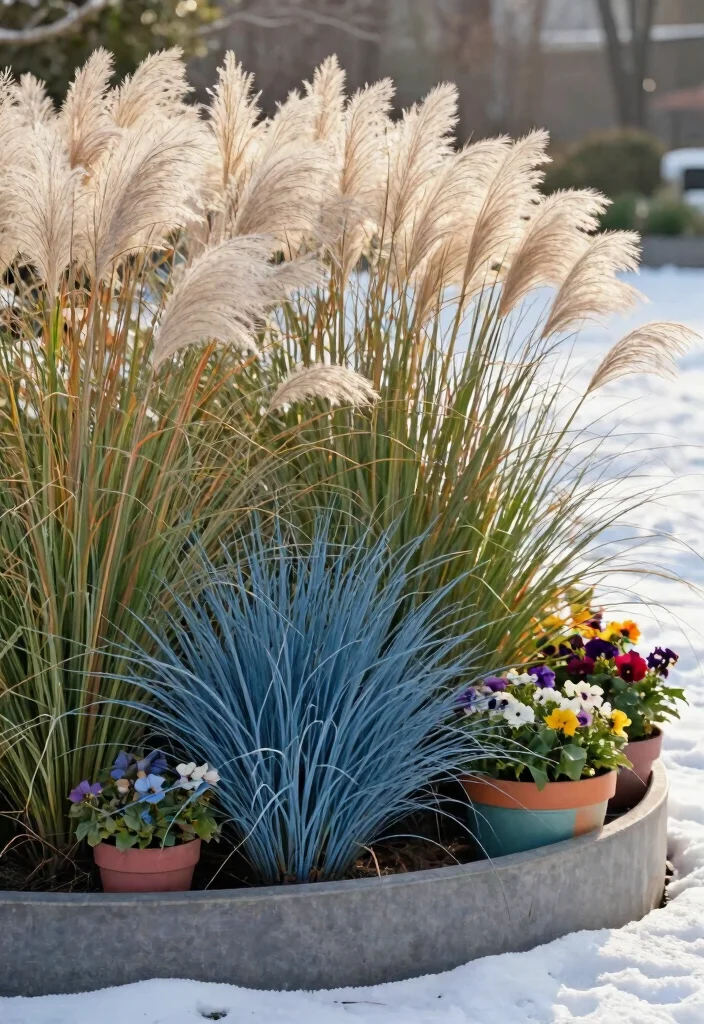
Ornamental grasses bring a sense of movement and texture to your winter container garden. Varieties like blue fescue or feather reed grass thrive in frigid weather, providing an elegant touch to your arrangements. Their gentle shapes contrast beautifully with more rigid plants, creating a visually captivating display.
Mix different grass varieties to achieve a layered look, and place taller grasses at the back of your containers for height. Pair them with evergreens or seasonal flowers for a dynamic combination that stands out.
Grass tips:
– Mix various grasses for depth.
– Position taller grasses for balance.
– Combine with other plants for contrast.
The gentle sway of grasses in the winter breeze adds life and movement to your garden, enhancing its overall beauty.
9. Snow and Ice Accents
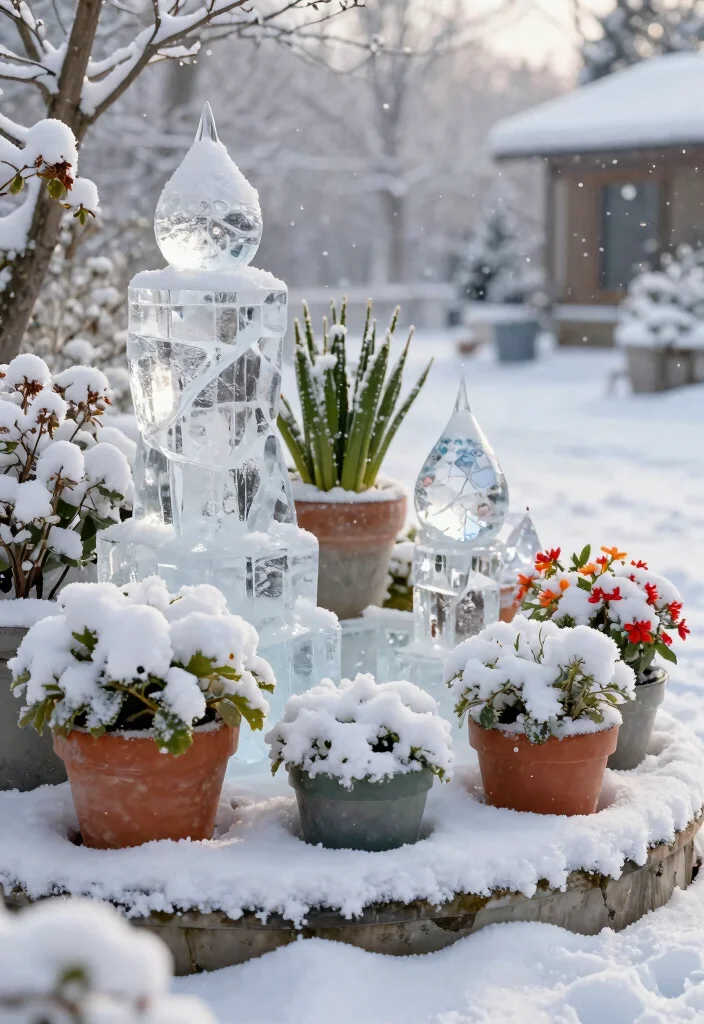
Winter weather provides unique design opportunities for your garden. Use the natural beauty of snow and ice to enhance your container garden’s visual appeal. When snow falls, it creates a magical landscape that you can incorporate into your design.
Select containers that look stunning with a dusting of snow and consider decorating with ice sculptures or frozen elements that catch the light. Reflective surfaces will play off the snow, adding to your garden’s allure.
Snow and ice tips:
– Choose eye-catching containers for snowy days.
– Use ice decorations for sparkle.
– Incorporate reflective elements for added beauty.
Embracing snow as part of your design brings a new dimension to your garden, creating a picturesque scene that delights everyone who passes by.
10. Layered Planting
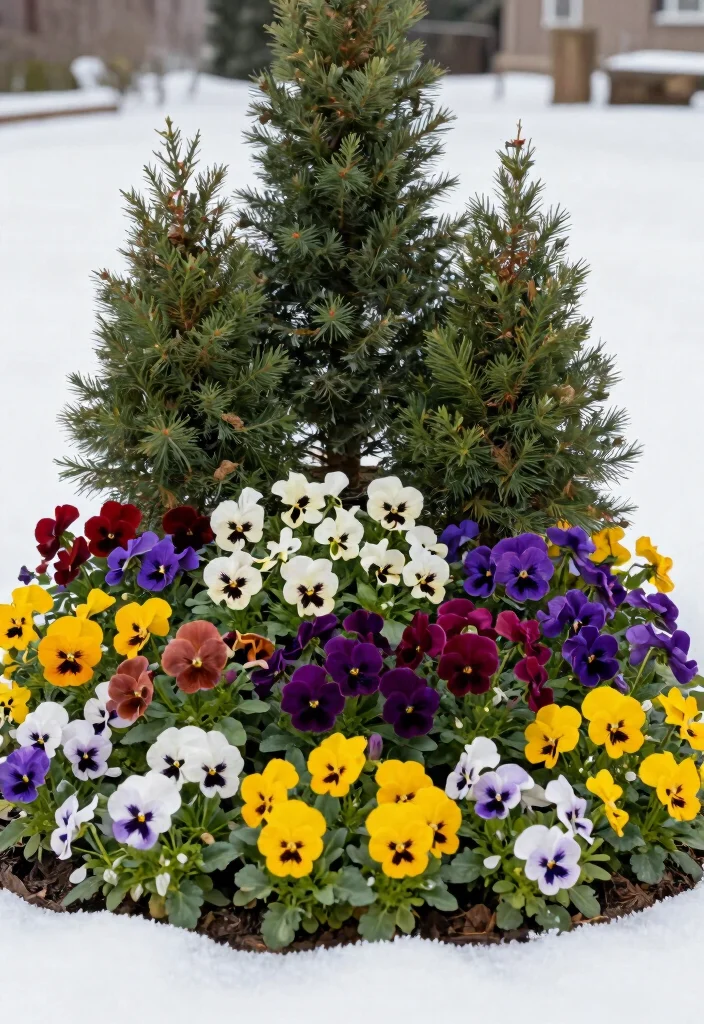
Layering your plants is a fantastic way to create depth in your winter container garden. Position taller plants at the back, medium ones in the middle, and shorter varieties at the front for a visually appealing arrangement. This method ensures that each plant receives the light and nutrients it needs.
Use larger containers to accommodate various plant heights, giving roots plenty of space. Consider rotating seasonal plants as winter fades, and experiment with color combinations to enhance visual impact.
Layering tips:
– Use spacious containers for different heights.
– Rotate plants as seasons change.
– Mix colors for visual interest.
Layered planting transforms even the smallest areas into lush, full displays, creating a stunning focal point that enchants throughout the cold months.
Conclusion
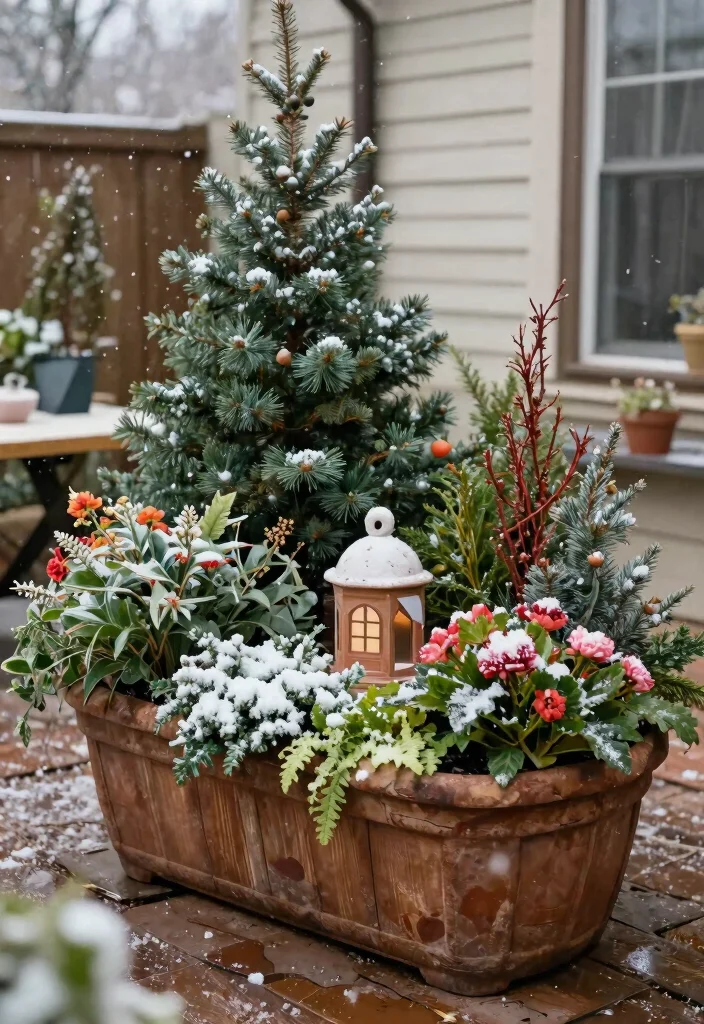
Winter container gardening is an exciting way to keep your small space vibrant and engaging, even during the cold months. By incorporating evergreen plants, vibrant blooms, and creative accents, your winter garden can truly thrive. From layering to thematic groupings, there are endless ways to express your creativity and love for gardening all year round.
Consider these ideas as you plan your own winter container garden, and don’t hesitate to mix and match to find what works best for you. Here’s to a beautiful winter garden that brings joy and life into your space!
Note: We aim to provide accurate product links, but some may occasionally expire or become unavailable. If this happens, please search directly on Amazon for the product or a suitable alternative.
This post contains Amazon affiliate links, meaning we may earn a small commission if you purchase through our links, at no extra cost to you.
Frequently Asked Questions
What are the best container plants for a winter container garden in a small space to stay colorful all season?
For a winter container garden that stays beautiful in a small space, start with a sturdy structural base and layer in color with season-appropriate choices.
Try evergreen fillers like dwarf conifers or compact grasses for year-round presence, plus winter-flowering blooms such as violas and pansies for continuous color. Add ornamental kale or cabbage for bold texture, and finish with foliage accents from heuchera or heathers.
Choose containers with good drainage and place them in a sunny spot or near a warm wall. Water sparingly in winter and top-dress with a light mulch to preserve soil moisture. Grouping several smaller pots can create a striking, cohesive look even in a tiny entryway or balcony.
How can I design a winter container garden for a tiny space to keep it feeling like year-round garden ideas?
Designing a winter container garden for a small space is all about layering structure, color, and texture.
Start with a year-round structure using evergreen plants or compact evergreens. Build color with winter annuals or peppers of red, purple, or silver foliage. Add texture with ornamental grasses and frost-hardy perennials that resist cold. Use vertical elements like plant stands or a small trellis to maximize space, and keep a cohesive color palette to ensure a unified look.
Group containers together on a small table or railing, and consider weatherproof containers to maintain curb appeal throughout the winter garden design season.
What are essential winter gardening tips for container plants to survive cold weather?
Keep your winter container garden thriving with practical tips you can apply today.
Choose cold-hardy plants suited to your climate, ensure drainage is excellent, and protect pots from freeze-thaw with insulation or wrapping. Move delicate vessels to sheltered spots during storms, and water only when the soil is dry to the touch to avoid root rot. Use a light mulch or insulating wrap on pots and consider placing pots on risers to prevent direct contact with cold ground. Regularly check for wind exposure and adjust plant positions to reduce drying wind burn, keeping your winter container garden looking fresh all season.
Which container plants for winter are easiest to care for and still provide color and texture?
If you want low-maintenance beauty, start with hardy combos like violas or pansies for color, ornamental kale or cabbage for drama, and evergreen fillers such as dwarf conifers or compact grasses for structure. Add a pop of texture with heuchera foliage or heathers that thrive in cool temperatures. For scent and versatility, include rosemary or thyme in sheltered spots. With these selections, your winter container garden remains colorful and interesting with minimal fuss.
How can I maintain a winter container garden to look good and perform well throughout the season?
Maintenance is the secret to a standout winter container garden.
Plan a simple routine: deadhead spent blooms to encourage new color, prune leggy evergreens to keep a neat shape, and refresh soil in late winter or early spring. Rotate plants to balance sun exposure, top-dress with compost or a light soil mix, and replenish mulch to conserve moisture. Check irrigation and adjust for colder temperatures, and protect delicate plants from strong winds or salt spray. With a steady maintenance routine, your winter container garden will stay vibrant and year-round beautiful.
Related Topics
winter container garden
small space gardening
cold-weather plants
year-round garden
winter gardening tips
DIY container design
easy winter gardening
evergreen container plants
decorative planters
seasonal gardening
urban gardening solutions
beginner friendly gardening