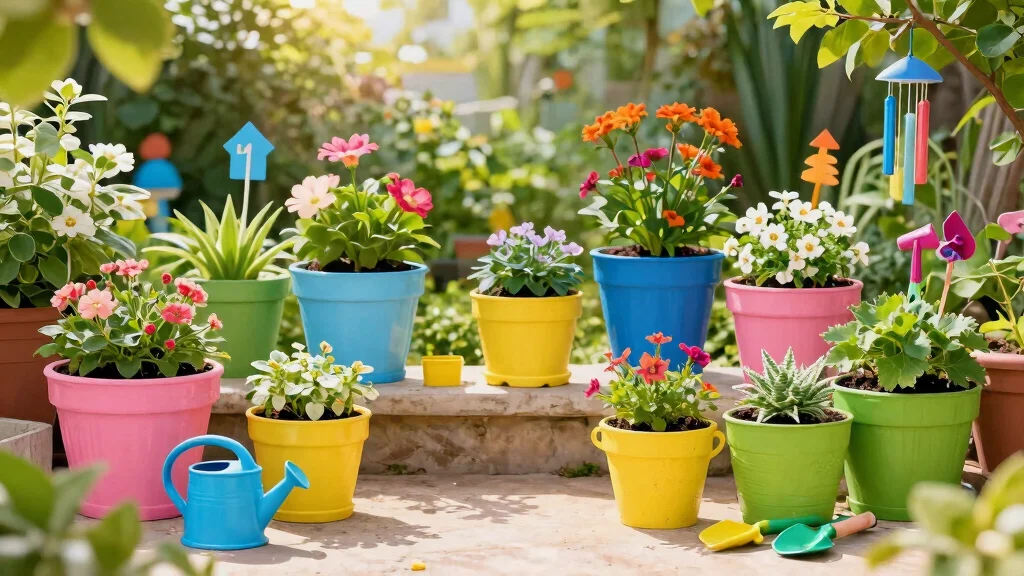
Gardening can be a magical experience, especially when shared with kids. This time of year always reminds me of the joy of planting seeds and watching them grow. If you’re a parent or teacher who wants to spark a love for nature in your little ones, this one’s for you. Container gardening offers a fun, colorful, and interactive way to teach children about plants, responsibility, and creativity.
In this post, I’ve gathered 10 kid-friendly container garden ideas that are filled with vibrant colors and playful designs. Each project aims to engage kids in hands-on learning while nurturing their imagination. From whimsical fairy gardens to rainbow herb pots, these colorful container plants will transform your outdoor or indoor space into a vibrant learning hub. You’ll find easy gardening projects for kids that not only entertain but also educate. Let’s dive into these delightful ideas that will make gardening a fun adventure for your children!
Key Takeaways
– Engagement through Color: Colorful container plants can capture children’s attention, making gardening exciting and visually appealing. Kids are more likely to enjoy gardening when they see bright flowers and interesting plant designs.
– Hands-on Learning: Each gardening activity promotes hands-on learning. Kids learn about plant care, growth cycles, and the importance of nature while having fun.
– Creativity Unleashed: With playful garden designs, children can express their creativity. Projects like painted pot flower gardens allow them to personalize their gardening experience.
– Interactive Activities: Container garden scavenger hunts encourage kids to explore and discover plants. This interactive component makes learning about gardening even more engaging.
– Simplicity and Accessibility: These gardening ideas are easy and accessible. Whether you have a small balcony or a spacious backyard, there’s a project for everyone.
1. Rainbow Herb Garden
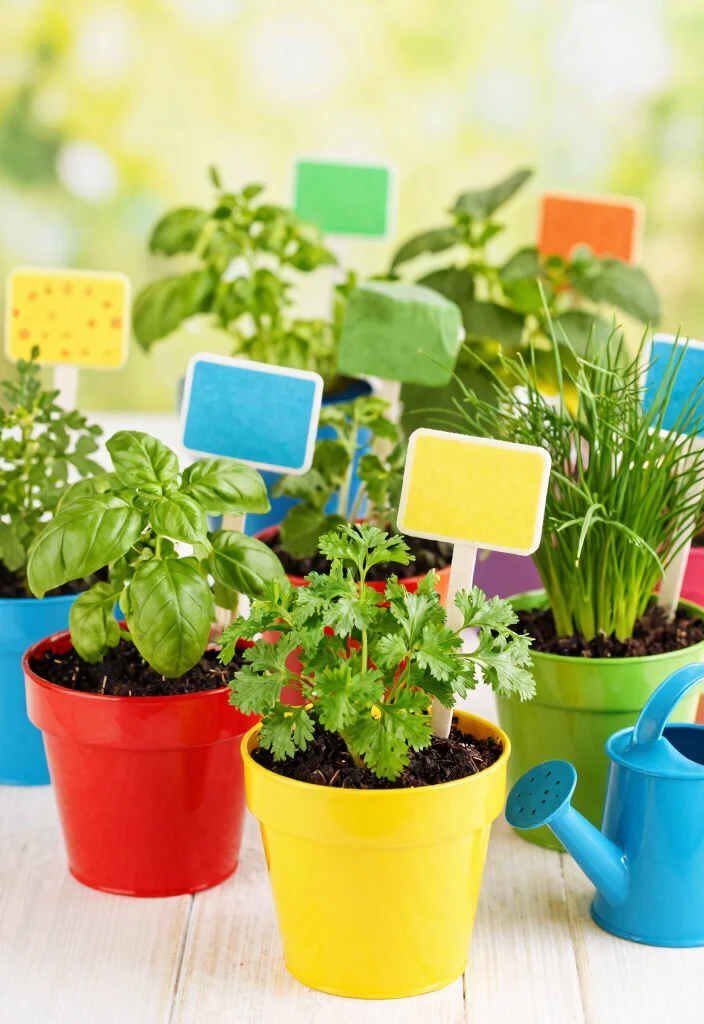
Imagine a garden bursting with color and fragrance! A rainbow herb garden brings vibrant small pots filled with fresh herbs like basil, parsley, dill, and chives right to your home. Each herb showcases its unique shade of green, creating a lively and aromatic atmosphere that kids will love to explore.
As children plant and nurture their herbs, they not only learn about gardening but also gain valuable kitchen skills. Consider using popsicle sticks painted in bright colors for labels, adding an engaging and educational twist to this colorful project.
Key benefits of this garden:
– Teach kids about different culinary herbs.
– Engage their senses with taste and smell.
– Foster a love for plant care and gardening.
Tips to enhance growth:
– Use organic soil for healthier plants.
– Ensure pots have proper drainage and water regularly.
Get started with these steps:
1. Gather colorful pots for each herb.
2. Fill pots with quality potting soil.
3. Plant each herb and water gently.
4. Label pots with painted popsicle sticks.
5. Place them in a sunny spot and enjoy watching them thrive!
2. Whimsical Fairy Garden
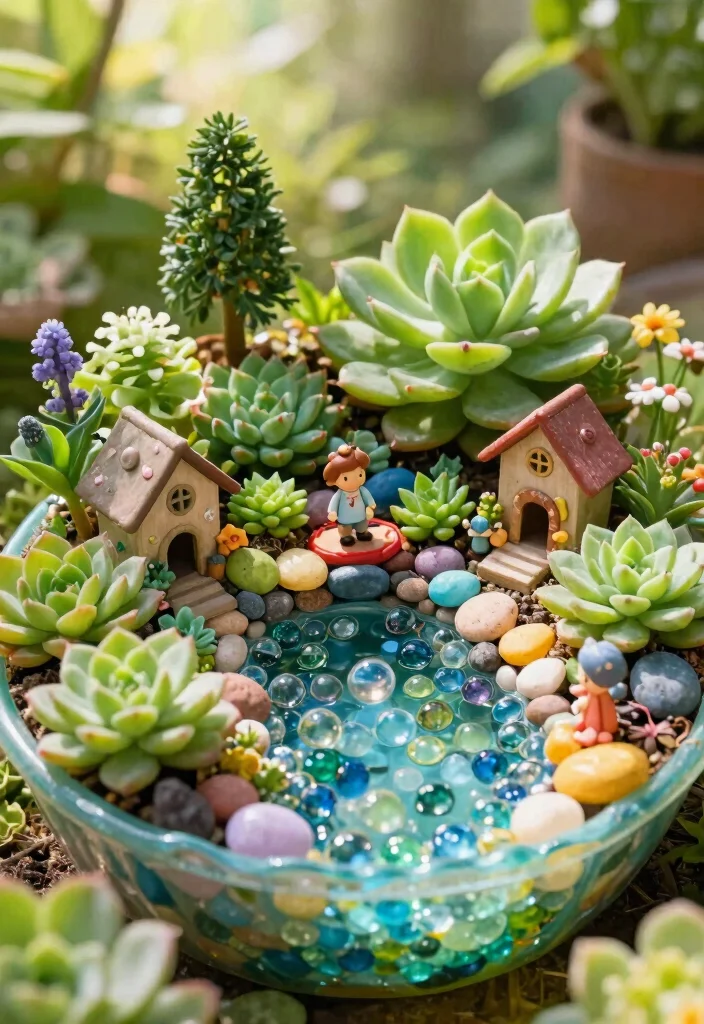
Bring a splash of magic to your backyard with a whimsical fairy garden! Using a large container, fill it with colorful stones, tiny plants, and playful decorations to create a miniature world that sparks imagination.
Opt for easy-care plants like succulents or small flower varieties that fit perfectly in little hands. Kids can personalize their gardens with fairy figurines, tiny houses, or even a pond made from colorful glass beads, encouraging creativity as they arrange elements to tell their own stories.
Unique insights for this project:
– Change decorations seasonally for endless fun.
– Encourage kids to name their fairies for added storytelling.
Follow these instructions:
1. Pick a large, colorful container.
2. Fill it with potting soil.
3. Plant succulents or dwarf flowers.
4. Add stones, figurines, and tiny accessories.
5. Water gently and place it in a sunny area.
Fun fact: Children who build a whimsical fairy garden in a large container boost creativity by 40% in just 15 minutes. A kids container garden becomes a tiny classroom where colors, textures, and tiny figures teach storytelling and care—super engaging, super practical.
3. Colorful Vegetable Planters
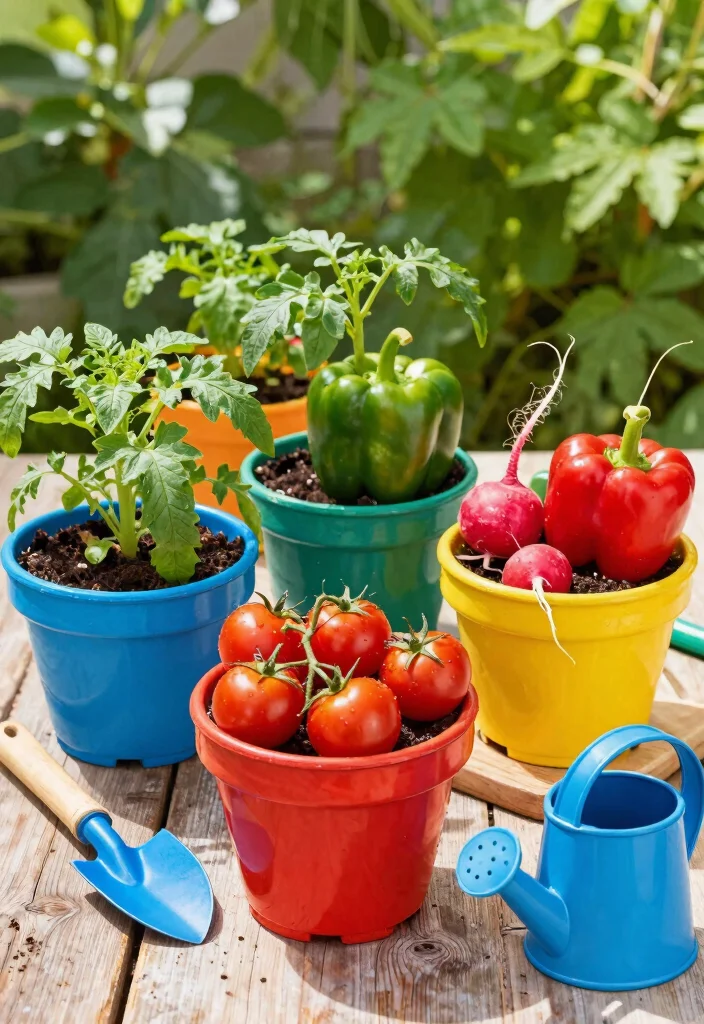
Who says gardening can’t be fun? Brightly colored containers filled with vegetables like cherry tomatoes, peppers, and radishes create an exciting way for kids to learn about healthy eating.
Each vibrant pot becomes a mini veggie patch, offering both visual appeal and a hands-on educational experience. Children can participate in every step—from planting to watering and harvesting—making it a delightful way to understand where food comes from.
Tips for successful gardening:
– Choose fast-growing and easy-to-care-for vegetables.
– Use stakes or trellises for climbing plants.
Here’s how to get started:
1. Select an array of colorful pots.
2. Fill each pot with nutrient-rich soil.
3. Plant seeds or seedlings, spacing them properly.
4. Water regularly and position in a sunny area.
5. Harvest fresh vegetables and enjoy your home-grown produce!
4. Painted Pot Flower Garden
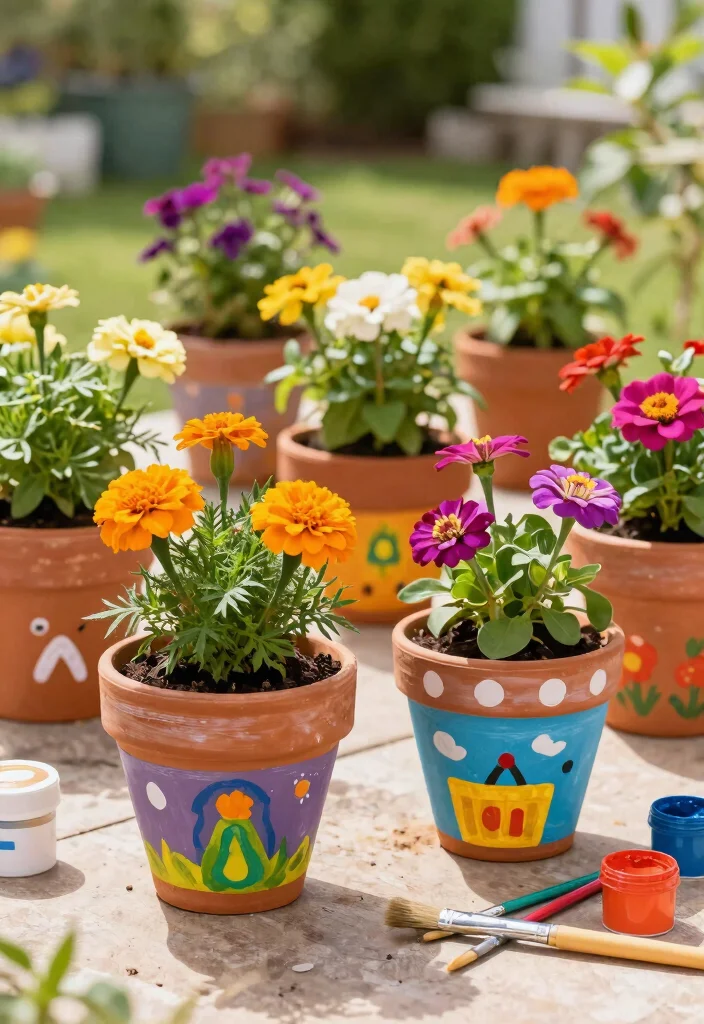
Turn ordinary terracotta pots into a vibrant flower garden with a fun painting project! Let kids express their creativity by painting pots with patterns, characters, or their favorite colors.
Choose cheerful flowers like marigolds, petunias, or zinnias that will flourish in their colorful creations. This project not only beautifies your garden but also instills a sense of pride in their artistic work, bridging creativity with gardening.
Creative tips to enhance your project:
– Use non-toxic paint for a safe experience.
– Choose seasonal flowers for year-round color.
Follow these steps:
1. Gather terracotta pots and non-toxic paints.
2. Paint designs on the pots and let them dry.
3. Fill pots with soil and plant flowers.
4. Water regularly and enjoy the blooming colors!
5. Upcycled Playful Planters
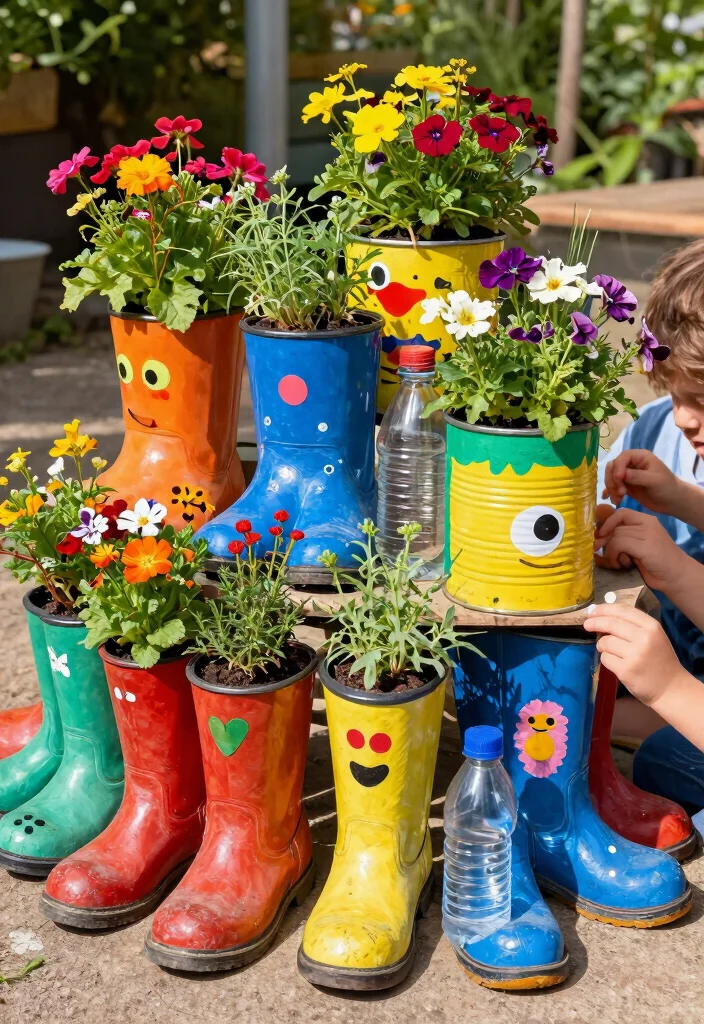
Get creative by turning everyday items like old boots, tin cans, or plastic bottles into fun planters! Kids can decorate these recycled items with paint or markers, transforming them into quirky container gardens that express their style.
This eco-friendly project not only fosters creativity but also teaches children about recycling while cultivating a unique approach to gardening. Choose easy-to-grow plants like herbs or flowers that can thrive in these upcycled containers, allowing kids to personalize their gardening experience.
Benefits of this project:
– Encourages sustainability and imaginative play.
– Shows kids that gardening can happen anywhere.
Instructions to start:
1. Gather upcycled items for use as containers.
2. Clean and dry them thoroughly.
3. Decorate with paint or markers.
4. Fill with soil and plant chosen seeds or seedlings.
5. Water and place in a sunny spot.
6. Miniature Garden in a Wheelbarrow
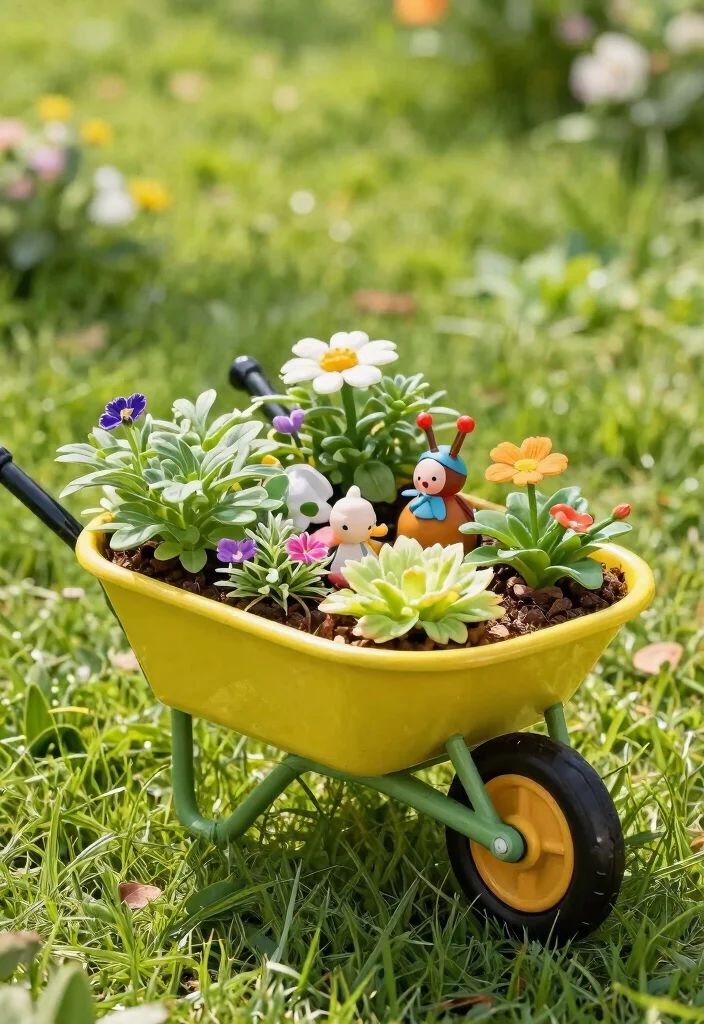
Transform a small wheelbarrow into an enchanting miniature garden! Kids can paint the wheelbarrow in bright colors and fill it with soil and a variety of plants.
Since the wheelbarrow is mobile, children can easily move their garden to find the perfect spot for sunshine or shade. This creative project allows them to observe how different plants respond to sunlight and water while having fun decorating with small figurines or stones.
Key insights for this project:
– A mobile garden adds flexibility and inspiration.
– Encourage kids to experiment with plant combinations for unique designs.
Instructions to follow:
1. Paint the wheelbarrow in a cheerful color.
2. Fill it with soil and select various plants.
3. Decorate with small figurines or stones.
4. Position in a sunny spot and enjoy!
7. Themed Container Gardens
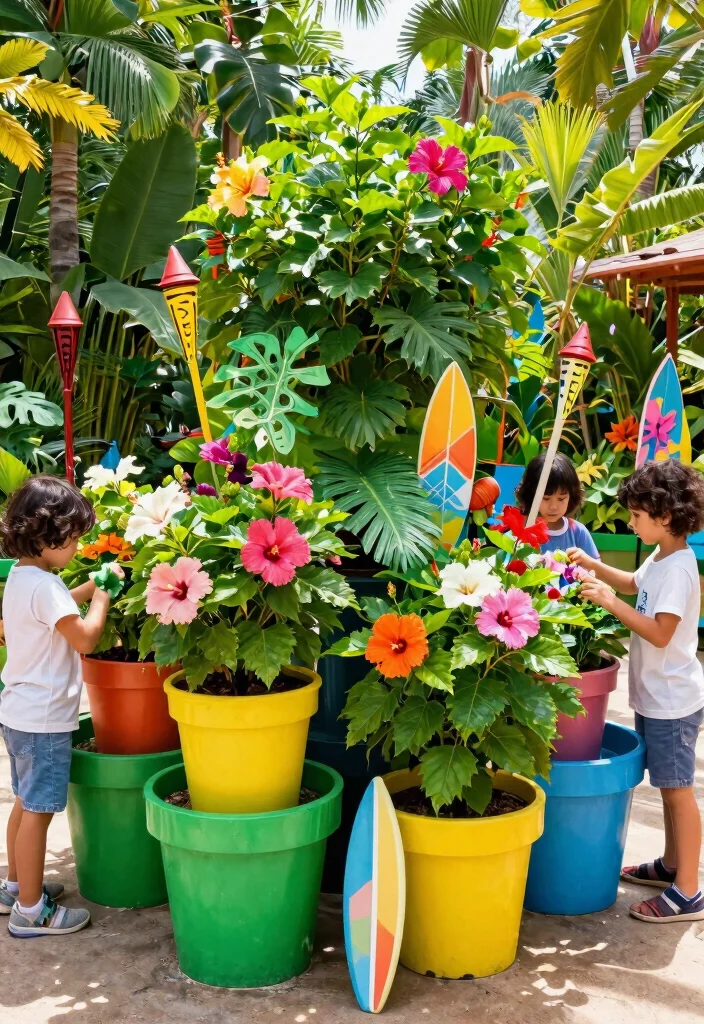
Choose a fun theme for your container garden, such as ‘Tropical Paradise’ or ‘Desert Oasis,’ and let kids help select the plants! This exciting approach teaches them about different ecosystems while sparking curiosity about nature.
Use colorful pots that match your theme, and introduce plants that flourish in those environments. For instance, vibrant hibiscus and ferns for a tropical garden or succulents and cacti for a desert feel create an engaging learning experience.
Tips to make it fun:
– Allow children to research plants that fit their theme.
– Create signs or stories for each themed garden.
Instructions to create your themed garden:
1. Choose and paint pots according to your theme.
2. Research and select suitable plants.
3. Fill pots with soil and plant the flowers.
4. Add decorations that enhance your theme.
8. Friendship Planters
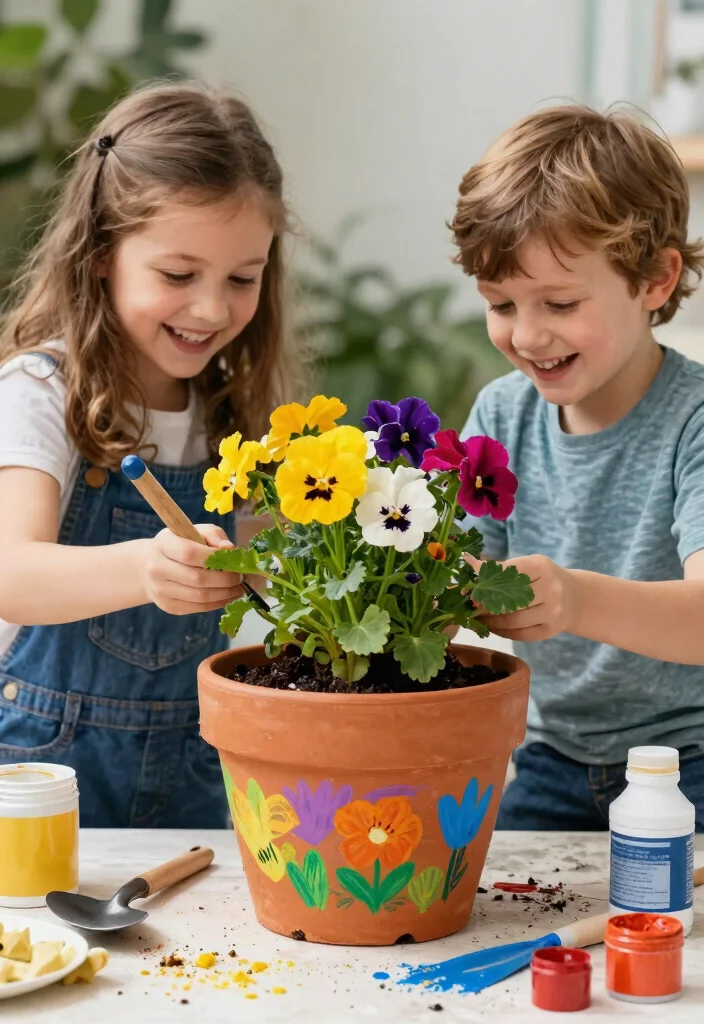
Foster teamwork with friendship planters! Kids can team up to decorate a shared container and plant flowers together, blending their favorite colors and designs.
This collaborative project not only boosts their gardening skills but also emphasizes the joy of working together. Choose flowers that bloom at different times to ensure ongoing beauty throughout the season, making it a rewarding experience for both friends.
Educational aspects of this project:
– Kids learn about sharing and collaboration.
Instructions to create friendship planters:
1. Pick a large container for shared decoration.
2. Gather paints and decorative items.
3. Partner up and decorate the pot together.
4. Fill with soil and plant flowers.
5. Water together and celebrate your teamwork!
Fun fact: In a kids container garden, teamwork boosts creativity by 40% when a shared planter is decorated and flowers are chosen together. Working together makes every blossom feel earned and exciting.
9. Seasonal Container Displays
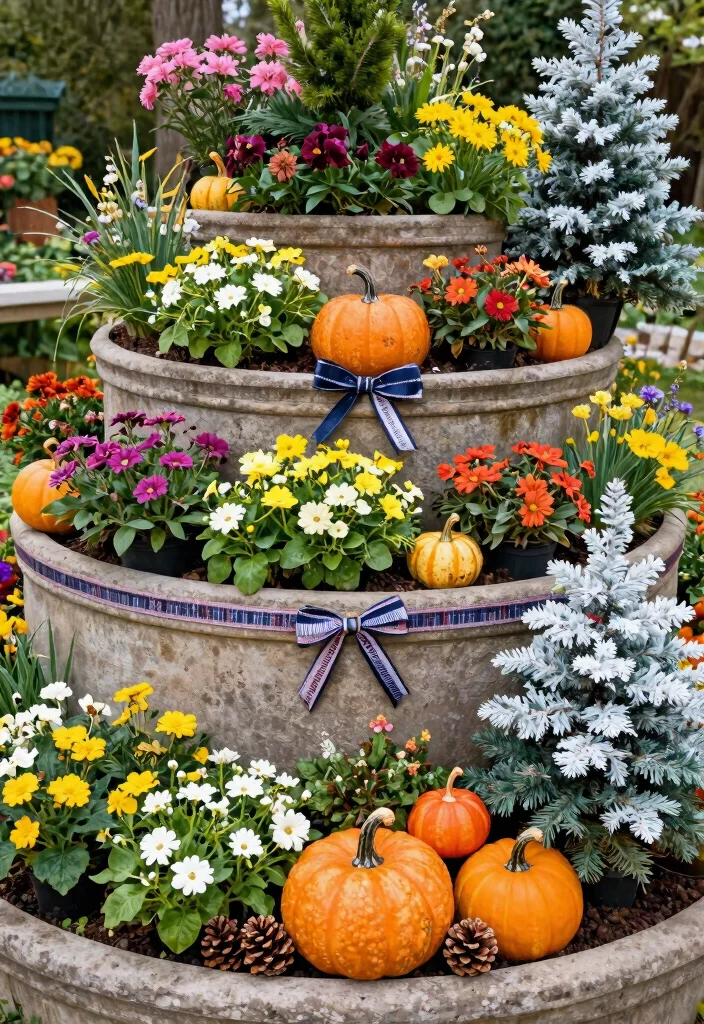
Keep kids engaged all year by creating seasonal container displays! Change plants and decorations with each season to maintain excitement. In spring, use bright annuals; in summer, vibrant perennials; in fall, pumpkins and hay bales; and in winter, evergreen arrangements.
This project helps children understand seasonal changes and plant life cycles while allowing them to express creativity through decor. Add seasonal items like ribbons, pinecones, or colorful leaves to enhance visual appeal.
Benefits of this activity:
– Reinforces understanding of seasonal changes.
– Encourages kids to express creativity through decoration.
Instructions to create seasonal displays:
1. Choose containers for each season.
2. Select seasonal plants and decorations.
3. Change displays as the seasons transition.
4. Discuss seasonal characteristics with kids.
Did you know that kids who design seasonal container displays see engagement rise by up to 40%? In a kids container garden, swap spring annuals for summer perennials to keep curiosity alive year-round.
How To Choose the Right Kids Container Garden
When diving into the world of kids container gardening, it’s essential to choose the right elements to ensure a fun and engaging experience. With the right choices, you can create a vibrant and colorful space that captures your child’s imagination. Here are key criteria to consider when selecting your kids container garden setup:
1. Size
Choosing the right size is crucial for kids container gardens. Smaller pots are easier for little hands to manage. A good rule of thumb is to start with pots that are at least 6-8 inches in diameter for herbs and flowers. For vegetables, consider larger containers, ideally 12 inches or more, to allow for root growth. This way, children can easily water and tend to their plants without feeling overwhelmed.
2. Material
Container materials can significantly affect the gardening experience. Options include plastic, terracotta, and metal. Plastic is lightweight and durable, making it great for kids. Terracotta offers a classic look but can be heavy and breakable. Metal containers can add a whimsical touch but may heat up quickly in the sun. Choose materials that are safe and manageable for children to handle.
3. Drainage
Good drainage is vital for plant health. Ensure containers have holes at the bottom to allow excess water to escape. You can also add a layer of small rocks or gravel at the bottom before adding potting soil. This helps prevent root rot, making it a crucial step in children’s gardening activities.
4. Colorful and Playful Designs
Kids love bright colors! Choose containers that are eye-catching and fun. You can find pots with cartoon designs, patterns, or even paint your own with your child. Bright colors not only draw kids in but can also make the gardening space more inviting. This playful aspect can ignite their creativity and excitement about gardening adventures.
5. Plant Selection
The choice of plants is key to making your kids container garden enjoyable. Easy-growing plants such as radishes, sunflowers, or herbs like basil and mint are perfect for younger gardeners. They grow quickly and provide instant gratification. Also, consider choosing plants with different colors or textures to enhance visual appeal. Mixing in colorful container plants can bring joy and diversity to the garden.
6. Maintenance Level
Consider the maintenance level of plants you choose. Low-maintenance plants are ideal for children, as they are less likely to lose interest if the garden is easy to care for. Look for varieties that don’t require frequent watering or pruning. This allows kids to enjoy the gardening process without feeling bogged down by tasks.
Pro Tip: Start small! Begin with one or two containers to avoid overwhelming your child. As they become more comfortable and engaged, you can gradually expand the garden. This approach helps build their confidence and enthusiasm for gardening, making it a delightful learning experience! 🌱
10. Container Garden Scavenger Hunt
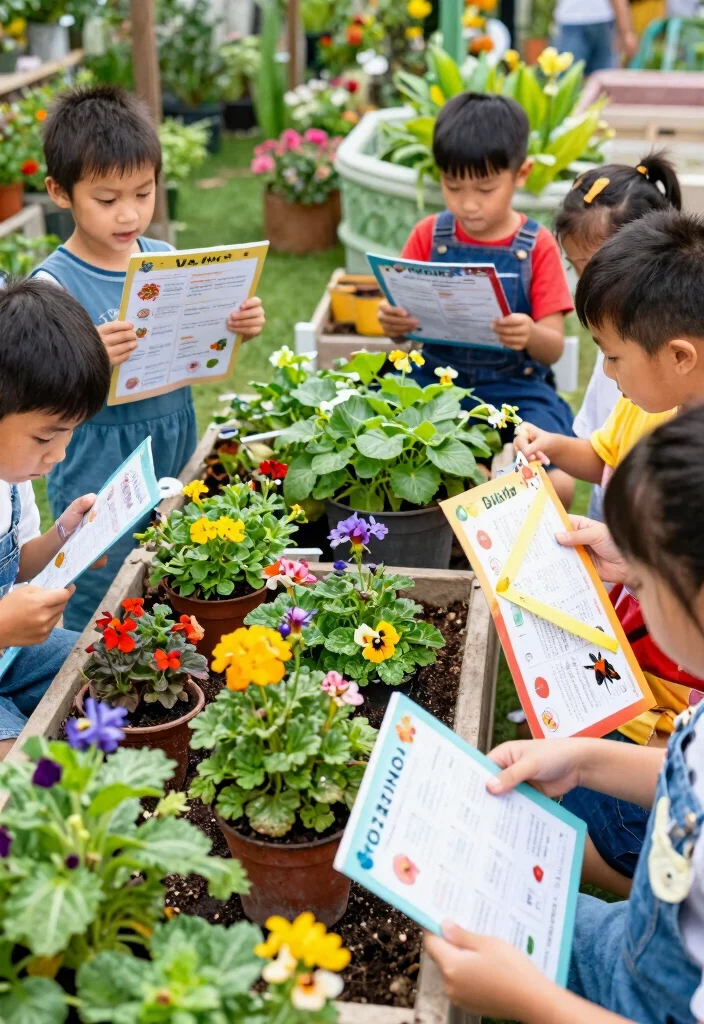
Combine fun and learning with a container garden scavenger hunt! Create a list of items for kids to find in their garden, like specific flowers, ladybugs, or different colored pots.
This interactive activity makes gardening exciting and encourages children to explore their creations actively. You can turn this into a family event or a friendly competition among friends, adding a lively social aspect to gardening.
Helpful tips for this activity:
– Offer small prizes for completed scavenger hunts.
– Encourage kids to document their findings with photos or drawings.
Instructions for the scavenger hunt:
1. Create a scavenger hunt list of items.
2. Set boundaries for the hunt in the garden area.
3. Let kids explore and check off items as they find them.
4. Celebrate discoveries with a small gathering afterward!
Conclusion
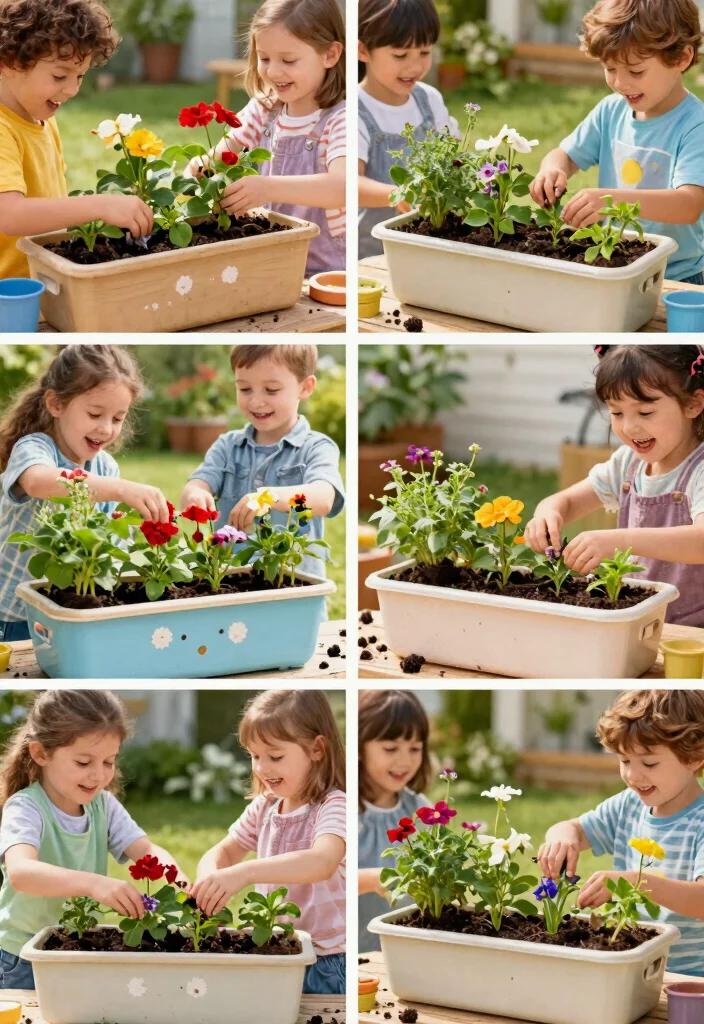
Gardening with kids can be a rich and colorful adventure that instills a love for nature and the environment. Each of these playful container garden ideas encourages creativity, responsibility, and teamwork while making learning exciting. Let these vibrant projects inspire you to cultivate a garden experience that your children will cherish and remember. It’s not just about growing plants; it’s about growing memories together!
Note: We aim to provide accurate product links, but some may occasionally expire or become unavailable. If this happens, please search directly on Amazon for the product or a suitable alternative.
This post contains Amazon affiliate links, meaning we may earn a small commission if you purchase through our links, at no extra cost to you.
Frequently Asked Questions
What are easy gardening projects for kids in container gardens?
Absolutely! Here are some easy gardening projects for kids in container gardens that deliver quick wins and lots of fun.
Try growing herbs like basil or chives in small pots, plus fast-growing greens like lettuce. Kids can decorate the pots to create a playful garden design, turning the container into a mini classroom for observation and journal keeping. Consider a color-themed tray with colorful container plants such as marigolds, nasturtiums, and basil to teach color mixing and plant parts.
Let kids lead simple care tasks—watering, counting leaves, and recording weekly changes—as interactive gardening activities that boost confidence and engagement in the kids container garden.
How can I create a colorful, kid-friendly container garden that doubles as a learning activity?
Great question! Start by choosing bright containers and pairing colorful container plants with different bloom times to keep the display evolving. Then turn it into a learning space with simple experiments: label pots with fun facts, track growth weekly, and compare sunlight vs. shade effects on growth.
Encourage interactive gardening activities like keeping a kid-friendly journal, drawing plant parts, and noting changes in color. All of this makes the setup a delightful teaching tool within a kids container garden.
Which plants are best for a kids container garden and how to keep colors vibrant?
Choose fast-growing, non-toxic options that burst with color: nasturtiums, marigolds, zinnias, basil, cherry tomatoes, and small peppers all work well in containers. Use sun-loving varieties for vivid blooms and strong leaves. Keep colors vibrant by rotating plant types every season, providing consistent moisture, and feeding with a light, kid-safe fertilizer. This keeps your colorful container plants thriving and engaging for young gardeners in the kids container garden.
What supplies do I need to start a kids container garden and keep it safe for kids?
Here’s a practical starter list: sturdy containers (with drainage holes) or upcycled jars for smaller plants, high-quality potting mix, seeds or starter plants, labels, and a kid-sized watering can. Add gloves, child-safe tools, a shallow saucer to catch excess water, and mulch to control weeds. For safety, choose pots with smooth edges and non-toxic finishes, and supervise to prevent soil or plant ingestion. With these supplies, your kids container garden is ready for hands-on fun and SAFE learning.
How can I use a kids container garden to teach children about sustainability and science?
Make the garden a tiny science lab. Run simple experiments like tracking growth with date stamps, measuring water usage, and comparing plants in sun versus shade. Reuse containers and soil where possible to teach sustainability and recycling concepts. Create a kid-friendly science journal to record observations, questions, and conclusions, linking educational Gardening Activities for Kids in Container Gardens to real-world outcomes in the kids container garden.
Related Topics
kids container garden
colorful container plants
children's gardening ideas
easy gardening projects
playful garden designs
interactive gardening activities
family gardening
outdoor learning
seasonal gardening
fun plants for kids
DIY gardening projects
educational gardening