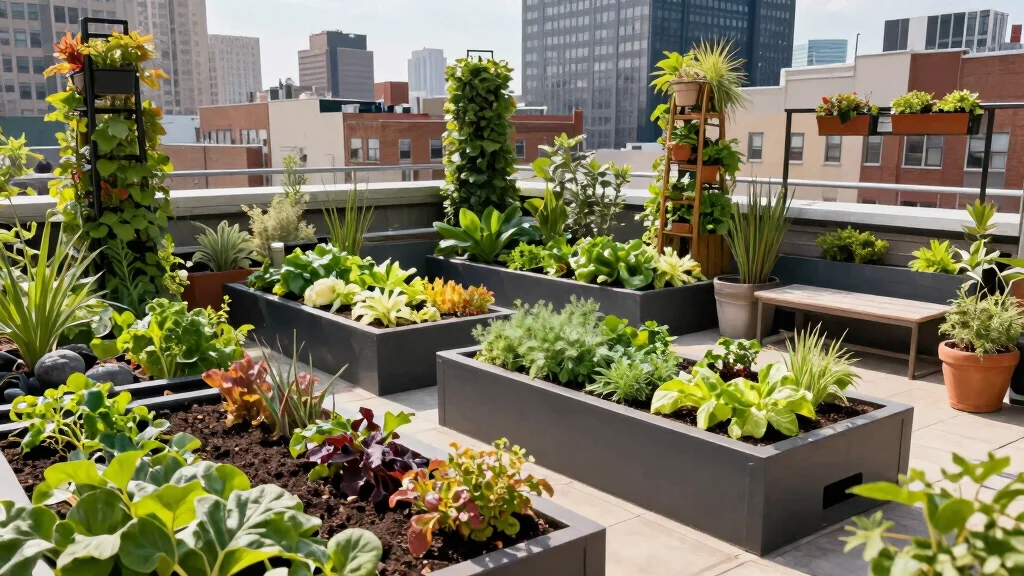
Creating a garden in a small urban space can feel like a daunting task. You might find yourself craving fresh vegetables, fragrant herbs, or vibrant flowers, but limited space often stands in your way. That’s where keyhole raised garden beds come into play. They are not just practical; these innovative garden designs allow you to maximize your growing area while minimizing the space required. With their unique circular shape and vertical gardening techniques, keyhole raised garden beds can help you cultivate a bountiful garden, even in the tiniest corners of your yard.
If you’re an urban gardener or simply someone who loves to grow their own food, this post is for you. You care about efficiency and sustainability, and you want to find solutions that fit into your lifestyle. In this article, I’ve pulled together seven creative keyhole raised garden bed ideas that are space-saving, practical, and sure to help you grow more food. Whether you’re looking to create a modular design, incorporate trellises for vertical gardening, or explore companion planting, there’s something here for everyone.
By the end of this post, you’ll have a variety of keyhole raised garden bed ideas at your fingertips. You’ll learn about different designs, irrigation solutions, and how to make the most of your gardening space. So, grab your gardening gloves and let’s dive into these smart strategies that can transform your urban garden into a thriving oasis.
Key Takeaways
– Modular designs allow you to customize your keyhole raised garden bed, making it easier to fit into tight urban spaces while still growing a variety of plants.
– Vertical gardening techniques can be integrated with keyhole gardens, using trellises to support climbing plants and maximize your growth area.
– Herb spirals within keyhole gardens create a microclimate, allowing for diverse herb growth in a small footprint, enhancing flavor in your meals.
– Companion planting in keyhole beds encourages plant diversity, which can lead to healthier plants and better yields, all while using space efficiently.
– Irrigation solutions like drip systems or rainwater collection can be easily incorporated into keyhole gardens, ensuring your plants receive the right amount of water without additional hassle.
Recommended Products

Versatile Modular Design: G GOOD GAIN’s garden bed kits feature an innovative 4-in-1 system, allowing you to customize and arrange your bed into nine different configurations. Whether you have a small space or plenty of room, easily create the perfect garden layout with simple assembly. Flexibility has never been so easy!

【Fully Customizable Garden Solution】-Create the perfect raised garden bed layout by connecting multiple units into squares, rectangles. This modular planter raised bed system adapts to any space, making it ideal for both small balcony garden boxes and large backyard flower beds.

Size: Accessories for 2 complete garden beds in one box!!! 72"(L) x 36"(W) x 12"(H), growing area of this garden bed perfect for an array of vegetables, herbs, and flowers in your yard
1. Modular Keyhole Gardens for Tight Spaces
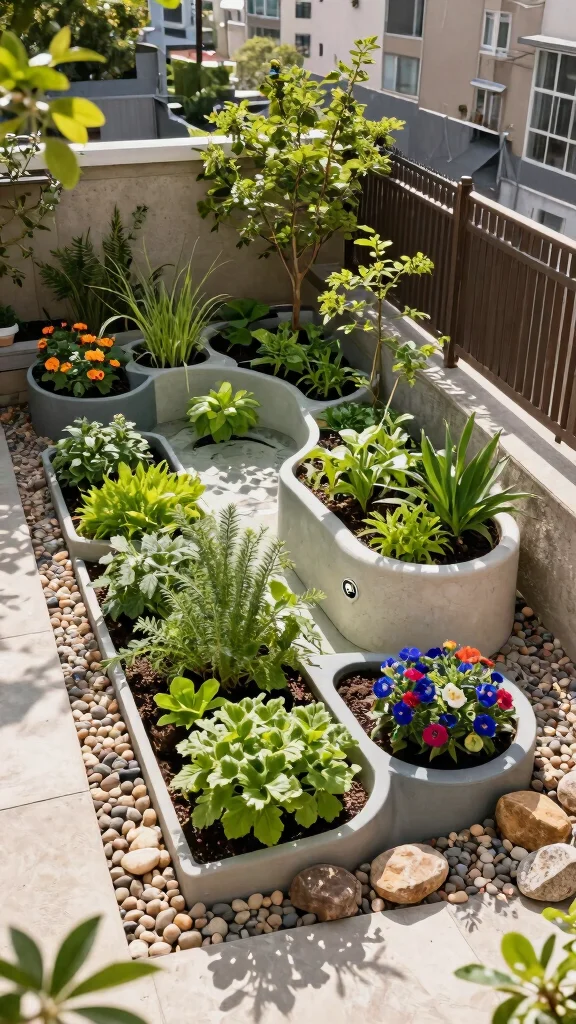
Are you struggling to find room for a garden in your small outdoor space? Modular keyhole gardens are the ideal solution. These versatile gardens consist of smaller, portable sections that easily fit into tight corners, allowing you to cultivate fresh produce without taking up much room. The keyhole design also makes it easy to reach every plant without stepping into the bed, keeping your soil intact and healthy.
With modular gardens, you gain flexibility to expand or adjust the size to suit your needs. They provide accessibility, letting you tend to your plants effortlessly, and their unique shapes add visual interest to your space. Plus, using materials like recycled wood or lightweight plastic keeps your garden eco-friendly while being functional.
When selecting plants, consider those that grow well together to maximize your yield and create a beautiful, bountiful garden.
Fun fact: modular keyhole raised garden bed systems can fit into a 4×6 ft balcony and still yield fresh veggies. Add more modules to grow 30% more produce without crowding your space. Reach every plant with the keyhole design, preserving soil health.
Recommended Products

【U-Shape Stability Structure 】 U-frame trellis is more stable than A-frame trellis. Allowing you to plant a row on both sides. The arch design maximizes the garden space.
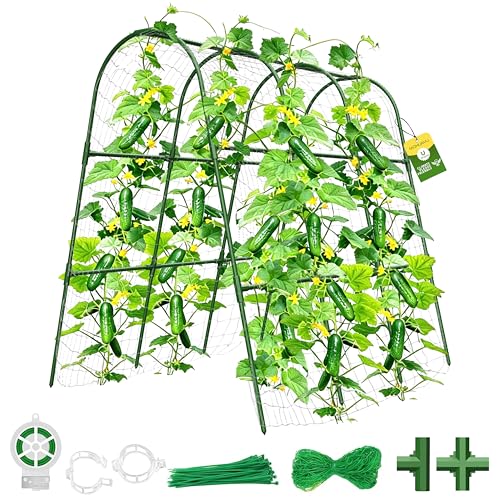
【U-Shape Stability Structure 】 U-frame trellis is more stable than A-frame trellis. Allowing you to plant a row on both sides. The arch design maximizes the garden space.

【Multi-Function】 Tall Tomato Cage-Each tomato cage can be adjusted from 16inches to 47 inches in height,suit for different growth stages of plants, offering versatile supports for a wide variety of tomato plants, ensuring they grow tall and strong.
2. Vertical Keyhole Gardens with Trellises
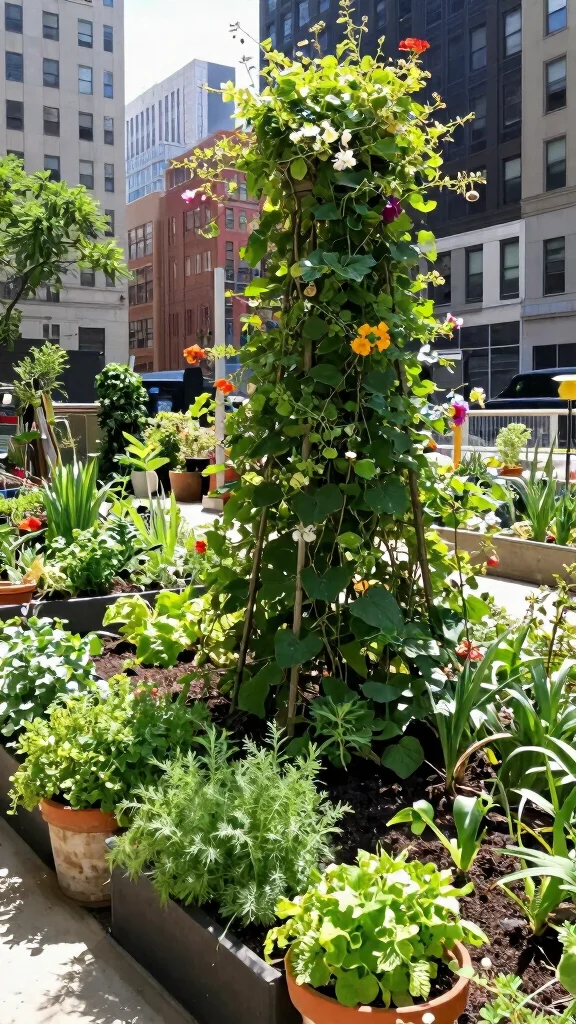
Do you want to grow more food in less space? Vertical keyhole gardens with trellises are the perfect answer. By training vining plants like tomatoes, cucumbers, and peas to grow upwards, you not only save ground space but also improve air circulation and sunlight exposure, leading to healthier plants.
This design helps you conserve space, allowing additional plants to flourish beneath. The upward growth reduces the risk of fungal diseases, while the vertical elements add visual intrigue to your garden. You can easily make a trellis using bamboo stakes or metal grids, creating a living wall that enhances your garden’s beauty and protects it from harsh winds.
As you grow your crops, remember to rotate them to maintain soil health and increase productivity.
Recommended Products

MADE IN THE USA – SUPPORTS 3 SMALL BUSINESSES Proudly manufactured in the United States. Every Smart Spring planter purchased directly supports three small U.S. businesses, helping keep jobs and production local.

【36 Pocket Vertical Garden】Features 36 individual planting pockets, allowing you to grow herbs, flowers, succulents, strawberries, vegetables, and other plants while maximizing vertical space.

【Perfect Design】The perfect solution for any gardening enthusiast who wants to save space and grow plants in style! Our vertical garden planter is not only functional but also aesthetically pleasing, adding a touch of elegance to any outdoor or indoor space.
3. Herb Spiral Keyhole Gardens
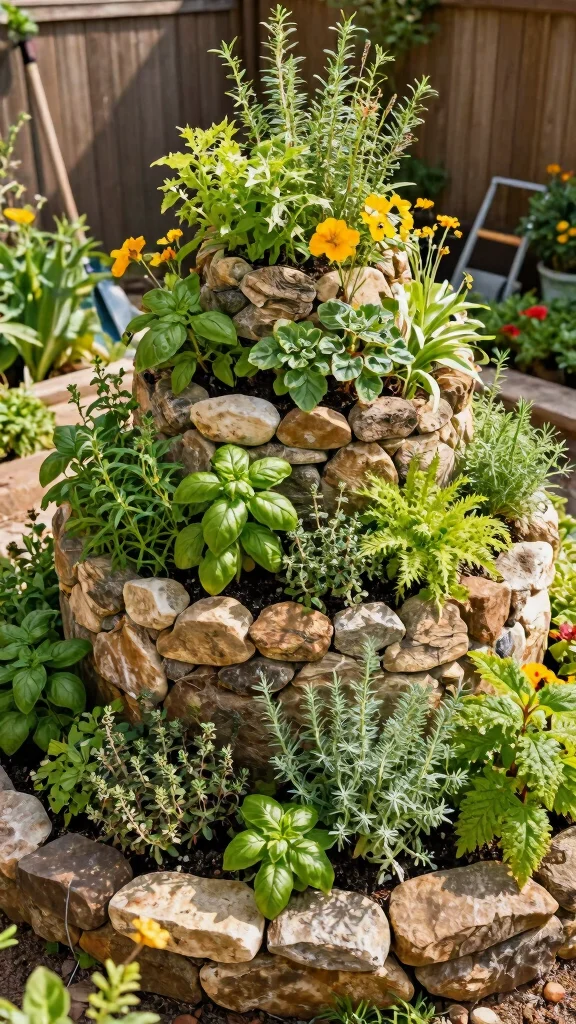
Looking for a unique way to grow fresh herbs? An herb spiral integrated into a keyhole raised bed is both functional and beautiful. This design allows you to cultivate various herbs in a compact spiral shape, creating different microclimates for each type of plant, ensuring they thrive.
An herb spiral offers exceptional benefits, including warmth for sun-loving herbs in the higher sections and moisture retention for those preferring cooler conditions below. The spiral shape makes harvesting quick and easy, turning cooking into a delightful experience. Additionally, it attracts pollinators and beneficial insects, boosting your garden’s health.
When constructing your herb spiral, use stones or bricks for a sturdy structure. Fill it with rich soil and compost, and plant a variety of herbs for a fragrant, vibrant addition to your outdoor space.
If you’re squeezing herbs into a small balcony, a herb spiral within a keyhole raised bed is a game changer. Top levels heat-loving herbs, while cooler-loving ones stay hydrated below, so you harvest more variety with less fuss. Plant once, water smartly, and enjoy fresh flavors all season.
Recommended Products

【 Rust-Resistant and Durable 】Planting bed is made from high-quality galvanized steel, effectively preventing rust and significantly extending its lifespan.Garden bed is treated on both sides with a non-toxic coating, ensuring safety and reliability. This construction not only enhances corrosion resistance but also provides excellent strength and stability, better resisting moisture and soil erosion. Additionally, it improves the aesthetic appeal of the product, meeting various gardening needs.

【Fully Customizable Garden Solution】-Create the perfect raised garden bed layout by connecting multiple units into squares, rectangles. This modular planter raised bed system adapts to any space, making it ideal for both small balcony garden boxes and large backyard flower beds.

Versatile Modular Design: G GOOD GAIN’s garden bed kits feature an innovative 4-in-1 system, allowing you to customize and arrange your bed into nine different configurations. Whether you have a small space or plenty of room, easily create the perfect garden layout with simple assembly. Flexibility has never been so easy!
4. Keyhole Beds with Companion Planting
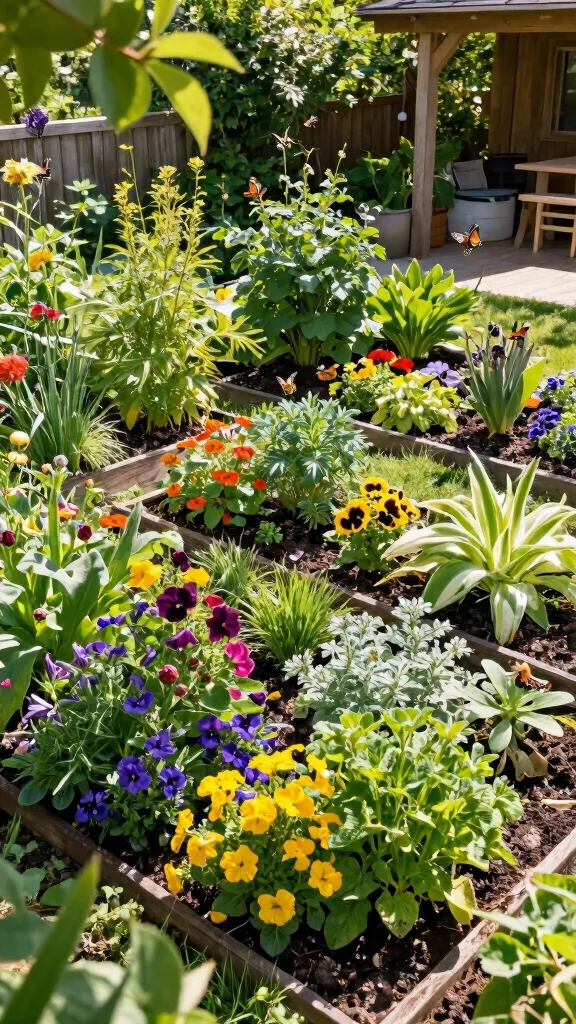
Are you looking to enhance your garden’s productivity? Companion planting in your keyhole raised beds can significantly optimize growth and deter pests. By pairing compatible plants like tomatoes and basil, you not only heighten flavor but also promote healthier development.
Companion planting offers several advantages, such as pest deterrence, where certain plants naturally repel harmful insects. Additionally, some plants help each other absorb nutrients better, leading to robust growth. This technique allows you to maximize the variety of plants you can grow, even in limited spaces.
Research which plant combinations work best for your garden. Consider adding flowers like marigolds that attract beneficial insects while keeping pests away. With this approach, your keyhole garden transforms into a thriving ecosystem full of life and productivity.
Recommended Products
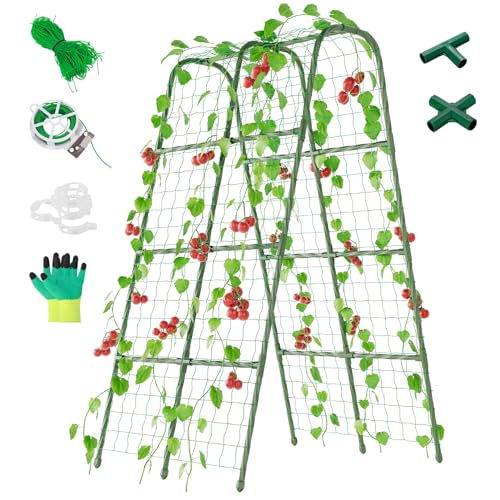
Versatile U-Shaped Trellis for Multiple Plants: Firm U-shaped design supports cucumbers, cherry tomatoes, beans, peas and more—perfect for raised beds, backyard gardens, and vertical growing.

【Rustproof Garden Trellis】The stainless steel core has a plastic coating on the exterior, which effectively isolates it from the air. This prevents rust and protects the plants from being burned, unlike a 100% metal cucumber trellis.

Durable Material: Plastic outside and metal inside pole, The garden trellis are made of durable plastic-coated steel core for reliable strength, long-lasting performance. Not easy to rust or break.
5. Keyhole Gardens with Irrigation Solutions
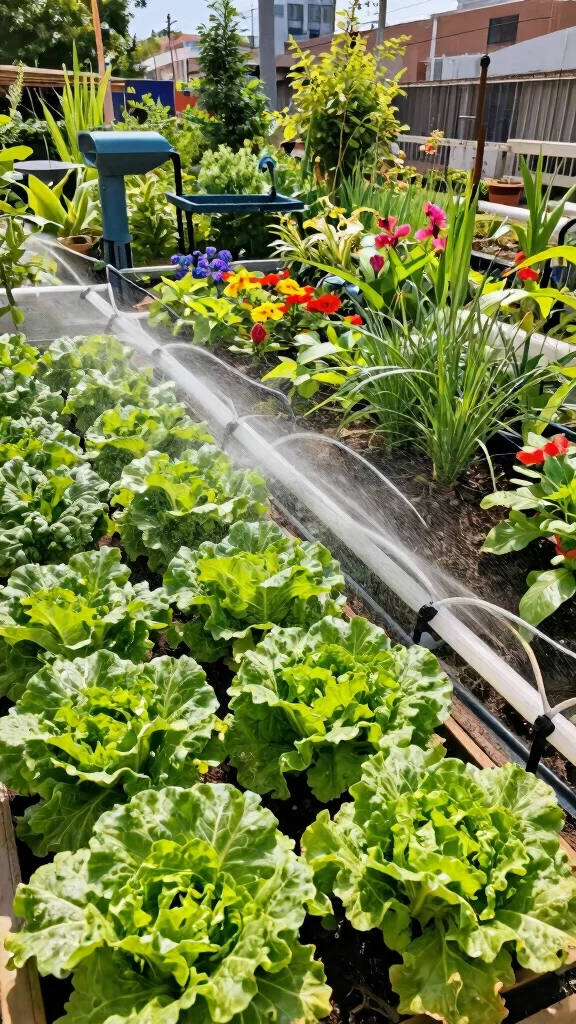
Are you tired of constantly worrying about watering your garden? Integrating an irrigation system into your keyhole raised garden bed can solve that issue. Drip irrigation ensures your plants receive just the right amount of water, conserving resources while promoting healthy growth.
This method is especially beneficial in urban areas where water efficiency is crucial. It conserves water by delivering it directly to the roots, reducing evaporation and discouraging weed growth. Plus, automated systems can be set up on timers to take the guesswork out of watering, making your gardening experience hassle-free.
When planning your garden, remember to strategically place your irrigation lines as you design your keyhole bed. This efficiency not only saves you time but also enhances the overall productivity of your garden.
Fun fact: Drip irrigation in a keyhole raised garden bed can slash water use by up to 50% while delivering moisture straight to the roots. Urban gardeners save water, reduce weeds, and grow more food with less effort.
Recommended Products

Convenient Drip irrigation kit has everything needed to water up to a 4’ x 8’ raised bed garden

NO MORE HARD INSTALLATION - SET UP IN MINUTES. Tired of struggling with stiff barbed fittings? This drip irrigation system features quick-connect fittings that let you push, lock, and secure tubing effortlessly. No tools, no leaks, just a smooth setup experience. Enjoy a frustration-free installation and get your garden watering system running in minutes.

Be a Gardening Master with the help of our superior and complete Drip Irrigation Kit: 10 Drip Irrigation Emitters Vortex + 20 Drip Emitters Spray + 50ft flexible & durable 5/16 irrigation tubing + 50ft 1/4 inch Drip Irrigation Tubing + 12 tubing coupler + 5 ¼ Tubing Tee Splitter + Tubing End Plugs + Water Connector + 1 x Complete Instructions Guide Hard Copy + 2 Grow your Own Vegetables & Fruits Guide full with pieces of advice and practical tips Digital Format.
6. Decorative Keyhole Garden Edges
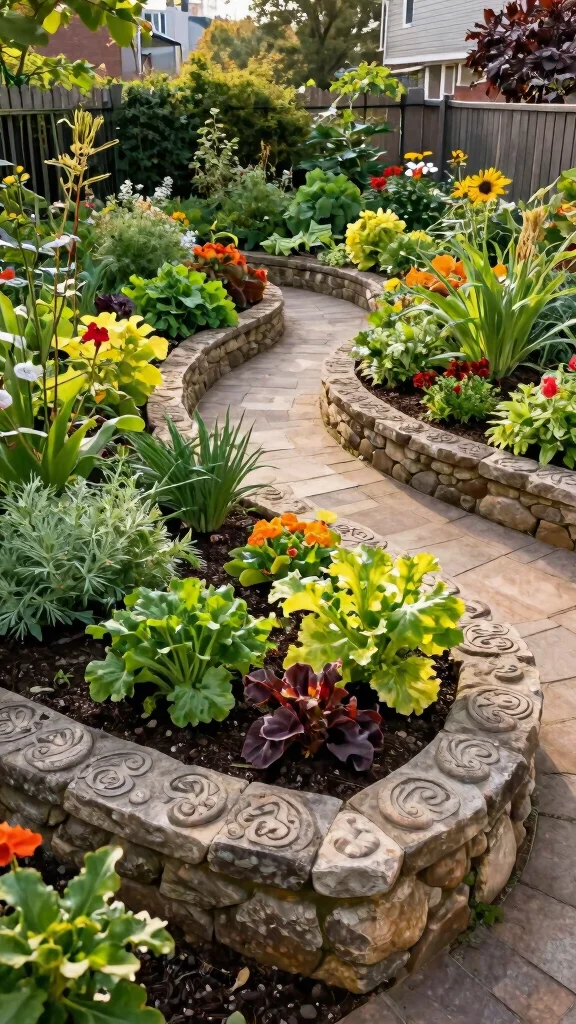
Want to add a dash of creativity to your garden? Decorative edges for your keyhole raised beds can enhance their beauty while providing practical benefits like keeping soil in place and preventing weeds. You can use materials like stones, bricks, or reclaimed wood to create an inviting and artistic look.
These decorative elements can also help define different sections of your garden, making it visually appealing and accessible. Consider using natural stones for a serene atmosphere, painted wood for a pop of color, or recycled materials for an eco-conscious vibe.
By incorporating decorative edges, you not only beautify your garden but also foster a sense of pride in your gardening efforts. Local plants and flowers along the borders can further attract beneficial insects and elevate the garden’s charm.
Recommended Products

【Vertical Garden Planter】 Elevate your gardening game with Taleco Gear's 5-tier vertical garden planter made of robust powder-coated metal.

[MINIMAL FOOTPRINT & MAXIMIZED SUNLIGHT] Save your valuable floor area! Designed to occupy very little ground space, this ergonomic trapezoid 5-tier vertical garden planter raised bed maximizes your growing capacity vertically. The smartly staggered structure ensures no plant is shaded, allowing every leaf to receive full sunlight and moisture. Whether on a narrow balcony or compact patio, this versatile vertical raised garden bed is perfect for harvesting fresh veggies, herbs, and blooms!

Larger Capacity for Bigger Growth: This large vertical planter tower offers increased planting volume and root space, making it ideal for serious gardeners, backyard food production, and high-yield growing.
7. Multi-Layered Keyhole Garden Beds
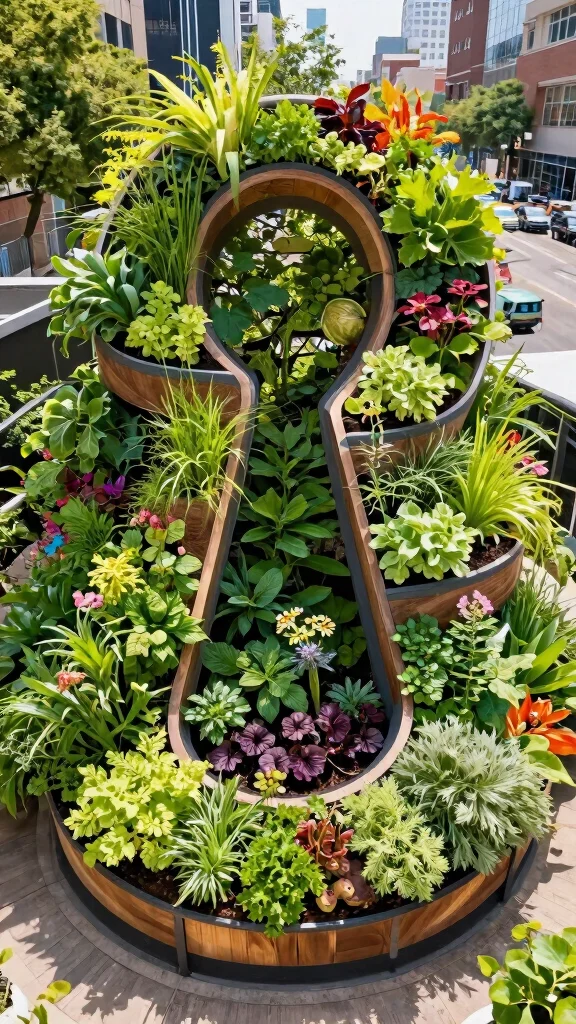
Are you looking for a creative way to maximize your gardening space? Multi-layered keyhole garden beds provide an innovative solution by stacking layers dedicated to different plants. This approach not only increases your growing surface area but also creates a stunning visual display.
The benefits of multi-layered gardens include higher yields, as more layers allow for more plants within the same area. Different heights create unique microclimates, allowing you to cater to each plant’s needs, while the intricate design adds a standout feature to your outdoor area.
Building a multi-layered keyhole garden can be done using various materials like wood, metal, or recycled items. Get creative with your design and consider companion planting to ensure a healthy ecosystem. This method is perfect for urban gardeners eager to explore new gardening possibilities!
Recommended Products

STRONG WATER FLOW: Compared with 1/4" tubing, our 5/16" tubing has a larger inner diameter, which significantly increases water flow. This ensures sufficient water supply at the end of the irrigation system and a larger sprinkler coverage area. The high flow rate delivers even water distribution, keeping the entire garden uniformly moist, avoiding local water shortages and dry spots, and promoting healthier plant growth
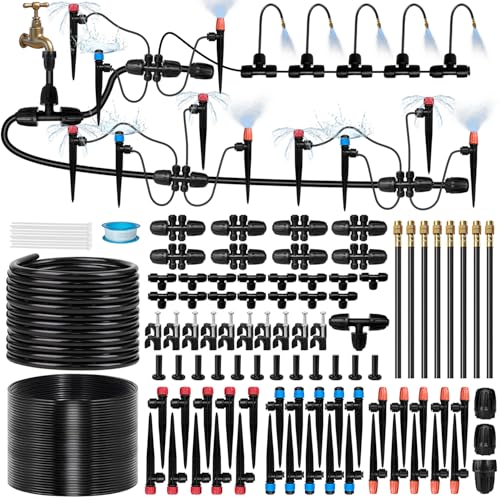
【Upgraded Tube Design & Water Saving】 Our garden watering system is upgraded to 1/2” diameter to support high water pressure. The 1/2” tee connector allows seamless splitting into 2 independent zones for customized watering schedules. By delivering moisture directly to root zones, this drip Irrigation system significantly reduces evaporation and runoff—saving more water compared to conventional sprinklers while eliminating the need for manual watering.

【Upgraded Tube Design & Water Saving】 Our adjustable garden watering system is upgraded to 1/2” diameter to support high water pressure. The 1/2” tee connector in the package so you can easily set up 2 drip irrigation systems as needed. Garden watering systems minimize stage water loss by recharging water directly to plant roots. While traditional irrigation often results in wasted water, this drip irrigation system saves up to 70% of water, no need for manual watering, saves water.
How To Choose The Right Keyhole Raised Garden Bed
Choosing the perfect keyhole raised garden bed can elevate your gardening experience, especially in small urban spaces. Here are some criteria to consider when making your selection:
1. Size
The size of your keyhole raised garden bed is crucial. Consider the space available in your yard or balcony. A typical keyhole bed has a diameter of about 6 to 8 feet, which allows for easy access from the center. If you’re short on space, look for smaller options that still provide adequate growing area. Aim for a height of 2 to 3 feet to avoid back strain while tending to your plants.
2. Material
The material of your keyhole raised garden bed affects its durability and appearance. Common options include wood, metal, and composite materials. Wood is aesthetically pleasing and blends well with nature, but it may require treatment to resist rot. Metal beds are long-lasting but can heat up quickly in the sun. Composite materials offer the best of both worlds, combining durability with a wood-like appearance. Choose a material that suits your style and maintenance preference.
3. Design Features
Keyhole raised garden beds come with various design features that can enhance your gardening experience. Look for beds with built-in trellises for climbing plants, which maximize vertical space. Consider designs that include a compost area in the center, helping to feed your plants while reducing waste. Some beds feature irrigation systems to ensure even watering, which is ideal for busy urban gardeners.
4. Accessibility
Accessibility is vital for effective gardening, especially if you have limited mobility. Choose a design that allows you to easily reach all areas of the bed without straining. Beds that are higher off the ground can also be easier to manage. This consideration makes gardening enjoyable and prevents injuries as you bend and reach for your plants.
5. Budget
Your budget will play a significant role in your decision-making process. Keyhole raised garden beds can range from budget-friendly options to more expensive custom designs. Determine how much you’re willing to spend and compare the features offered at each price point. Remember, investing in a quality bed can save you money on replacements in the long run.
6. Plant Selection
Before finalizing your keyhole raised garden bed choice, think about what you want to grow. Different plants have varying space, light, and soil requirements. Choose a bed size and design that accommodates the types of plants you wish to cultivate. For example, if you plan to grow taller plants like tomatoes or cucumbers, ensure your bed supports those needs.
Pro Tip: Before making a purchase, sketch out your gardening space and visualize how the bed will fit into that area. This will help you choose a design that complements your outdoor space while maximizing your gardening potential! ⏱
By keeping these factors in mind, you can choose a keyhole raised garden bed that not only saves space but also enhances your gardening success!
Conclusion
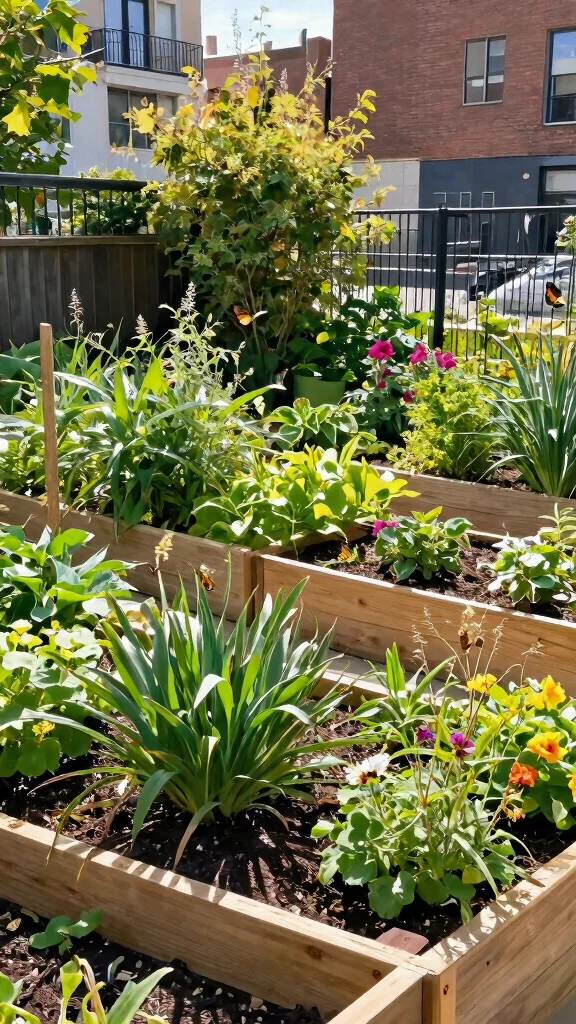
Transforming your small urban space into a thriving garden is more attainable than ever with these keyhole raised garden bed ideas. Embracing innovation and creativity, you can maximize your yield while enjoyably tending to your edible oasis. Whether you’re working with modular designs, vertical techniques, or beautiful decorations, the possibilities are endless.
Take the leap and start your gardening adventure today—your balcony or backyard will thank you for it!
Note: We aim to provide accurate product links, but some may occasionally expire or become unavailable. If this happens, please search directly on Amazon for the product or a suitable alternative.
This post contains Amazon affiliate links, meaning we may earn a small commission if you purchase through our links, at no extra cost to you.
Frequently Asked Questions
What is a keyhole raised garden bed and why is it good for small urban spaces?
A keyhole raised garden bed is a circular or rounded raised bed with a hollow center that acts as a composting and irrigation hub. This keeps nutrients close to the plants, reduces water waste, and makes watering and harvesting more convenient.
It’s especially great for small urban spaces because the compact footprint fits tight balconies, courtyards, or rooftops, while the central core streamlines space-saving gardening and efficient gardening solutions. For urban gardening ideas, you can place it against a wall or railing and still rack up a surprising amount of growing area.
Quick setup tips: keep the overall diameter around 3–4 feet (90–120 cm) for easy reach, choose 12–16 inches (30–40 cm) of soil depth for a broad mix of greens, and install a simple drip line or near-center watering wand to feed through the hub. This is the keyhole raised garden bed design that makes gardening practical in tight spots.
How can I use vertical keyhole raised garden beds to maximize space in a tiny balcony or patio?
Turn the keyhole concept into vertical stacking: install a tall, circular plan with a hollow center that you can access from the sides. This works as a freestanding unit, wall-mounted unit, or tiered setup.
Use vertical gardening techniques to create shelves around the central core and add a trellis or wall for climbing crops on the exterior. Plant quick greens on lower levels, herbs in mid-height, and compact fruiting plants at the top. Water from the center hub to efficiently feed all layers; use a gravity-fed drip system.
Benefits: more growing area, easier reach, better sun exposure in urban spaces. Quick steps: choose a base diameter similar to the ground bed; ensure sturdy construction; use leg supports; line with permeable fabric; install irrigation; fill with a high-quality growing mix. This approach aligns with space-saving gardening and urban gardening ideas.
What are practical tips for building a space-saving keyhole raised garden bed design?
Plan your dimensions around reach and sun. A 3×3 foot or 90×90 cm is common; aim for 1.5 to 2 feet depth.
Use rot-resistant materials; line with landscape fabric to prevent soil leakage; create a strong circular outer wall and a central channel; install a donor core filled with compost that also serves as an irrigation reservoir. Add a topsoil mix rich in nutrients. For drainage, elevate the bed slightly and add a perforated bottom or drainage holes. Ensure accessibility: keep your garden at a comfortable height, consider a removable panel for big plants. For watering, use a drip line through the central hub with a timer for efficient gardening solutions.
Which plants work best in keyhole raised beds and how should I arrange them for efficiency?
Herbs, leafy greens, and compact vegetables shine in keyhole beds, because of good soil and centralized water. Plants that tolerate shallow root depth include lettuce, spinach, kale, herbs (basil, parsley, cilantro), radishes, beets, and baby carrots.
Use vertical gardening techniques by placing taller plants at the back or around the perimeter and low-growing crops near the center for easy access to the hub. Use succession planting to maximize yields across seasons. Use companion planting to deter pests and improve soil health. Rotate crops year to year to preserve soil fertility; keep the central hub for water rather than soil quality; label sections for easy maintenance.
How do I maintain and water a vertical keyhole raised garden bed to maximize yield and minimize effort?
Install a simple irrigation system: a drip line or soaker hose fed from the central hub; mulch heavily to prevent moisture loss; water in the early morning for less evaporation and to avoid wet foliage at night. For vertical or stacked designs, ensure even water distribution to each level; check the hub regularly for mineral buildup; feed with compost tea or balanced fertilizer every 4-6 weeks during the growing season. Keep the exterior supports sturdy; inspect fasteners and joints. For urban spaces, this is an efficient gardening solution that reduces watering time and helps you grow more food in a small footprint.
Recommended Products
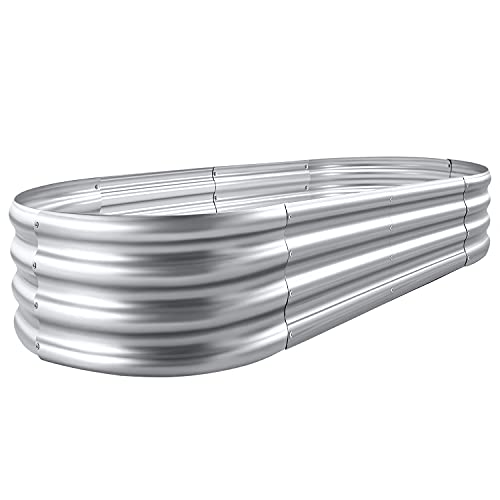
Each raised metal garden bed size: 4×2×1ft ,7.14Cu
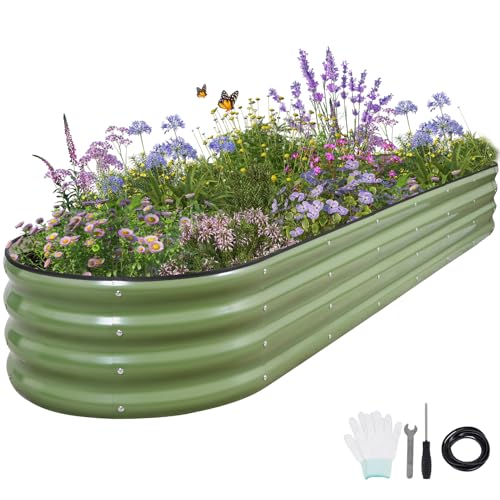
【Safe Edge】The garden box adopts a folding edge design for safe installation. The upgraded black strip shaped built-in iron clip will not fall off or deform under prolonged sunlight exposure. Used for reinforcement and injury prevention to further enhance protection. It is safer for children and pets

Raised Garden Bed - Add a new level of convenience to your gardening experience with the Galvanized Raised Garden Bed. Enjoy expanded yield and a more assembled garden layout with this garden accessory, each sized at 120 cm X 60 cm x 30 cm.
Related Topics
keyhole raised garden bed
space-saving gardening
vertical gardening
urban gardening
raised bed design
efficient gardening
small space gardening
beginner friendly
container gardening
sustainable gardening
DIY garden projects
easy gardening techniques