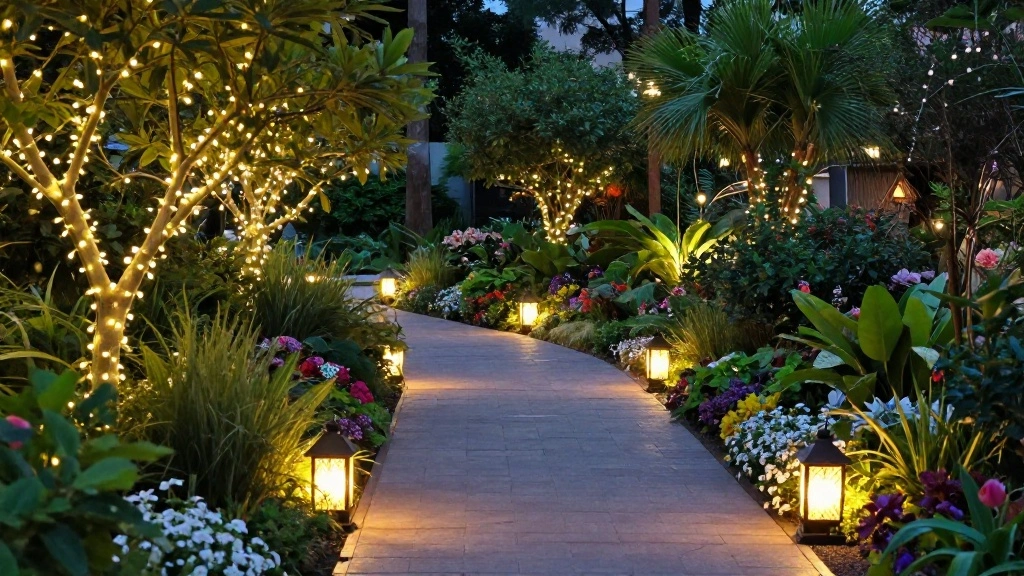
Have you ever wondered what landscape lighting is and how it can transform outdoor spaces? This guide will explore the fundamentals of landscape lighting, why it’s essential for enhancing your home’s exterior, and the various terms you should know as a beginner. Understanding landscape lighting not only beautifies your home but also increases safety and security during nighttime. You’ll learn about different types of lights, their uses, and how to implement them effectively.
In this article, you’ll discover key concepts related to landscape lighting, including how to choose the right fixtures for your space, the importance of design, and practical tips for installation. Whether you’re looking to create a cozy atmosphere for entertaining or ensure safety along pathways, this glossary will be your go-to resource.
TL;DR
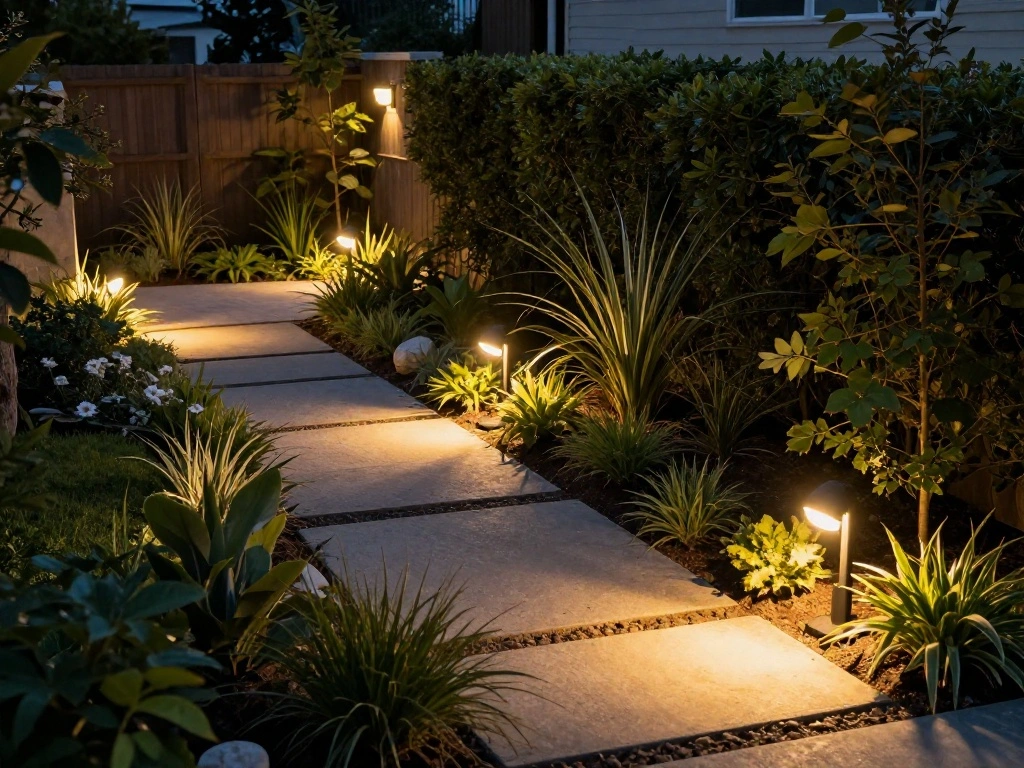
- Landscape lighting enhances the beauty and safety of outdoor spaces after dark.
- It includes various types of lights, such as path lights, spotlights, and wall sconces.
- Proper design and placement are crucial for achieving the desired ambiance and functionality.
- Understanding key terms can help you make informed decisions when planning your landscape lighting.
- This guide serves as a beginner’s glossary to simplify your learning process.
Main Answer
Understanding Landscape Lighting
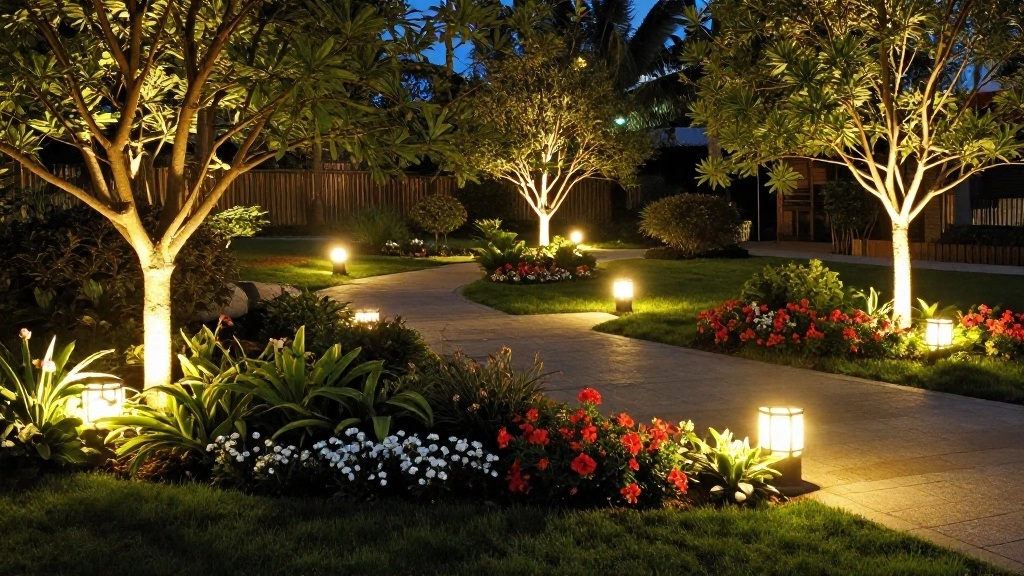
Landscape lighting refers to the use of various types of lighting fixtures to enhance the beauty and functionality of outdoor spaces. It plays a vital role in illuminating pathways, highlighting architectural features, and creating a welcoming atmosphere for social gatherings. With the right landscape lighting, you can transform your yard into a magical retreat after the sun sets.
Different types of landscape lighting include path lights, which guide guests along walkways; floodlights, which illuminate large areas; and spotlights, which draw attention to specific features like trees or sculptures. Each type serves a unique purpose, and understanding these differences is essential for effective design.
Choosing the Right Fixtures
When selecting landscape lighting fixtures, consider factors such as brightness, color temperature, and power source. Brightness is measured in lumens, while color temperature affects the warmth or coolness of the light. For instance, warm white light creates a cozy feel, whereas cool white light offers a more modern aesthetic.
Power sources can vary, with options including low voltage, line voltage, and solar-powered lights. Low-voltage systems are often safer and easier to install, making them a popular choice for homeowners. It’s essential to assess your space and choose fixtures that complement your overall design.
Design and Placement Tips
Effective landscape lighting requires thoughtful design and strategic placement. Start by identifying key areas you want to highlight, such as flower beds, trees, or outdoor seating areas. Layering different types of lighting can create depth and interest. For example, combining ambient lighting with task lighting can enhance both functionality and aesthetics.
Consider using dimmers or smart lighting controls to adjust the intensity of your lights. This flexibility allows you to create different moods depending on the occasion, whether it’s a romantic dinner or a lively gathering. Remember, the goal is to enhance your outdoor space without overwhelming it.
Key Takeaways
- Landscape lighting enhances outdoor beauty and safety.
- Different types of lights serve various functions.
- Choosing the right fixtures involves considering brightness, color, and power sources.
- Effective design requires strategic placement and layering of light sources.
Related Questions
What types of landscape lighting are available?
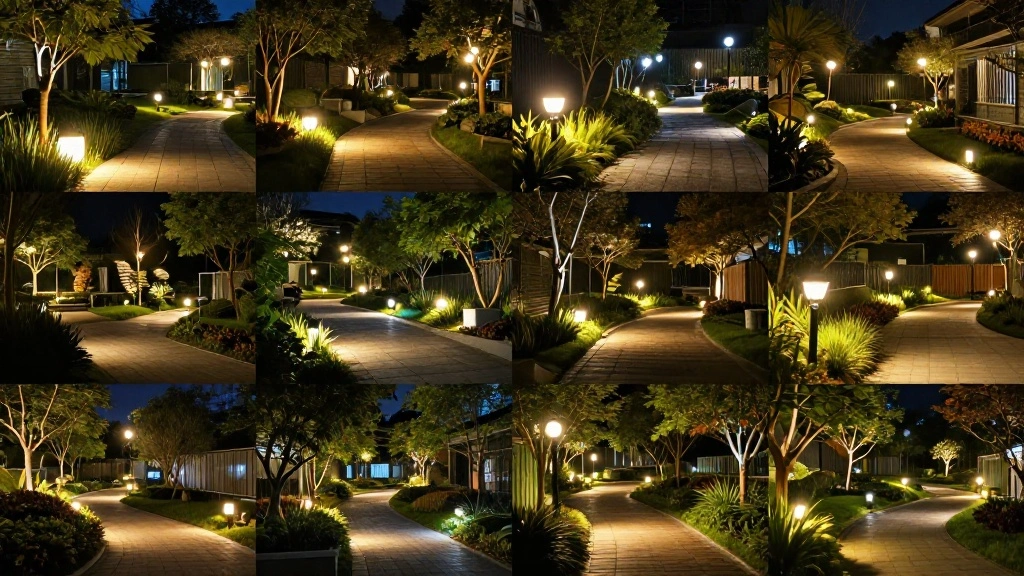
There are several types of landscape lighting, including path lights, which illuminate walkways; accent lights, which highlight specific features like trees or sculptures; and floodlights, which can cover larger areas. Each type serves a unique purpose, allowing you to create a well-rounded lighting plan for your outdoor space.
How do I install landscape lighting?
Installing landscape lighting can vary in complexity depending on the type of system you choose. For low-voltage lighting, you typically need to lay out the wiring, connect fixtures, and plug the transformer into an outlet. It’s often a DIY-friendly project, but hiring a professional is advisable for more complex installations.
Can landscape lighting be energy-efficient?
Yes, many landscape lighting options are designed to be energy-efficient. LED lights consume less energy and have a longer lifespan compared to traditional incandescent bulbs. Additionally, solar-powered lights are another eco-friendly option that harnesses sunlight for energy.
What is the best color temperature for landscape lighting?
The best color temperature depends on the atmosphere you want to create. Generally, warm white light (2700K-3000K) creates a cozy and inviting environment, while cooler temperatures (4000K-5000K) offer a modern, crisp look. It’s essential to choose a temperature that complements your outdoor decor.
How do I maintain my landscape lighting?
Maintaining landscape lighting involves regular checks for damaged fixtures, cleaning lenses to ensure optimal brightness, and replacing bulbs as needed. It’s also a good idea to inspect the wiring and connections periodically to prevent electrical issues.
Is landscape lighting safe?
When installed correctly, landscape lighting is safe for outdoor use. Low-voltage systems are designed with safety in mind, reducing the risk of shock or fire. However, it’s crucial to follow installation guidelines and use outdoor-rated fixtures.
Can I control my landscape lighting remotely?
Yes, many modern landscape lighting systems come with smart controls that allow you to manage your lights remotely via smartphone apps. This feature enables you to adjust brightness, set schedules, and even change colors from anywhere.
What is the cost of landscape lighting?
The cost of landscape lighting can vary widely based on the type of fixtures, installation complexity, and overall design. On average, you might spend anywhere from $2,000 to $7,000 for a complete installation, depending on your specific needs and preferences.
How can I enhance my outdoor space with lighting?
To enhance your outdoor space, consider layering different types of lighting, such as ambient, task, and accent lighting. Strategically placing lights to highlight features like plants or architectural elements can create a stunning and inviting atmosphere.
What are some common landscape lighting mistakes?
Common mistakes include placing lights too close to plants, which can cause heat damage, or using overly bright fixtures that create glare. It’s essential to plan your layout carefully to avoid these issues and ensure a balanced, harmonious look.
Conclusion
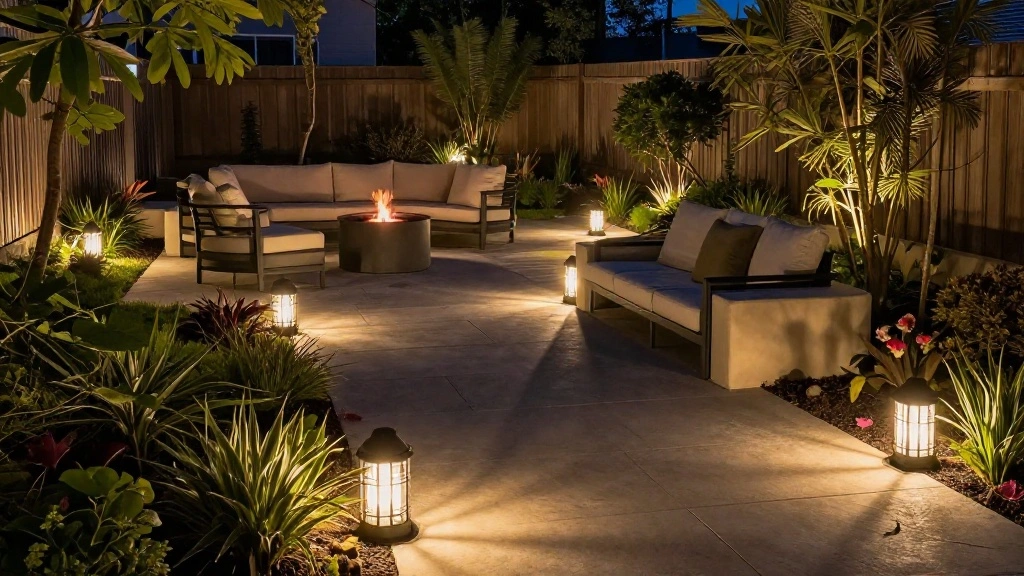
In conclusion, landscape lighting is a valuable element in enhancing the beauty and safety of your outdoor spaces. By understanding the types of lighting available, choosing the right fixtures, and implementing effective design strategies, you can create an inviting atmosphere that transforms your yard into a nighttime paradise.
As you embark on your landscape lighting journey, remember to consider the specific needs of your space, and don’t hesitate to experiment with different lighting types and placements. With a little creativity and planning, you’ll easily achieve the outdoor ambiance you’ve always desired.