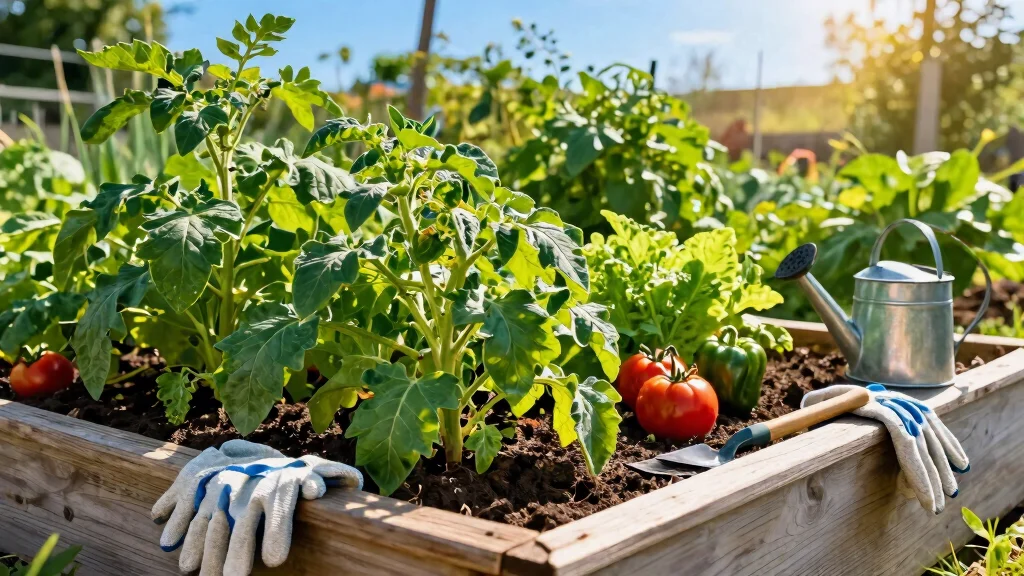
Gardening can be such a rewarding experience, especially when you see your plants thriving in a beautiful raised garden bed. With the right soil, you can set your garden up for success all season long. I created this post because I know how overwhelming it can be to choose the best soil for raised garden beds. There are so many options out there, and each type of soil mix offers different benefits that can impact how well your plants grow.
If you’re someone who loves gardening, especially growing heirloom vegetables, this guide is for you. Whether you’re a seasoned gardener or just starting out, understanding soil types can make a huge difference in your harvest. You want nutrient-rich garden soil that supports healthy growth and vibrant flavors. In this post, I pulled together seven of the best soil mixes for raised garden beds. Each mix is designed to help your plants thrive, giving you that bountiful garden you dream about.
So, get ready to dig in! You’ll find practical tips on soil types, amendments, and techniques that will ensure your garden is flourishing. By the end of this post, you’ll feel confident in your soil choices and ready to cultivate a thriving vegetable garden full of heirloom varieties.
Key Takeaways
– Choosing the right soil for raised garden beds is essential for healthy plant growth and vibrant harvests.
– The classic compost soil mix provides a balanced base full of nutrients, making it a great starting point for any garden.
– A vermiculite and peat mix offers excellent aeration and moisture retention, perfect for delicate seedlings.
– Coco coir blends are an eco-friendly option that helps maintain soil structure while providing good drainage.
– Adding soil amendments can boost nutrient levels in your raised bed soil mix, ensuring your plants get what they need to thrive.
Recommended Products

Ready to Use, Right from the Bag: No prep required—this raised bed garden soil is packed with organic nutrients and ready to use for quick and easy planting
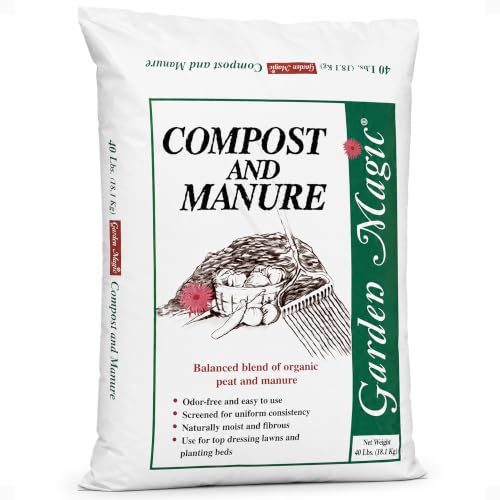
Organic Compost Blend: Enhance the nutrient content and soil quality of lawns and raised garden beds with this organic blend, promoting healthy plant growth and soil vitality

1. The Classic Compost Soil Mix
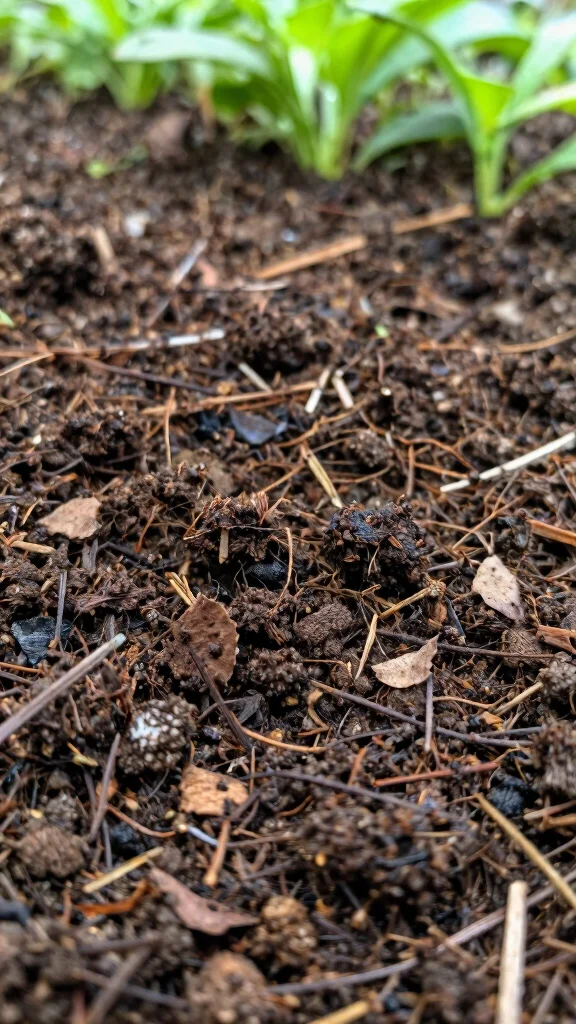
If you’re eager to see your garden flourish, the classic compost soil mix is your go-to option. This blend combines aged compost with garden soil, delivering a nutrient-dense foundation that nurtures plant growth. The compost improves moisture retention and aeration, crucial for strong root systems and vibrant plants.
To make the most of this mix, assess your compost quality and ensure it’s well-aged. You can also add organic matter like leaves or straw to enhance texture and nutrients. This blend is perfect for both new and seasoned gardeners looking to boost their garden’s productivity.
Key features of the classic compost soil mix:
– Nutrient-Rich: Packed with vital nutrients for optimal plant health.
– Microbial Activity: Encourages helpful microorganisms for better nutrient uptake.
– Versatile: Suitable for a wide range of plants, especially heavy feeders.
Embracing this mix will lead to healthier plants and a more productive garden. Your plants will thrive, showcasing lush growth throughout the season.
Recommended Products

Premium Ingredients: Contains 80-90% fine Canadian sphagnum peat moss, complemented by top-quality fine horticultural perlite and vermiculite. Enhanced with calcitic and dolomitic limestone to stabilize pH and a wetting agent for uniform water distribution.

READY TO USE MIXTURE - The same formulation as used by professional growers
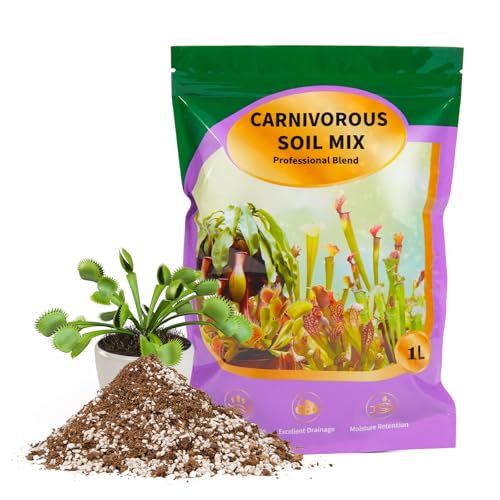
【Low-Nutrient Formula】Specifically formulated with a low-nutrient profile to mimic the natural, nutrient-poor environments where carnivorous plants thrive.
2. Vermiculite and Peat Mix
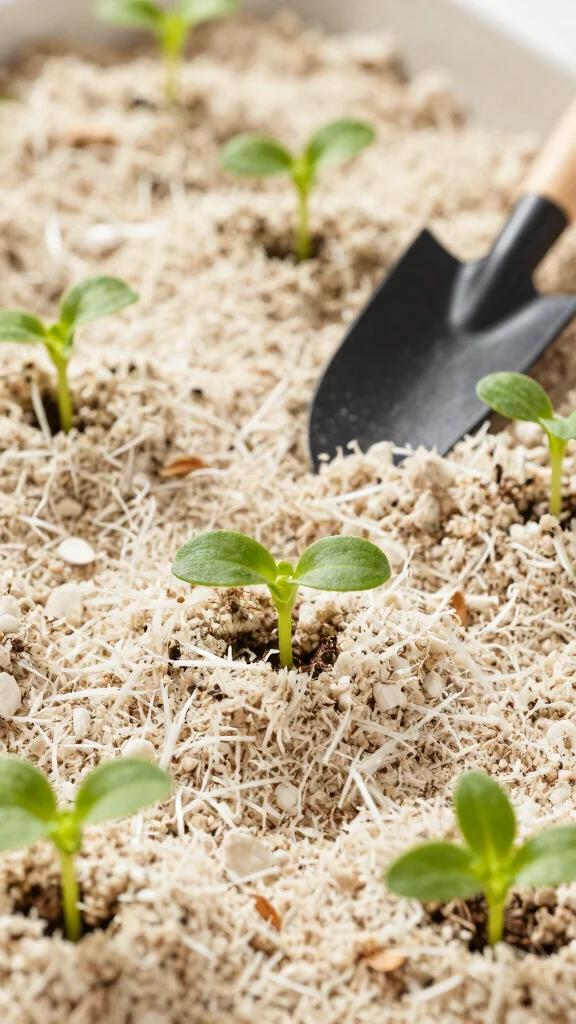
For a lightweight and airy option, consider the vermiculite and peat soil mix. This combination promotes excellent drainage while ensuring moisture retention, making it ideal for seedlings and young plants. Vermiculite’s ability to expand and create air pockets allows roots to breathe easily, fostering healthy development.
To achieve the best results, use this mix for starting seeds or nurturing delicate plants. Adjust the ratio based on your needs, adding more peat for moisture or vermiculite for drainage as necessary. This mix is perfect for gardeners wanting to support young plants as they establish roots.
Benefits of the vermiculite and peat mix:
– Lightweight: Easy to handle and perfect for raised beds.
– Water Retention: Reduces watering frequency while keeping plants hydrated.
– Ideal for Seedlings: Creates a nurturing environment for young plants.
Using this mix will lead to healthier seedlings and a thriving garden, ensuring your plants grow strong and resilient.
Recommended Products

Coco Coir Growing Medium: This low EC, PH balanced biodegradable soil is made from crude fiber extracted from the husk on coconut husks, 100% organic, natural and sustainable, a traditional soil alternative, it can take your gardening and planting efforts to a new level; 10 Pack, each brick is: 8 x 4 x 2 inches, weight appr.1.4 lb
![MODELLOR (10 lb) Premium Super Washed Coco Coir Brick, High Yield 18 to 20 gallons [72 to 80 quarts], Seed Starter, Organic, pH Balanced, Gardening, Indoor, Outdoor use](https://m.media-amazon.com/images/I/51YfT2RlVzL._SL500_.jpg)
✨ Ultra-Pure & Ready to Use – Triple-washed, low-salt, pH-balanced coco coir that’s clean and nutrient-friendly—no rinsing required, unlike many other brands.
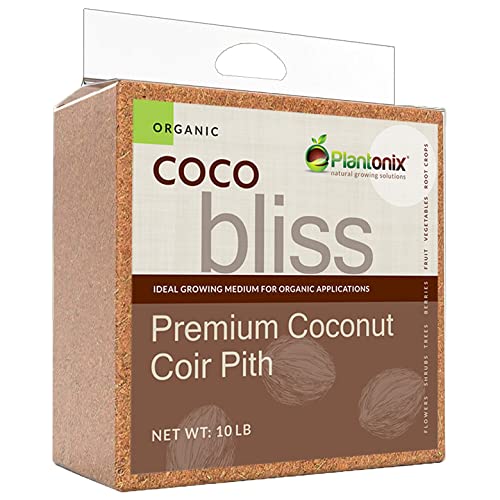
Pre-Rinsed & Pre-Screened Coco Coir - Every block of our coconut fiber substrate has been screened multiple times through an extremely small filter to get rid of any traces of fiber, sand, and rocks. This is what sets our coco coir apart, giving you pure and clean coco coir for plants, unlike others who don’t filter their coco coir for impurities.
Key Trade-offs & Our Top Pick
1. The Classic Compost Soil Mix
– Pros:
– Rich in nutrients, providing a strong foundation for plant growth.
– Improves soil structure and water retention.
– Cons:
– Can be heavy and hard to transport.
– May have a strong smell during decomposition.
– Best for: Home gardeners looking to enrich their soil naturally, especially in a new raised bed.
2. Vermiculite and Peat Mix
– Pros:
– Enhances aeration and drainage, crucial for root health.
– Lightweight, making it easy to handle and mix.
– Cons:
– Peat is not a renewable resource and can raise sustainability concerns.
– May require additional fertilizers for optimal plant growth.
– Best for: Gardeners wanting a lightweight mix that promotes excellent drainage, especially in areas with heavy rainfall.
3. Coco Coir Blend
– Pros:
– Made from coconut husks, it’s a renewable and eco-friendly option.
– Provides good moisture retention while allowing drainage.
– Cons:
– Can be more expensive than traditional peat mixes.
– May need additional amendments to boost nutrient levels.
– Best for: Eco-conscious gardeners looking for sustainable options that still support healthy plant growth.
4. Organic Garden Soil Mix
– Pros:
– Contains a blend of organic materials, rich in nutrients.
– Supports beneficial microorganisms, enhancing soil health.
– Cons:
– Can be costly if purchasing pre-mixed.
– May require additional amendments for specific plants.
– Best for: Those committed to organic gardening who want a nutrient-rich base for vegetables and flowers.
5. Raised Bed Soil Mix with Amendments
– Pros:
– Customizable to meet specific plant needs by adding amendments.
– Can improve soil fertility quickly with the right additives.
– Cons:
– Requires knowledge of which amendments benefit which plants.
– Can be labor-intensive to mix and prepare.
– Best for: Experienced gardeners who want to tailor their soil for specific crops or conditions.
Expert Recommendation:
Best Overall: The Classic Compost Soil Mix
The Classic Compost Soil Mix stands out as the best choice for most gardeners due to its impressive nutrient content and ability to improve soil structure. It offers excellent value for money since you can often make it yourself using kitchen scraps and yard waste. This option is easy to use and versatile, working well for almost any plant type you decide to grow. Plus, it builds long-term soil health that benefits your garden season after season.
Why We Picked This:
We understand that not every gardener will prefer the Classic Compost Soil Mix. If you value a lightweight option, consider the Vermiculite and Peat Mix. If sustainability is your priority, the Coco Coir Blend is a great choice. Experienced gardeners might lean toward the Raised Bed Soil Mix with Amendments for its customizability. Each option has its own advantages, so your choice should align with your gardening goals and values.
3. Coco Coir Blend
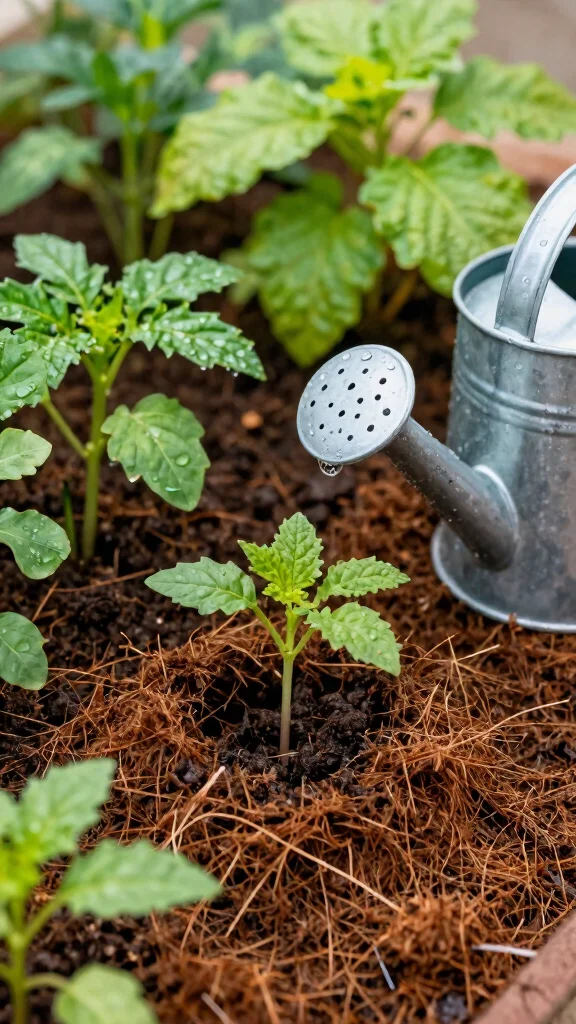
If sustainability is your priority, the coco coir blend is an excellent choice for your garden. Sourced from coconut husks, this organic material provides fantastic drainage and aeration while retaining moisture effectively. Its fibrous structure prevents root rot, making it an eco-friendly alternative to traditional peat.
Mix coco coir with compost or garden soil to enhance its nutrient content. This blend works well for various plants and helps maintain soil pH neutrality, promoting balanced growth. It’s a fantastic option for environmentally-conscious gardeners.
Reasons to choose coco coir:
– Renewable Resource: Eco-friendly and sustainable for the planet.
– pH Neutral: Maintains balanced nutrient availability for plants.
– Supports Root Growth: Encourages strong root systems with air pockets.
Incorporating coco coir into your garden will not only promote healthy plants but also support eco-friendly gardening practices.
I switched to a coco coir blend and finally found the best soil for raised garden beds. It drains beautifully, holds moisture, and prevents root rot—without the peat guilt. Mix it with compost or garden soil for a nutrient-rich, pH-friendly base.
Recommended Products

Pre-Mixed & Ready To Use: Pre-mixed seed starter potting soil mix for seed trays, cell packs and starter pots. No measuring or blending separate ingredients; simply moisten the mix, fill your trays and start planting with this easy-to-use seed starting soil. The lightweight texture makes it easier to fill small cells evenly and complete multiple seed trays with less preparation and mess.

Professional Grade: Fine Vermiculite designed for seed starting, potting mix, and soil amendments, this organic vermiculite features a fine 1–3mm grade that blends easily with soil, garden beds, or indoor plant soil, helping growers achieve consistent moisture balance and healthier early growth

1. FULL-SIZE 10 LB COCO COIR POTTING SOIL BRICK Verdana Coco Coir Potting Soil is a full-size compressed coconut coir brick for gardeners who want a clean, natural growing medium for potting mixes, raised beds, seed starting, containers, and houseplants.
4. Organic Garden Soil Mix
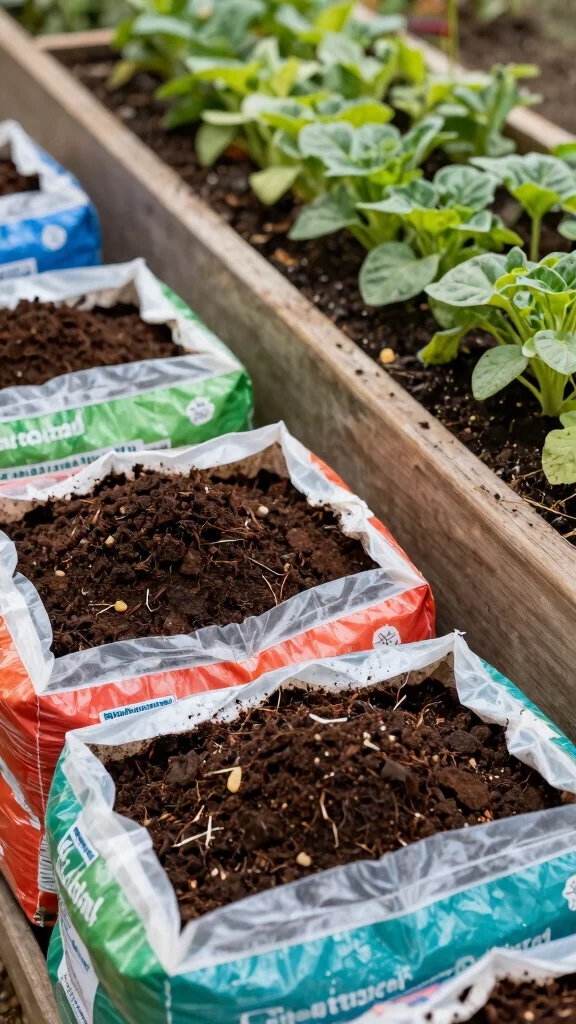
For a hassle-free gardening experience, consider using an organic garden soil mix. These pre-packaged mixes typically combine compost, peat, and sometimes perlite or vermiculite, offering a balanced nutrient profile. They are designed to create a healthy environment for a wide range of plants, from vegetables to flowers.
Simply fill your raised bed with this mix and start planting right away. It’s a convenient option for those who want to skip the preparation and get straight to gardening. This blend supports a vibrant garden with minimal effort.
Benefits of using an organic garden soil mix:
– Convenience: Ready-to-use, saving you time and effort.
– Balanced Nutrients: Formulated to support various plant types.
– Versatile Use: Ideal for both raised beds and container gardening.
Choosing this mix will simplify your gardening journey and lead to a flourishing garden with less hassle.
Recommended Products

OUTDOOR POTTING SOIL: Miracle-Gro Organic Outdoor Potting Mix contains a quick-release natural plant fertilizer and also feeds plants for up to 2 months

ALL-NATURAL MIX: Burpee Organic Premium Potting Mix is formulated with plant food & coconut coir to promote seed & root growth and healthy flower, vegetable & herb plants. OMRI Listed for organic use.

NATURAL AND ORGANIC NUTRIENT RICH FERTILIZER: We’re on a mission to get America growing again and it all starts with what’s right beneath us — your soil; Grow a bountiful garden in your home with the Back to the Roots All-Purpose Peat-Free Potting Mix, packed with the nutrients needed for your plants, flowers, and vegetables to thrive
5. Raised Bed Soil Mix with Amendments
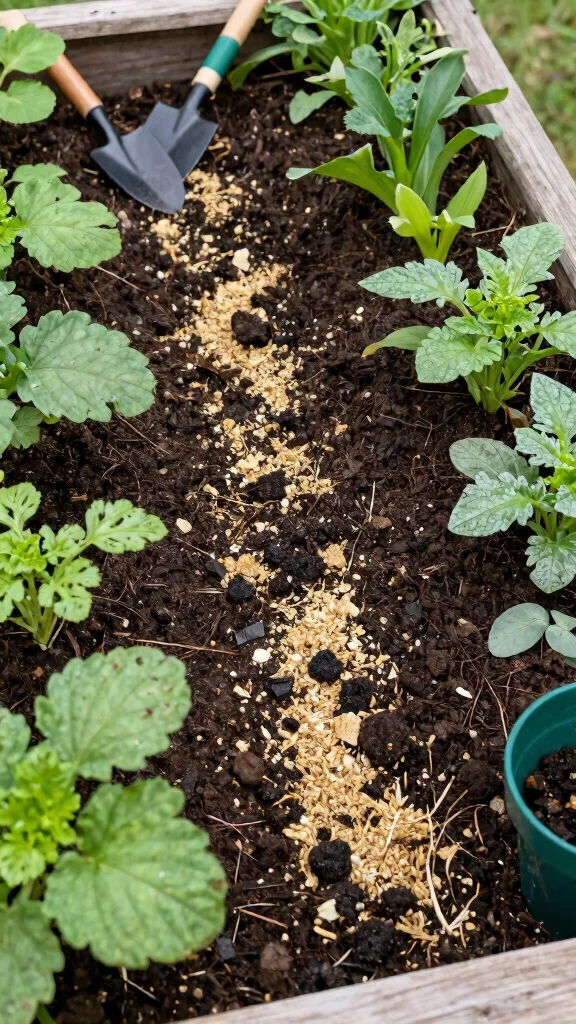
For those who want a personalized touch, a raised bed soil mix with amendments is the way to go. This approach allows you to customize your soil with specific nutrients like bone meal for phosphorus or fish emulsion for nitrogen. Tailoring your mix ensures your plants receive the exact nutrients they need for optimal growth.
Start with a basic soil blend, then incorporate amendments based on your soil tests and plant requirements. This hands-on method can lead to impressive results and a thriving garden.
Consider these beneficial amendments:
– Bone Meal: Supports root development and flowering.
– Fish Emulsion: Boosts leafy growth with rich nitrogen.
– Kelp Meal: Provides essential trace minerals for overall vigor.
Creating a customized soil mix will empower you to meet your plants’ unique needs and enhance your gardening success.
Recommended Products

100% ORGANIC & READY TO GROW Most coco coir is completely empty, forcing you to buy extra fertilizer right away. We save you a step! Our coir is pre-blended with natural, plant-based food to give your vegetables, herbs, and seedlings a healthy start. No synthetic chemicals, no harsh salts—just pure, organic goodness.

✅ Premium 70/30 Blend of Coco Coir and Perlite – Perfect for Small Pots & Houseplants Our loose-fill potting mix combines 70% coconut coir fiber and 30% perlite to deliver the perfect texture for delicate roots. This coco coir soil alternative supports strong aeration, balanced moisture, and easy drainage for indoor and outdoor containers. Ideal for succulents, herbs, orchids, and tropicals.

Coco Chips for Plants: You will receive 2 pack coco coir brick made from 100% natural and organic coconut coir fibers; It is carefully screened, desalted, and rinsed with water to form a biodegradable plant growing medium; It can be directly used for indoor plants, orchids, seed starting, and garden mulching, creating a clean growing environment for plants; An alternative to traditional soil and bark
6. Native Soil Infusion
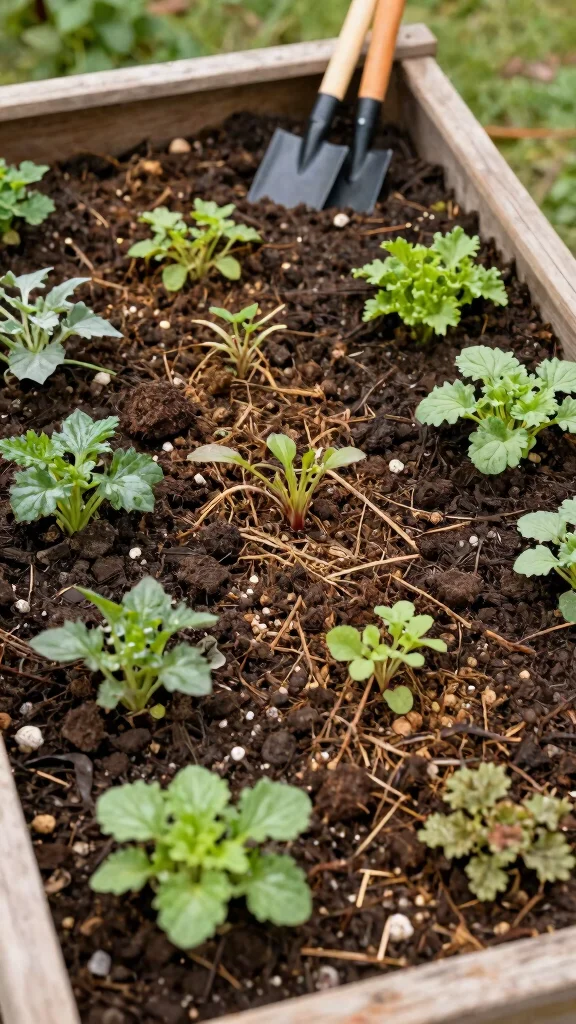
Incorporating native soil into your raised bed is a smart way to leverage local nutrients and microorganisms. This method utilizes the strengths of local soil, which can enhance growth by introducing beneficial organisms. Mixing native soil with compost or other amendments creates a unique environment tailored to your plants’ needs.
Use this approach to take advantage of the natural conditions in your area, which can lead to healthier plants. Adjust your mix based on local soil tests for the best outcomes.
Advantages of using native soil:
– Adaptation: Plants thrive better with familiar soil characteristics.
– Microbial Diversity: Introduces beneficial microbes for positive growth impacts.
– Reduced Costs: Saves money by utilizing existing soil resources.
Mixing in native soil can enrich your garden, fostering strong plant growth and resilience.
Fun fact: Native soil is a key part of the best soil for raised garden beds, hosting live microbes and minerals that boost uptake—often cutting synthetic amendments by up to 30%. Mix in compost and tailor to your soil tests.
Recommended Products


All-In-One Potting Soil Solution: TOYPOPOR potting soil is a blend designed to give your plants everything they need to thrive. This organic potting soil is packed with perlite, sphagnum peat moss, coco coir and rice husk charcoal. Great for all indoor outdoor plants.

NUTRIENT-RICH GROWTH: Premium cow manure compost packed with nitrogen, calcium, and iron. This organic compost fertilizer enriches soil, boosts microbial life, and supports bigger vegetables, greener lawns, and thriving flowers.
7. No-Till Soil Approach
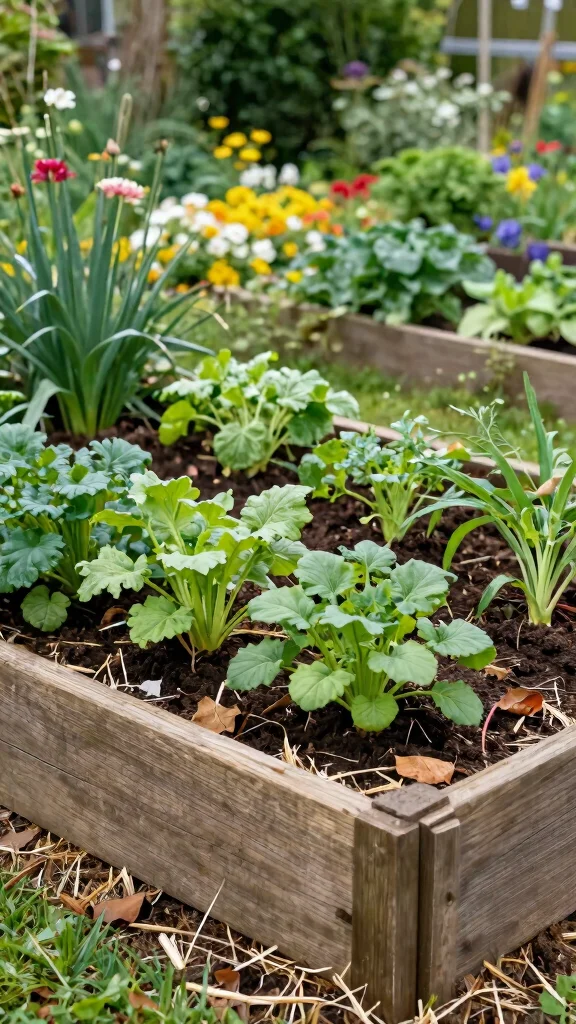
If you aim to maintain healthy soil over the long term, the no-till soil approach is a game changer. This method involves layering organic materials on top of your existing soil rather than disturbing it. By doing so, you protect beneficial organisms and enhance soil biodiversity, leading to thriving plants.
Implement this technique by adding layers of compost, straw, and leaves, making it easy to plant directly into these layers. This strategy saves time and encourages robust plant growth without the stress of constant tilling.
Benefits of a no-till approach:
– Soil Health: Preserves beneficial organisms and prevents compaction.
– Moisture Retention: Top layers help retain moisture effectively.
– Natural Fertilization: Decomposing organic matter nourishes the soil over time.
Adopting the no-till method will lead to a thriving garden ecosystem, ensuring your plants flourish year after year.
Fun fact: No-till beds can boost soil biodiversity by up to 40% in a season. Layer compost, straw, and leaves instead of digging, and you’ll create the best soil for raised garden beds—healthier microbes, richer nutrients, and easier planting.
Conclusion
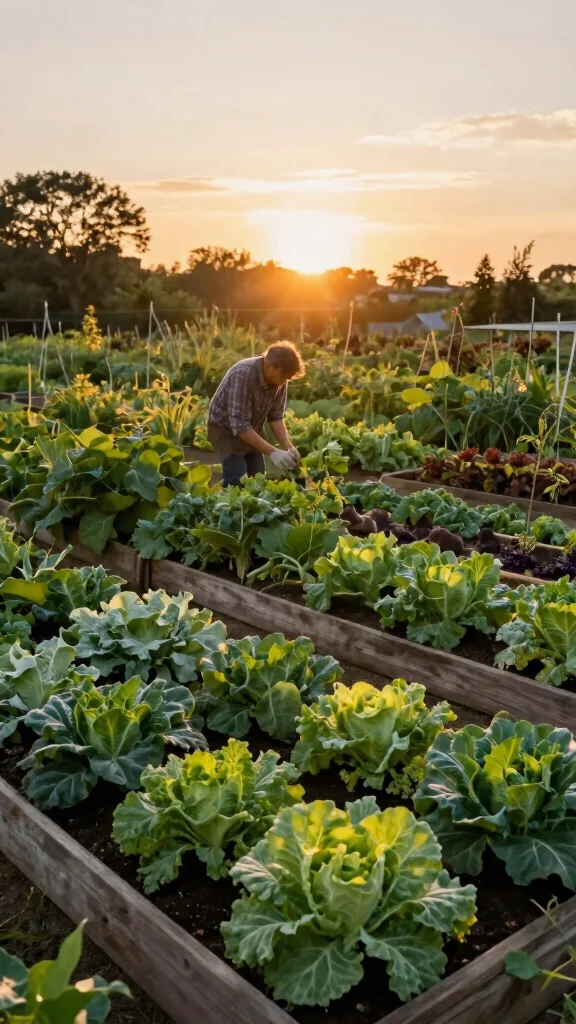
Selecting the right soil for your raised garden beds is crucial for cultivating vibrant, healthy heirloom vegetables. Each type of soil offers unique benefits and characteristics, allowing you to personalize your gardening experience.
Experimenting with various mixes can lead to incredible results, creating a flourishing garden that’s not only productive but also sustainable. So, whether you opt for a classic compost blend or explore local soil with amendments, your plants will surely thrive. Happy gardening!
Note: We aim to provide accurate product links, but some may occasionally expire or become unavailable. If this happens, please search directly on Amazon for the product or a suitable alternative.
This post contains Amazon affiliate links, meaning we may earn a small commission if you purchase through our links, at no extra cost to you.
Frequently Asked Questions
What is the best soil for raised garden beds to grow heirloom vegetables all season?
To get the best soil for raised garden beds for heirloom vegetables, focus on a balance of drainage, moisture, and nutrients. Use a practical raised bed soil mix that drains well but holds enough moisture: roughly 60% finished compost or worm castings, 30% quality topsoil, and 10% inert amendment like perlite or coconut coir for aeration. Add organic amendments such as kelp meal or bone meal for trace minerals, and keep the pH in the range of about 6.0–7.0. Mulch to reduce evaporation and feed the soil with ongoing organic gardening soil inputs. With this foundation you’ll enjoy a nutrient-rich garden soil that supports thriving heirloom plants all season.
How do I choose a raised bed soil mix for organic gardening?
For organic gardening, pick a mix that prioritizes texture and fertility. Look for a raised bed soil mix designed for organic use, or assemble your own with about 60% compost, 30% good topsoil, and 10% aeration (perlite, pumice, or coconut coir). Add a touch of aged manure or leaf mold, and ensure a neutral to slightly acidic pH (6.0–7.0). This creates a truly organic gardening soil foundation that nourishes vegetables without synthetic additives. Avoid subpar retail soils that compact and wash away nutrients, and test pH if possible to keep nutrient-rich garden soil in reach.
What essential soil amendments for raised beds help boost nutrients for heirloom vegetables?
Think of amendments as tiny recipes that deliver steady nutrition. Use soil amendments for gardens such as bone meal or rock phosphate for phosphorus, blood meal for nitrogen, kelp meal for micronutrients, alfalfa meal for growth, and worm castings for slow-release fertility. A small amount of lime can adjust pH if needed. Apply in early spring and refresh annually or after heavy crops. These additions keep your organic gardening soil vibrant and your heirloom vegetables thriving with a nutrient-rich garden soil base.
Is potting soil the right choice for vegetables in raised beds, or should I use a dedicated raised bed soil mix?
Pure potting soil is great for containers, but in raised beds you’ll want more staying power and fertility. A dedicated raised bed soil mix or a blend of compost, topsoil, and aeration materials will hold moisture longer and support root growth. If you only have potting soil, mix it with mature compost and some topsoil to create a more robust nutrient-rich garden soil that won’t dry out or compress as quickly. For best results, aim for ongoing organic gardening soil with regular amendments rather than relying on potting soil alone.
How often should I amend raised bed soil, and what signs indicate it’s time for a refresh?
Keep your raised bed thriving by watching for practical signs and scheduling routine refreshes. Signs you need to amend include compacted soil, standing water after rain, pale or stunted plants, or consistently poor yields. Annually top-dress with a layer of organic gardening soil or compost, and occasionally mix in fresh compost or worm castings. Plan a deeper refresh every 3–5 years, replacing some of the soil if it’s heavily degraded. Regular mulching and a light annual soil amendments for gardens can keep your nutrient-rich garden soil ready for the next season.
Recommended Products

FOR USE: Ideal for raised garden beds and outdoor containers.

Feed the soil not the plants - stimulate microbial activity in your soil and boost probability of success with all types of plants… like composting but faster

Nutrient-Rich Organic Compost for Healthy Soil: Support stronger plant growth with this premium organic compost made from dairy cow manure. This all purpose soil amendment helps replenish essential nutrients often depleted after harvests, making it ideal for vegetable gardens, fruit trees, flowers, lawns and container plants.
Related Topics
best soil for raised garden beds
organic gardening soil
raised bed soil mix
heirloom vegetables
nutrient-rich garden soil
soil amendments for gardens
easy gardening tips
sustainable gardening
seasonal gardening
container gardening
beginner friendly
organic soil mix