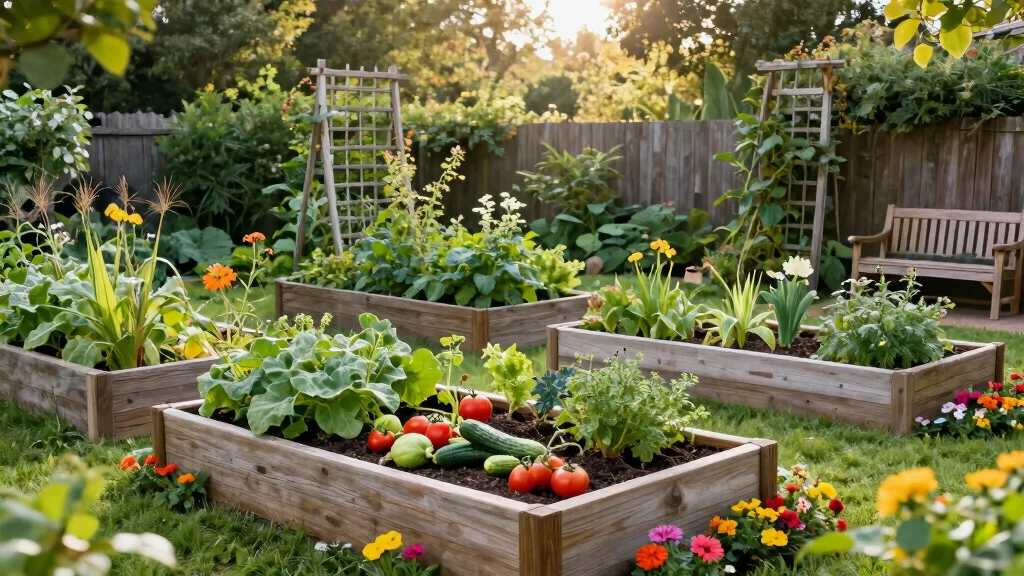
Creating a beautiful garden doesn’t have to break the bank. If you’re looking to let your green thumb flourish without spending a fortune, you’ve come to the right place. This post is all about inspiring you with 10 raised bed garden ideas under $200. Whether you’re a seasoned gardener or just starting out, these affordable designs will show you how to get creative with your space and budget.
If you love gardening but think you can’t afford it, this guide is made for you. You might feel overwhelmed by the thought of high costs or limited space, but fear not! Here, you’ll find practical, low-cost gardening solutions that can transform even the smallest area into a lush haven. From vertical pallet planters to tiered wooden boxes, these ideas are easy to implement and will make your garden a reality.
Get ready to dive into these affordable garden designs that not only fit your budget but also bring joy and beauty to your home. You’ll discover DIY raised beds that are stylish, functional, and most importantly, easy to build. Let’s explore these creative vegetable garden ideas that will help you grow fresh produce without stretching your wallet.
Key Takeaways
– Creative Solutions: Discover how you can utilize everyday items like pallets and tires to create unique raised beds. These budget-friendly options are perfect for small spaces.
– DIY Approach: Learn step-by-step methods to build raised beds yourself, saving money while also enjoying the satisfaction of creating your own garden.
– Vertical Gardening: Explore vertical raised bed options that maximize your garden space, perfect for urban dwellers or those with limited outdoor areas.
– Sustainability: Understand the benefits of using recycled materials, which not only cut costs but also help reduce waste.
– Fresh Produce at Home: Get inspired by ideas that encourage growing your own vegetables, making it easier to access fresh produce while keeping expenses low.
1. Vertical Pallet Planters
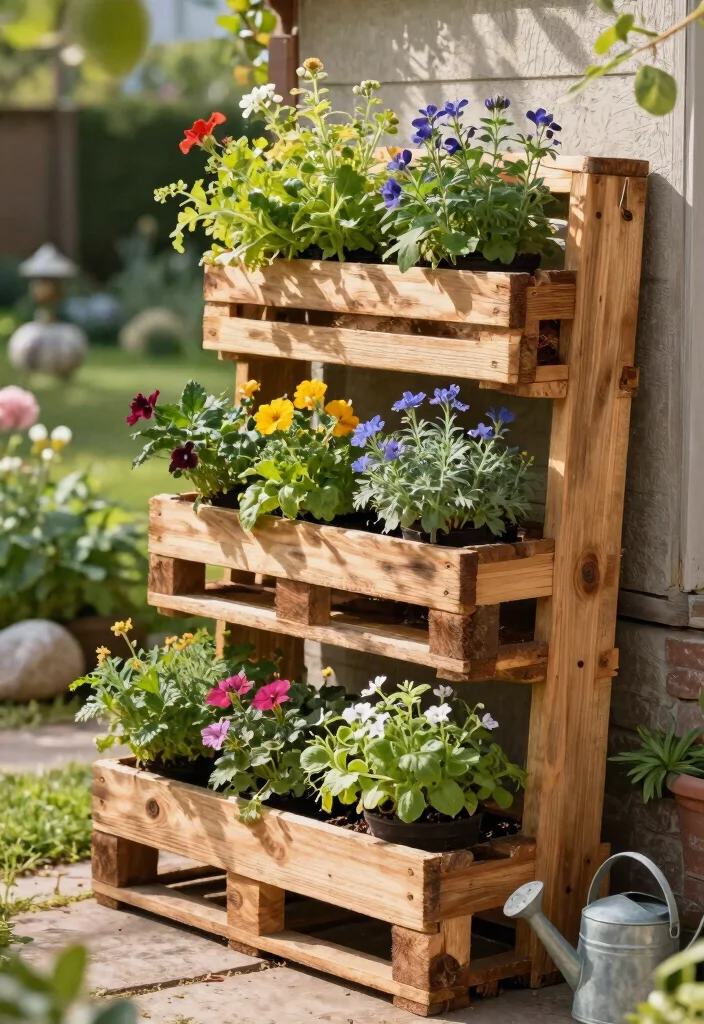
If you’re looking to save space while adding beauty to your garden, vertical pallet planters are a fantastic choice. With just a few pallets, you can create vertical gardens that burst with color and life. These planters are perfect for herbs and small veggies, offering easy access and maintenance, all while elevating your greenery to new heights.
Begin by prepping your pallets; make sure to sand down rough edges to keep everything safe. You’ll also want to line the back with landscape fabric to hold in soil but allow for proper drainage.
Key steps for building:
– Sand down to prevent splinters
– Line with landscape fabric for drainage
– Paint pallets in bright colors for added cheer
– Attach hooks to hold small garden tools
Gather your supplies:
– 1-2 used pallets (often free from local stores)
– Potting soil
– Plants like herbs or small veggies
To get started:
1. Sand and clean the pallets.
2. Position against a wall or fence.
3. Line with landscape fabric.
4. Fill with soil and plant your seedlings.
This approach turns discarded materials into a stunning garden feature, showcasing your creativity and love for gardening!
2. Tiered Wooden Boxes
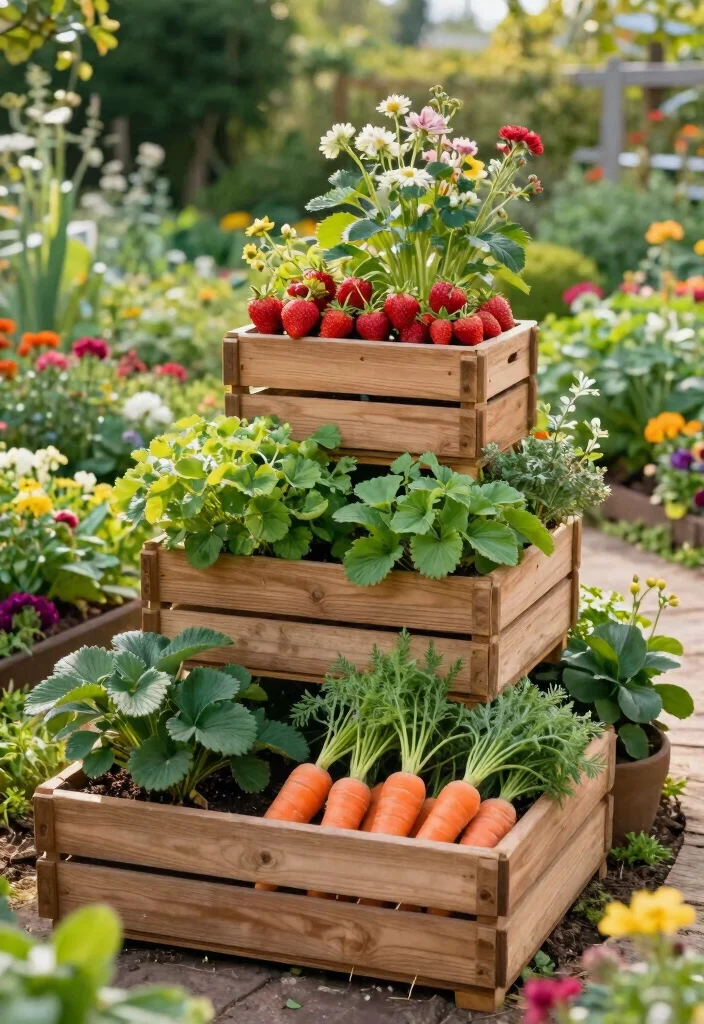
Tiered wooden boxes are not only visually appealing but also a practical solution to limited gardening space. You can easily create a tiered design with inexpensive wood, allowing you to grow an array of plants at different heights. Imagine layering strawberries, carrots, and leafy greens in a beautifully structured garden setup!
When designing your boxes, customize the number of tiers based on your preferences and ensure proper drainage for healthy plants. Untreated wood is best for growing vegetables safely, and a waterproof sealant can extend the life of your boxes.
To create your tiered boxes:
– Customize layers to fit your garden style
– Drill small drainage holes for optimal growth
– Use untreated wood for safety
Prepare your supplies:
– Untreated lumber (about $100)
– Wood screws
– Non-toxic wood sealant (optional)
– Potting soil
– Seeds or seedlings
Steps to follow:
1. Cut wood for each tier.
2. Assemble tiers with screws.
3. Drill drainage holes.
4. Stack securely and fill with soil.
This project not only saves money but also turns your gardening experience into a fun and creative process!
Vertical gardening takes a tiny balcony and turns it into a thriving budget raised bed garden. Build several tiers with cheap lumber, stack creativity, and harvest strawberries and greens at eye level.
3. Concrete Block Gardens
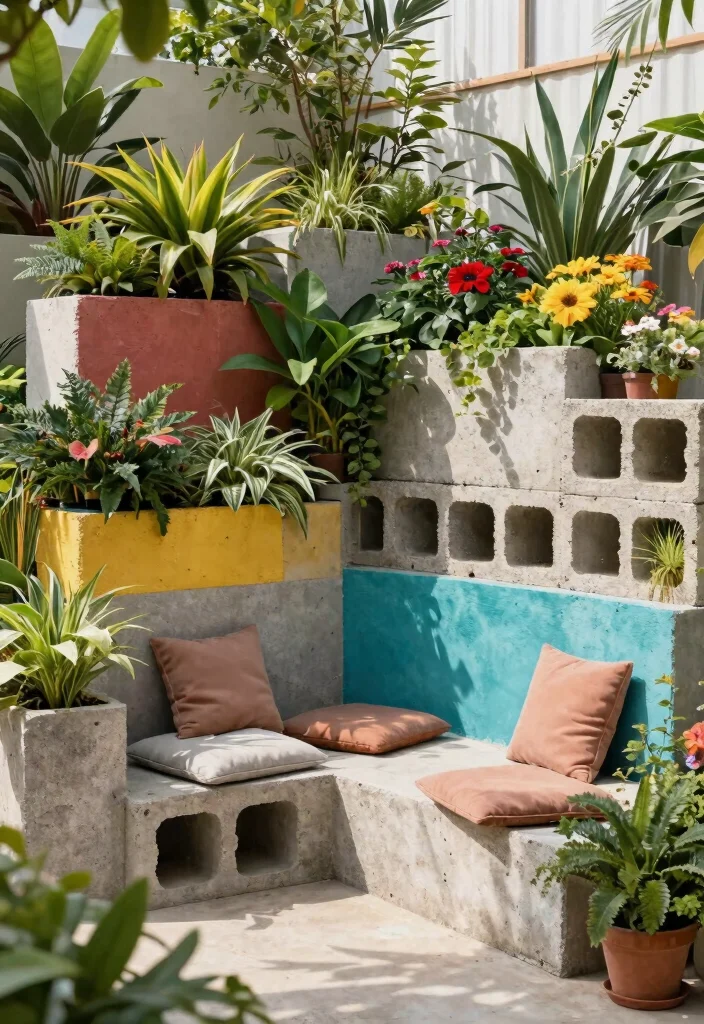
Concrete blocks provide a sturdy and stylish option for raised bed gardening. With their industrial charm, these blocks can be arranged in various formations, offering a unique way to grow herbs and flowers while ensuring excellent drainage. Plus, you can fill the block openings with soil and even create a cozy seating area with cushions!
It’s important to choose blocks free from harmful chemicals and consider adding capstones for a polished finish. You can also paint the blocks for a vibrant touch or plant succulents in the openings for added beauty.
Key considerations for your garden:
– Ensure blocks are chemical-free
– Use capstones for a neat appearance
Gather your materials:
– 15-20 concrete blocks (around $150)
– Potting mix
– Herbs or flowers of your choice
Steps to create your garden:
1. Plan your block layout.
2. Stack them securely to your desired height.
3. Fill openings with potting mix.
4. Plant your selected herbs or flowers.
This innovative design allows you to enjoy gardening in a modern and functional way!
Did you know a concrete block raised bed can cost under $200 and still host 12+ herbs in a small footprint? With capstones and paint, it becomes a stylish, budget raised bed garden that also doubles as seating.
4. Repurposed Tire Gardens
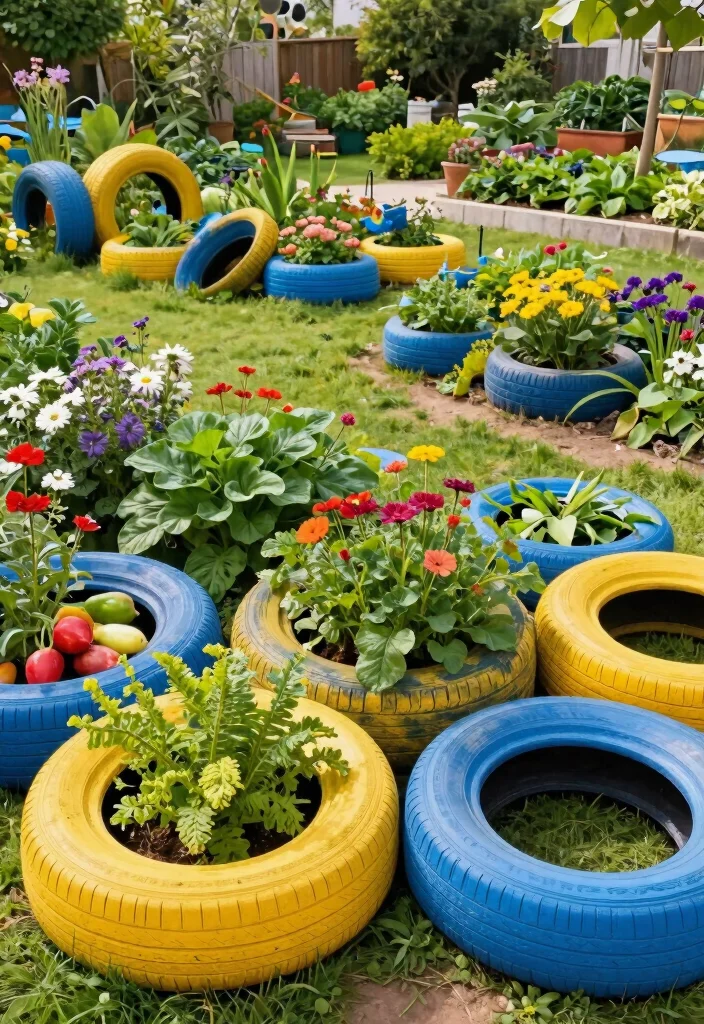
Transform old tires into whimsical raised beds that add a fun twist to your garden. Whether you paint them in vibrant colors or keep them natural, these circular beds encourage good drainage while providing a creative planting space for flowers and vegetables. Stack, cut, or decorate your tires to bring a playful element to your gardening!
Start by thoroughly cleaning the tires to remove any dirt or chemicals, and decide whether to stack them for height or lay them flat for easy access. Mixing tire sizes can create an exciting visual appeal in your garden.
Steps to implement your tire garden:
– Clean tires well for safety
– Stack for height or lay flat for easy access
Your supply list includes:
– 2-4 used tires (often free)
– Potting soil
– Seeds or seedlings of your choice
Follow these steps:
1. Clean the tires and remove debris.
2. Choose your design and position them.
3. Fill with potting soil and plant.
Using tires is both budget-friendly and eco-friendly, letting you create a unique garden space!
5. Wine Crate Gardens
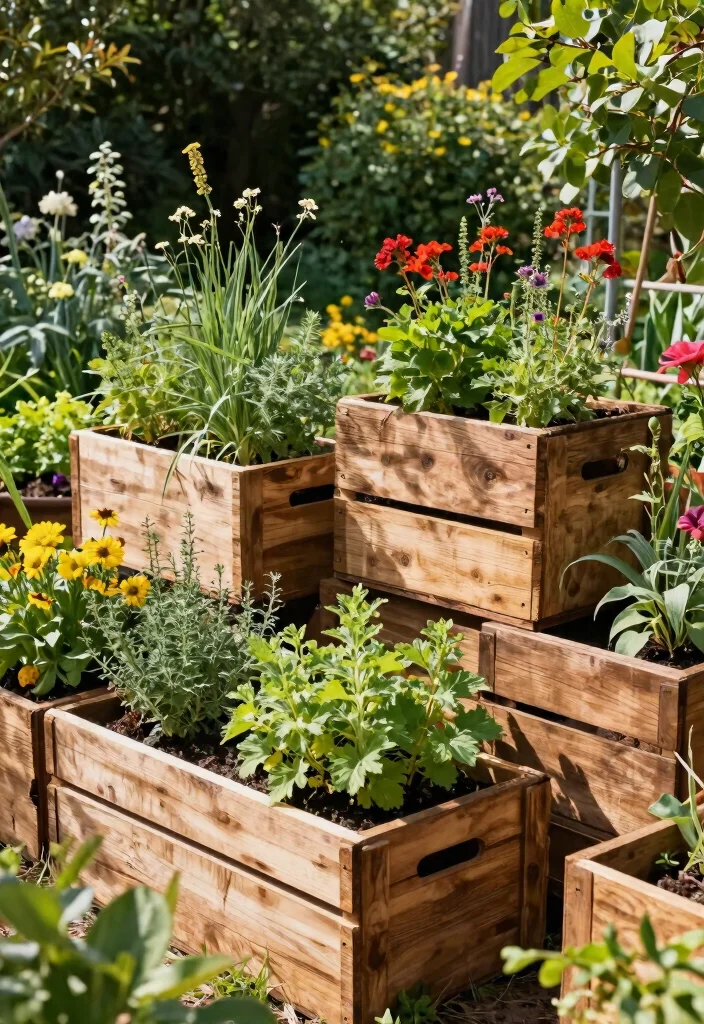
Wine crates offer a rustic and charming option for raised bed gardening. Often available at local wine shops at an affordable price, these crates are perfect for growing vegetables and can be arranged in creative patterns to fit your garden’s design. They not only maintain structure but are also easy to move around as needed.
To maximize their usefulness, consider adding a waterproof liner to protect the wood from moisture and stacking crates for added height. This adds both style and functionality to your garden setup.
Key benefits of using wine crates:
– Lightweight for easy repositioning
– Built-in drainage when lined properly
Your supply checklist:
– 4-6 wine crates (around $50)
– Potting soil
– A variety of plants or vegetables
Steps to create your garden:
1. Clean the crates thoroughly.
2. Line the inside with landscape fabric.
3. Fill with potting soil and plant your selections.
4. Arrange around your yard for a charming effect!
Wine crate gardens combine style with practicality, creating a delightful garden experience!
6. Cinder Block Raised Beds
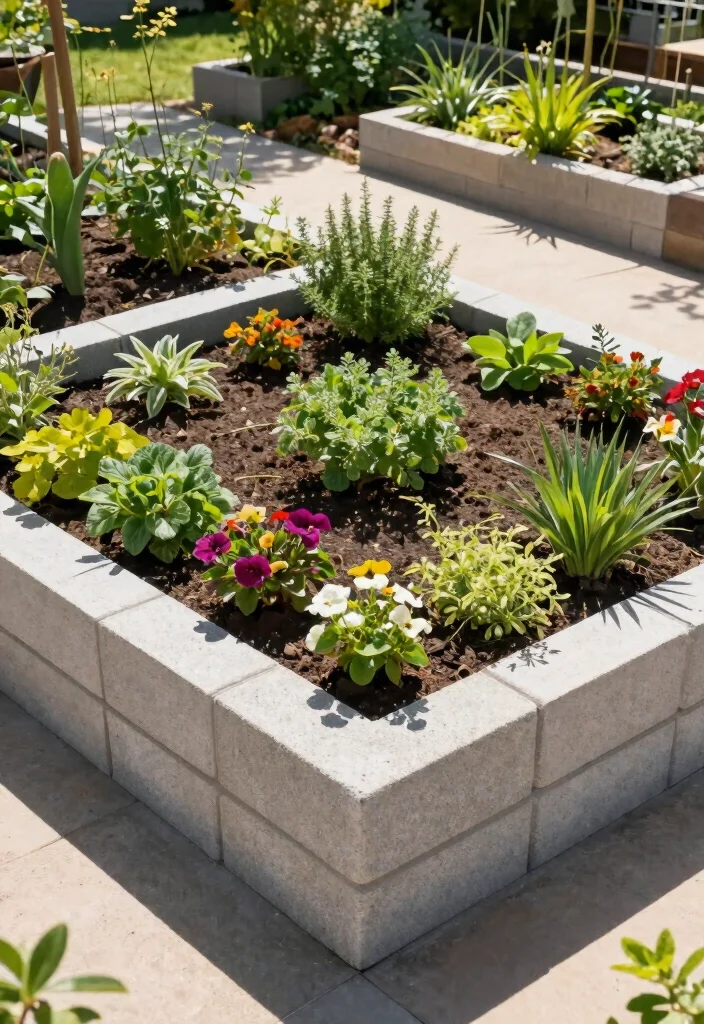
Cinder blocks can do more than just hold up structures—they can create a stylish and functional raised bed garden! Durable and affordable, these blocks come with built-in drainage, promoting healthy root growth for your plants. Arrange them in rectangles or squares, and don’t forget to fill the holes with colorful flowers or herbs for extra flair.
Consider using cinder blocks as a border for your garden, stacking them low for a neat look or high for a more dramatic effect. You might also want to paint them to match your garden theme and use a plastic liner for durability.
Important design insights:
– Use cinder blocks as garden borders
– Stack at your preferred height
Your supply list includes:
– 20-25 cinder blocks (around $100)
– Quality potting mix
– Seedlings of your choice
Steps to follow:
1. Plan your block layout.
2. Stack securely and fill with soil.
3. Plant your seedlings or seeds.
Cinder blocks provide a unique touch to your garden while keeping everything organized and stylish!
Cost Breakdown & Budget Planning
When planning your budget for a raised bed garden, it’s essential to understand where your money will go. Below is a comprehensive cost breakdown along with budget tiers to help you make informed decisions.
Cost Breakdown by Category:
– Materials/Products: $50 – $150
This range covers wood, soil, seeds, and plants. For example, cedar wood is durable but may be pricier, while treated lumber offers a more affordable option. Soil costs can vary based on quality and type.
– Tools/Equipment: $20 – $100
Basic tools like shovels, rakes, and gloves are often enough. If you need power tools like drills or saws, factor in higher costs. You can save by borrowing tools from friends or neighbors.
– Labor/Professional Installation: $0 – $200
If you choose to DIY, you can avoid costs here. However, hiring professionals can range from $100 to $200 depending on the project size and complexity.
– Optional Extras: $10 – $50
Extras like trellises, plant supports, or garden decor can enhance your garden. Consider these costs based on your specific design needs.
Budget Tier Breakdown:
Basic Economy Tier $
– What’s included: This tier focuses on the essentials. You could use untreated lumber or repurposed materials for your garden bed. You’re likely to invest in basic soil and seeds.
– Good for: Beginners or those with limited space and funds. Ideal for small vegetable garden ideas.
– Limitations: You’ll miss out on durability and aesthetics. The garden may not last as long or look as appealing as higher-priced options.
Mid-Range Tier $$
– What’s included: This option includes quality wood, a mix of organic soil and seeds, and some basic tools. You might also consider simple trellises for vertical space.
– Good for: Hobbyists who want a functional and attractive garden without spending too much. Perfect for small space gardening.
– Best value for: Most people looking for a good balance between quality and cost. This tier usually provides durable and effective designs.
Premium Tier $$$
– What’s included: All features you might want. High-quality wood, premium soil, and a variety of plants. You can also add decorative touches and advanced gardening tools.
– Good for: Serious gardeners looking for a long-lasting and beautiful setup. Great for creating an impressive vegetable garden.
– Worth it if: You plan to garden long-term and want the best materials and design. This tier can lead to better yields and a more enjoyable gardening experience.
Money-Saving Tips:
– Buy Locally: Purchase seeds and plants from local nurseries. They often have better prices than big-box stores.
– Repurpose Materials: Use old wood, bricks, or tires for your raised beds. This can significantly cut costs and add character to your garden.
– Shop Sales: Look for discounts or sales events at garden centers. Buying off-season can also save you money on plants and materials.
– Join a Gardening Group: Many communities have gardening clubs that share resources and tools, making it easier to save on equipment.
Where to Splurge:
– Soil Quality: Invest in high-quality soil. Good soil promotes healthy plant growth and can lead to better harvests. This is a long-term benefit that pays off.
– Durable Materials: If you plan on keeping your garden for years, spend a bit more on materials like cedar or composite lumber. They will withstand the weather better and require less maintenance.
Planning your budget for a budget raised bed garden is essential. By breaking down costs and understanding where to spend and where to save, you can create a flourishing garden without breaking the bank. Happy gardening!
7. Raised Bed with Trellises
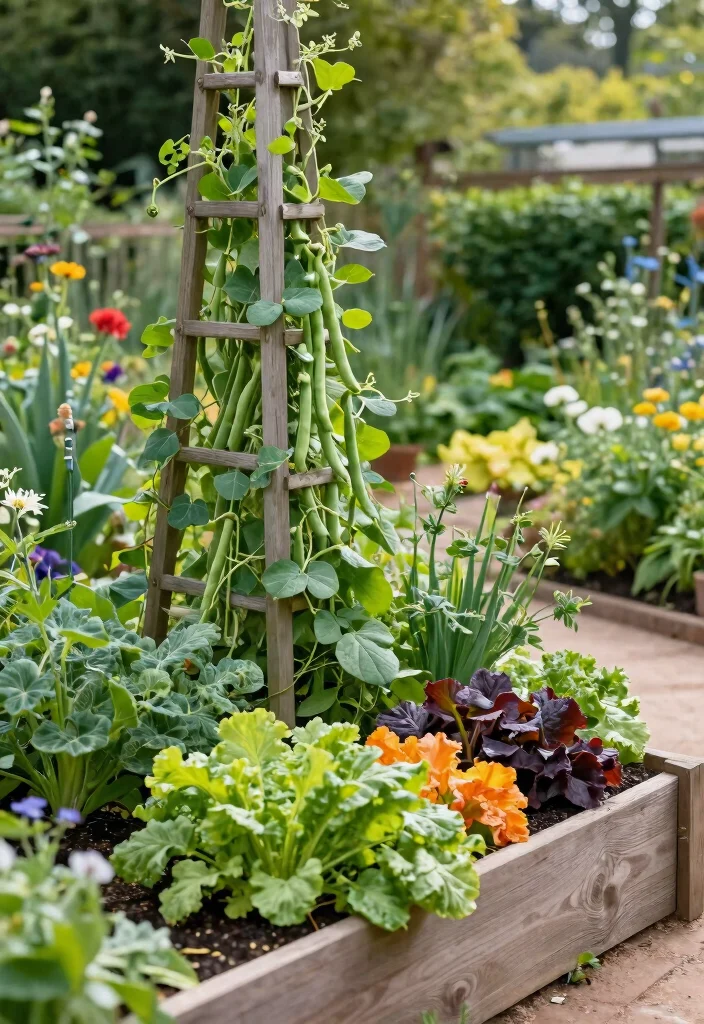
Enhance your raised beds by incorporating trellises! These vertical structures allow climbing plants like beans and peas to thrive upward, optimizing space while adding visual interest to your garden. You can easily build your own trellis using wood or metal, ensuring it’s sturdy enough for your plants.
Position your trellis on the north side of the bed to prevent shading, and select climbing plants that naturally grow upward for the best results. This combination maximizes your growing area while creating a stunning focal point that draws attention.
Best practices for trellis design:
– Position on the north side to avoid shading
– Choose naturally climbing plants for optimal growth
Your supply checklist:
– Wood or metal for the trellis (around $75)
– 1 raised bed (DIY or prefabricated)
– Climbing vegetables or flowers
Steps to get started:
1. Build or attach your trellis to the back of the raised bed.
2. Fill the bed with soil and plant climbing plants.
3. Train plants to grow up the trellis.
Adding trellises not only enhances your garden’s space but also makes it visually captivating!
8. Wooden Crate Vertical Garden
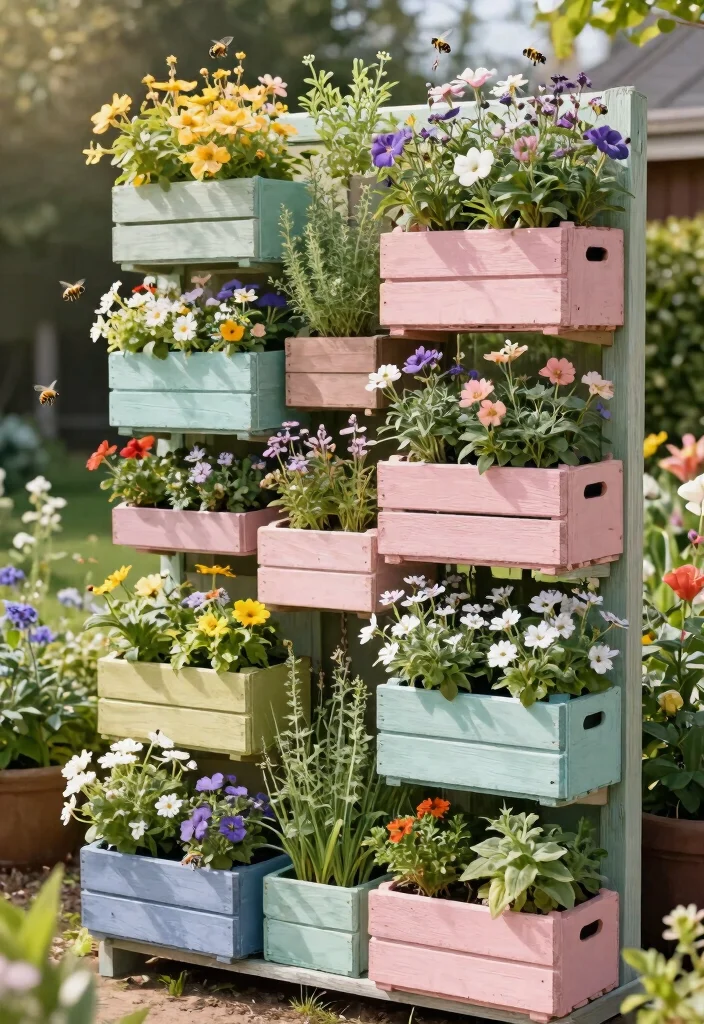
Transform wooden crates into an eye-catching vertical garden! When stacked, these crates can hold various plants, creating a stunning focal point in your outdoor space. This design maximizes your gardening area while allowing easy access to herbs and flowers, making maintenance a breeze.
Consider personalizing your crates with paint or decorations that match your garden’s style, and using different sizes can add visual interest. Be sure to stack securely for stability and safety.
Key design tips:
– Use various crate sizes for added appeal
– Ensure proper stacking for stability
Your supply list:
– 4-6 wooden crates (around $60)
– Potting soil
– Selection of small plants or flowers
Follow these steps:
1. Choose your crate sizes and stack them securely.
2. Fill each crate with potting soil and plant your selections.
3. Arrange in a prominent spot for visibility!
With a little creativity, you can create a functional and stylish focal point in your garden.
9. Wall-Mounted Planters
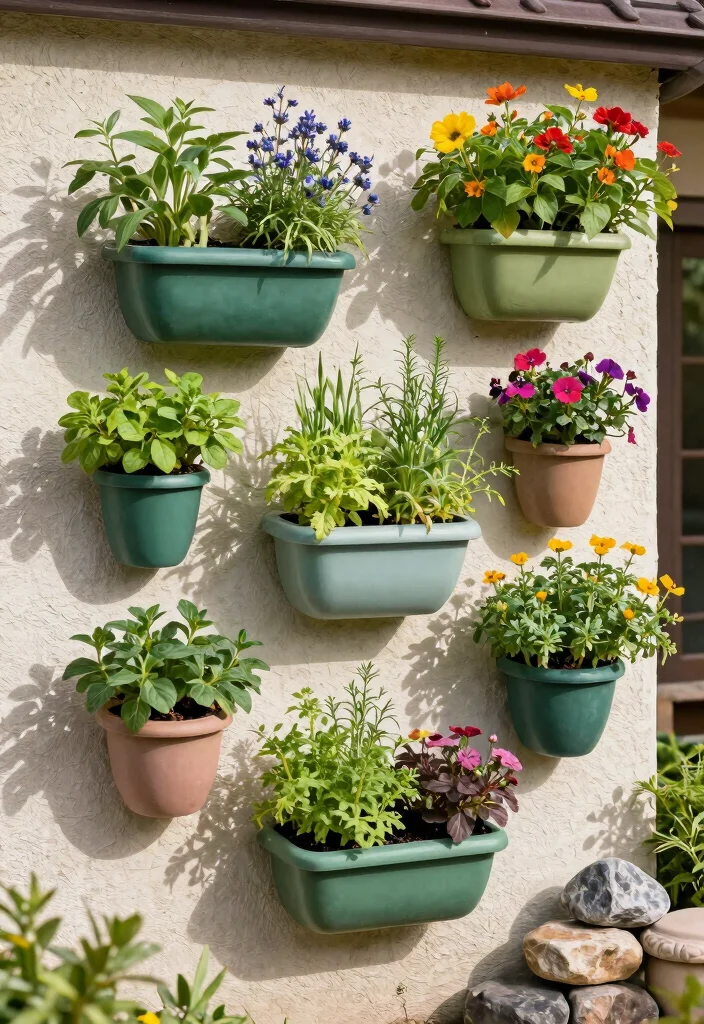
If you have limited space, wall-mounted planters are a game-changer! These raised bed gardens can be hung on a wall or fence, maximizing vertical space while still allowing you to enjoy a lush garden. They’re ideal for herbs and flowering plants, transforming dull walls into vibrant green displays.
Before installation, ensure your wall can support the weight of the planters and soil. Opt for plants that thrive in smaller containers to ensure success in this setup.
Installation tips:
– Ensure the wall supports the weight of planters and soil
– Choose plants that thrive in smaller spaces
Your supply checklist:
– 4-6 wall-mounted planters (around $80)
– Potting soil
– Herbs or flowers of your choice
Steps to create your garden:
1. Securely mount your planters to the desired wall.
2. Fill with potting soil and plant.
3. Water regularly, but avoid over-watering.
This creative concept turns your walls into a beautiful canvas of greenery, all while being budget-friendly!
10. Recycled Wooden Fencing
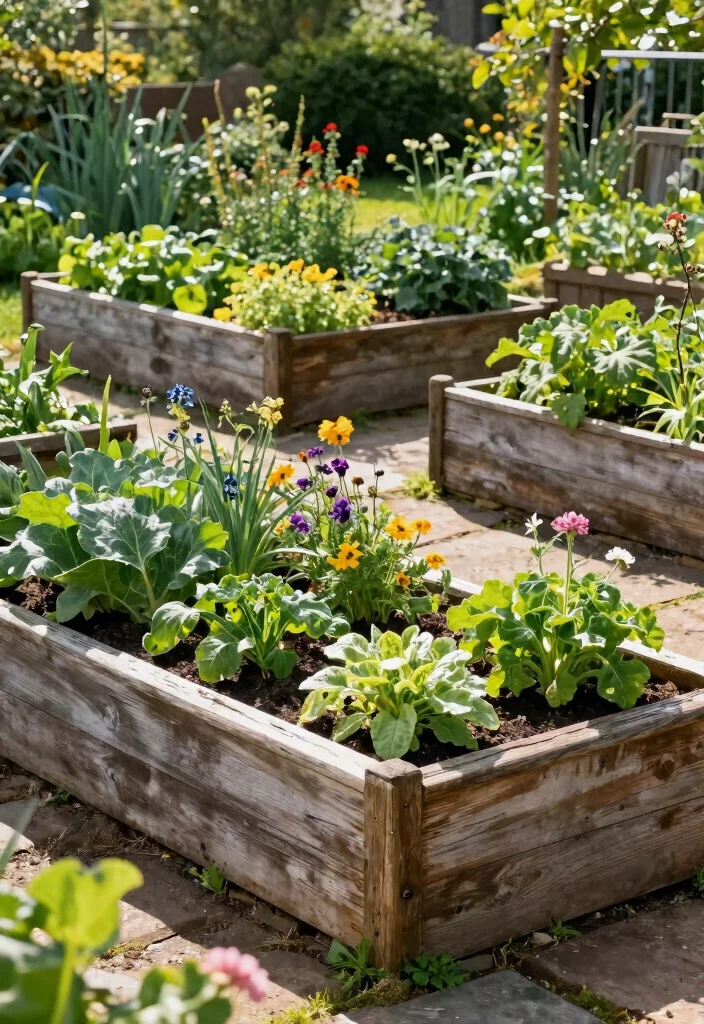
Why purchase new lumber when you can repurpose old wooden fencing into stylish raised beds? This budget-friendly idea not only saves money but also adds a rustic charm to your garden! Simply cut the fencing to your desired height, assemble it into shapes, and fill them with soil and your favorite plants.
Be sure the wood is untreated to keep chemicals out of your soil, and consider leaving the wood weathered for a natural look. This sustainable option allows you to garden while being eco-conscious.
Building tips for success:
– Ensure the wood is untreated to avoid chemicals
– Leave the wood weathered for a rustic charm
Your supply list:
– Old wooden fencing (often free)
– Soil
– Seeds or seedlings
Follow these steps:
1. Cut the fencing into desired lengths.
2. Assemble into rectangular or square shapes.
3. Fill with soil and plant your favorite veggies or flowers.
This approach combines eco-friendliness with creativity, letting you enjoy gardening while making a positive impact!
Upcycling old fencing can cut your budget raised bed garden costs by up to 60%. Simply cut, arrange, and fill with soil and plants—untreated wood keeps chemicals out of your soil, and a weathered look adds rustic charm.
Conclusion
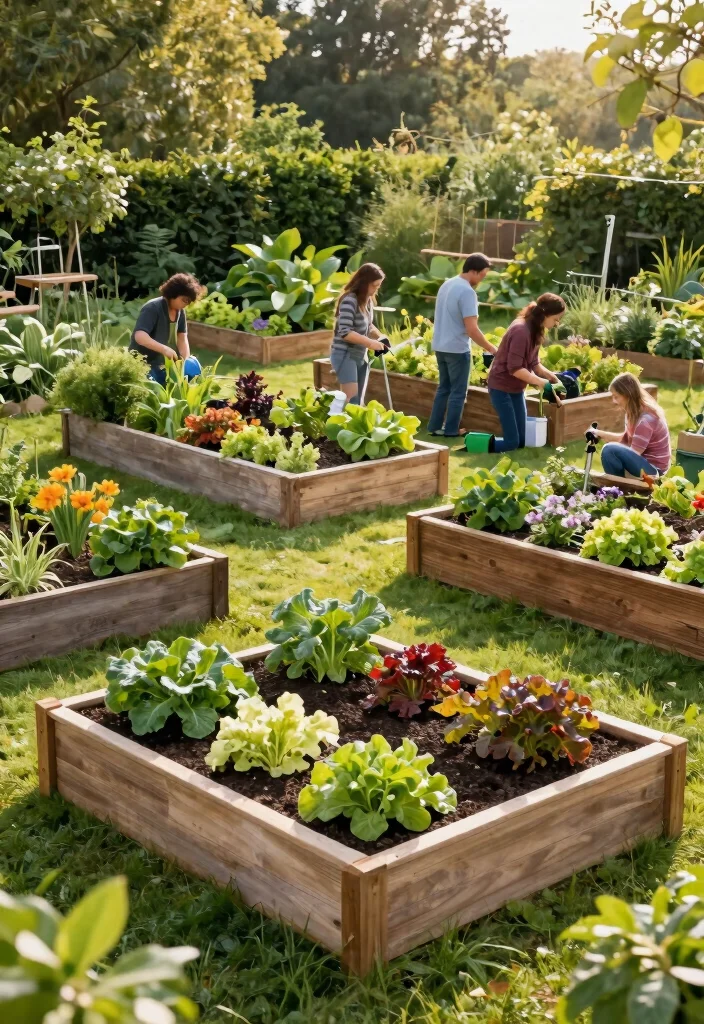
Budget raised bed gardening opens up a world of possibilities for anyone wanting to grow food or flowers without spending a fortune.
From creative repurposing of materials to stylish vertical designs, there are numerous affordable garden designs you can choose from. With just a little effort and imagination, you can create a flourishing space that fits within any budget.
So, get started and bring your gardening dreams to life while having fun along the way!
Note: We aim to provide accurate product links, but some may occasionally expire or become unavailable. If this happens, please search directly on Amazon for the product or a suitable alternative.
This post contains Amazon affiliate links, meaning we may earn a small commission if you purchase through our links, at no extra cost to you.
Frequently Asked Questions
What are the best affordable materials for a budget raised bed garden, especially for vertical or stacked designs?
For a budget raised bed garden, start with affordable, safe materials. For vertical or stacked designs you can use repurposed pallets, cinder blocks, corrugated metal, or inexpensive pine boards sealed for outdoor use. DIY options like reused crates or stackable planters also help keep costs down. Fill with a simple soil mix (topsoil + compost + a touch of perlite or vermiculite) to ensure good drainage. Avoid treated wood near edible crops, and add a basic drip irrigation line to save water and time. These choices fit the affordable garden designs and low-cost gardening solutions mindset behind a budget raised bed garden.
How can I maximize space and stay under $200 with DIY raised beds for a small space garden?
Plan a tight layout by measuring your space, sketching a layout, and deciding how many beds you can fit. Use vertical elements to multiply your growing area, such as a trellis over a raised bed or stacked crates on a wall. Source inexpensive materials (as in the first answer) and reuse what you have to stay under $200. Fill beds with a soil mix and compost, then sequence plantings so you get continuous harvest. This approach works well for small space gardening and a budget raised bed garden that still yields plenty.
Which vegetables are ideal for a low-cost, high-yield budget raised bed garden in a small space?
For a budget raised bed garden in a tight space, choose fast growing, compact crops: leafy greens like lettuce, spinach, and kale; radishes; green onions; herbs; bush beans; peppers in a small footprint; determinate tomatoes with a trellis; and root crops such as radishes and baby carrots. Practice succession planting so you harvest in waves. Use one bed per crop type if possible, or mix compatible plants to maximize space and maintain soil health. These choices align with vegetable garden ideas for small spaces and budget friendly design.
What simple, budget friendly setup can I use to create a vertical or compact raised bed garden?
Think modular and scalable. Build a shallow raised bed on the ground, then add vertical support like a wooden lattice, pallet frame, or wire trellis. Use stacked crates or stacked cedar planters to gain height without breaking the bank. Pair with a drip irrigation line and mulch to conserve water and keep costs down. This is a practical low-cost gardening solution for small space gardening and fits a budget raised bed garden approach.
What maintenance tips help keep a budget raised bed garden productive without breaking the bank?
Keep soil healthy with a regular application of homemade compost or well rotted manure, and top it up with mulch to suppress weeds. Water with a drip line to save water, and harvest crops regularly to maintain productivity. Rotate crops yearly and use companion planting to minimize pests without chemicals. Reuse materials where safe, repair beds when needed, and track costs to stay under your budget. With these low-cost gardening solutions, vegetable garden ideas, and a budget raised bed garden stay productive all season.
Related Topics
budget raised bed garden
DIY raised beds
affordable garden designs
vertical gardening
small space gardening
low-cost gardening solutions
easy vegetable garden
beginner gardening
inspiring garden builds
sustainable gardening
seasonal gardening
creative planters