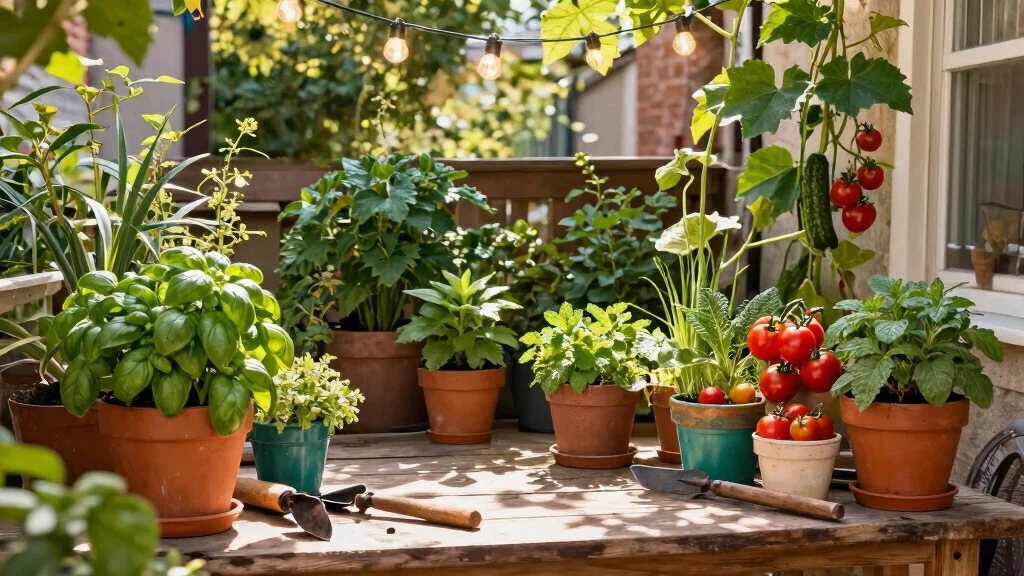
Creating your own edible container garden can be a rewarding experience, especially if you’re working with limited space. The world of gardening has been calling my name lately, and I find myself craving fresh herbs and vibrant vegetables right from my patio or deck. If you’re someone who loves to experiment with urban gardening but thinks you might not have enough room, this post is tailor-made for you.
In this comprehensive guide, you’ll discover 15 unique edible container garden ideas perfect for small spaces. Each idea is crafted to help you grow your own food, no matter how small your area might be. Whether you’re a novice gardener or a seasoned plant parent, you’ll find options that are fun, functional, and even a bit quirky. Imagine stepping outside and plucking a ripe strawberry or snipping fresh basil for your pasta. These ideas will inspire you to transform your outdoor space into your culinary oasis.
Let’s dig in and explore how you can maximize your patio or deck with creative container gardening. Each concept is designed to not only save space but to also bring a splash of life and flavor to your home. Get ready to be inspired by the possibilities of growing your own food in the heart of the city!
Key Takeaways
– Container versatility: You can use a variety of items for your edible garden, such as pots, crates, and even hanging baskets. Each container type offers unique benefits and styles.
– Space-saving designs: Ideas like vertical gardens and herb spirals maximize limited space while still allowing you to grow a wide range of edible plants.
– Diverse plant options: From herbs to fruits and vegetables, you can cultivate a rich selection of edible plants tailored to your tastes and the space available.
– Easy maintenance: Most container gardens are low-maintenance, making them ideal for busy urban dwellers or gardening beginners. You can easily tend to them without overwhelming effort.
– Aesthetic and functional: Edible container gardens not only provide fresh food but can also enhance the beauty of your patio or deck, making any outdoor area more inviting and useful.
1. Herb Spiral
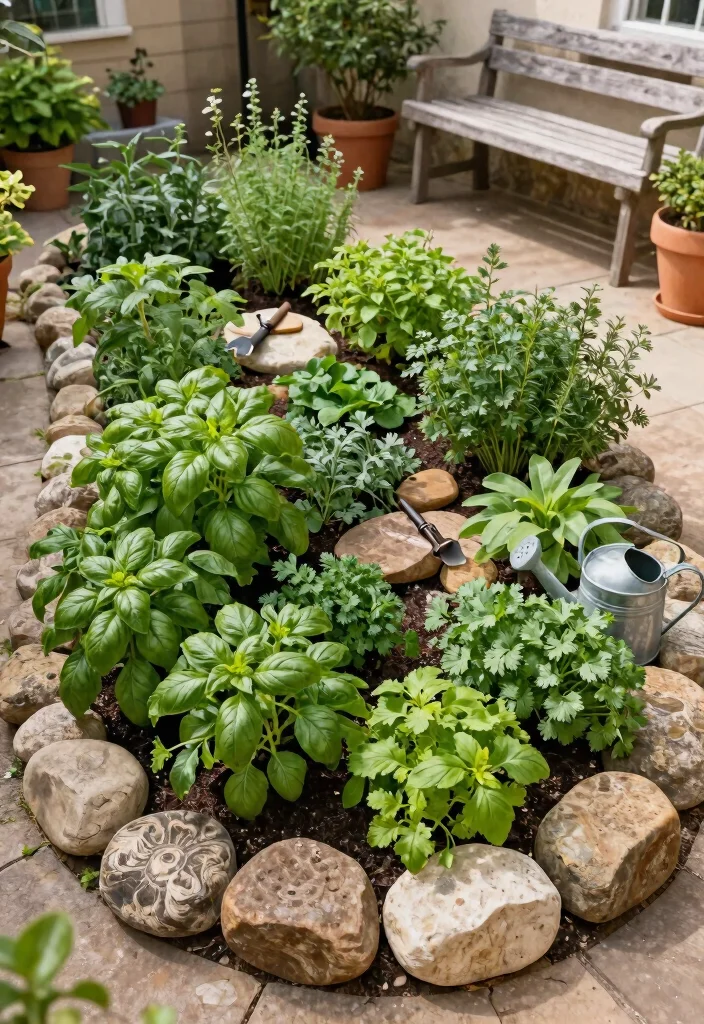
Feeling the urge to elevate your herb game? An herb spiral is a beautiful way to grow fresh herbs while saving space. This creative design allows you to cultivate favorites like rosemary, thyme, and basil in a compact area, making your patio both functional and attractive. With varied moisture levels and sunlight exposure, each herb thrives just the way it likes it.
Building your herb spiral is simple and rewarding. You can use materials like stones or bricks, giving your garden a rustic charm that catches the eye.
Ingredients:
– Stones or bricks for structure
– Nutrient-rich soil
– Herb seedlings (rosemary, thyme, oregano, basil)
Instructions:
1. Plan the size of your spiral and outline it on the ground.
2. Gather your stones and soil.
3. Construct the spiral by stacking stones or bricks.
4. Fill each section with soil and plant your herbs.
5. Water regularly and enjoy fresh herbs right from your garden!
Tips: Use organic compost for richer soil and prune your herbs to encourage fuller growth.
2. Vertical Garden Planters
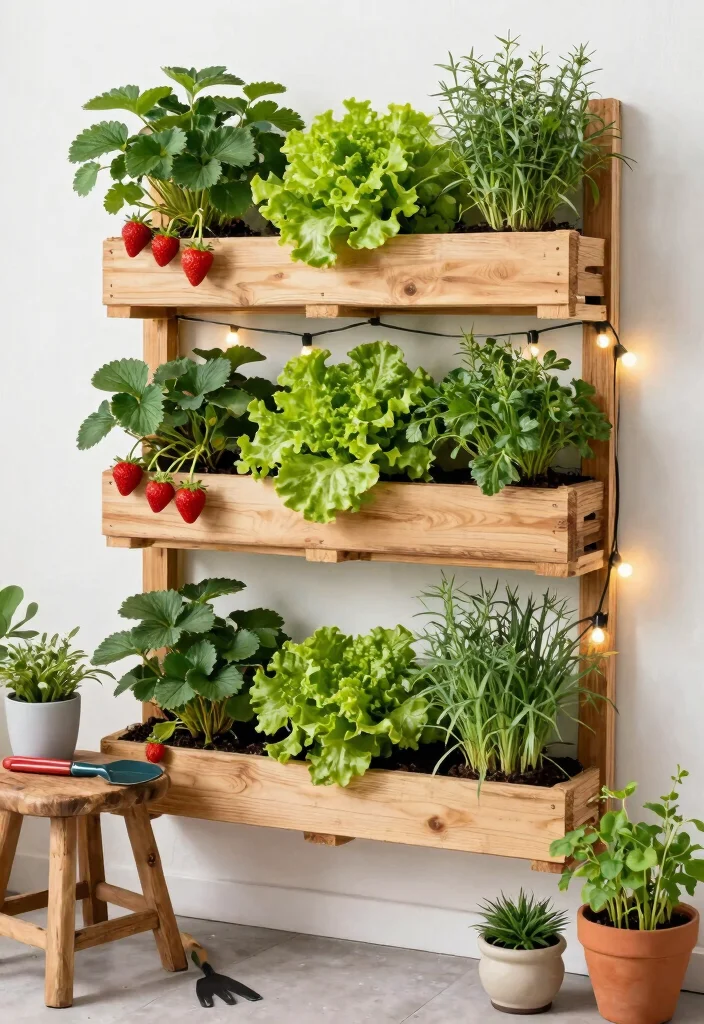
Do you have a small patio and want to maximize your growing space? Vertical garden planters are a perfect solution! These planters come in various styles, from wall-mounted systems to tiered units, allowing you to grow fresh herbs, strawberries, or even peppers upwards. This not only saves ground space but also creates a striking visual display that will impress your guests.
With the right setup, you can enjoy fresh produce while enhancing your outdoor area.
Ingredients:
– Vertical planter (store-bought or DIY)
– Quality potting soil
– Edible plants (strawberries, leafy greens, peppers)
Instructions:
1. Select your vertical planter or create one using pallets.
2. Find a sunny spot for your planter.
3. Fill the planter with potting soil.
4. Plant your chosen edibles, spacing them appropriately.
5. Water regularly and watch them thrive!
Tip: Consider companion planting for better growth and pest control.
Did you know vertical garden planters can boost edible container garden yields by up to 40% in small spaces? Stack planters upward to grow herbs, strawberries, and peppers, saving ground space while turning your patio into a lush, delicious display.
3. Salad Bar Container
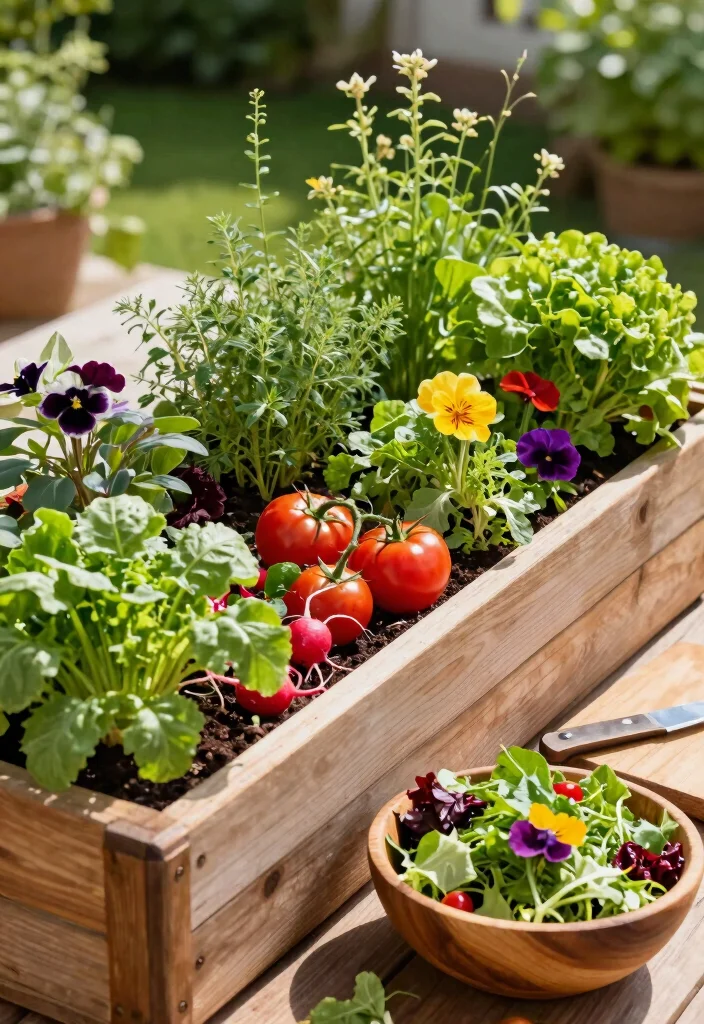
Craving fresh salad ingredients at your fingertips? A salad bar container garden is just the ticket! You can grow a variety of greens, tomatoes, and crunchy cucumbers to keep your salads vibrant and exciting. This arrangement allows for easy access and quick harvests, making meal prep a breeze.
Imagine picking fresh veggies right from your patio for a delicious salad!
Ingredients:
– A large rectangular or square container with drainage holes
– Quality potting soil
– Salad staples (leafy greens, tomatoes, cucumbers, radishes)
Instructions:
1. Choose your container and ensure it has drainage.
2. Fill with nutrient-rich potting soil.
3. Plant your salad ingredients, leaving space for each to grow.
4. Water consistently and fertilize as needed.
5. Harvest as needed, leaving younger leaves to continue growing.
Tip: Plant edible flowers like nasturtiums for added color and flavor!
4. Strawberry Tower
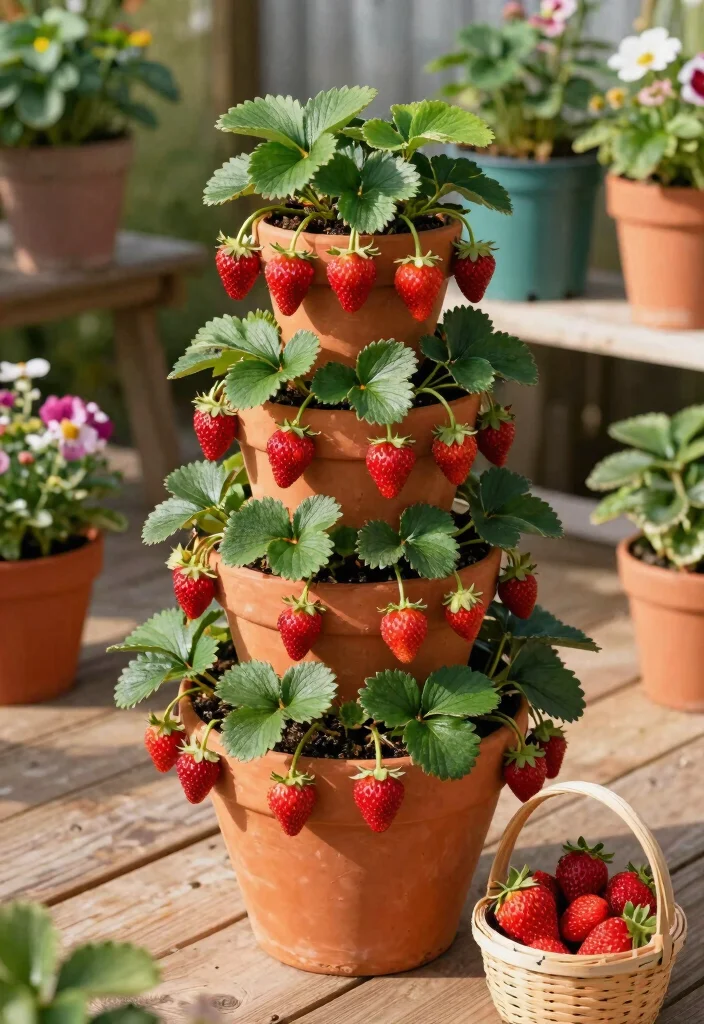
Do you love strawberries? A strawberry tower is a delightful way to grow these sweet fruits in a compact space! Using stacked pots or a DIY tower, you can create a vertical garden that makes harvesting easy and fun. This method not only saves space but also makes your patio an eye-catching spot filled with delicious strawberries.
Get ready to enjoy fresh, juicy strawberries all season long!
Ingredients:
– Sturdy clay pots (various sizes)
– Quality potting soil
– Strawberry seedlings
Instructions:
1. Choose the height of your tower and gather your pots.
2. Stack the largest pot at the bottom, ensuring good drainage.
3. Fill each pot with soil and plant strawberry seedlings.
4. Water daily to keep the soil moist.
5. Fertilize every few weeks for healthier plants.
Tip: Opt for ever-bearing strawberry varieties for a continuous harvest!
How To Choose the Right Edible Container Garden
Choosing the right edible container garden can enhance your patio gardening experience and maximize your small space. Here are key factors to consider that will guide you in making an informed decision:
1. Size of Containers
Consider the space you have available on your patio or deck. You want containers that fit comfortably without overcrowding the area. A good rule of thumb is to ensure each container is at least 12 inches in diameter for most edible plants. This allows roots to grow and flourish. Measure your space before purchasing.
2. Material Matters
Containers come in various materials, including plastic, ceramic, wood, and metal. Each has its pros and cons. For example, plastic is lightweight and retains moisture well, while terracotta allows for better air circulation but can dry out quickly. Choose a material that suits your climate and aesthetic preferences.
3. Drainage Features
Proper drainage is crucial for container gardening. Without it, your plants can suffer from root rot. Look for containers with drainage holes at the bottom. If you find a beautiful pot without holes, consider using it as an outer decorative pot and placing a smaller container inside that has drainage.
4. Types of Edible Plants
Think about what edible plants you want to grow. Some plants, like herbs and lettuce, thrive in smaller containers, while tomatoes and peppers require larger ones. Research the specific needs of each plant type to ensure you choose containers that meet their requirements.
5. Light Exposure
Different edible plants require varying amounts of sunlight. Make sure your chosen containers can be positioned where they will receive adequate sunlight. If your patio has shaded areas, consider growing shade-tolerant edible plants like leafy greens or herbs.
6. Budget Considerations
Container gardening can fit any budget. You can find affordable options at garden centers or even repurpose materials you already have at home. Set a budget before shopping to help narrow down your choices and avoid overspending.
Pro Tip: Consider starting small. Begin with just a few containers and a couple of plant types. As you become more comfortable, you can expand your edible container garden with more complex arrangements and diverse plants. This way, you’ll learn what works best for your unique space and preferences.
By understanding these factors, you’ll be better prepared to create a thriving edible container garden that enhances your urban gardening experience. Enjoy the journey of growing your own food right at home!
5. Miniature Tea Garden
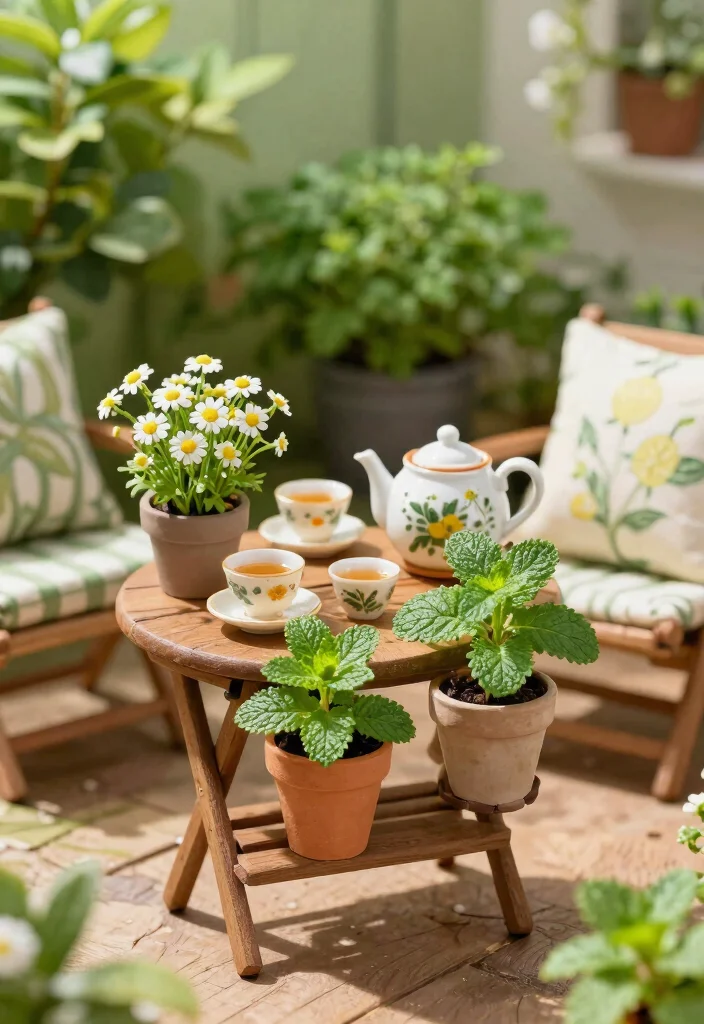
Looking for a cozy outdoor retreat? A miniature tea garden can be your personal haven! Growing herbs like chamomile, mint, and lemon balm in small pots allows you to brew your own delightful teas right at home. Set up a few pots on a table, and you’ll have a lovely spot to relax with your favorite infusions.
This charming idea enhances your patio atmosphere while providing fresh tea ingredients at your fingertips!
Ingredients:
– Small pots for tea herbs
– Quality potting soil
– Herb seedlings (chamomile, mint, lemon balm)
Instructions:
1. Select a variety of tea herbs based on sunlight needs.
2. Arrange your pots on a small table or shelf.
3. Fill each pot with nutrient-rich soil.
4. Water regularly, avoiding overwatering.
5. Harvest leaves as they grow for fresh tea.
Tip: Dry any excess herbs to enjoy later!
Turn your patio into an edible container garden with a tiny tea garden. Grow chamomile, mint, and lemon balm in small pots, brew fresh infusions, and relax in a personal outdoor haven.
6. DIY Container Water Garden
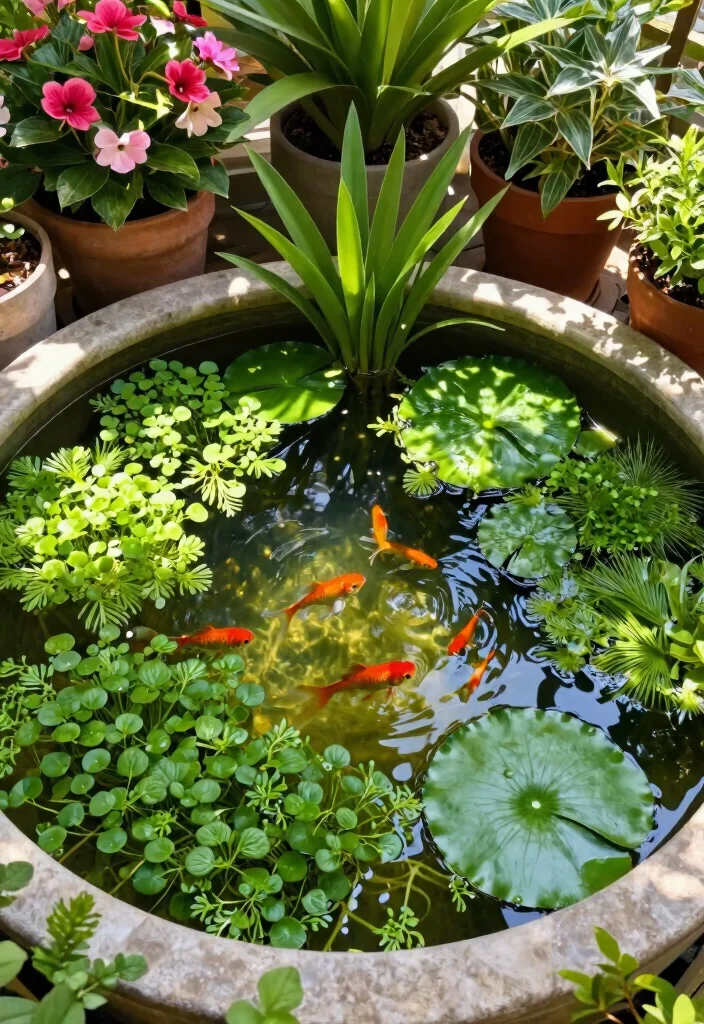
Have you ever thought about combining beauty with utility? A DIY container water garden is a fantastic way to grow aquatic plants like watercress alongside ornamental features. Using a large tub or barrel, you can create a serene environment with the added benefit of fresh greens for your meals.
This unique feature not only beautifies your space but also provides fresh herbs and greens for culinary delights!
Ingredients:
– A large container (tub or barrel)
– Gravel for drainage
– Potting soil
– Aquatic plants (watercress, lilies)
Instructions:
1. Choose a container that can hold water.
2. Layer gravel at the bottom for drainage, then add potting soil.
3. Plant watercress and other aquatic favorites.
4. Fill with water and consider adding fish for aesthetics.
5. Maintain water levels and clean regularly.
Tip: Add floating lilies for added beauty!
Did you know a 5–10 gallon container can grow watercress and herbs for daily meals? This edible container garden turns tiny patios into a productive, peaceful oasis—fresh greens and beauty in one compact space.
7. Repurposed Wooden Crates
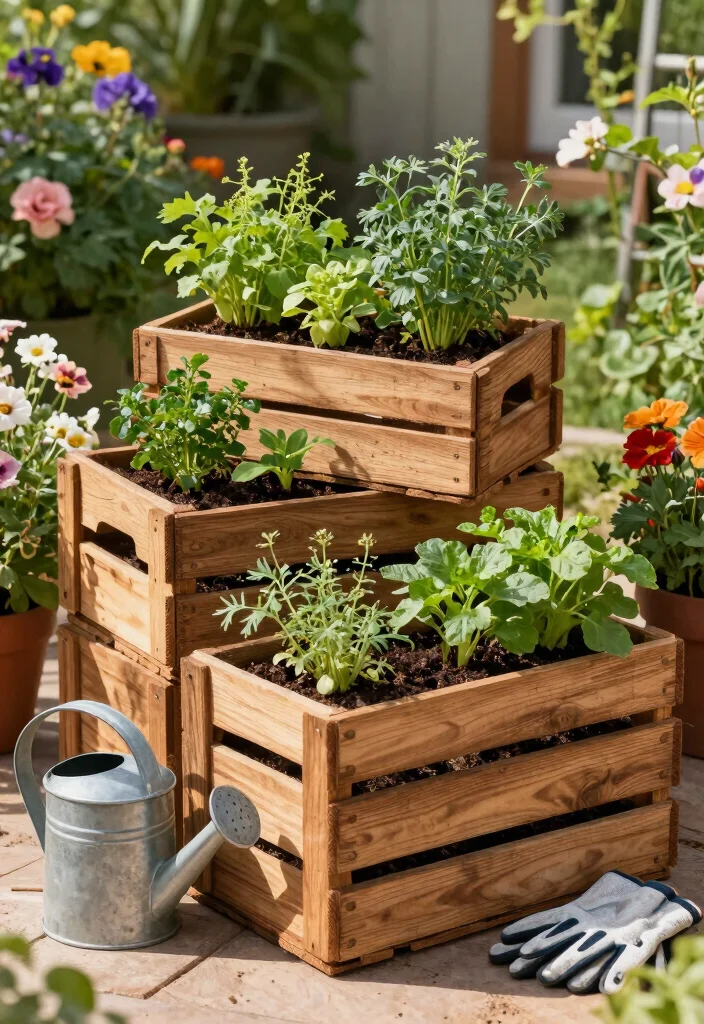
Want to add some rustic charm to your garden? Repurposed wooden crates can transform into charming container gardens! These crates are perfect for growing herbs, radishes, or even small tomatoes. You can stack them for vertical gardening, creating a unique and attractive display that enhances your patio.
Plus, they are eco-friendly and budget-friendly!
Ingredients:
– Sturdy wooden crates
– Potting soil
– Edible plants (herbs, radishes, tomatoes)
Instructions:
1. Select crates that are sturdy enough for planting.
2. Drill drainage holes if necessary.
3. Fill with quality potting soil.
4. Plant your chosen edibles and water thoroughly.
5. Position them in a sunny spot and enjoy your rustic garden.
Tip: Line the bottom with landscape fabric to retain soil while allowing drainage.
8. Hanging Baskets of Greens
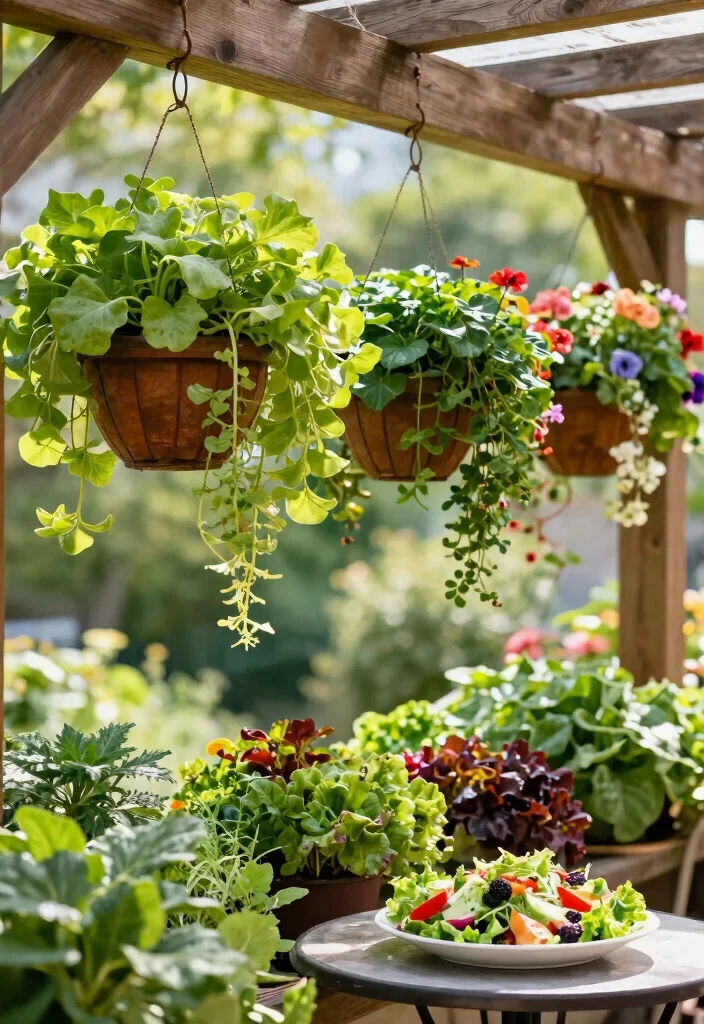
Want to maximize your gardening space? Hanging baskets filled with leafy greens are an excellent choice for small patios! These baskets can hold a variety of plants, such as spinach and lettuce, creating an eye-catching display while saving ground space. Hang them at varying heights to add visual interest while ensuring they get plenty of sunlight.
Your patio will look stunning, and you’ll have fresh greens at your fingertips!
Ingredients:
– Sturdy hanging baskets with drainage
– Quality potting mix
– Leafy greens (spinach, lettuce, herbs)
Instructions:
1. Select hanging baskets and ensure they have drainage holes.
2. Use high-quality potting mix.
3. Plant your greens, allowing space for growth.
4. Hang securely where they receive sunlight.
5. Water regularly, as containers tend to dry out quickly.
Tip: Fertilize bi-weekly to promote lush growth!
9. Edible Flowers Container
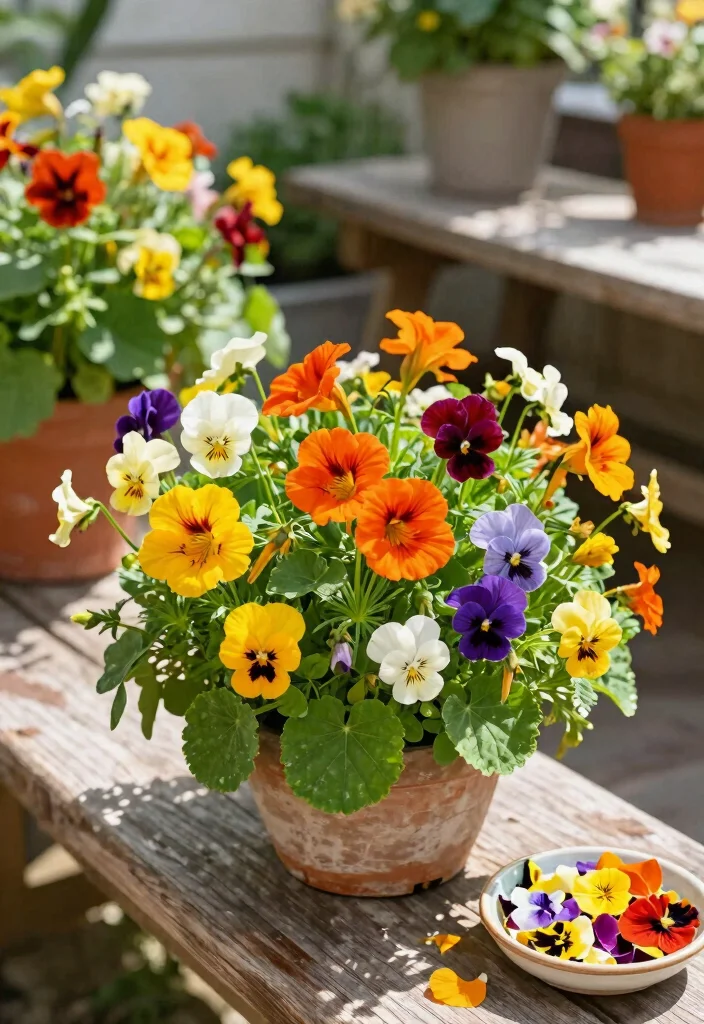
Looking to add some color to your edible garden? A container filled with vibrant edible flowers is a fantastic idea! Flowers like nasturtium, pansies, and calendula not only brighten your space but also enhance salads and desserts. Creating a dedicated container for these beauties is a wonderful way to attract pollinators while adding flavor to your dishes.
It’s a fun and beautiful way to enjoy gardening!
Ingredients:
– A large container with drainage holes
– Rich, well-draining potting mix
– Edible flower seeds (nasturtiums, pansies, calendula)
Instructions:
1. Choose your container and ensure it has drainage.
2. Fill with a rich potting mix.
3. Plant a variety of edible flowers, spacing them appropriately.
4. Water regularly and deadhead spent blooms to encourage growth.
5. Harvest flowers for use in cooking or decorating.
Tip: Pair edible flowers with herbs for a colorful and aromatic arrangement!
10. Succulent Edible Garden
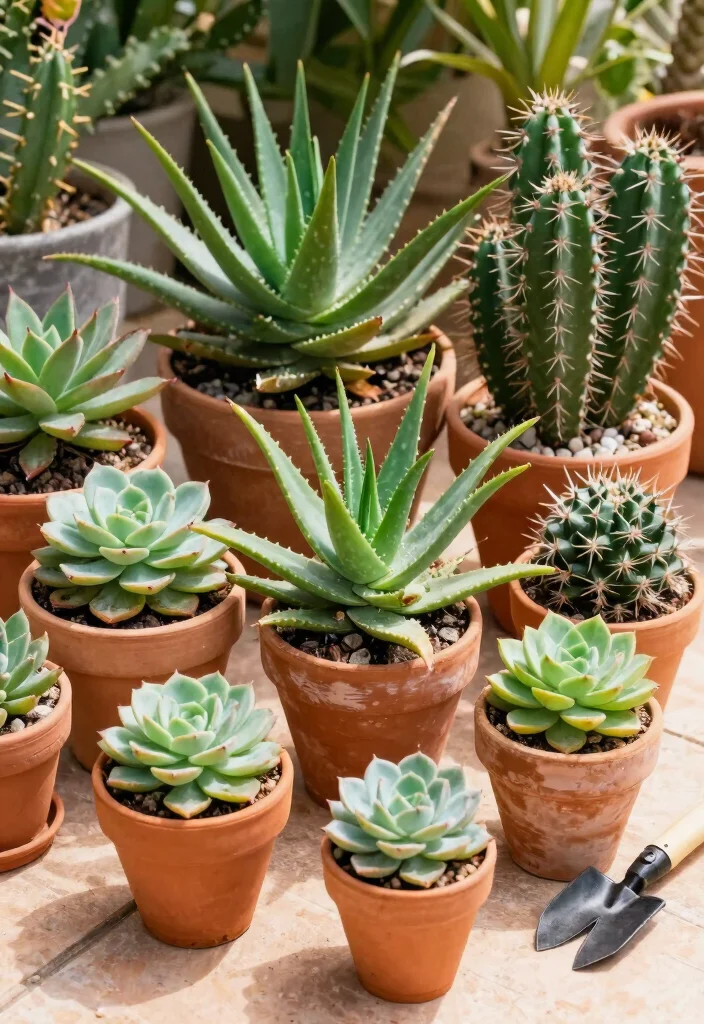
Did you know some succulents are edible? Creating a succulent edible garden can be a unique way to enjoy gardening on your patio! Varieties like aloe vera and certain cacti not only look great but also offer health benefits. Plant them in terracotta pots or create a succulent wall for a stunning display.
This low-maintenance garden will add character and flavor to your space!
Ingredients:
– Suitable pots or a vertical wall planter
– Gritty, fast-draining potting mix
– Edible succulents (aloe vera, certain cacti)
Instructions:
1. Choose pots or a wall planter for your succulents.
2. Use a gritty potting mix for drainage.
3. Plant edible succulents, spacing them well.
4. Water sparingly, allowing soil to dry out.
5. Enjoy the health benefits and unique flavors of your succulent garden.
Tip: Rotate pots occasionally for even sunlight exposure!
11. Pizza Garden Container
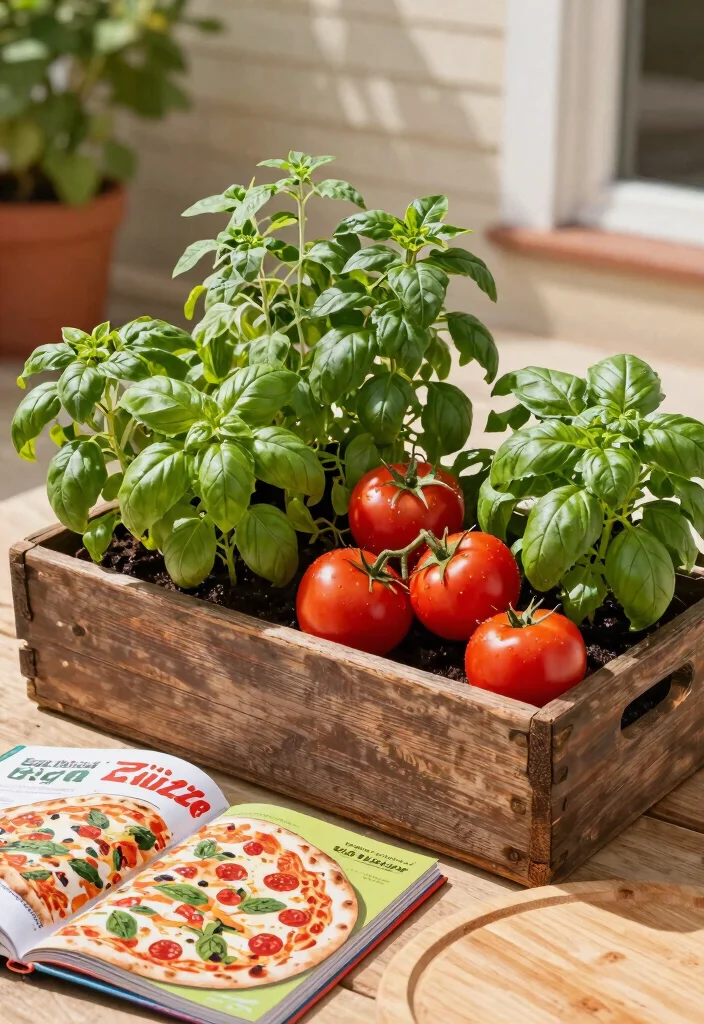
Are you a pizza lover? Why not create your very own pizza garden? This fun concept combines all the essentials you need for delicious homemade pizza, featuring tomatoes, basil, and oregano all in one container. Using a larger planter makes it easy to grab fresh ingredients whenever the craving strikes, and the vibrant colors will surely liven up your patio!
Enjoy making fresh pizzas with ingredients you’ve grown yourself!
Ingredients:
– Large container with drainage
– Nutrient-rich potting soil
– Tomato seedlings, basil, and oregano
Instructions:
1. Choose a large container with good drainage.
2. Fill it with nutrient-rich potting soil.
3. Plant tomato seedlings, basil, and oregano, spacing them well.
4. Water regularly, staking tomato plants as they grow.
5. Harvest fresh ingredients to enjoy on your pizzas!
Tip: Interplant with marigolds to naturally deter pests!
12. Exotic Tropical Fruit Container
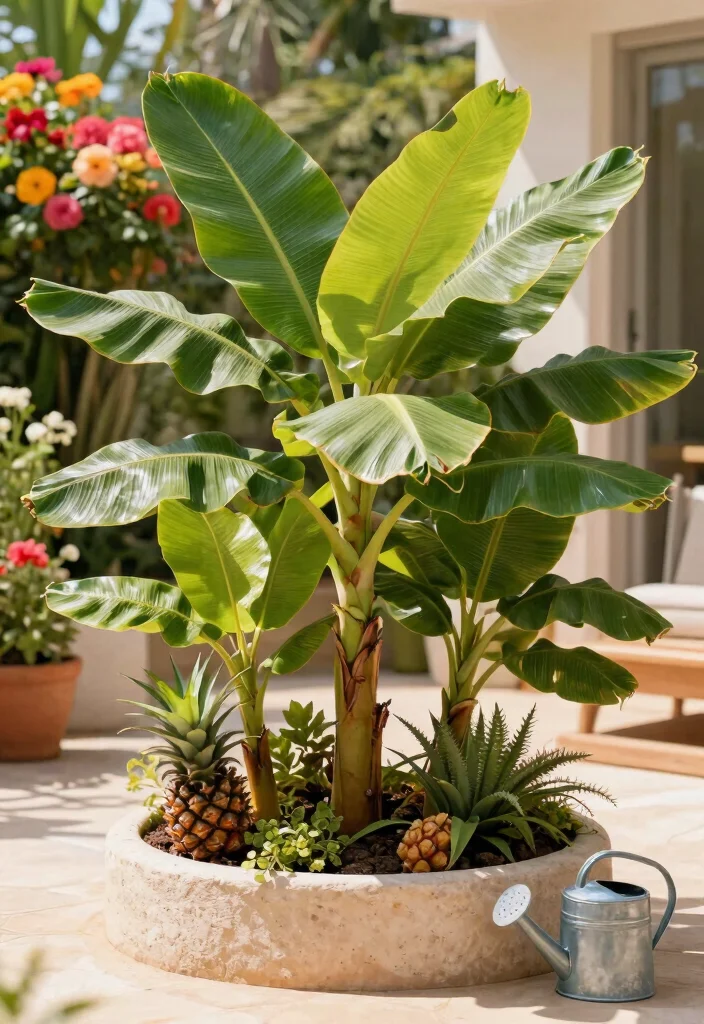
Ever dreamed of growing tropical fruits? You can bring a taste of the tropics to your patio by cultivating exotic fruits in containers! Dwarf varieties of bananas, pineapples, or citrus trees thrive in pots, adding delightful flavors and lush greenery to your space. The ability to move containers for sunlight makes this an adaptable option for any patio.
Experience the joy of harvesting tropical delights right at home!
Ingredients:
– Large container with drainage
– Potting mix suitable for fruit plants
– Dwarf tropical fruit plants (bananas, pineapples, citrus)
Instructions:
1. Choose a large container with good drainage.
2. Use a potting mix designed for fruit plants.
3. Select dwarf varieties that fit your space.
4. Water thoroughly and fertilize regularly.
5. Be patient; some fruits take time to mature!
Tip: Protect tropical plants from frost in cooler climates!
13. Microgreens in Containers
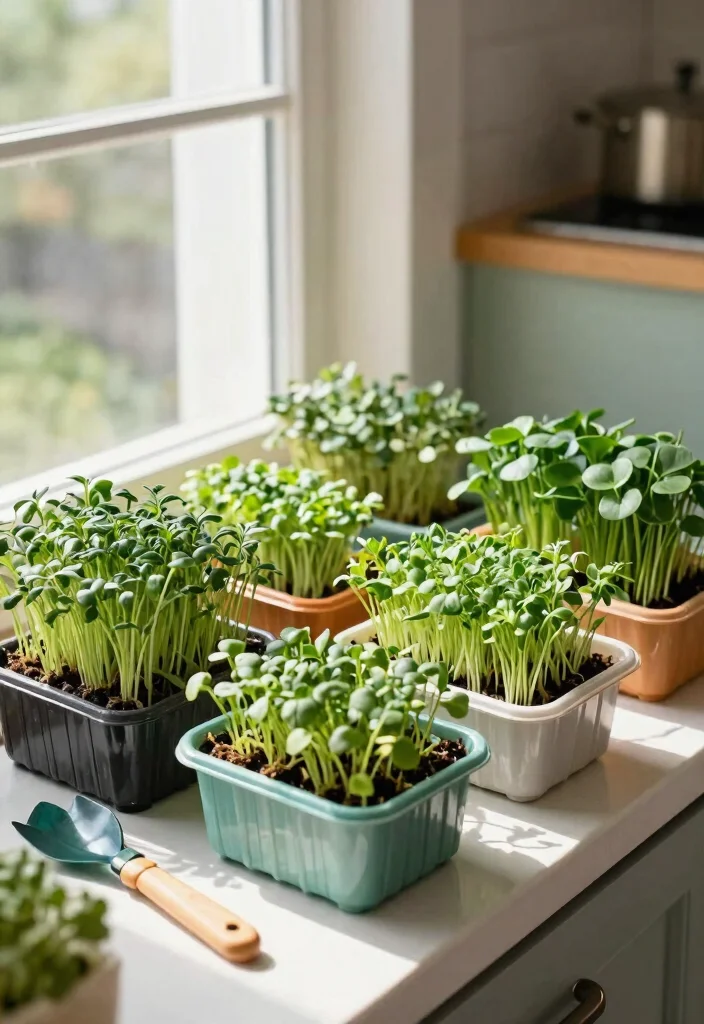
Looking for a quick and nutritious gardening option? Microgreens are perfect for small containers, providing a burst of flavor and nutrients in just a few weeks! These tiny greens, such as broccoli, radish, and kale, are ideal for salads and garnishes. You can easily grow them indoors or outdoors, giving you flexibility in your gardening.
Fresh microgreens can elevate any dish with minimal effort!
Ingredients:
– Shallow containers with drainage holes
– Seed-starting mix
– Microgreen seeds (broccoli, radish, kale)
Instructions:
1. Choose shallow containers with drainage.
2. Fill with a seed-starting mix.
3. Scatter seeds evenly on the soil and cover lightly.
4. Water gently, keeping the soil moist.
5. Place in a well-lit spot and harvest when greens are 2-3 inches tall.
Tip: Try different seed varieties for a colorful and flavorful mix!
14. Container Box with Companion Plants
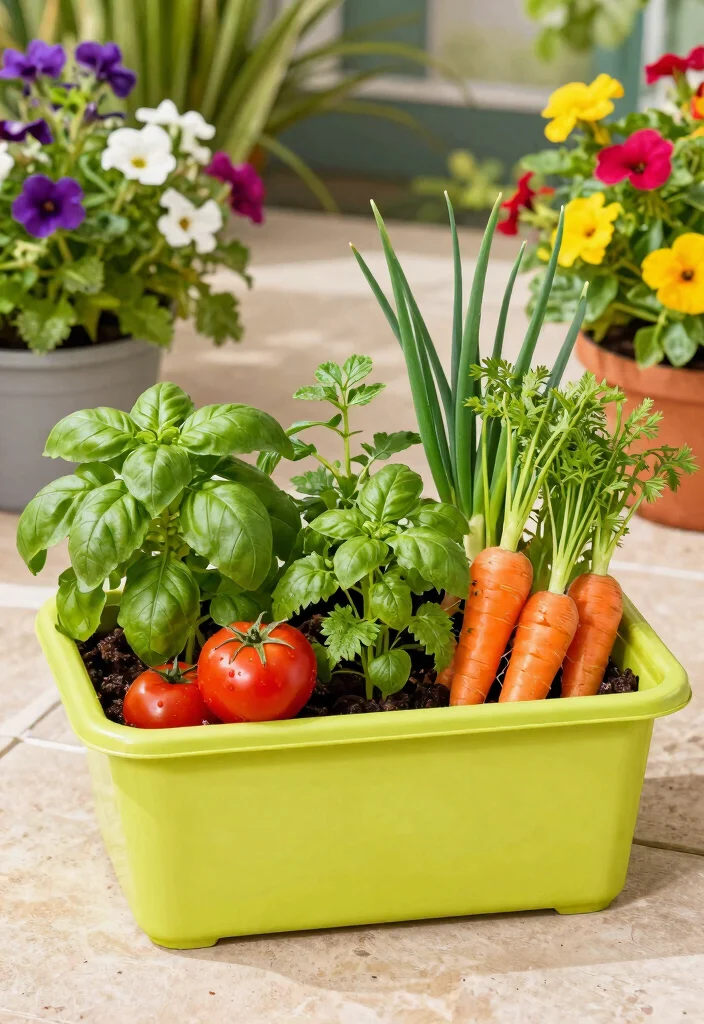
Want to boost your garden’s productivity? Companion planting in a container box can help you maximize your garden’s benefits! By pairing plants that support each other’s growth, such as tomatoes with basil, you can create a thriving environment that deters pests and enhances flavors. This approach not only promotes healthier plants but also creates an attractive arrangement in your outdoor space.
Enjoy the benefits of combined planting while beautifying your garden!
Ingredients:
– A container with enough space for multiple plants
– Compatible plants (tomatoes, basil, carrots, onions)
– Quality potting soil
Instructions:
1. Choose a container large enough for multiple plants.
2. Select plants that complement each other.
3. Fill with quality potting soil and plant according to needs.
4. Water regularly and keep an eye out for pests.
5. Enjoy the benefits of your combined planting!
Tip: Research companion planting for the best combinations!
15. Collapsible Garden Boxes
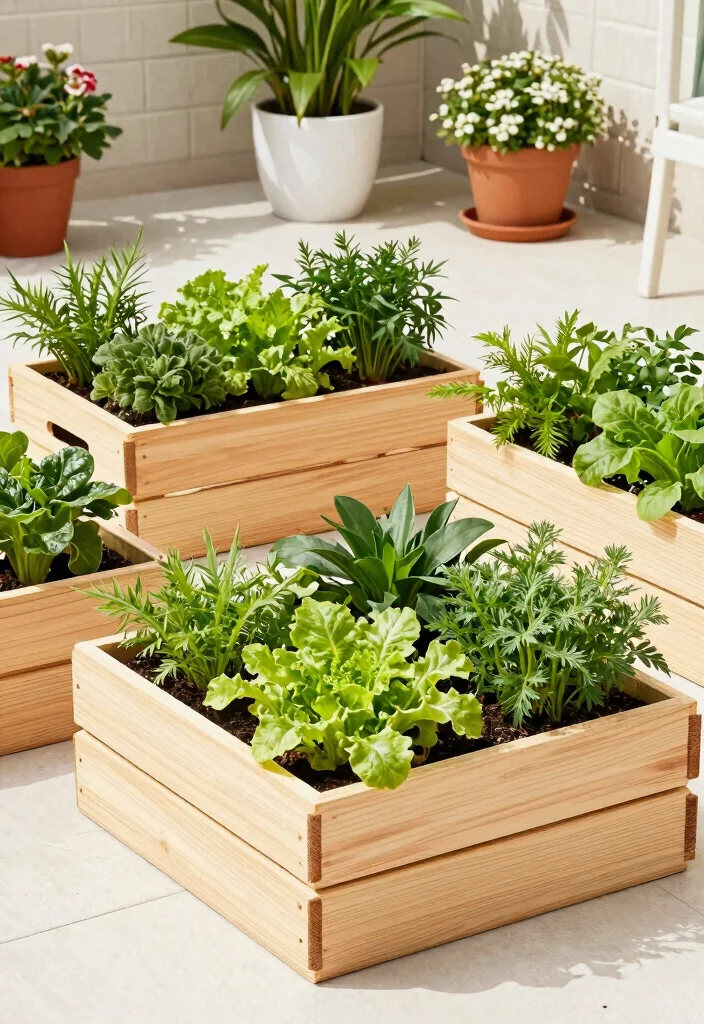
Looking for flexibility in your gardening? Collapsible garden boxes are an excellent solution for adaptable container gardening! These boxes can be set up or stored away easily, letting you change your planting according to the season. Fill them with soil and grow seasonal vegetables or herbs, making them ideal for renters or those with limited outdoor space.
Experience the convenience of gardening that fits your lifestyle!
Ingredients:
– Collapsible garden box
– Quality potting mix
– Seasonal crops or herbs
Instructions:
1. Assemble the collapsible box following the instructions.
2. Fill with quality potting mix.
3. Plant your chosen edibles, considering sunlight exposure.
4. Water adequately and rotate crops with the seasons.
5. Store away when not in use to save space.
Tip: Plant seasonal crops to maximize your harvest year-round!
Conclusion
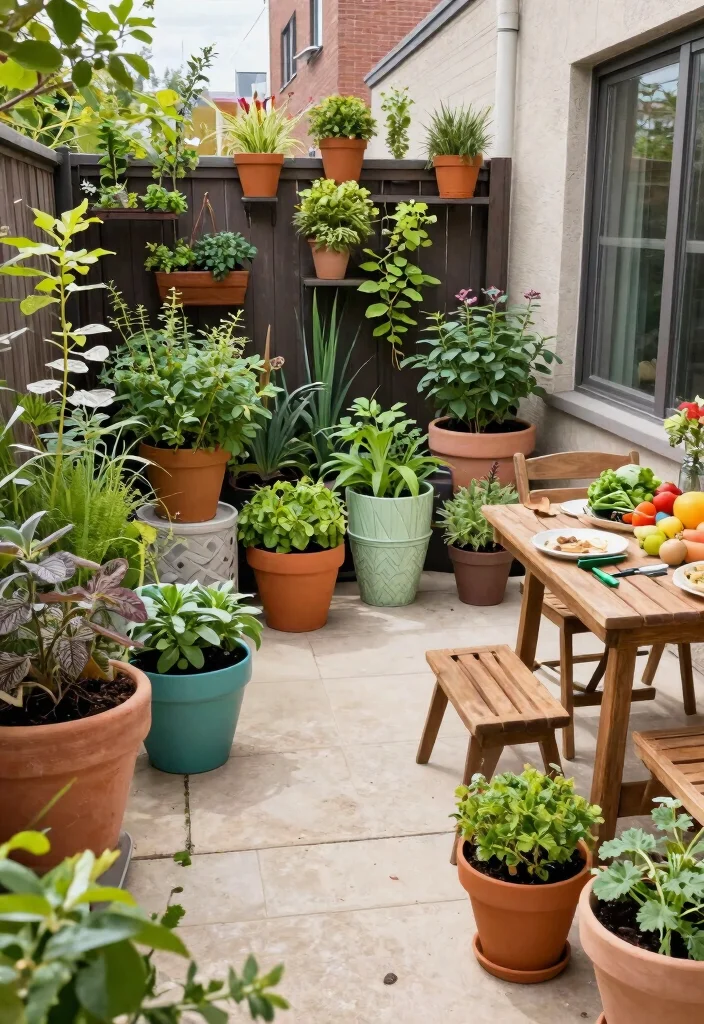
Creating an edible container garden is a rewarding way to bring fresh flavors into your home while making the most of limited space.
From colorful edible flowers to convenient vertical gardens, these ideas can enhance not only your meals but also the overall atmosphere of your patio. Embrace the joy of urban gardening, and let your creativity shine as you cultivate your little patch of paradise!
Note: We aim to provide accurate product links, but some may occasionally expire or become unavailable. If this happens, please search directly on Amazon for the product or a suitable alternative.
This post contains Amazon affiliate links, meaning we may earn a small commission if you purchase through our links, at no extra cost to you.
Frequently Asked Questions
What are the easiest edible plants to grow in a container garden on a patio?
Starting an edible container garden on a patio doesn’t have to be complicated.
The easiest picks are herbs like basil, mint, parsley, and chives, leafy greens such as lettuce, spinach, and arugula, and compact fruiting crops like dwarf tomato varieties and compact peppers.
Use a quality potting mix with good drainage and place containers where they’ll receive 6–8 hours of sun or adjust if you have partial shade. Water consistently to keep soil evenly moist, harvest greens regularly, and rotate crops seasonally. With these simple choices, your edible container garden on a patio will be productive and low-maintenance.
How can I set up a productive edible container garden in a small urban space?
Urban patios and decks just need smart planning.
Start by mapping your space and noting sun exposure, then choose a mix of containers that fit patio gardening and small space gardening needs: rail planters, window boxes, hanging baskets, and a simple vertical wall garden.
Pick edible plants for containers that share water and sun needs, such as herbs with greens or compact tomatoes with basil. Use high-quality potting mix with drainage layers, add saucers or trays to protect surfaces, and set up a regular watering routine. Consider self-watering containers to cut chores and keep soil evenly moist. Pair with a simple fertilizing schedule and weekly pest checks to keep your urban gardening thriving.
What size containers do I need for different vegetables in an edible container garden?
Container size matters in a edible container garden. Here’s a quick guide: Herbs and leafy greens do well in 1–3 gallon pots, with 2–3 gallon being great for lettuce, spinach, and kale.
Cherry tomatoes and compact peppers usually need 5–10 gallon pots with a stake or trellis; larger cucumbers or squash may require 10–15 gallons or a trellis setup.
Choose compact or dwarf varieties to fit small spaces, and ensure the container depth supports the crop’s roots.
How often should I water and fertilize edible plants in containers on a patio?
Containers dry out faster than ground beds, especially in sun. Check moisture daily and water deeply when the top inch of soil is dry; morning is best to prevent disease and evaporation.
If you can, use self-watering containers or drainage trays to help. Fertilize every 2–4 weeks with a balanced N-P-K fertilizer; fruiting crops may benefit from a fertilizer higher in phosphorus, while greens prefer a boost in nitrogen. Start with a slow-release mix at planting, then supplement with a liquid feed during peak season. Watch for signs of nutrient deficiency or overwatering, and adjust to keep your edible container garden thriving.
Can I grow herbs and vegetables together in an edible container garden, and what combos work well for patio gardening?
Definitely. Many edible container garden setups thrive with careful pairing. Herbs like basil, oregano, thyme, and chives pair beautifully with tomatoes or peppers, and leafy greens can share pots with shallow-root herbs. Some practical combos for patio gardening include: tomatoes + basil in a 5–7 gallon pot; peppers + cilantro with a dash of marigold for pest deterrence; lettuce or spinach with parsley and mint in 2–3 gallon containers; and a vertical strawberry bed alongside chives or thyme to maximize space. Group plants by similar sun and water needs and choose edible plants for containers that fit your space to keep urban gardening productive and delicious.
Related Topics
edible container garden
patio gardening
small space gardening
urban gardening
container gardening ideas
easy gardening
beginner friendly
herb containers
vegetable pots
seasonal gardening
sustainable living
DIY gardening