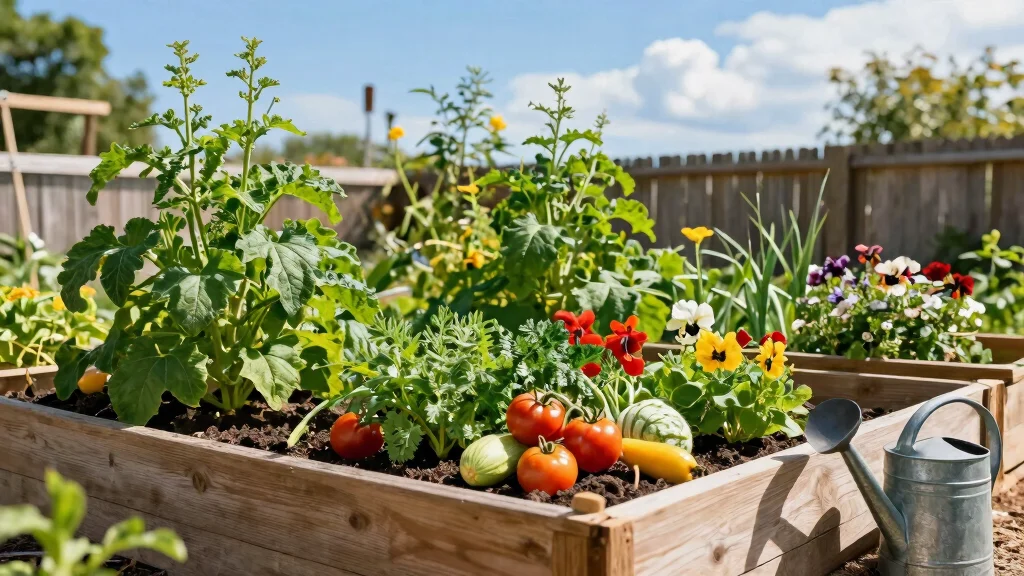
Building a thriving garden in raised garden beds can be incredibly rewarding. This time of year always reminds me of the joy of harvesting fresh vegetables and herbs. However, it’s not just about planting seeds and hoping for the best. It’s crucial to give your plants the nutrients they need to flourish. That’s why I created this guide on the 10 best fertilizers for raised garden beds! If you’re passionate about gardening and want to boost your harvest all year round, this one’s for you.
Whether you are a seasoned gardener or just getting your hands dirty, understanding how to properly feed your plants is essential. You’ll find various organic fertilizers that can enhance your soil and promote healthy growth. This post breaks down the best options available, from nutrient-rich compost to natural fertilizers for vegetables. By the end, you’ll know exactly which fertilizers to choose, how to apply them, and when to use them for optimal results.
Get ready to dive into a world of organic fertilizers for raised beds that can transform your gardening experience. I pulled together ten fantastic options that are easy to use, environmentally friendly, and perfect for making your garden thrive. Let’s dig in and get your plants the nutrients they crave!
Key Takeaways
– Nutrient Sources: Compost and worm castings are excellent organic fertilizers that enrich raised beds and support soil health.
– Calcium-Rich Options: Bone meal provides essential calcium and phosphorus, perfect for strengthening plants and enhancing root development.
– Natural Liquid Fertilizers: Fish emulsion and kelp meal offer quick nutrient boosts, ensuring your vegetables receive vital minerals when they need them most.
– Animal-Based Fertilizers: Chicken manure is nutrient-dense and helps improve soil fertility, while alfalfa meal serves as a great plant booster.
– Practical Application Tips: Use Epsom salt for added magnesium and natural mulch to retain moisture and add nutrients, making your garden more resilient.
Recommended Products

100% Organic & Peat-Free: Our compost mix is 100% organic & peat-free. Peat is one of Mother Nature’s most important stores of carbon. Instead of imported peat, the base of our soils is made from upcycled plant matter or wood fines from the United States!

Nutrient-Rich Organic Compost for Healthy Soil: Support stronger plant growth with this premium organic compost made from dairy cow manure. This all purpose soil amendment helps replenish essential nutrients often depleted after harvests, making it ideal for vegetable gardens, fruit trees, flowers, lawns and container plants.

Ready to Use, Right from the Bag: No prep required—this raised bed garden soil is packed with organic nutrients and ready to use for quick and easy planting
1. Compost: The Gardener’s Gold
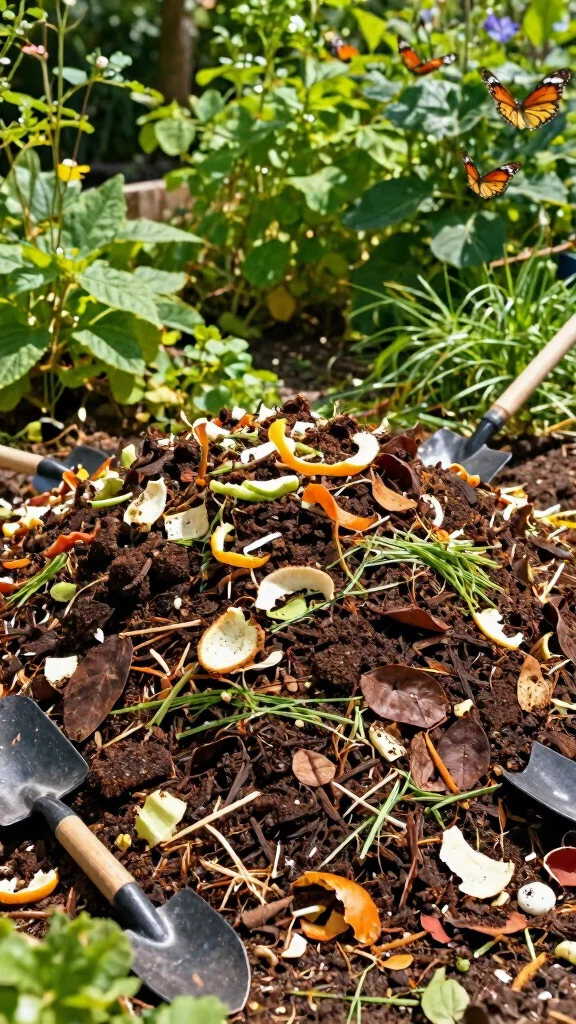
You’re looking for a natural way to boost your garden’s health, and compost might just be the answer. This rich blend of decomposed organic materials is like a multivitamin for your plants. By incorporating compost into your raised beds, you not only nourish your plants but also improve soil texture and moisture management, creating a thriving environment for roots. To start composting, gather kitchen scraps such as vegetable peels, coffee grounds, and yard waste like leaves and grass clippings. Place these in a compost bin, turning them regularly to speed up decomposition. When ready, the compost should be dark, crumbly, and have an earthy scent. Key benefits of compost: – Naturally enriches soil with essential nutrients. – Improves aeration and drainage for healthier plants. – Encourages beneficial microorganisms in the soil. For optimal results, add a 2-3 inch layer of compost each spring and mix it into the topsoil. Your plants will flourish, and you’ll reduce kitchen waste, making this a great choice for you and the environment.
Recommended Products

SUPERCHARGE YOUR GARDEN: Elevate your plants' growth with premium organic Brut Worm Castings. Our certified organic formula guarantees optimal nutrition for your indoor and outdoor plants.

Earth Worm castings from Mother Earth provide the best soil amendment for anything indoors or outdoors, including vegetables, herbs, flowers and houseplants. Pure USA Vermicompost, so there's no burn or odor.

Supercharge Your Garden: Elevate your plants' growth with premium organic Brut Worm Castings. Our certified organic formula guarantees optimal nutrition for your outdoor or indoor garden.
2. Worm Castings: Nature’s Fertilizer
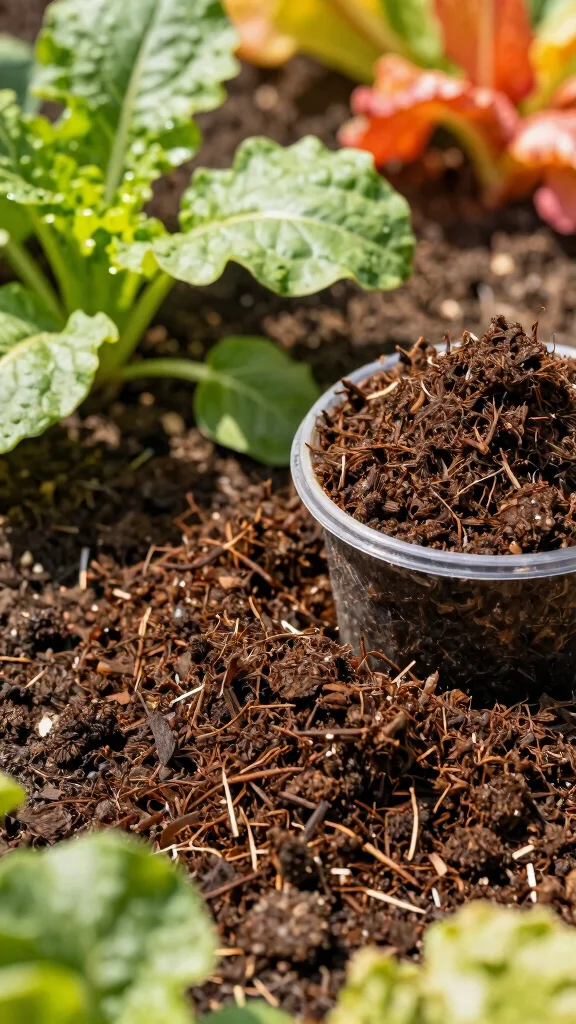
If you’re serious about gardening, consider using worm castings as a powerful organic fertilizer. These nutrient-rich castings from worms are packed with beneficial microbes and enzymes that significantly enhance plant growth. By using worm castings, you can improve nutrient absorption and soil structure for healthier plants. To create your own worm castings, set up a worm bin with red wigglers and feed them vegetable scraps along with shredded paper. In just a few months, you’ll have dark, nutrient-rich fertilizer ready to boost your garden. Reasons to use worm castings: – Boosts seedling growth for a strong start. – Enhances root development for larger plants. – Can be mixed into potting soil or used as a top dressing. Mix worm castings into your soil or sprinkle them around established plants. This will provide essential nutrients throughout the growing season, ensuring your vegetables thrive.
Recommended Products

For Organic Gardening: Certified by OMRI for organic use, this organic fish fertilizer is trusted by gardeners who value natural growing practices

Boosts Growth & Root Strength – This fish fertilizer supports strong root systems, lush foliage, and consistent plant growth for indoor and outdoor gardens.

ORGANIC FISH EMULSION FERTILIZER - Our liquid fish fertilizer is made from sustainably sourced fish emulsion and we use up all the parts that would otherwise go to waste. Using an environmentally conscious method, ingredients are refined fresh and 100% cold pressed to help retain all of the nutrients, vitamins, and amino acids needed to grow healthy plants.
3. Bone Meal: A Calcium-Rich Boost
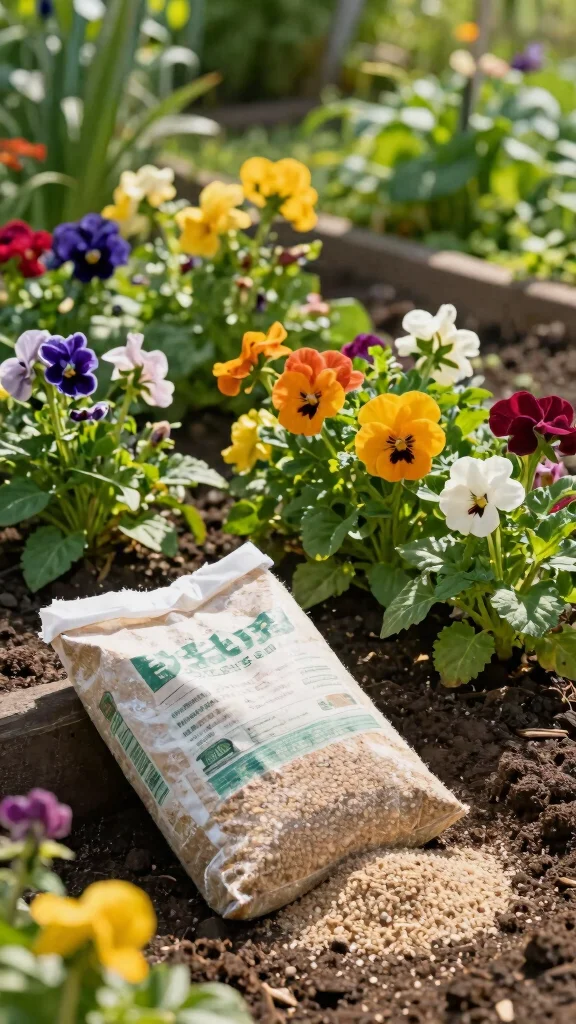
Bone meal is an organic fertilizer that’s rich in phosphorus, crucial for developing strong roots and vibrant flowers. Made from ground animal bones, it’s a natural source of calcium and phosphorus. By using bone meal, you can enhance flowering and support robust root systems in your plants. Perfect for bulbs and root vegetables, bone meal releases nutrients gradually, providing long-lasting nourishment. Simply mix it into the soil at planting or sprinkle it as a top dressing. Key benefits of bone meal: – Encourages abundant flowering and fruiting. – Supports healthy root development. – Offers a slow, consistent nutrient release. Be cautious not to overapply, as excessive phosphorus can harm some plants. Stick to the recommended amounts for the best results!
Fun fact: bone meal is a calcium-rich fertilizer for raised garden beds, delivering steady calcium and phosphorus that support strong roots and vibrant blooms. Used at planting or as a top dressing, it releases nutrients gradually for long-lasting nourishment.
Recommended Products

Optimized for Raised Beds: True Organic Raised Bed Food is specially designed to support abundant growth of herbs, flowers, vegetables, and fruits in raised beds and large containers.


4. Fish Emulsion: A Nutrient Powerhouse
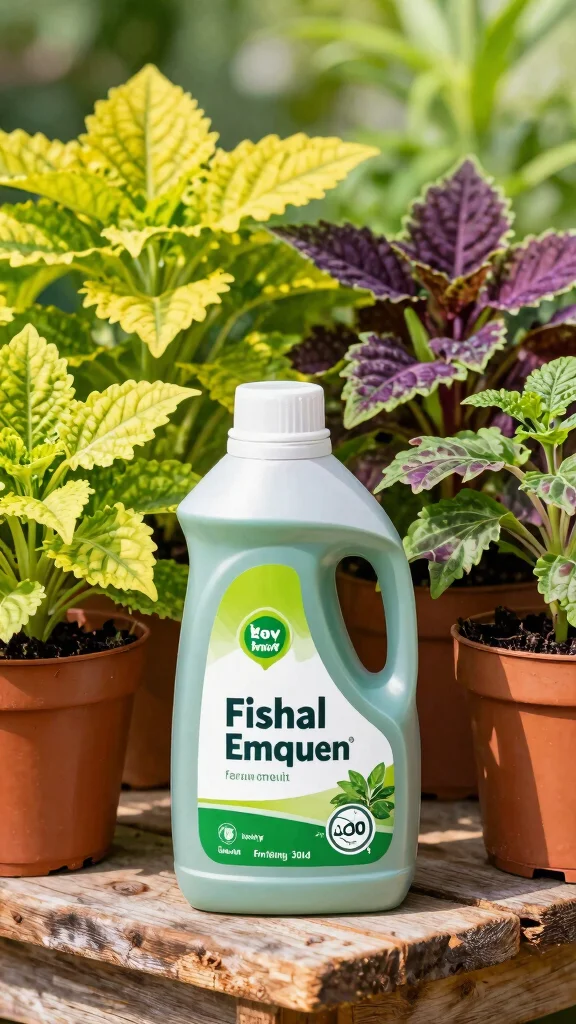
Fish emulsion is a fantastic organic fertilizer derived from fish waste, packed with nitrogen, phosphorus, and potassium. This liquid feed is perfect for giving your plants a quick nutrient boost during their active growth periods. To use fish emulsion, dilute it with water to create a rich liquid fertilizer suitable for foliar sprays or direct soil application. Plants respond rapidly to this nutrient source, ideal for those mid-season growth spurts when they need a little extra help. Advantages of fish emulsion: – Provides a rapid nutrient boost for healthy growth. – Enhances overall plant vigor and vitality. – Supports beneficial soil microbes for healthier soil. Always adhere to dilution instructions, as fish emulsion can be potent. Using it once or twice a month can significantly improve your plants’ health and yield.
Fun fact: fish emulsion can boost leafy growth fast—many gardeners report greener plants within a week. When used as a fertilizer for raised garden beds, dilute with water and apply as a foliar spray or soil drench for a quick nutrient boost.
Key Trade-offs & Our Top Pick
When it comes to choosing the right fertilizer for raised garden beds, it helps to weigh your options. Each choice has its own pros and cons. Let’s break down some of the best organic fertilizers for raised beds to guide your decision-making.
1. Compost
– Pros:
– Enriches soil with nutrients and beneficial microbes ✔
– Improves soil structure and moisture retention 💧
– Cons:
– Can take time to decompose properly ⏱
– Quality varies depending on the source
– Best for: Gardeners looking for a cost-effective, nutrient-rich solution to boost overall soil health.
2. Worm Castings
– Pros:
– Packed with nutrients and ready to use immediately 🚀
– Enhances plant growth and disease resistance 💪
– Cons:
– Can be pricier than other options 💲
– Limited supply if you’re not composting yourself
– Best for: Those who want a quick nutrient boost without the long wait.
3. Bone Meal
– Pros:
– High in phosphorus, excellent for root development 🌱
– Provides a slow-release source of nutrients over time
– Cons:
– Can attract unwanted pests if not used correctly 🐭
– Needs to be mixed into the soil for best results
– Best for: Gardeners focused on strong root growth, especially for flowering plants.
4. Fish Emulsion
– Pros:
– Contains a balanced mix of nutrients ⚖️
– Can be absorbed quickly by plants 🌿
– Cons:
– Has a strong odor that some may find off-putting 👃
– Requires dilution before application
– Best for: Those looking for a quick nutrient uptake during the growing season.
5. Kelp Meal
– Pros:
– Rich in micronutrients and trace elements 🌊
– Improves plant vigor and stress tolerance 💧
– Cons:
– Can be expensive compared to other fertilizers 💲
– Requires mixing into soil for effectiveness
– Best for: Gardeners wanting to promote overall plant health and resilience.
Expert Recommendation:
Best Overall: Compost
Compost stands out as the top choice for most gardeners. It offers excellent value for money, enriches your garden soil, and involves minimal effort to use. It is versatile enough to work with almost any plant type, making it a fantastic option for a variety of raised beds. Moreover, its long-term benefits build up soil health over time, ensuring your garden thrives season after season.
Why We Picked This:
While compost is an all-star, some might prefer worm castings for immediate results or fish emulsion for quick nutrient delivery. If you focus on flowers or root vegetables, bone meal can be ideal. Each option has its strengths; choose according to your garden’s specific needs and your gardening style.
Recommended Products

Combined for Maximum Growth: Neptune’s Harvest Fish & Seaweed organic fertilizer is an organic all-purpose liquid plant food formulated with 75% fish and 25% seaweed for a perfect blend of nutrients; this organic plant fertilizer delivers consistent feeding as a liquid fertilizer and plant food for vegetables, flowers, trees, lawns, and indoor plants, supporting balanced growth throughout the growing season and is safe for kids and pets

ORGANIC MATERIALS REVIEW INSTITUTE LISTED FOR TRUSTED GARDEN CARE Certified by OMRI for use in organic growing, GS Plant Foods Liquid Fish & Kelp Fertilizer delivers reliable, natural nutrition for vegetables, flowers, and shrubs.

FROM SUSTAINABLE ALASKAN SALMON: Great for Soil and Plants, for indoor and outdoor use.
5. Kelp Meal: Oceanatic Goodness
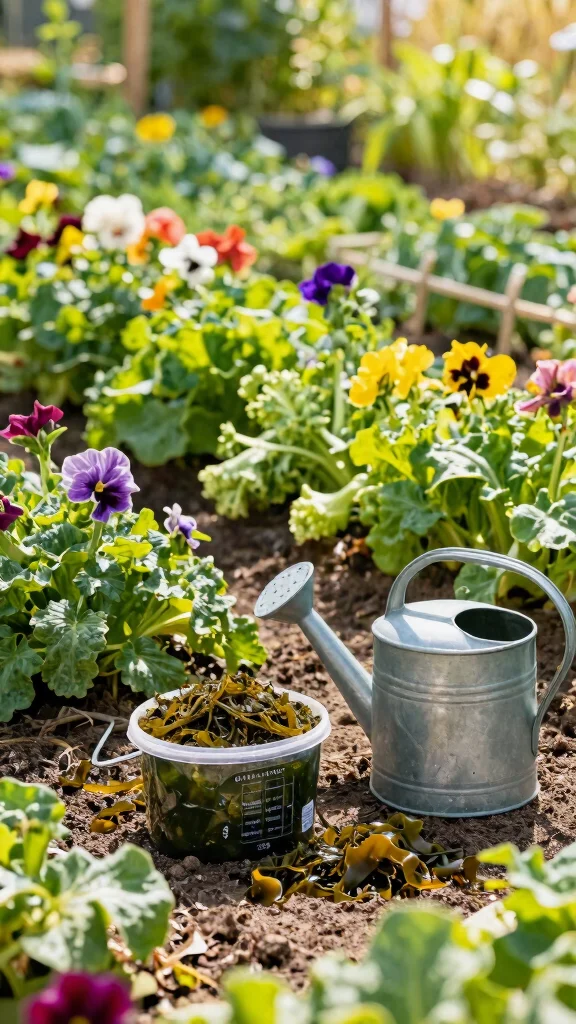
Kelp meal is made from seaweed and is rich in essential micronutrients, hormones, and growth stimulants that enhance plant development. It’s highly beneficial for improving soil health and increasing plant resilience, making it a must-have for organic gardeners. Incorporating kelp meal into your garden enhances soil structure and moisture retention while supplying vital nutrients. It can be applied in both dry and liquid forms, and its slow-release nature ensures that your plants receive nourishment consistently. Benefits of kelp meal: – Boosts plant growth and vitality. – Increases resistance to pests and diseases. – Acts as a natural growth stimulant for better yields. Mix kelp meal into your soil or use it as a top dressing. For an extra boost, create a kelp tea by soaking it in water and using it as a liquid fertilizer. Your garden will thrive with this ocean-derived goodness!
6. Chicken Manure: A Nutrient-Rich Option
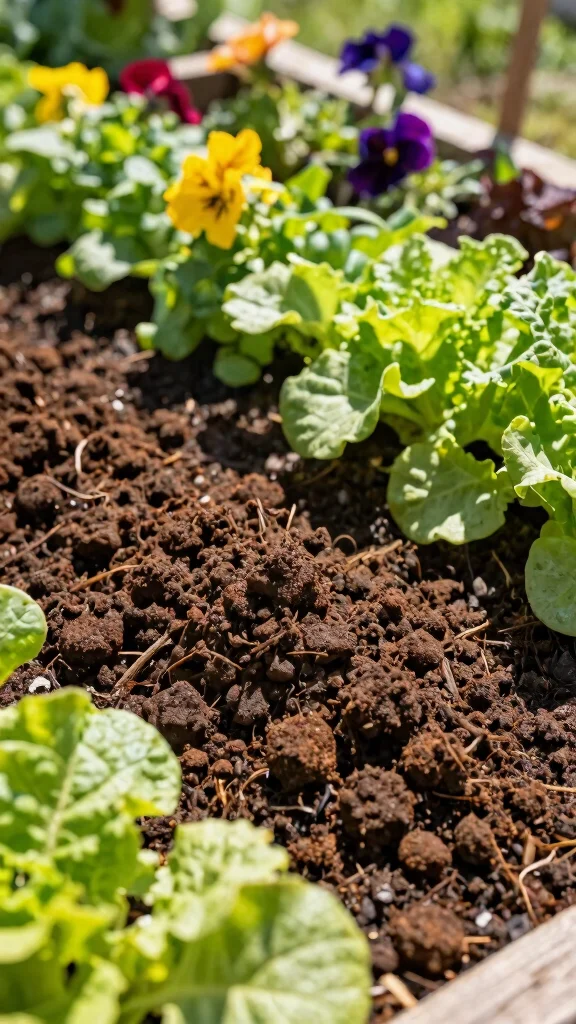
Chicken manure is an excellent organic fertilizer, full of nitrogen and other essential nutrients. Well-aged and composted chicken manure can significantly enhance your raised garden beds, promoting lush growth and vibrant blooms. To use chicken manure effectively, ensure it’s composted properly to prevent burning your plants. Composting also helps eliminate harmful pathogens. Once ready, mix it into the soil before planting or apply it as a top dressing during the growing season. Reasons to choose chicken manure: – High nitrogen content fosters healthy plant growth. – Provides a balanced nutrient profile for diverse plants. – Supports beneficial soil microbes for improved soil health. Use it sparingly to avoid nutrient overload, as chicken manure is potent. A little can go a long way in boosting your garden’s vitality!
7. Alfalfa Meal: A Plant Booster
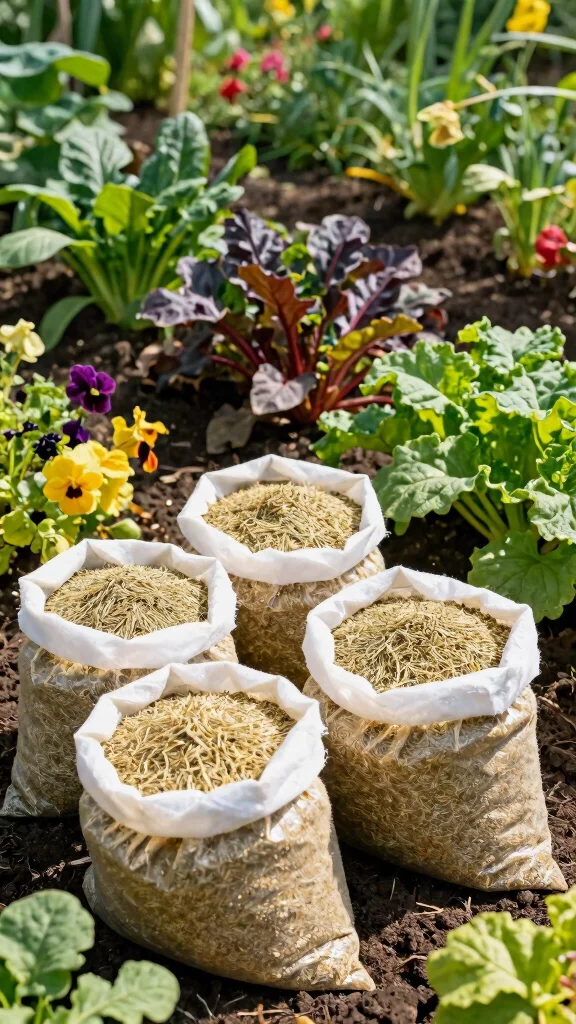
Alfalfa meal is a superb organic fertilizer brimming with nutrients and natural growth hormones. Ground from alfalfa plants, it’s high in nitrogen, phosphorus, and potassium, making it ideal for a variety of plants. Its slow-release properties mean that alfalfa meal can support your plants over time, encouraging strong root development and overall health. Simply mix it into your soil or apply it as a top dressing. Key benefits of alfalfa meal: – Contains natural growth stimulants for enhanced growth. – Improves soil fertility and overall structure. – Supports robust growth and disease resilience. Incorporating alfalfa meal can elevate the nutrient profile of your garden, leading to healthier plants and more abundant harvests. Its versatility makes it a favorite among gardeners!
8. Organic Pelletized Fertilizers: Convenience and Effectiveness
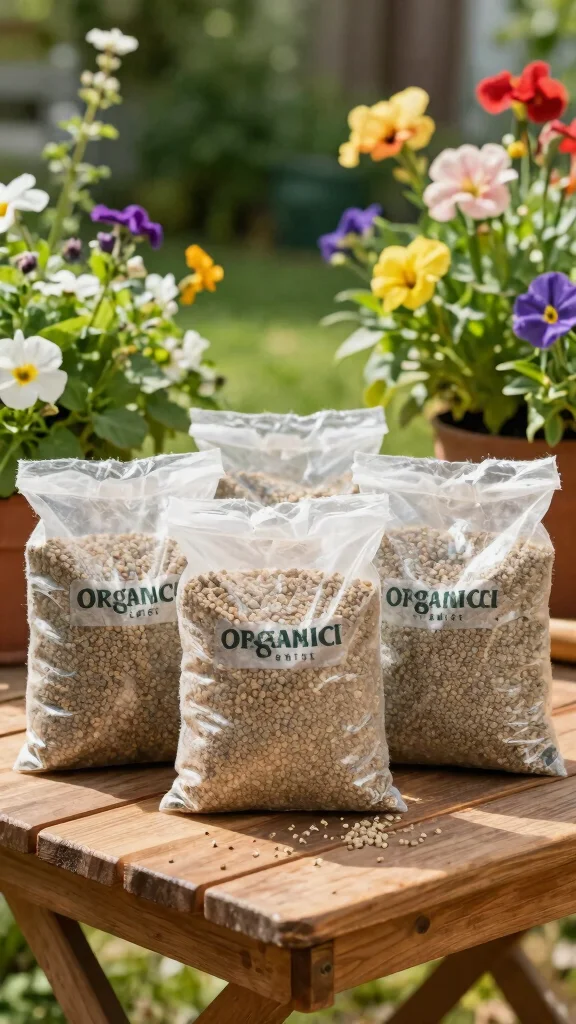
Organic pelletized fertilizers offer a convenient solution for your gardening needs. Made from various organic materials like fish, bone meal, and seaweed, these pellets ensure easy application. The key advantages of pelletized fertilizers include even nutrient distribution, reduced odor, and user-friendly application. Simply sprinkle them around your plants and water them in for a hassle-free experience. Advantages of pelletized fertilizers: – Easy and convenient to apply, perfect for busy gardeners. – Provides a slow-release nutrient supply for sustained growth. – Reduces waste and mess compared to traditional powders. Whether you’re new to gardening or a seasoned pro, organic pelletized fertilizers simplify the fertilization process while delivering essential nutrients. Your plants will surely appreciate it!
Organic pelletized fertilizer for raised garden beds makes feeding simple: sprinkle, water, and watch nutrients spread evenly. They’re convenient, odor-reduced, and practical for steady harvests year-round.
9. Epsom Salt: A Magnesium Boost
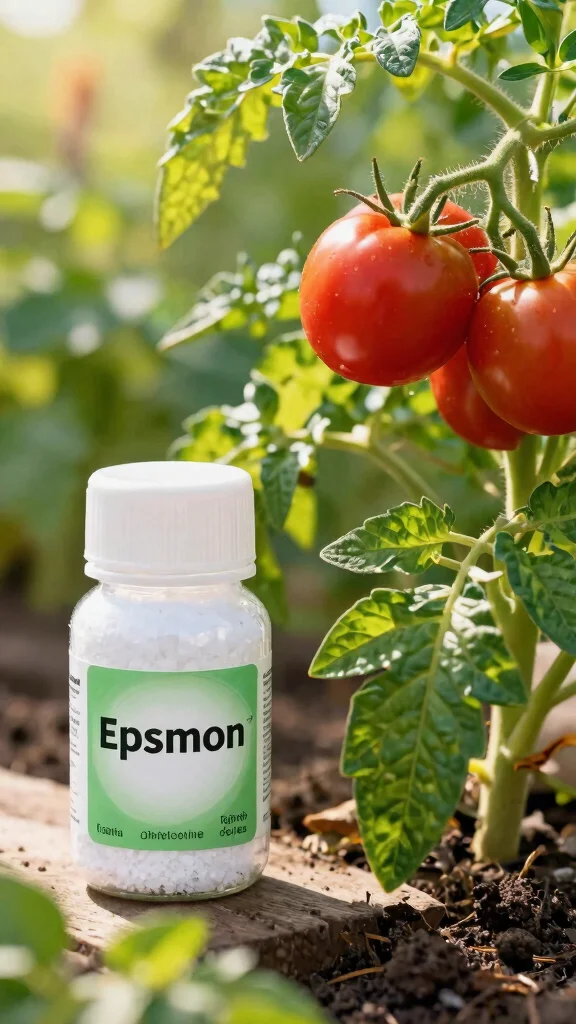
Epsom salt isn’t just for baths; it’s also a fantastic addition to your organic fertilizer toolkit. High in magnesium and sulfate, Epsom salt promotes photosynthesis and aids nutrient absorption in plants, making it especially beneficial for tomatoes, peppers, and roses. To use Epsom salt, dissolve a tablespoon in water and spray it on the leaves or mix it into the soil during planting. You’ll notice healthier, greener foliage and improved flowering. Reasons to use Epsom salt: – Enhances nutrient uptake for better plant health. – Aids in chlorophyll production, leading to lush greenery. – Supports strong root development for robust plants. Avoid overusing Epsom salt, as too much magnesium can lead to nutrient imbalances. A sprinkle can significantly enhance your plants’ overall health!
10. Natural Mulch: More Than Just a Cover
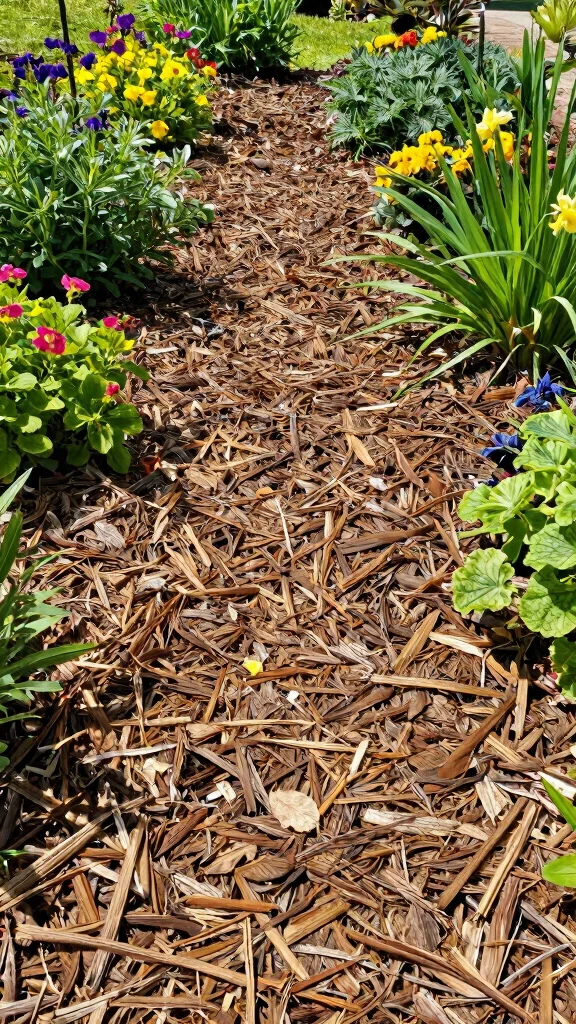
Natural mulch not only protects your soil but also serves as an excellent organic fertilizer. As it decomposes, mulch adds nutrients back into the soil, retains moisture, and suppresses weeds. You can use options like shredded leaves, straw, grass clippings, or wood chips. Using natural mulch enhances your garden’s appearance while creating a healthier environment for your plants. By maintaining consistent soil temperatures and moisture levels, mulch helps your plants become stronger and more resilient. Benefits of natural mulch: – Supplies organic matter as it breaks down. – Conserves moisture while suppressing weed growth. – Improves soil texture and overall fertility. Regularly replenishing your mulch layer ensures its effectiveness. With the right mulch, you can keep your raised garden beds thriving and beautiful throughout the year.
Conclusion
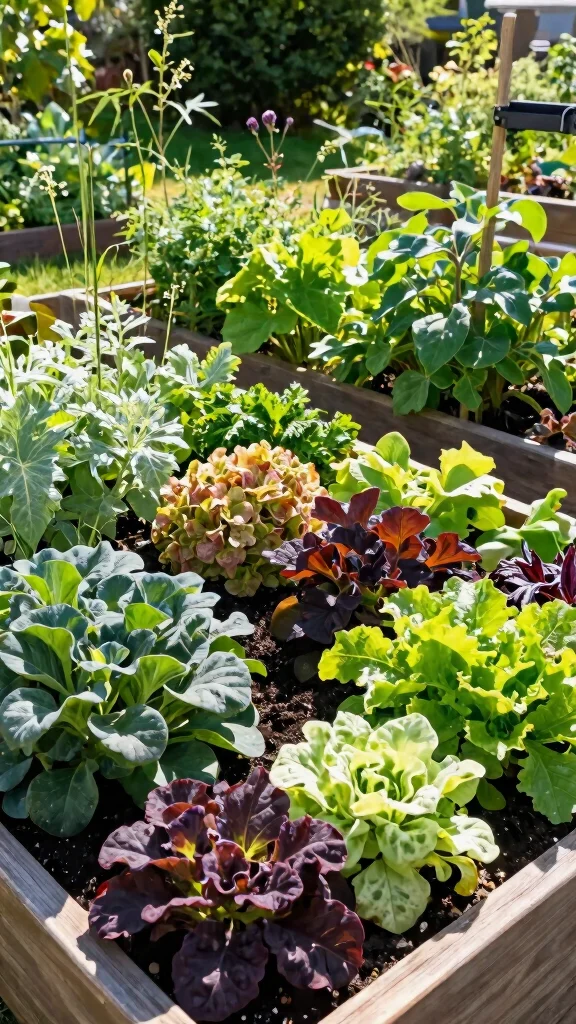
Choosing the right fertilizer for raised garden beds is crucial for nurturing thriving plants and enjoying abundant yields. Each organic option provides unique benefits, from boosting nutrients to improving soil health.
As you explore these ten organic fertilizers, remember to consider the specific needs of your plants and soil. By incorporating these natural solutions into your gardening routine, you’re setting yourself up for a successful and sustainable growing season!
Happy gardening and may your harvests be plentiful!
Note: We aim to provide accurate product links, but some may occasionally expire or become unavailable. If this happens, please search directly on Amazon for the product or a suitable alternative.
This post contains Amazon affiliate links, meaning we may earn a small commission if you purchase through our links, at no extra cost to you.
Frequently Asked Questions
What is the best fertilizer for raised garden beds, and how do I choose between organic options?
Choosing the right fertilizer for raised garden beds starts with a soil test and a plan based on what you’re growing. A soil test tells you which nutrients are missing and whether your pH is in range for your vegetables. For most raised beds, start with nutrient-rich compost for gardening as a base and add organic fertilizers for raised beds to top up nutrients when needed. Add quick-release options like worm castings or fish emulsion for veggies that crave nitrogen, and slower-release options like bone meal or rock phosphate for phosphorus and calcium. Always follow package directions and water well to avoid root burn. Ultimately, your choice should align with your fertilizer for raised garden beds and the needs of your planted crops.
How often should I fertilize raised beds, and what are tips for fertilizing raised beds to avoid over-fertilization?
Most raised beds benefit from steady, light feeding rather than a heavy, infrequent dose. In spring and early summer, feed every 4-6 weeks with a balanced organic fertilizer or compost tea; in hot midsummer, cut back to avoid burn. In fall, switch to a lighter application to support cool-season crops. Watch for signs of deficiency (pale leaves, slower growth) or excess (leaf burn, lush but weak flowering) and adjust. For practical guidance, keep in mind tips for fertilizing raised beds and tailor the schedule to your crops and soil tests, using the best soil amendments for gardens when needed.
Can I rely on nutrient-rich compost for gardening as a sole fertilizer for raised beds?
Compost is fantastic, but it’s rarely enough on its own year-round. It helps improve soil structure, water-holding capacity, and microbial life, but nutrient levels can vary and may not meet all crop needs. Use nutrient-rich compost for gardening as the base, then supplement with organic fertilizers for raised beds or specific amendments (bone meal, kelp meal) to fill gaps. Re-test soil each season and adjust your plan so you’re feeding plants at the right times without overloading the soil.
What are the best soil amendments for gardens to improve raised bed fertility, and how do I apply them?
Great soil amendments include compost, worm castings, kelp meal, alfalfa meal, bone meal, blood meal, and rock phosphate; biochar can help with soil retention. Apply by mixing into the top 6-8 inches of soil, then water well. Use general starting rates like 1-2 inches of compost per square foot, plus 1 cup of dry amendments per square foot (adjusting by product label). Avoid deep tilling after planting to protect soil biology. Pair amendments with consistent watering and mulch to maintain nutrient availability for your crops.
Are there natural fertilizers for vegetables that work well in raised beds, and can they boost year-round harvest?
Yes—natural fertilizers for vegetables like kelp meal, fish emulsion, alfalfa meal, bone meal, and aged manure can support growing vegetables in raised beds. They release nutrients gradually, feed soil biology, and reduce the risk of salt buildup compared with synthetics. To boost year-round harvest, use a seasonal feeding plan that matches growth stages, rotate crops, and pair fertilizing with solid soil moisture management and adequate light. Remember that soil health and a steady nutrition plan—along with compost, mulch, and smart crop choices—drive consistent, year-round production.
Recommended Products

Organic Seaweed & Kelp Fertilizer – Seaweed fertilizer for plants made from clean kelp seaweed fertilizer sources for natural plant nutrition.

Organic Seaweed & Kelp Fertilizer – Seaweed fertilizer for plants made from clean kelp seaweed fertilizer sources for natural plant nutrition.

Organic Bio-Active Seaweed Harvested From Maine - Smart Grower Sea-Kelp (Ascophyllum Nodosum) is boosted with rich source of naturally-derived organic polymers (fucoidan, alginate, and tannins) for maximum plant growth with NPK: 0-0-18 Soluble potash for enhanced nutrient uptake in plants
Related Topics
organic fertilizers
raised garden beds
best soil amendments
natural fertilizers
vegetable gardening
nutrient-rich compost
year-round gardening
easy fertilizing tips
sustainable gardening
beginner friendly
garden productivity
soil health