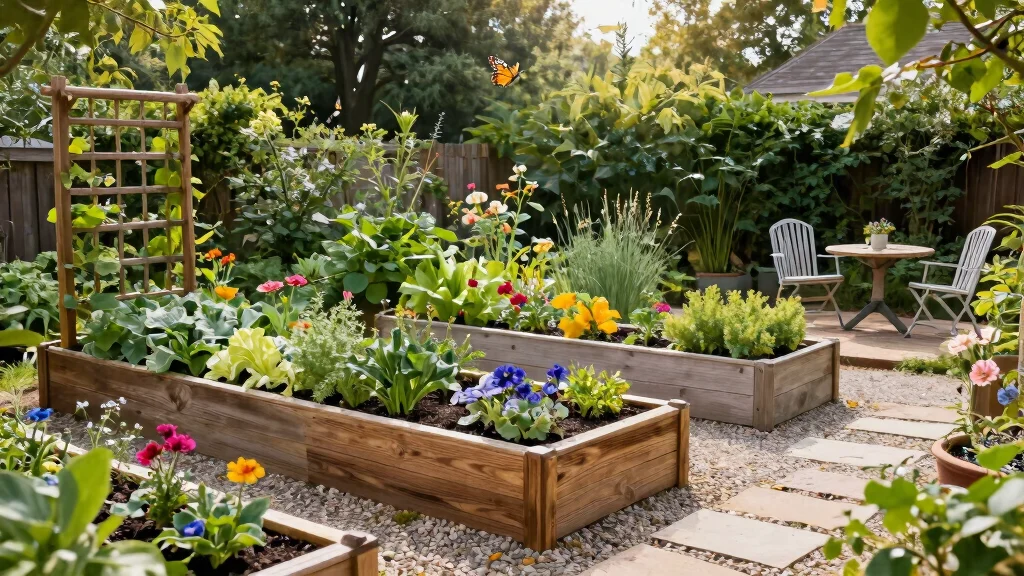
If you’ve been dreaming of a backyard that bursts with life and beauty, you’re not alone. The world of gardening is evolving, and with it come exciting ideas that can elevate your outdoor space. In 2026, the trends in raised bed gardening are taking a turn towards sustainability, creativity, and functionality. This post is here to guide you through ten incredible trends that will completely transform your backyard into an oasis of green.
Whether you’re a seasoned gardener or just starting out, you’ll find something to love here. If you care about sustainable gardening practices and want to embrace eco-friendly designs, these ideas are tailored for you. I’ve gathered a diverse range of raised bed gardening ideas, from vertical techniques perfect for small spaces to integrated watering systems that make care a breeze. You’ll discover how to create a garden that not only looks good but also supports the environment.
Get ready to dive into practical tips that can help you start your gardening journey or enhance your existing setup. You’ll walk away with insights into multi-functional raised beds, smart gardening technology, and much more. By the end, you’ll have the tools to create a vibrant, sustainable backyard that suits your lifestyle and aesthetic.
Key Takeaways
– Explore vertical gardening techniques that maximize space, making them perfect for urban or small backyards.
– Discover multi-functional raised beds that serve as seating, storage, or garden plots, adding versatility to your outdoor area.
– Learn about using eco-friendly materials in raised beds, promoting sustainability in your gardening practices.
– Find out how to integrate smart gardening technology, like automated watering systems, to simplify your garden maintenance.
– Get inspired by seasonal planting strategies to keep your garden productive and visually appealing throughout the year.
Recommended Products

【 Vertical Planter Raised Beds with Trellis】Perfect for home gardening lovers, this vertical herb garden planter indoor kit with 4 rectangular planter boxes outdoor let you plant vegetables, herbs, and flowers in separate flower pots while the 11-inch trellis supports climbing plants like tomatoes, strawberries, vines, and peppers. The raised flower beds outdoor create an optimal environment for your plants to thrive.

1. Vertical Gardening Techniques for Limited Spaces
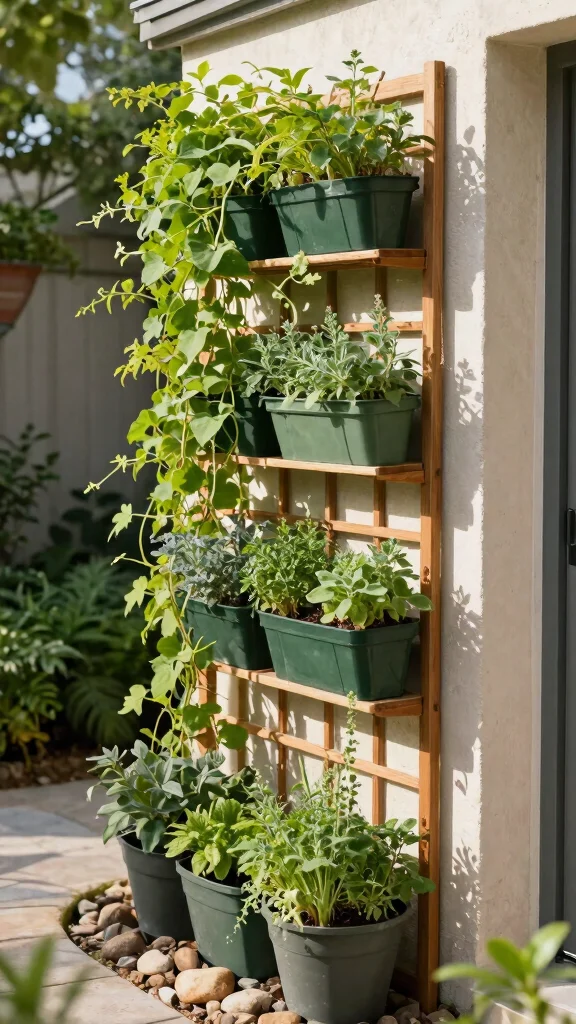
Are you struggling to find space for your plants? Vertical gardening might be the solution you need! Not only does it maximize your limited outdoor area, but it also creates a stunning visual display. By using trellises, wall planters, or stacked vertical beds, you can grow everything from climbing beans to sweet strawberries while enhancing sunlight exposure for each plant.
Vertical gardening reduces the effort of bending down, making it accessible for everyone. Plus, it transforms your garden into a living art piece, with climbing plants creating beautiful green walls that are both functional and aesthetically pleasing.
for vertical gardening:
– Choose plants that naturally thrive vertically, like peas, cucumbers, and tomatoes.
– Ensure adequate support for heavier plants.
– Use lightweight soil mixes to reduce the weight on your vertical structures.
– Incorporate irrigation options for effortless watering.
These techniques are perfect for urban gardeners wanting to make the most of their space.
Fun fact: Vertical gardening aligns with raised bed garden trends 2026, boosting yield by up to 50% in small spaces. Stacked beds and trellises turn even a balcony into a productive garden, letting you grow beans to strawberries while keeping everything easy to reach.
2. Multi-Functional Raised Beds
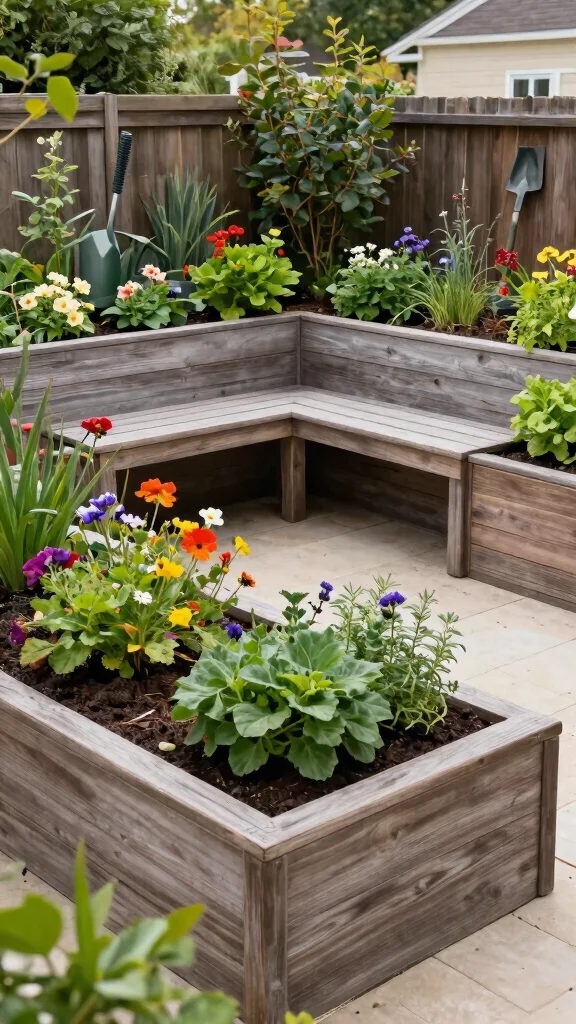
Why stick to ordinary raised beds when you can have designs that serve multiple purposes? Multi-functional raised beds not only nurture plants but can also double as seating, storage, or even composting areas. Imagine resting on a raised bed that transforms into a cozy bench amid your greenery, inviting relaxation.
This approach enhances your garden’s functionality while maximizing space. Consider adding drawers for tools or a small composting area within the beds. By integrating herbs and flowers, you create a sensory experience that combines beauty with utility.
for multi-functional beds:
– Use durable materials that can withstand weather changes.
– Design beds at a comfortable height for seating.
– Plant companion plants that repel pests, reducing maintenance.
A raised bed that caters to multiple needs makes your gardening experience enjoyable and efficient.
Did you know that up to 40% of a small yard can be repurposed with multi-functional raised beds? They double as seating, tool drawers, and even compost areas. In raised bed garden trends 2026, practical design turns every inch into harvest and rest.
Recommended Products

Premium Material for Ultimate Comfort: Crafted from high-quality crystal velvet fabric and high-elastic sponge, our dog car seat offers a plush and cozy environment for your pets. The soft, breathable fabric ensures comfort during long journeys, while the durable sponge maintains its shape and provides excellent support.

Multi-Functional Bed Furniture Risers: This set includes 8 individual base bed risers,rising up 2 inch.( Can be used with blocks to raise more height, individual bed raising blocks will be available soon )

Premium Material for Ultimate Comfort: Crafted from high-quality crystal velvet fabric and high-elastic sponge, our dog car seat offers a plush and cozy environment for your pets. The soft, breathable fabric ensures comfort during long journeys, while the durable sponge maintains its shape and provides excellent support.
3. Eco-Friendly Materials for Raised Beds
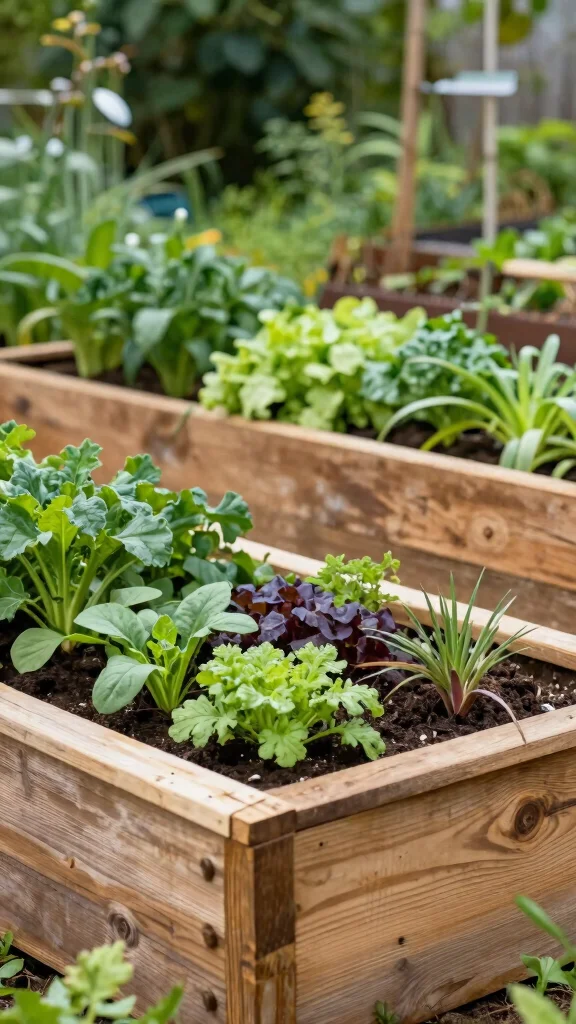
In 2026, sustainability takes center stage, and using eco-friendly materials for raised beds is a growing trend. Recycled wood, biodegradable materials, and repurposed metals are gaining popularity among gardeners who want to minimize their environmental footprint. These materials not only reduce waste but also add unique character to your garden.
Using recycled wood helps preserve forests and lower carbon footprints, while biodegradable options like bamboo or untreated cedar are perfect for those seeking an organic approach. Metal beds can provide a modern look and, when sourced responsibly, can also be eco-friendly.
Consider these eco-friendly materials:
– Reclaimed wood or pallets for rustic charm.
– Biodegradable options for a fully organic bed.
– Sourcing locally to reduce transportation emissions.
These materials make your garden sustainable and visually engaging, telling a story of responsibility and creativity.
Recommended Products

【 Vertical Raised Garden Bed with Trellis】Perfect for home gardening lovers, this herb planter outdoor with 4 garden boxes let you plant vegetables, herbs, and flowers in separate plant bed while the 11-inch trellis supports climbing plants like tomatoes, strawberries, vines, and peppers. The balcony raised garden beds outdoor with legs creates an optimal environment for your plants to thrive.

【 Vertical Raised Garden Bed with Trellis】Perfect for home gardening lovers, this raised garden beds outdoor with 4 flower pots let you plant vegetables, herbs, and flowers in separate planters while the 11-inch trellis supports climbing plants like tomatoes, strawberries, vines, and peppers. The planters for indoor plants create a optimal environment for your plants to thrive.
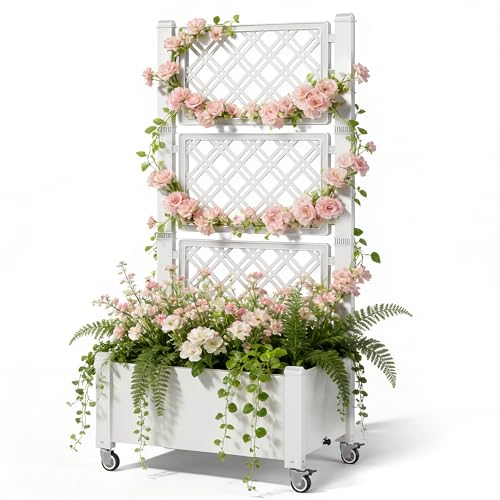
【Simple, Satisfying Assembly】Assembly is quick and hassle-free thanks to clearly labeled parts and clear instructions. Designed with precision and built to last, everything clicks into place perfectly, the structure is incredibly sturdy.
4. Integrated Watering Systems
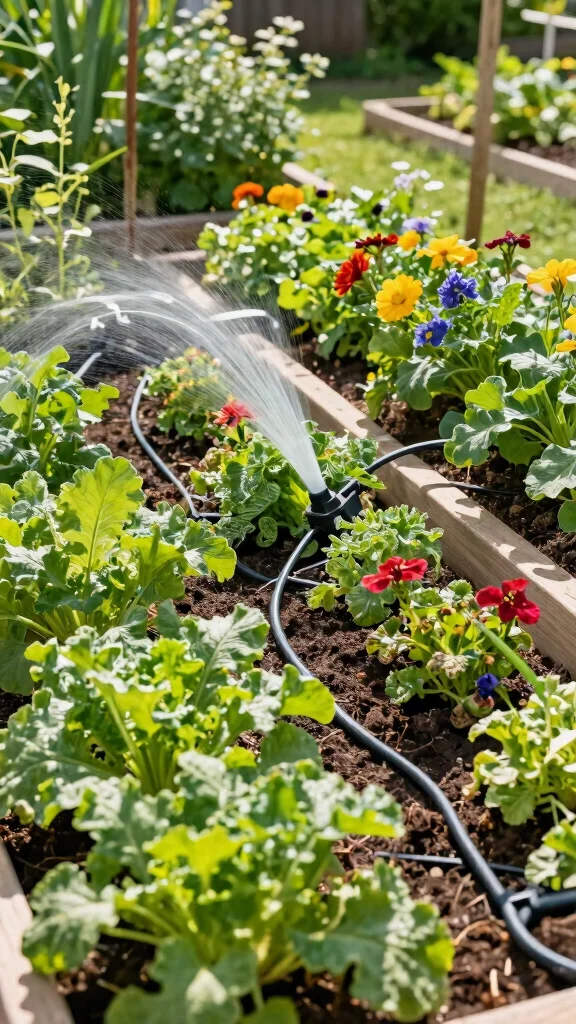
Tired of spending hours watering your garden, especially during the hot summer days? Integrated watering systems are the answer for raised bed gardening. With options like drip irrigation, soaker hoses, or automated systems, you can maintain the perfect hydration levels for your plants without the hassle.
These systems save time and conserve water, promoting healthy plant growth while adhering to sustainable gardening practices. Imagine setting up your watering system and enjoying more time admiring your garden instead of tending to it.
When installing these systems, consider:
– The layout of your raised beds for optimal water distribution.
– Utilizing timers to automate watering schedules.
– Choosing environmentally friendly hoses or systems that minimize waste.
Integrated watering systems make garden maintenance efficient and sustainable, transforming your gardening experience.
Recommended Products

Scientific Design: Bottom Water Reservoir and Air hole circulation system that provides ample moisture to the plants. This reservoir acts as a constant water source and oxygen, promoting healthy root development and overall plant vitality.

ERGONOMIC DESIGN: Reasonable height design reduces the need for bending or kneeling to operate, reduces the burden on the body, and makes gardening activities more comfortable and convenient.

DIMENSIONS: 44. 9 in. W x 19. 4 in. D x 29. 8 in. H
5. Colorful Edibles and Ornamental Plants
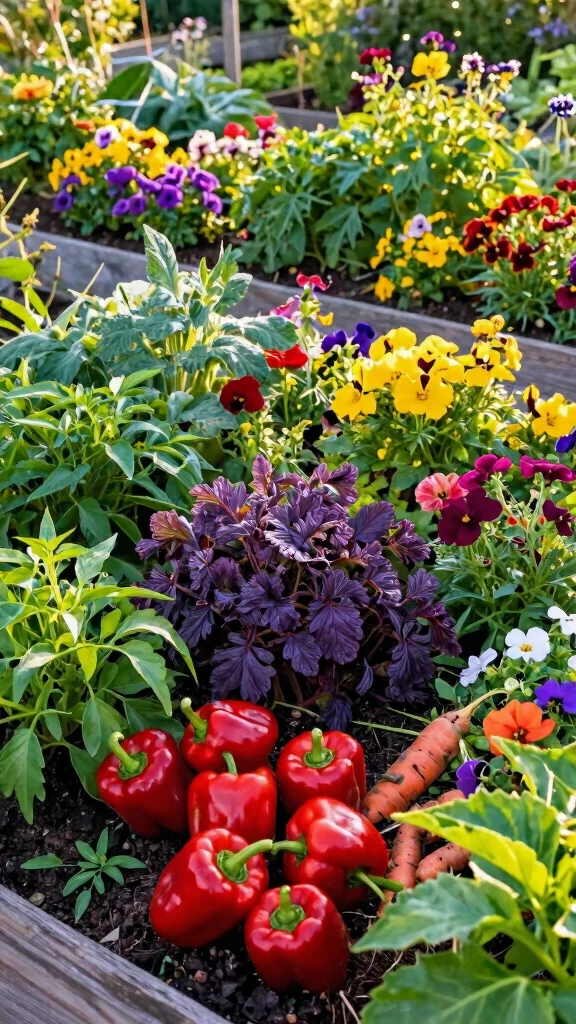
The days of dull gardens filled only with vegetables are over! In 2026, the trend merges colorful edibles with ornamental plants, allowing homeowners to cultivate gardens that are as beautiful as they are productive. Picture vibrant rainbow chard, purple carrots, and bright red peppers growing alongside cheerful marigolds and petunias.
This trend enhances visual appeal and encourages biodiversity by attracting beneficial insects and pollinators. Mixing edible and ornamental plants creates a lively and inviting garden that encourages interaction and enjoyment.
To create your colorful edible garden:
– Select a variety of colors and textures for visual interest.
– Incorporate flowers that attract pollinators, improving overall garden health.
– Plan for seasonal changes to keep your garden vibrant year-round.
Combining practicality with beauty engages you more with your garden, making it a delightful place to spend time.
Recommended Products

The Latest Design-Multi-functional Bed Risers: This set includes 8 pcs individual 2 inch bed risers and 8 pcs 1 inch bed raisers blocks, stack the bocks according to your needs. For safety reasons, we recommend stacking no more than 6 blocks ( rising up 8 inch )

Premium Material for Ultimate Comfort: Crafted from high-quality crystal velvet fabric and high-elastic sponge, our dog car seat offers a plush and cozy environment for your pets. The soft, breathable fabric ensures comfort during long journeys, while the durable sponge maintains its shape and provides excellent support.

【 Premium Material & Durable Frame 】 Constructed of mixed wood, the main frame of the planter raised bed features sturdy and durable without easy deformation or cracking, offering durability and longevity. Wrapped with the layer of teak oil, the wooden planter bench not only looks lustrous and elegant, but also features water-resistant, which can withstand elements while maintaining their stunning appearance.
6. DIY Raised Garden Kits
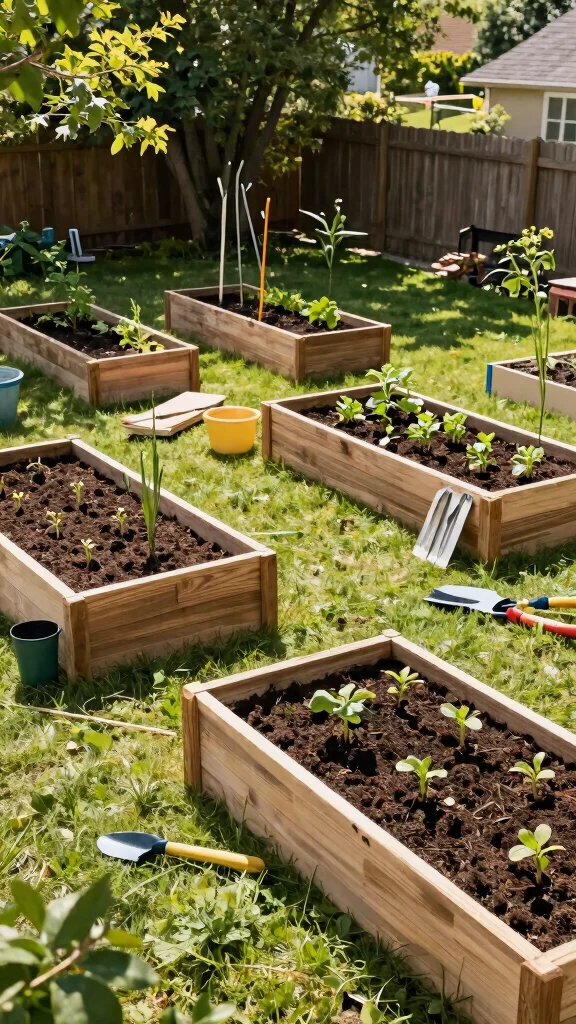
Looking to personalize your garden without breaking the bank? DIY raised garden kits are trending in 2026! These kits provide all the essentials to build your own raised bed, allowing you to customize size, shape, and materials to fit your backyard’s unique style.
Building your own raised bed is cost-effective and incredibly rewarding. It allows you to learn about plants and their needs as you design your garden space. Many kits come with assembly and planting instructions, making it accessible for gardeners of all skill levels.
When considering a DIY approach:
– Look for kits made from sustainable materials.
– Choose designs that complement your landscape style.
– Get creative with shapes and heights for added personality.
Creating something from scratch enhances your connection to your garden, turning it into a true labor of love.
7. Native Plant Integration
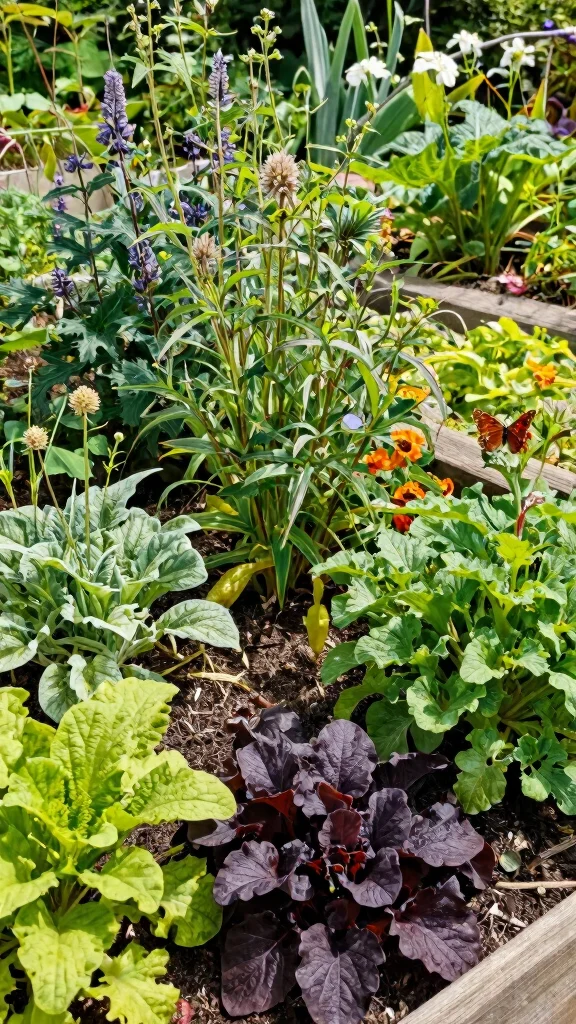
In 2026, integrating native plants into raised bed gardens is a trend that’s taking root. These plants are well-suited to local climates and soils, requiring less maintenance and water than non-native varieties. By using native plants, you’re not just beautifying your garden; you’re also supporting local wildlife and preserving biodiversity.
Native plants can provide vibrant colors and textures to your raised beds. When combined with traditional edibles, they create a sustainable ecosystem that benefits both your garden and the surrounding environment.
for integrating native plants:
– Research local native plants that thrive in your area.
– Group plants with similar water and sunlight needs.
– Incorporate educational signage to inform visitors about the plants and their benefits.
Celebrating local flora in your garden fosters a thriving ecosystem right in your backyard.
Recommended Products

Elevate Your Garden - Opt for a brilliantly engineered raised garden bed to revolutionize your gardening. Its spacious design, measuring 48x24x30 inches, allows for the cultivation of multiple vegetable varieties alongside a plethora of herbs, optimizing your gardening space for ease and diversity.

Large Size and Wood Combination: MIXC raised garden beds is made of untreated fir wood, which resists warping and splitting over time better than cedar. The support part is made of Pinus radiata with better load-bearing properties. Dimension: 48”(L) X 24.4”(W) X 31”(H). With 5-6 cubic feet of space and a 9-inch depth, our garden bed offers generous room for your plants flowers and vegetables to breathe and thrive outdoors

CULTIVATE AN EXQUISITE HERB OASIS |Our Food-safe Elevated Outdoor Plant Box Presents an Attractive and Functional Layout for Cultivating Your Beloved Herbs, Vegetables, Fruits, Blossoms & Other Greenery Above the Soil | A Breathtaking Complement to Every Cozy Nook! "
8. Smart Gardening Technology
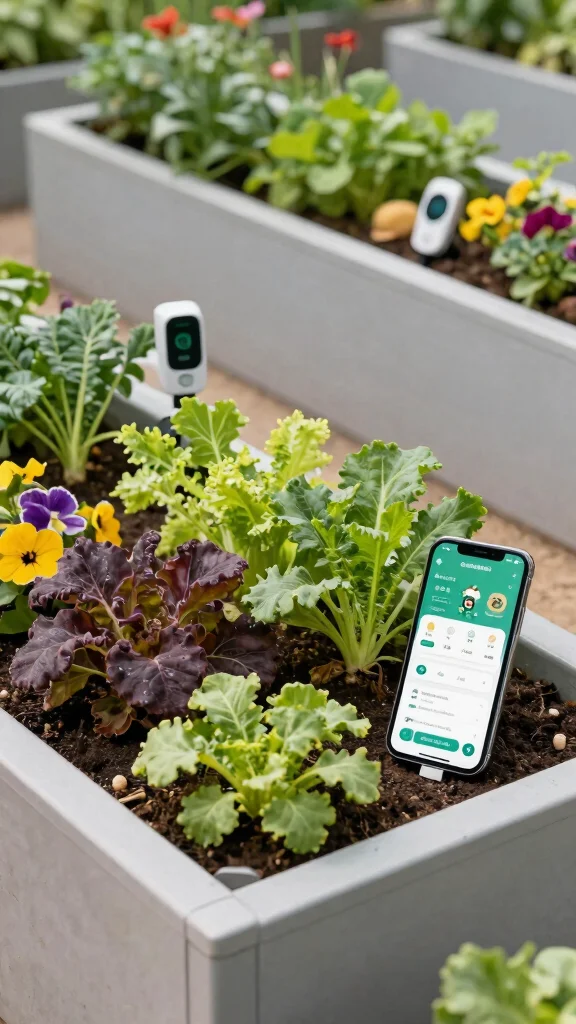
In 2026, technology and gardening are merging with the rise of smart gardening solutions. Integrated apps, sensors, and automated systems streamline the gardening process, making it easier than ever to maintain healthy plants. Imagine controlling your garden’s watering and temperature right from your smartphone!
These technologies not only save time but also enhance plant health by providing real-time data and alerts for optimal growth conditions. Many systems offer tailored recommendations based on plant types and local weather, ensuring your garden thrives throughout the seasons.
Considerations when adopting smart tech:
– Research products that suit your gardening style.
– Look for user-friendly interfaces and compatibility with other devices.
– Ensure the technology is reliable and offers solid customer support.
The integration of technology into gardening adds a modern twist to traditional practices, making gardening accessible and efficient for everyone.
Smart irrigation can cut water use by up to 30% in raised beds. In 2026, the latest raised bed garden trends 2026 blend sensors and apps you can control from your phone, boosting plant health with real-time alerts and tailored tips.
How To Choose the Right Raised Bed for Your Garden
When planning your raised bed garden, it’s crucial to select the right type of raised bed. The choices you make can impact the health of your plants, the aesthetics of your backyard, and even how much effort you need to maintain your garden. Let’s break down the essential criteria to consider when choosing the perfect raised bed for your sustainable vertical gardening project.
1. Size
Think about how much space you have available and what you want to grow. Raised beds typically range from 4×4 feet to larger sizes like 4×8 feet. A smaller bed is easier to maintain, especially for beginners, while larger beds provide more planting area. Consider the height as well; taller beds make gardening easier on your back, especially if you use vertical gardening techniques to maximize your growing space.
2. Material
The material of your raised bed can influence its durability and environmental impact. Common materials include wood, metal, and composite options. Untreated cedar or redwood is popular because it’s naturally resistant to rot. Metal beds, like galvanized steel, offer longevity but can heat up quickly in the sun. Choose materials that align with your eco-friendly garden designs and sustainable gardening practices.
3. Drainage Features
Good drainage is essential for healthy plants. Look for raised beds that have built-in drainage systems or consider adding your own. This can involve placing rocks or gravel at the bottom of the bed. Proper drainage helps prevent overwatering, which can harm plant roots. Ensure you have a plan for how excess water will escape, especially if you live in a rainy area.
4. Access and Maintenance
How easy is it to reach your plants? Raised beds should be accessible from all sides if possible. If you have limited mobility or want to plant taller crops, consider a design that allows you to garden comfortably without bending too much. Regular maintenance, like weeding and harvesting, should be manageable. Think about creating paths between beds to reduce soil compaction and make it easier to care for your garden.
5. Budget
Your budget will influence your choice. While DIY raised garden kits can save money, they may not always be the best option if you’re looking for long-term durability. Set a budget that covers not just the bed itself but also the soil, plants, and any additional features like integrated watering systems. It’s worth investing in quality materials that will last for years, especially if you’re committed to sustainable gardening.
6. Aesthetic Appeal
Consider how your raised bed will fit into your overall backyard landscaping trends. You want your garden to be not just functional, but beautiful too. Think about colors, shapes, and how the bed design complements existing structures in your backyard. You might choose to plant colorful edibles alongside ornamental plants to create a stunning visual display.
Pro Tip: Don’t rush your decision. Take your time to plan out your raised bed garden. Sketch your backyard layout and visualize where each bed will go. This will help you see how different sizes and materials will fit into your sustainable gardening vision.
Following these guidelines will help you choose a raised bed that suits your gardening needs while enhancing the beauty of your backyard. Whether you’re using vertical gardening techniques or integrating native plants, the right raised bed will set the foundation for a thriving garden. Happy gardening!
9. Community Raised Bed Initiatives
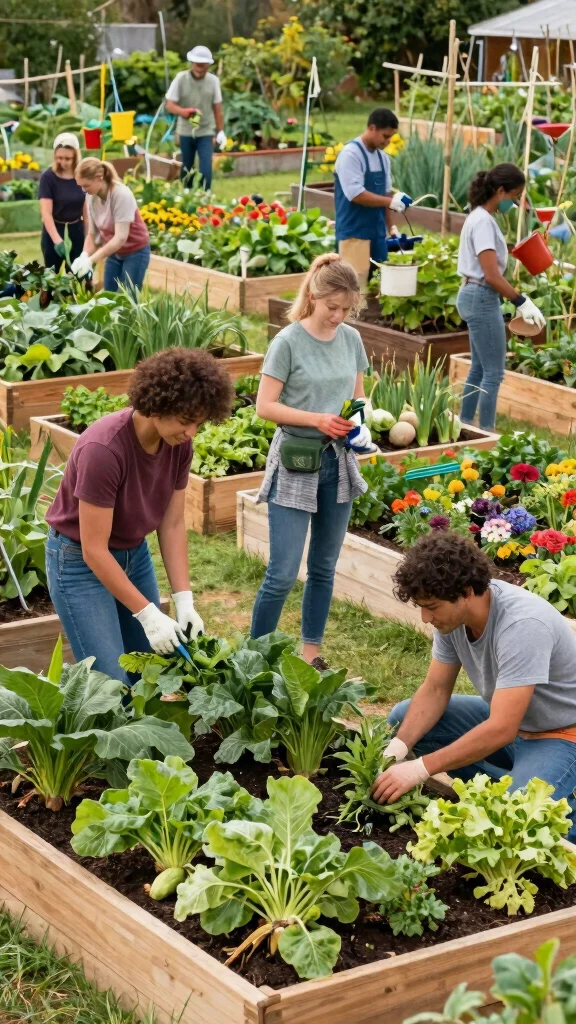
Community gardening is flourishing in 2026, with community-raised bed initiatives sprouting up in neighborhoods. These projects foster cooperation and camaraderie among residents, allowing everyone to grow fresh produce while beautifying their surroundings. Imagine a shared garden space where everyone contributes, learns, and enjoys the fruits of their labor together.
Community gardens also serve as educational hubs, teaching sustainable gardening practices and healthy eating habits. They promote social interaction, provide seasonal crops, and help reduce stress levels. It’s a chance to grow not just food but also community bonds.
Getting involved can include:
– Joining or initiating local gardening groups.
– Participating in workshops and educational sessions.
– Sharing resources and knowledge with fellow gardeners.
Cooking together with the garden’s harvest can enhance bonding. Community raised beds are about growing food, cultivating friendships, and enriching neighborhoods.
10. Seasonal Planting Strategies
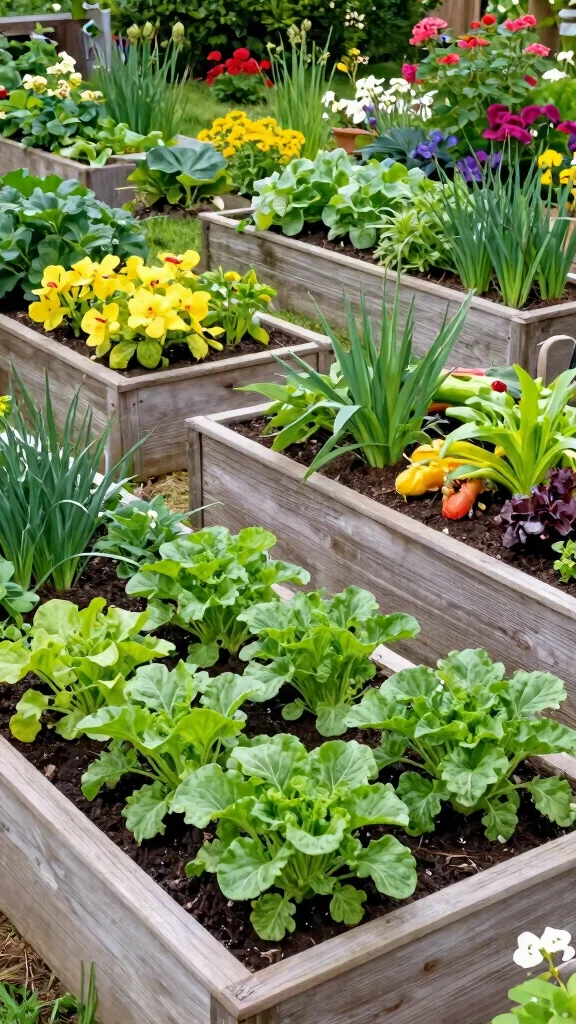
When it comes to gardening, timing is everything! In 2026, seasonal planting strategies are gaining attention, encouraging gardeners to optimize yields throughout the year. This trend focuses on planning which plants to grow in specific seasons to ensure your raised beds are lively year-round.
Crop rotation, companion planting, and succession planting are essential strategies to keep in mind. Rotating crops improves soil health and reduces pests, while companion planting maximizes space and can enhance flavors. Succession planting allows for staggered harvests, ensuring fresh produce is regularly available.
Key strategies include:
– Understanding your local growing season and hardiness zones.
– Planning your garden layout for maximum efficiency.
– Keeping track of planting dates and harvest timelines.
Implementing these strategies keeps your garden thriving and your meals fresh and exciting all year long.
Conclusion
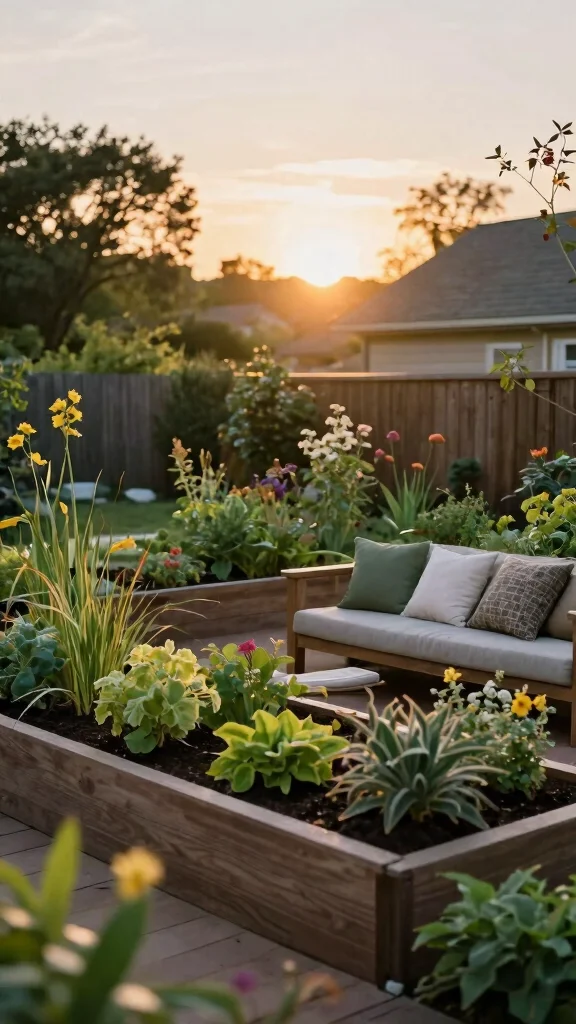
These ten raised bed garden trends for 2026 bring a mix of creativity, sustainability, and community spirit to our backyards. Whether you’re looking to transform a small space or enhance a larger garden, these ideas will not only increase your productivity but also cultivate a deeper connection with nature. Embracing these trends allows us to create beautiful, functional spaces that reflect our values and lifestyles.
Get inspired and start planning your dream garden today!
Note: We aim to provide accurate product links, but some may occasionally expire or become unavailable. If this happens, please search directly on Amazon for the product or a suitable alternative.
This post contains Amazon affiliate links, meaning we may earn a small commission if you purchase through our links, at no extra cost to you.
Frequently Asked Questions
What Are the Top Raised Bed Garden Trends 2026 and How Can I Implement Them in My Backyard?
2026 is all about making raised beds more productive, space-efficient, and eco-friendly. Look for vertical gardening techniques, modular bed systems, smart irrigation, and eco-friendly garden designs in the trend lineup.
To implement: start with a durable frame (cedar or recycled plastic), choose a soil mix rich in compost, and add a built-in drip irrigation line. Collect rainwater with a simple barrel, mulch heavily to conserve moisture, and group plants by water needs. By focusing on these ideas, you’ll bring to life raised bed garden trends 2026 in your own backyard.
How Can I Maximize Small Backyard Space with Vertical Raised Beds While Keeping It Sustainable?
Maximizing a small yard starts with vertical space. Use vertical gardening techniques like wall-mounted planters, freestanding trellises, and stacked planter boxes.
Pair them with sustainable gardening practices: compost kitchen scraps, collect rainwater, mulch, and choose perennials to reduce turnover.
For durability and budget, build frames from cedar or reclaimed wood, seal untreated lumber, and opt for modular systems you can expand. This approach nails raised bed garden trends 2026 in compact spaces.
What Are Some Practical Raised Bed Gardening Ideas That Are Eco-Friendly and Fit the 2026 Trends?
You can blend practicality with sustainability. Try these: eco-friendly garden designs using cedar or recycled materials, installing a simple drip irrigation system, and creating a vertical element with trellises for vertical gardening techniques.
Use sustainable gardening practices like composting and rainwater harvesting, plus mulch to retain moisture. Plant a mix of vegetables, herbs, and flowers to boost yields and biodiversity. This aligns with raised bed garden trends 2026 for an eco-smart backyard.
Which Crops Work Best in Raised Beds Under the 2026 Trends, and How Can I Plan for Year-Round Harvest?
In raised beds, leafy greens, brassicas, radishes, and herbs shine in cooler seasons, while tomatoes, peppers, beans, and strawberries perform well in warmer periods. For a year-round strategy, use succession planting every 2–3 weeks, add cool-season greens and root vegetables for shoulder seasons, and use row covers or cloches to extend the season.
Rotate crops annually to protect soil fertility—this is a core sustainable gardening practices approach and a practical way to maximize your raised bed garden trends 2026 harvest.
How Do I Start a Budget-Friendly Vertical Raised Bed Project That Lasts?
Begin with a clear space and a simple plan. Choose materials that are durable yet affordable, like cedar boards or repurposed lumber, and design modular frames so you can expand later. Build a vertical panel with trellis wires or netting, ensuring good drainage with bottom holes or a liner. Fill with a quality soil mix and compost, then install a drip irrigation line to save water. Mulch and inspect the structure seasonally. This vertical raised bed project is a practical, affordable way to realize raised bed garden trends 2026 and embrace sustainable gardening practices.
Related Topics
raised bed gardening
vertical gardening
sustainable practices
backyard landscaping
eco-friendly designs
2026 garden trends
urban gardening
small space solutions
beginner gardening
easy gardening techniques
seasonal planting
garden aesthetics