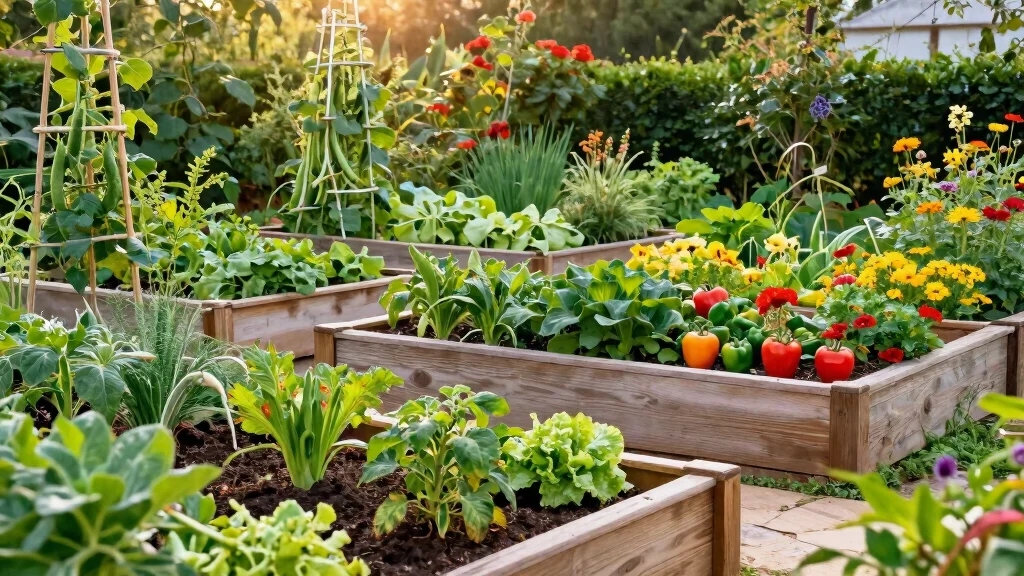
Creating a raised bed vegetable garden is a fantastic way to bring life to your backyard while also providing fresh produce for your kitchen. I created this post because, like many of you, I’ve been searching for ways to make gardening not just productive but also aesthetically pleasing. When spring rolls around, I find myself craving a garden that looks as beautiful as it is bountiful. This guide is packed with 13 raised bed veggie garden combo ideas that will inspire you to create a space that combines beauty and abundance.
If you’re passionate about gardening and want to cultivate a garden that’s both functional and visually appealing, this post is for you. Whether you’re a beginner or a seasoned gardener, you’ll find ideas that cater to your style and space. Not only will you learn about different designs, but you’ll also discover companion planting tips and sustainable practices that can help your garden thrive. By the end of this article, you’ll have actionable insights to create a raised bed vegetable garden that is uniquely yours.
Get ready to explore these 13 creative ideas that show how raised bed gardening can enhance your garden’s aesthetics. From vertical gardens to themed designs, you’ll find plenty to inspire your gardening journey. Let’s dig in and start planning your dream veggie garden!
Key Takeaways
– Discover unique raised bed vegetable garden ideas that combine aesthetics with productivity, perfect for any gardening enthusiast.
– Learn about companion planting tips that can boost your garden’s yield while enhancing plant growth and health.
– Explore various raised bed garden designs that suit different styles, from modern geometric shapes to charming cottage gardens.
– Find practical advice on sustainable gardening practices that promote environmental health while growing delicious vegetables.
– Get inspired with vegetable garden layouts that maximize space and beauty, ensuring your garden is as inviting as it is fruitful.
1. The Charming Herb Spiral
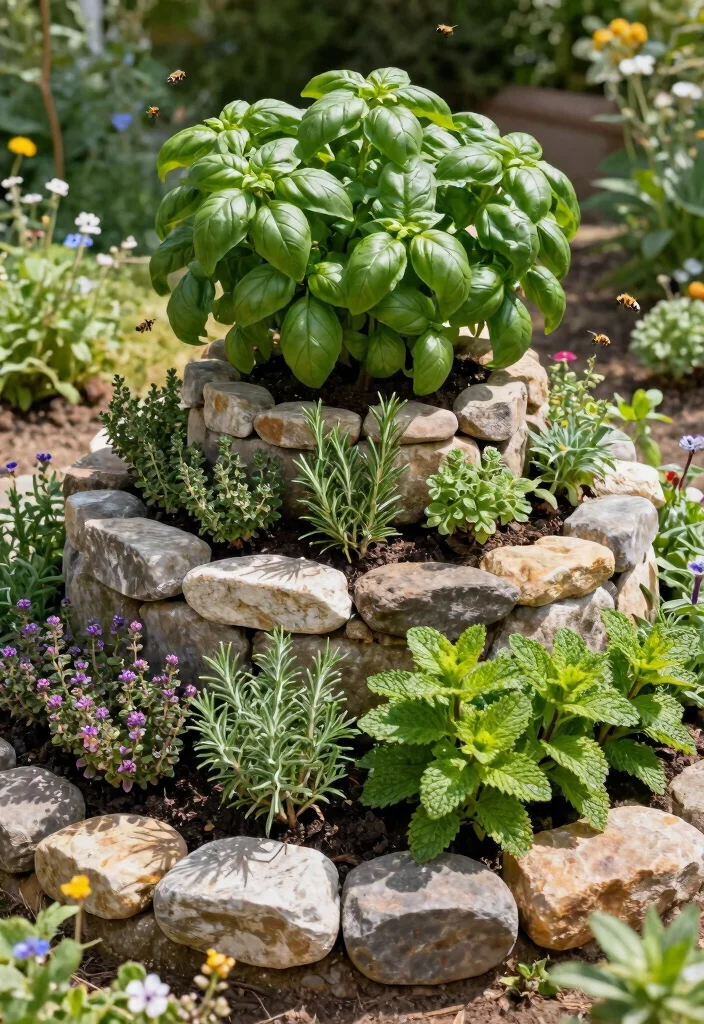
Are you looking to spice up your garden while maximizing space? An herb spiral is not just practical, but it also serves as an eye-catching centerpiece. With its unique stacked design, this spiral allows a variety of herbs to thrive in their ideal conditions, making it a sensory delight for both the eyes and the palate.
Imagine planting vibrant basil, aromatic rosemary, zesty thyme, and refreshing mint in a compact area, each contributing its unique colors and scents. This structure promotes vertical growth and easy harvesting, ensuring you have fresh herbs at your fingertips all season long.
Ingredients:
– Variety of herbs (basil, rosemary, thyme, mint)
– Stones or bricks for structure
– Soil mix for planting
– Water
Instructions:
1. Choose a sunny spot and gather stones or bricks to build your spiral.
2. Start at the base, layering stones in a circular fashion to create a spiral shape.
3. Fill the spiral with a nutrient-rich soil mix.
4. Plant taller herbs like basil at the top and shorter ones like thyme at the bottom.
5. Water from the top to ensure even moisture distribution.
6. Enjoy the beauty and fragrance of your herb spiral as it grows!
FAQs:
– Can I use any herbs in the spiral? Yes, just ensure they have similar sunlight and watering needs.
– Can I make it in a small space? Absolutely! Herb spirals are perfect for small gardens.
Recommended Products

MOBILE GARDEN ON WHEELS — Two all-terrain wheels and an ergonomic handle let you roll a 200+ lb planted bed wherever sunlight goes. Move your garden across patio, balcony, or backyard in minutes.
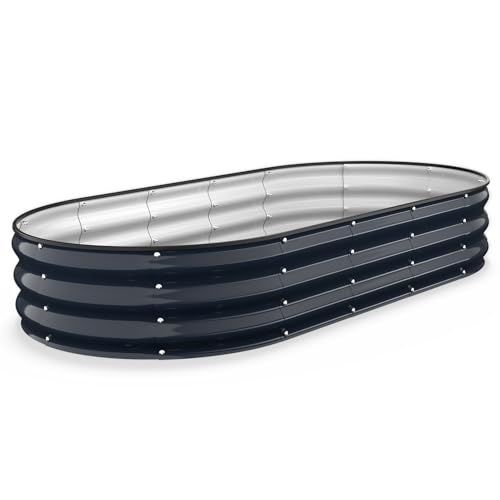
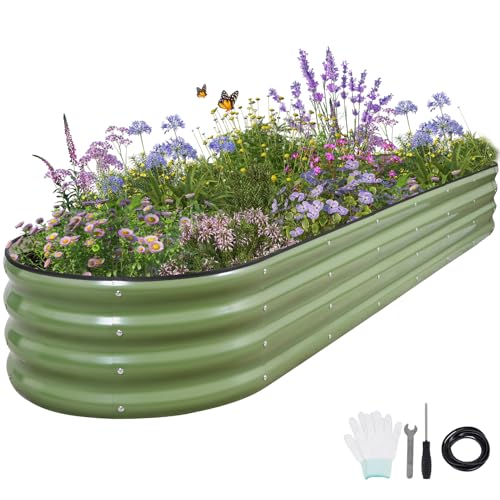
6x3x1 FT Raised Garden Bed: Oval galvanized steel raised garden bed with a 12-inch internal growing depth, designed as an outdoor raised garden bed for vegetables and herbs in larger backyards and home gardens
2. Vertical Trellis Garden
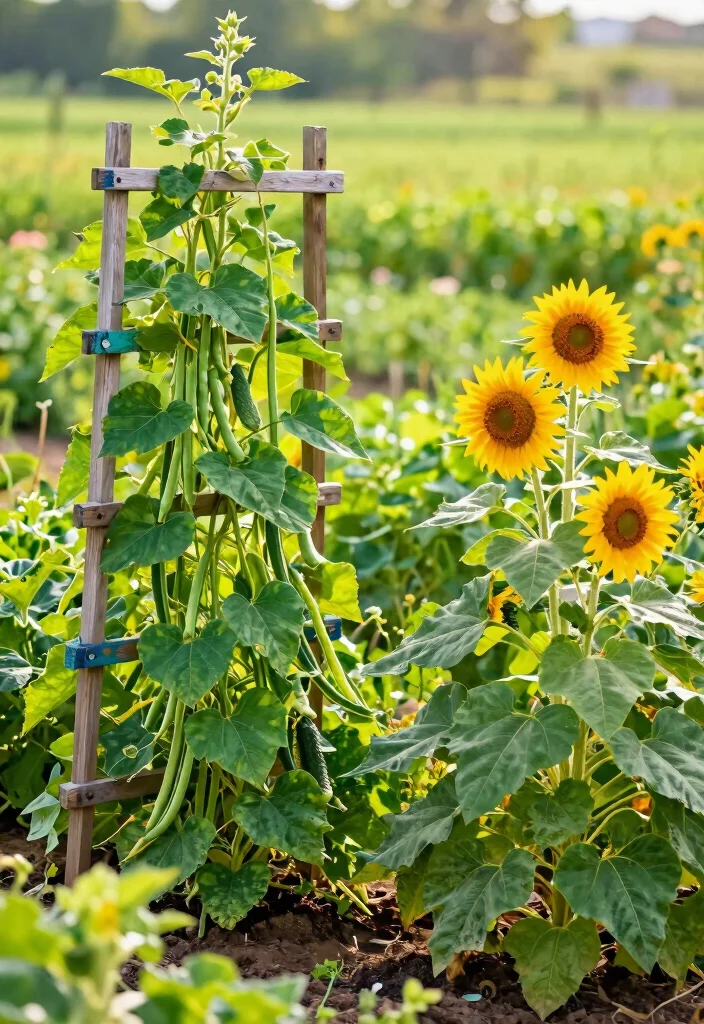
Dreaming of a garden that reaches for the sky? A vertical trellis garden is your answer! By utilizing trellises, you can cultivate climbing vegetables like peas, cucumbers, and tomatoes, all while freeing up precious ground space for other plants. The added height not only creates visual interest but also maximizes your harvest.
Choose sturdy materials like wood or metal for your trellises, giving them a pop of color or letting them weather naturally for a rustic charm. Watching your vegetables climb upward can inspire you every day.
Design Ideas:
– Mix flowering vines with your vegetables for added beauty.
– Create varying heights with tiered trellises.
– Use strings or wires to guide plants upward.
Companion Planting Tips:
– Pair beans with corn for natural support.
– Grow cucumbers alongside sunflowers for an attractive arrangement.
Your vertical trellis garden will not only yield bountiful crops but also transform your outdoor space into a stunning spectacle!
Vertical trellis gardens prove space isn’t a limit—it’s a puzzle to solve. Plant peas, cucumbers, and tomatoes up high in your raised bed vegetable garden ideas, freeing ground for herbs and greens. Pro tip: choose sturdy wood or metal trellises with a splash of color to boost beauty and yields.
Recommended Products

Space-Saving Tomato Planter with Trellis: Integrated with rust-resistant stainless steel rods that support tomatoes, cucumbers, beans, and climbing plants; the planter box has 10.6 x 10.6 x 7.3 inch internal dimensions and can hold 3.5 gallons of soil, ideal for patios, balconies, decks, and small gardens

Adjustable U Shape Garden Trellis: Measures 65 in L x 48 in H with 16 to 26 in adjustable width. Fits raised beds, planter pots, patios and yard layouts, creating a vertical plant support frame for peas, vegetables, grape vines and other climbing plants.

SELF-WATERING SYSTEM: Self watering tomato planter with trellis has a built-in reservoir that ensures the plants receive consistent hydration. The bottom grid design utilizes the siphon effect, allowing the roots to pump water efficiently, minimizing the risk of under-draining or over-draining. There is a water injection port on the side, and the right amount of water is poured into the sowing box, without daily watering.
3. Colorful Companion Planting
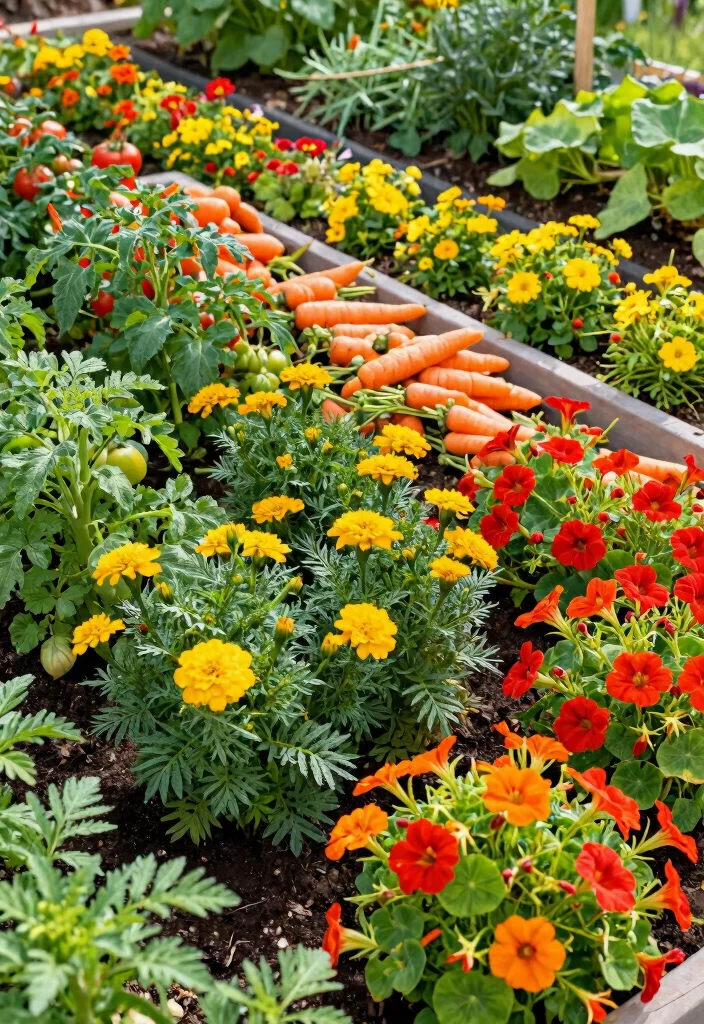
Looking for a way to boost both your harvest and your garden’s aesthetic? Companion planting is a fantastic method to pair plants that thrive together, enhancing each other’s growth. For instance, planting marigolds alongside tomatoes can deter pests while adding vibrant color to your garden.
Create a layout that alternates colorful flowers with vegetables, turning your garden into a visual feast. This strategy not only optimizes space but also creates a stunning display that delights the senses.
Suggestions for Beautiful Mixes:
– Combine beets with bright zinnias.
– Pair carrots with nasturtiums for a striking contrast.
Benefits of Companion Planting:
– Improves soil health and boosts yields.
– Provides natural pest control through diversity.
– Creates a visually dynamic garden space.
Embrace companion planting to bring beauty and health to your raised bed veggie garden!
Fun fact: In raised bed vegetable garden ideas, pairing marigolds with tomatoes can boost pest deterrence by up to 30% while adding vibrant color. A thoughtful layout that alternates flowers with vegetables not only saves space but also invites pollinators.
Recommended Products

【Solid Stability Triangular Frame】 Engineered with a heavy-duty triangular metal frame and dual-column construction, this vertical gardening system outperforms flimsy single-pole stands. The reinforced joints and crossbar supports prevent swaying - even when fully loaded with soil and climbing plants like tomatoes or ivy. Perfect for outdoor vegetable planters or vertical indoor gardens.

SIZE: The plant bed measure is 46"L x 23.6"W x 11.8"H. This planter box provide ample growing space to raise vegetables, flowers and plants.

Raised Garden Bed - Add a new level of convenience to your gardening experience with the Galvanized Raised Garden Bed. Enjoy expanded yield and a more assembled garden layout with this garden accessory, each sized at 120 cm X 60 cm x 30 cm.
4. Modern Geometric Designs
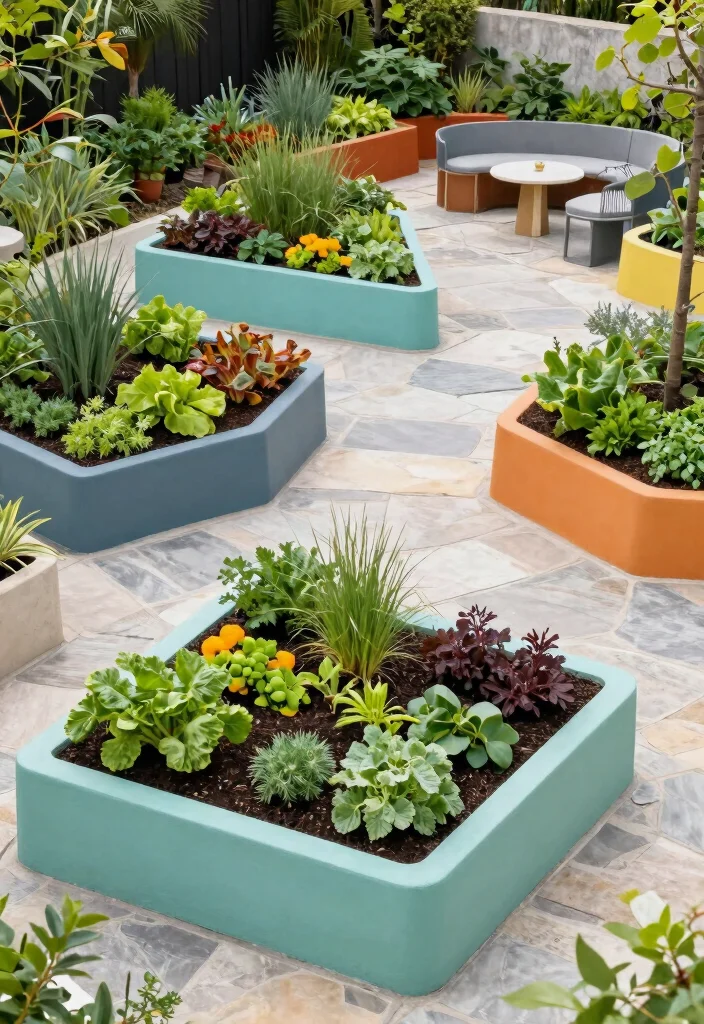
Are you drawn to sleek lines and modern design? Geometric raised bed gardens are a bold choice that can elevate your outdoor space. By experimenting with shapes like triangles, hexagons, or circles, you can craft an eye-catching arrangement that stands out.
Elevating these beds creates height variations that not only make it easier to reach plants but also adds a stylish element to your garden. Consider painting the edges in contrasting colors to enhance their visual appeal.
Benefits of Geometric Designs:
– Offers unique artistic visual appeal.
– Optimizes plant spacing for better growth.
– An organized layout simplifies maintenance.
Tips:
– Use materials like concrete blocks or treated wood for durability.
– Incorporate pathways between beds for a tidy appearance.
Geometric raised beds are ideal for those wanting to blend contemporary flair with productive gardening!
5. Cottage Garden Charm
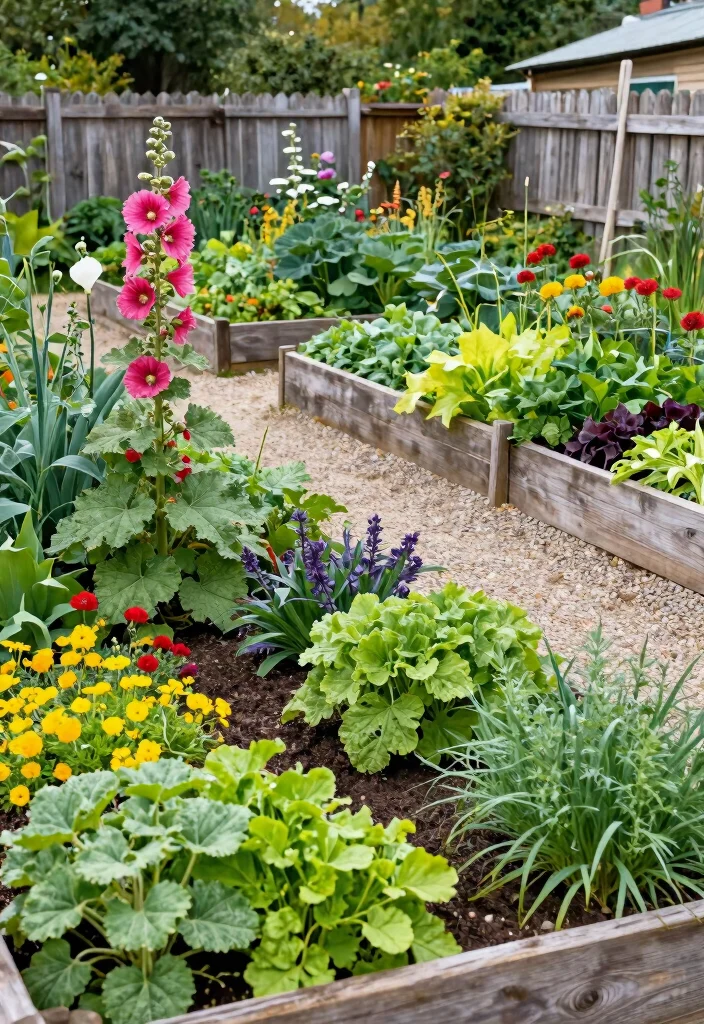
Want to create a dreamy, traditional garden? Embrace the charm of a cottage garden by mingling flowers and vegetables in your raised beds. This style thrives on a loose, informal layout bursting with color and texture, inviting a sense of whimsy.
Incorporate fragrant herbs and vibrant flowers like lupines, daisies, and hollyhocks to set a magical scene. You’ll enjoy both a variety of produce and stunning visuals, making every visit to your garden a delight.
Essential Elements:
– Choose a mix of colors and heights for an engaging look.
– Utilize natural materials like wood or stone for beds.
– Create pathways of gravel or stepping stones for easy access.
Tips for Success:
– Allow plants to grow freely for a more natural aesthetic.
– Regularly deadhead flowers to encourage continual blooming.
With a cottage garden approach, your raised bed veggie garden will overflow with charm, attracting pollinators and pleasing the senses!
Recommended Products

5 COMPANION PLANTS - This five-pack includes heirloom seeds for growing Large Leaf Basil (Ocimum basilicum), Borage (Borago officinalis), Compact Dill (Anethum graveolens), Crackerjack Marigold (Tagetes erecta), and Tip Top Mix Nasturtium (Tropaeolum majus)


6. Vertical Wall Garden
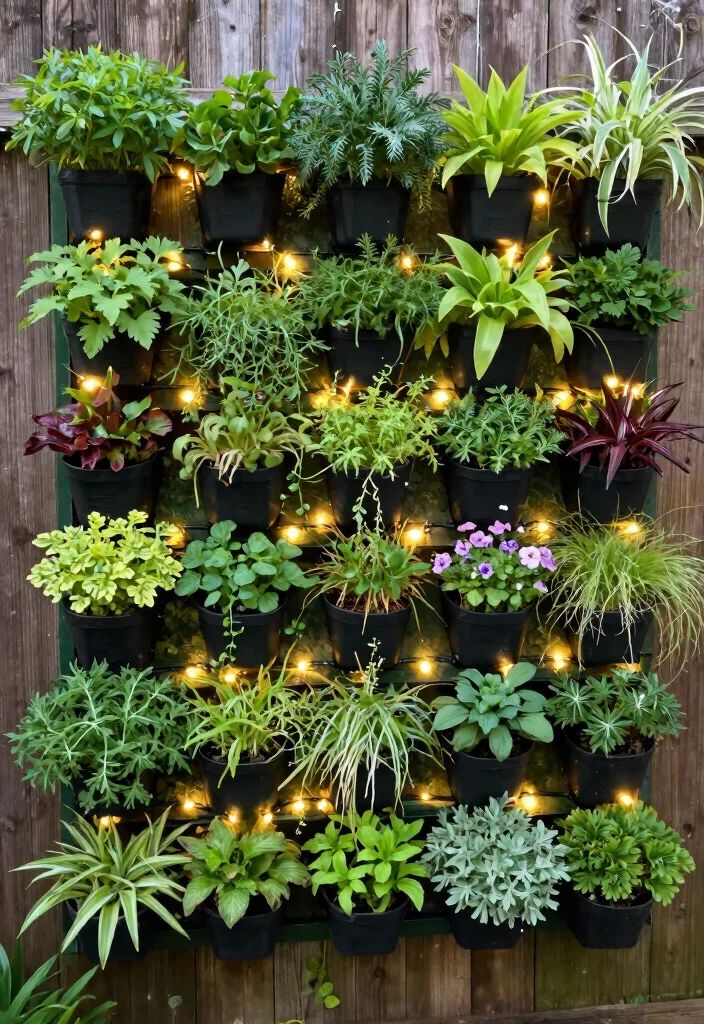
Ready to elevate your gardening game? A vertical wall garden is a brilliant way to transform walls into vibrant displays of greenery. Using modular pockets or a trellis system, you can cultivate herbs, small vegetables, or even edible flowers in a stunning arrangement.
This design not only beautifies your outdoor space but can also provide privacy or act as a windbreak. Incorporate colorful plants to create an inviting and lively atmosphere.
Design Ideas:
– Use various pocket sizes for different plants.
– Add fairy lights to illuminate your wall garden at night.
Benefits:
– Maximizes limited space while enhancing aesthetics.
– Encourages biodiversity and improves air quality.
Transform your wall into a luscious vertical garden that captivates both the eyes and the spirit!
Recommended Products
【Safe Edge】The garden box adopts a folding edge design for safe installation. The upgraded black strip shaped built-in iron clip will not fall off or deform under prolonged sunlight exposure. Used for reinforcement and injury prevention to further enhance protection. It is safer for children and pets

【Garden Bed with Greenhouse Kit】3 in 1 Galvanized raised garden bed kit, 1 kit equals 3 products: garden bed, dismountable mini greenhouse, combination of garden bed with greenhouse. Perfect for you to customize your garden!

Garden Netting Kit for Raised Beds : Garden Net widely used indoors and outdoors Garden, works well to protect your vegetables, flowers, plants and crops, raised bed, fruits trees from insects, butterfly, bee, birds, chicken, deer and other animals, great for the yard, vegetable garden, and garden raised beds. Garden mesh netting for plants can get a lasting protection for your plants, makes gardening more easier and fun
7. Themed Raised Bed Gardens
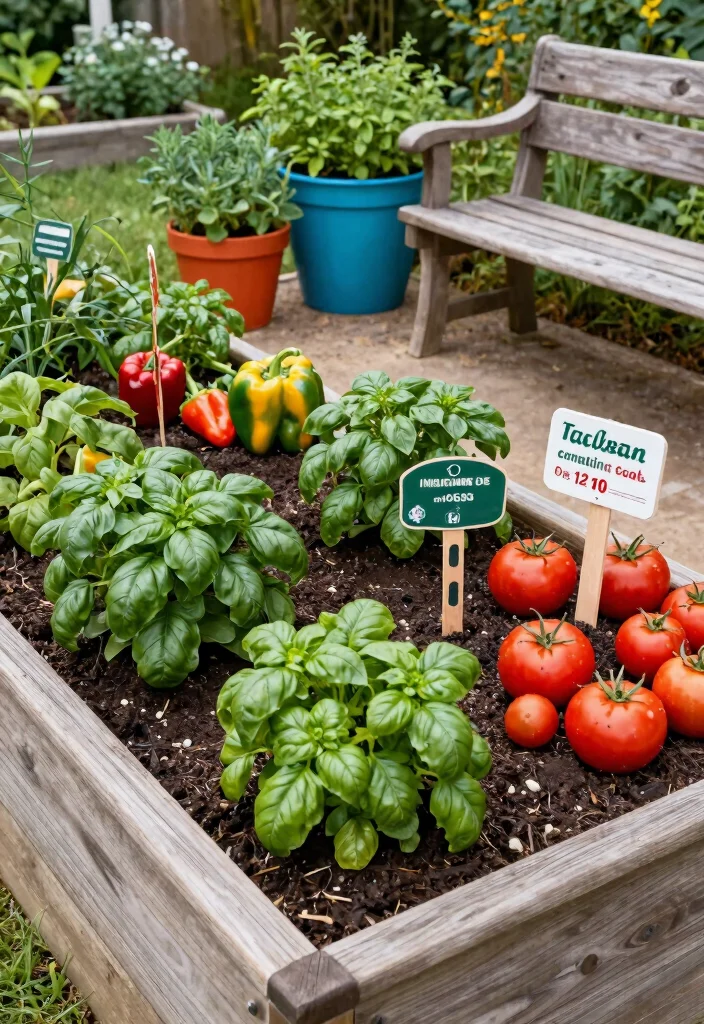
Are you looking to add a personal touch to your garden? Themed raised bed gardens can tell a story through your plant choices! Consider designing beds based on specific herbs, vegetables, or culinary themes. For example, an Italian-themed garden could feature basil, tomatoes, and peppers, while a salsa garden might focus on cilantro and jalapeños.
This not only organizes your planting but also creates an engaging and visually interesting space. Add signs or decorative elements that reflect your theme for a charming finish.
Ideas for Themed Gardens:
– Mediterranean herbs like oregano and thyme.
– Asian vegetables such as bok choy and snap peas.
Benefits:
– Simplifies planning and organization in your garden.
– Provides an interactive experience for all ages.
Crafting themed raised beds allows for personal expression while enjoying the fruits of your labor!
8. Rustic Pallet Gardens
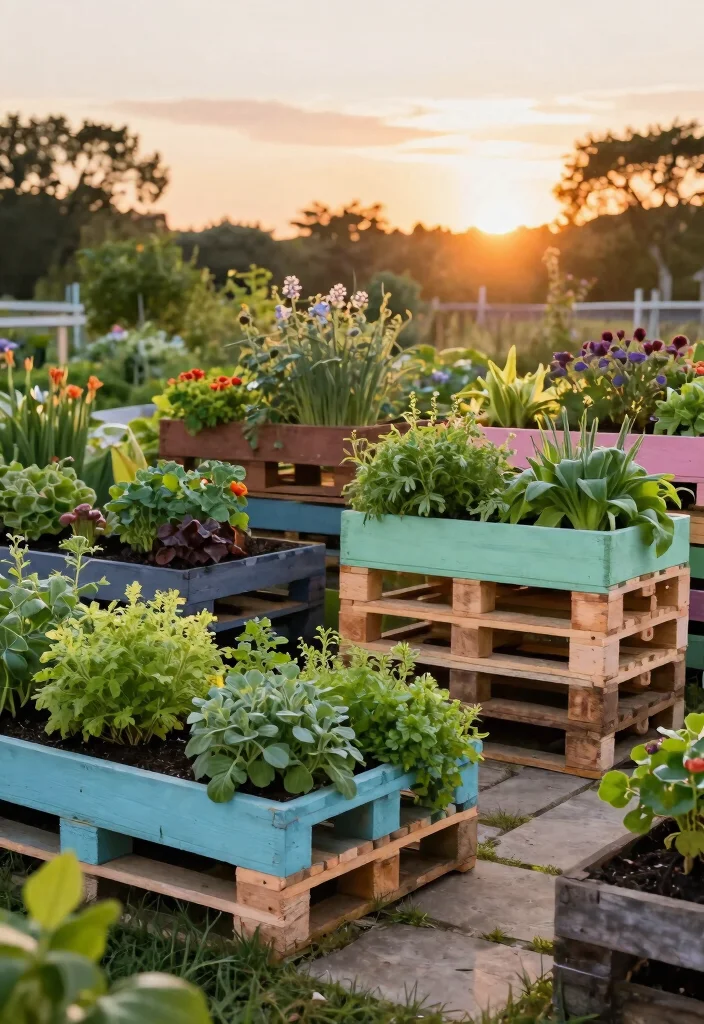
Have some old wooden pallets lying around? Transform them into a rustic pallet garden for a charming and eco-friendly way to grow your herbs and veggies! You can either stand the pallets upright and fill them with soil or disassemble them to create individual boxes.
These gardens add a unique texture and personality to your outdoor space. Paint the pallets in bright colors or leave them natural for a rustic touch, making them perfect for small spaces or urban gardens.
Benefits:
– A cost-effective and sustainable gardening solution.
– Easy to customize and rearrange as needed.
Tips:
– Ensure pallets are untreated to avoid harmful chemicals in your soil.
– Stack multiple pallets for added height and interest.
With a rustic pallet garden, you’ll enjoy a charming, productive space that promotes sustainable gardening!
Recommended Products

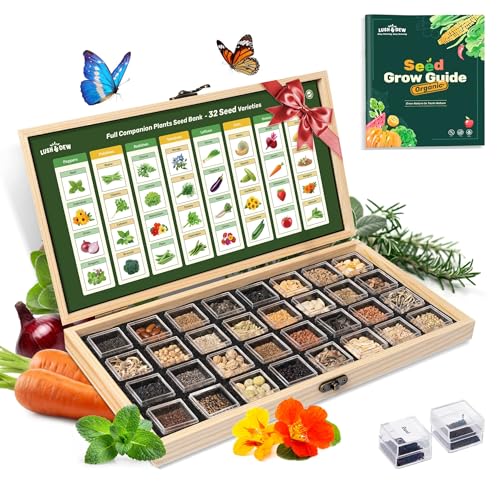
USA-Sourced & Non-GMO: 32 easy to grow varieties of heirloom seeds, 30,000+ companion planting seeds for peppers, potatoes, radishes, tomatoes, lettuce, corn, onions, pumpkins.

USA-Sourced and Non-GMO: 16 easy to grow varieties of 15,000+ heirloom seeds for planting vegetables, herbs, pet-safe flowers and fruits seeds, including catmint, basil, dill, watermelon, strawberry, sunflower, marigold and more.
9. Wildlife-Friendly Gardens
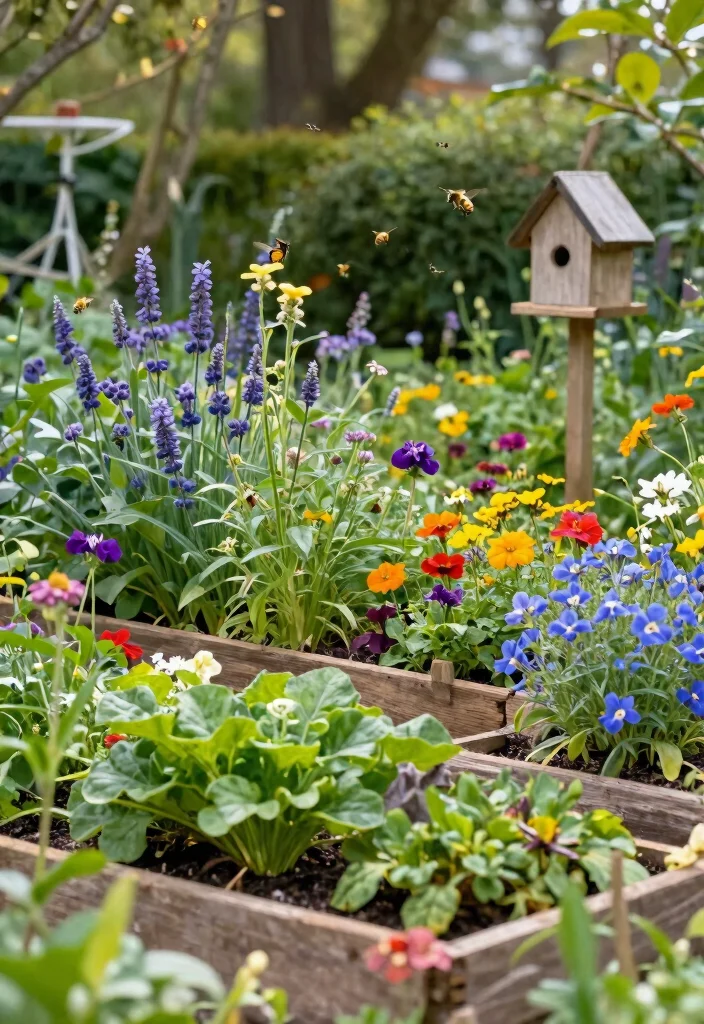
Want to create a garden that welcomes nature? A wildlife-friendly garden attracts beneficial creatures while producing delicious veggies. By incorporating native plants, flowers, and herbs, you’ll invite pollinators like bees and butterflies, creating a thriving ecosystem.
Adding features like birdhouses, bee hotels, or small water features can encourage wildlife while enhancing your garden’s beauty. Your raised beds can host veggies like squash and tomatoes, surrounded by these friendly elements.
Benefits:
– Supports local wildlife and boosts biodiversity.
– Enhances pollination and improves plant health.
Design Ideas:
– Plant native flowers alongside vegetables to draw in pollinators.
– Avoid pesticides to create a safe haven for beneficial insects.
This wildlife-friendly approach transforms your garden into a vibrant sanctuary that nourishes both nature and your harvest!
Key Trade-offs & Our Top Pick
Option 1: Vertical Trellis Garden
– Pros:
– Maximizes space by allowing plants to grow upwards.
– Great for vining vegetables like tomatoes and cucumbers.
– Provides better airflow and sunlight exposure for plants.
– Cons:
– Requires a sturdy support structure, which can be an upfront cost.
– Not ideal for all vegetable types; root vegetables need more soil depth.
– May require more maintenance to secure plants as they grow.
– Best for: Gardeners with limited horizontal space who want to grow climbing vegetables.
Option 2: Cottage Garden Charm
– Pros:
– Offers a visually appealing, lush aesthetic with a mix of flowers and vegetables.
– Attracts pollinators, enhancing garden health.
– Supports diverse planting, allowing for natural pest control.
– Cons:
– Can lead to competition for nutrients among plants.
– Requires more planning and research on compatible plant choices.
– May not produce as much yield as focused vegetable gardens.
– Best for: Those who prioritize garden aesthetics and enjoy a mix of flowers with their veggies.
Option 3: Compact Square Foot Garden
– Pros:
– Space-efficient, allowing for maximum yield in a small area.
– Simple layout makes it easy to manage and maintain.
– Suitable for beginners, as it reduces weeding and pest issues.
– Cons:
– Needs regular watering and fertilization due to high plant density.
– Limited variety of crops can be planted together in a small area.
– Soil health may decline faster without proper rotation and care.
– Best for: Urban gardeners and beginners looking for an easy entry into vegetable gardening.
Option 4: Rustic Pallet Gardens
– Pros:
– Inexpensive and eco-friendly option using recycled materials.
– Easy to customize and can fit into various spaces.
– Good for small herbs and shallow-rooted plants.
– Cons:
– Limited depth may restrict plant growth.
– Pallets can harbor pests or chemicals if not properly treated.
– Might require more frequent watering due to soil drying out quickly.
– Best for: Budget-conscious gardeners who enjoy DIY projects and have limited space.
Expert Recommendation:
Best Overall: Vertical Trellis Garden
The vertical trellis garden stands out as the top pick for many gardeners. It offers excellent value for money by maximizing space while increasing yield. Its ease of use appeals to both beginners and experienced gardeners. Plus, it easily adapts to a variety of vegetables, making it a versatile choice for your raised bed vegetable garden ideas.
Why We Picked This:
We recommend the vertical trellis for its adaptability and high productivity. However, if you prefer an eco-friendly option, the rustic pallet garden could be a better fit. For those focused on aesthetics, the cottage garden charm offers beauty alongside functionality. Each option has its unique benefits, so choose based on your specific gardening goals and space constraints.
10. Elevated Planter Boxes
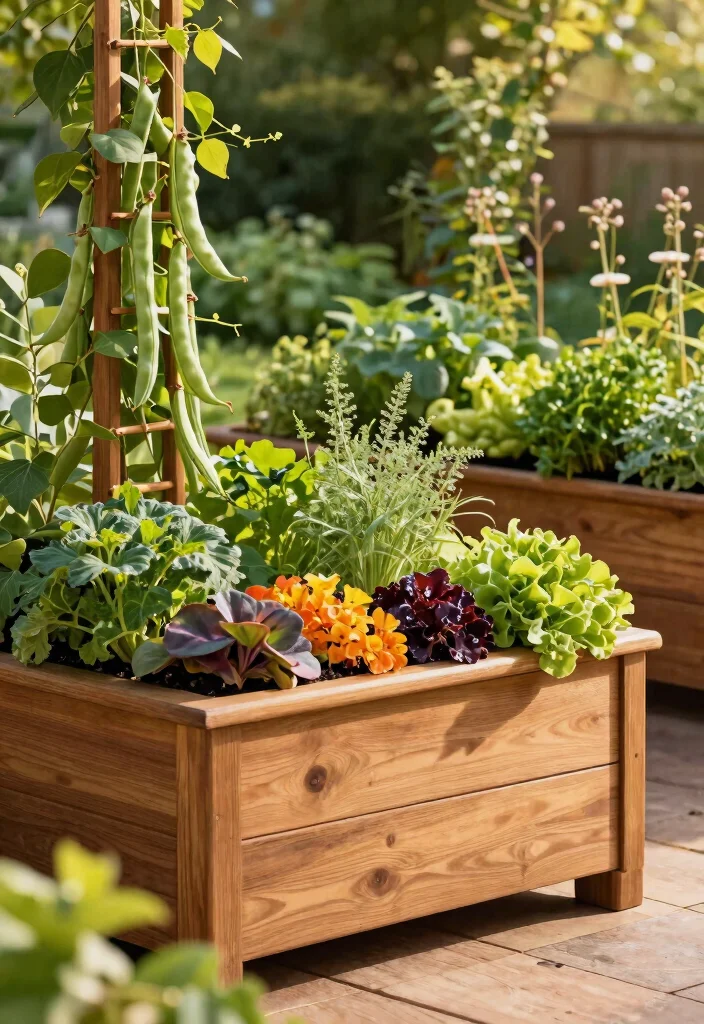
Looking for a stylish and accessible gardening solution? Elevated planter boxes are perfect for those who want to garden without straining their backs or knees. You can design these raised beds in various heights and sizes to suit your comfort and aesthetic preferences.
Not only do these boxes offer better drainage and soil aeration, but they also look great in your outdoor space. Paint or stain them to match your decor for a cohesive look.
Benefits:
– Minimizes strain on your back and knees.
– Simplifies pest management by keeping plants off the ground.
Design Tips:
– Use rot-resistant wood or composite materials for longevity.
– Incorporate trellises or hooks for climbing plants.
Elevated planter boxes enhance your gardening experience while adding a touch of style to your outdoor area!
11. Edible Landscaping
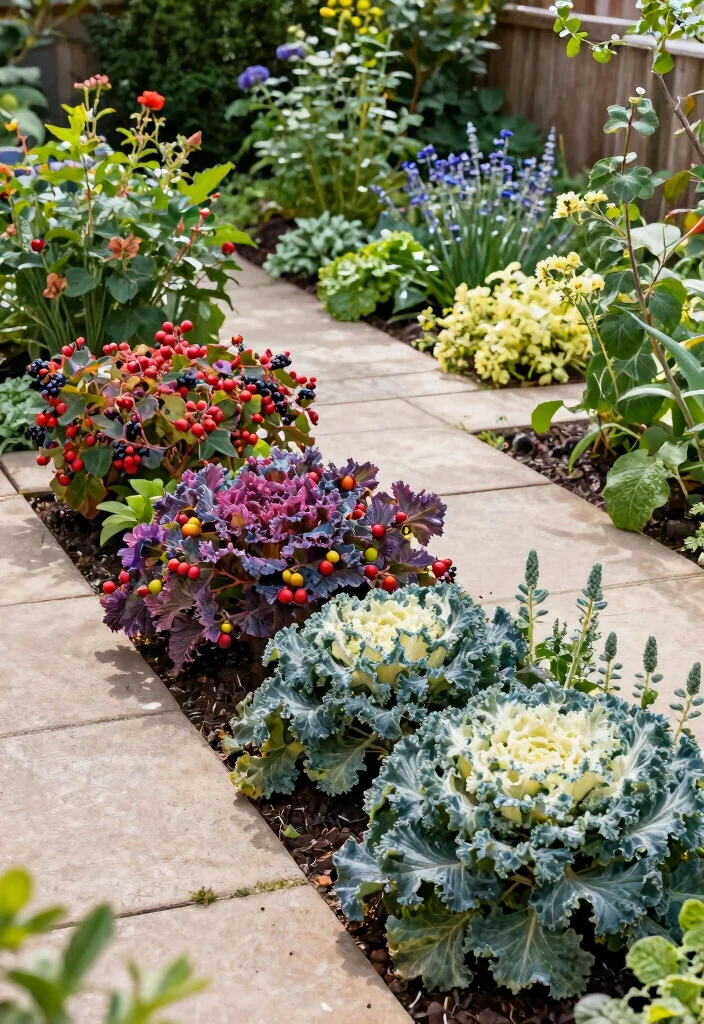
Want to blend beauty with functionality in your garden? Edible landscaping allows you to incorporate edible plants into your landscape design instead of just ornamental ones. This approach merges aesthetics with productivity, letting you enjoy fresh fruits, vegetables, and herbs right in your yard.
Picture a front yard filled with colorful berry bushes or using ornamental kale as a border plant. There’s something satisfying about a garden that not only looks stunning but also provides you with organic produce!
Benefits:
– Maximizes the utility of your garden space.
– Creates a vibrant environment that’s both beautiful and functional.
Tips:
– Choose ornamental varieties of vegetables and herbs to enhance beauty.
– Plan layouts that facilitate easy access to your edible plants.
Embrace edible landscaping for a visually stunning and flavorful garden that thrives!
12. Compact Square Foot Garden
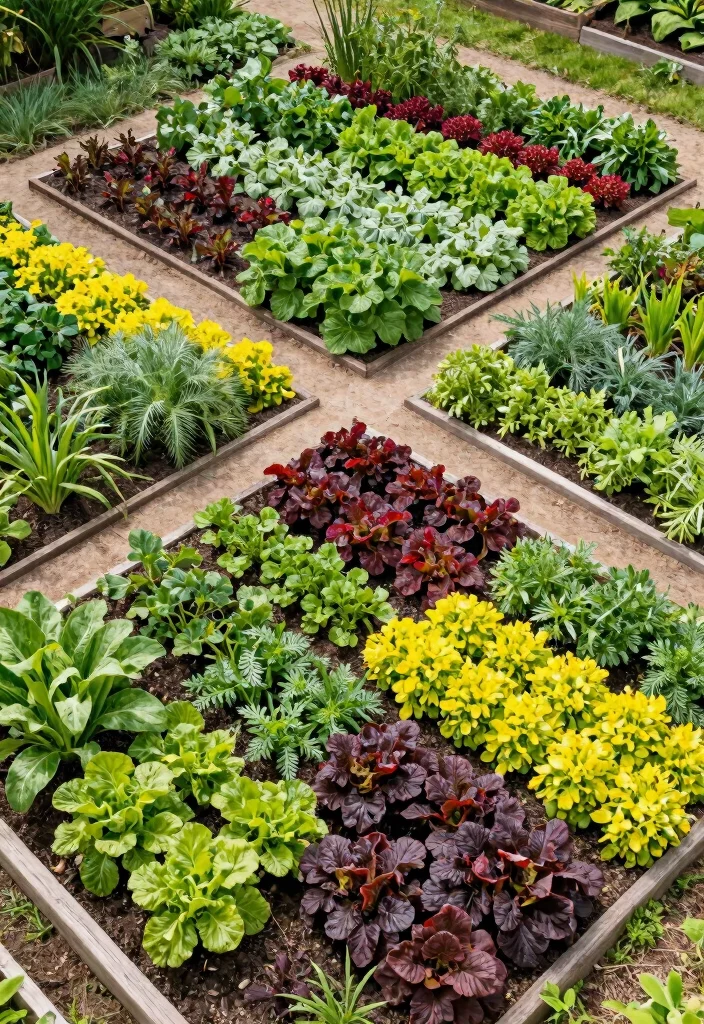
Are you looking to make the most of your gardening space? A square foot garden is the perfect solution! This technique divides each raised bed into square sections, allowing you to grow a variety of vegetables or herbs in a compact area. Each square can host a different plant, optimizing your growing space and simplifying maintenance.
The neat arrangement of plants creates an organized look, bursting with colors and textures. Square foot gardening enhances productivity and adds charm to your outdoor area.
Benefits:
– Efficient space usage for maximum yield.
– Streamlined planting and harvesting process.
Tips for Success:
– Use a grid system to divide each raised bed accurately.
– Rotate crops seasonally for optimal soil health.
With a compact square foot garden, you’ll enjoy a beautiful and bountiful harvest all season long!
Fun fact: A 4×4 ft square foot garden uses 16 square feet and can host 16 different crops. This compact setup makes raised bed vegetable garden ideas both productive and easy to manage.
13. Seasonal Transition Gardens
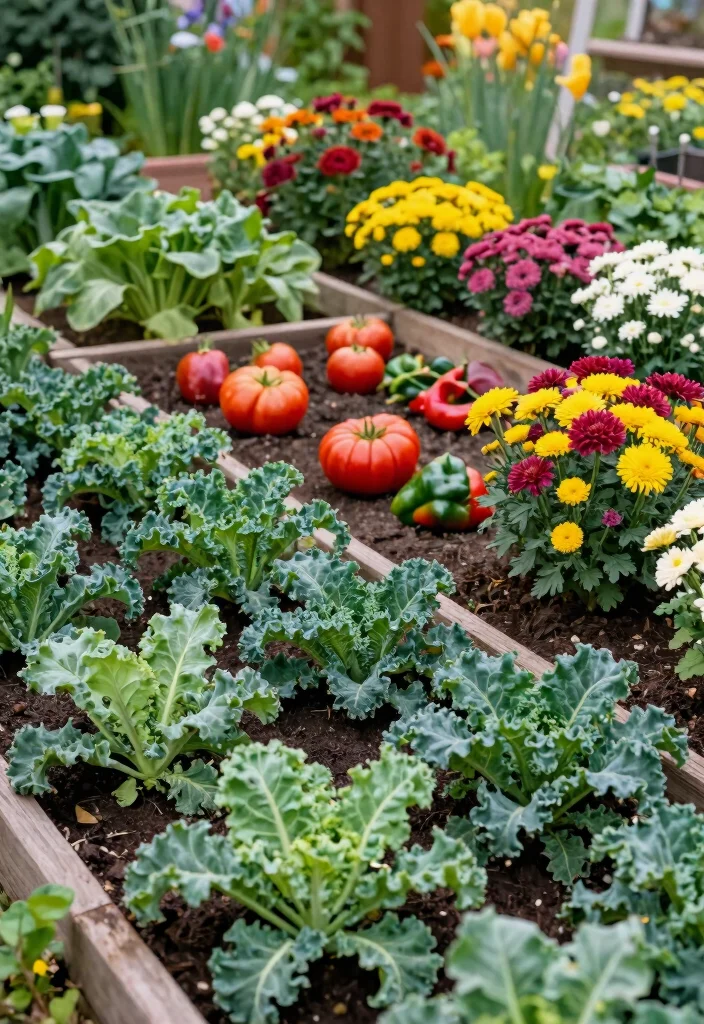
Looking to create a garden that changes with the seasons? Seasonal transition gardens focus on planting varieties that thrive during different times of the year, providing continuous beauty and yield. By choosing plants that bloom or produce in succession, you can enjoy fresh vegetables and vibrant flowers throughout the year.
For instance, plant cool-weather crops like kale and spinach in early spring, then transition to summer favorites such as tomatoes and peppers, and add fall blooms like chrysanthemums as temperatures cool.
Benefits:
– Maximizes productivity year-round.
– Adds visual interest as the garden evolves with the seasons.
Tips:
– Plan your planting schedule for smooth transitions.
– Combine vegetables with ornamental plants for added flair.
Seasonal transition gardens keep your raised beds looking beautiful and productive, regardless of the season!
Conclusion
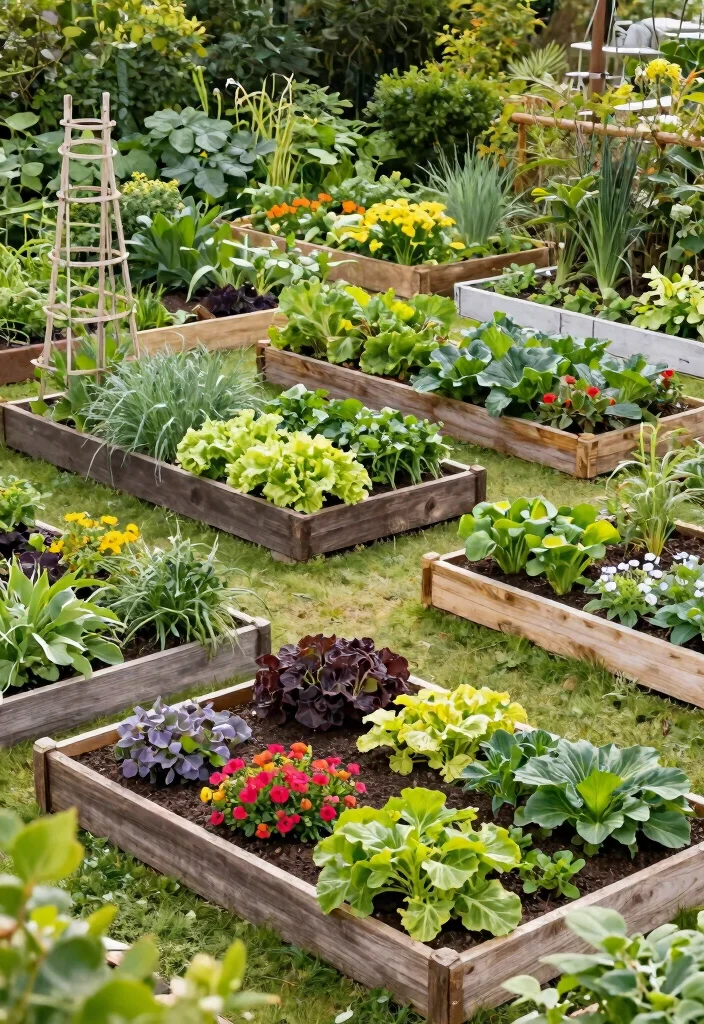
Transforming your garden into a stunning, productive space is more achievable than you think! With these raised bed veggie garden combo ideas, you can embrace both beauty and abundance. Whether you opt for vertical gardening, companion planting, or themed designs, your garden will not only look amazing but also yield delicious produce.
From rustic pallet gardens to colorful companion planting, the possibilities are endless. Get inspired and start crafting your unique garden oasis today!
Note: We aim to provide accurate product links, but some may occasionally expire or become unavailable. If this happens, please search directly on Amazon for the product or a suitable alternative.
This post contains Amazon affiliate links, meaning we may earn a small commission if you purchase through our links, at no extra cost to you.
Frequently Asked Questions
What are some raised bed vegetable garden ideas that are both beautiful and productive for vertical and compact spaces?
You can achieve raised bed vegetable garden ideas that maximize space and beauty in a vertical setup. Try a tall trellis at the back of a 4×8 ft bed for beans or cucumbers, with lettuce, spinach, and herbs in front. Build tiered or stacked raised beds to create multiple growing levels without a huge footprint. Mix crops with flowering companions to attract pollinators and deter pests, improving gardening aesthetics and yields. Use a simple, vegetable garden layout that keeps paths clear and water within reach. For sustainability, reuse compost, install a drip irrigation line, and mulch to retain moisture. These ideas also align with raised bed garden design principles that prioritize both function and beauty.
How can I design a raised bed garden layout to maximize yield and aesthetics?
To design a raised bed garden layout that delivers both yield and beauty, start with a simple floor plan: map sun, water access, and paths. Choose standard bed sizes (e.g., 4×8 ft) to keep your raised bed garden design efficient and accessible. Place tall or vining crops at the back or center for vertical support, with compact greens and herbs at the edges to maximize light for everyone. Group plants by compatible pairs to follow companion planting tips, and leave room for rotation each season. Keep watering simple with a drip line and mulch to reduce evaporation. This approach pairs a practical vegetable garden layout with thoughtful raised bed garden design for stunning results.
Which companion planting tips work best in raised bed veggie gardens, and how do they boost yield and resilience?
Companion planting tips can dramatically boost pest resistance and yields in a raised bed veggie garden. For example: plant basil with tomatoes to enhance flavor and deter pests; marigolds or nasturtiums to repel nematodes; beans can fix nitrogen for nearby corn or squash; dill near carrots to attract beneficial insects. Keep a balance to avoid overcrowding; use vertical supports to give climbers room. Rotate companions each season to keep soil healthy and sustainable gardening practices strong. Start with a simple partner-plant plan and adjust by observing what happens in your space.
What are practical, sustainable gardening practices for keeping a raised bed veggie garden healthy and low-maintenance?
Adopt practical, sustainable gardening practices to keep a raised bed veggie garden healthy with minimal fuss. Build a compost system and apply mulch to conserve moisture; install a rain barrel and a drip irrigation line for water efficiency. Practice crop rotation and cover crops to maintain soil fertility, and test soil every season. Select pest-resistant, local varieties to reduce chemical inputs. These steps align with sustainable gardening practices while keeping maintenance approachable in a vertical raised bed setup.
How can I balance gardening aesthetics with raised bed garden design and vegetable garden layout to produce abundantly?
Balancing gardening aesthetics with raised bed garden design and vegetable garden layout is easier than you think. Use consistent bed edges, a cohesive color palette (bright greens, deep purples, and warm wood tones), and attractive trellises or arches to add vertical interest. Place ornamentals like flowering herbs at borders to boost gardening aesthetics without sacrificing production. Choose a few high-yield crops for the core bed and mix in colorful greens or edible flowers for visual appeal. A thoughtful plan helps you produce abundantly while still enjoying a beautiful space.
Recommended Products


PVC-coated Garden Hoops: PVC coating provides excellent resistance to corrosion and weathering, additional strength and durability, protecting the garden hoop from damage caused by sunlight, rainwater, humidity, and other adverse elements; Excellent choice for constructing a hoop house frame providing a framework for covers like shade cloth, plastic film, garden netting, bird netting or insect netting.

Related Topics
raised bed gardening
vertical gardening
companion planting
sustainable gardening
vegetable garden design
aesthetic gardens
beginner friendly
easy gardening tips
urban gardening
seasonal veggies
container gardening