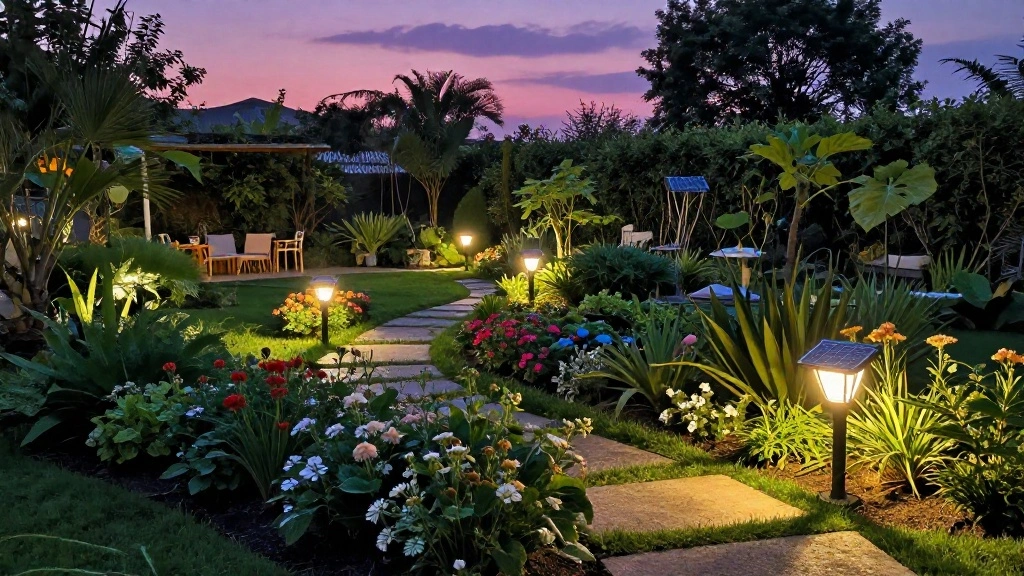
Are you torn between solar and wired outdoor lighting for your garden? This question is crucial for homeowners who want to enhance their outdoor spaces while considering energy efficiency and installation costs. Solar lighting offers flexibility and sustainability, while wired systems promise reliability and brighter illumination. In this article, I’ll explore the pros and cons of both options, helping you make an informed decision that suits your garden’s needs.
From understanding the initial investment to maintenance requirements, I’ll break down everything you need to consider before choosing your outdoor lighting solution.
TL;DR
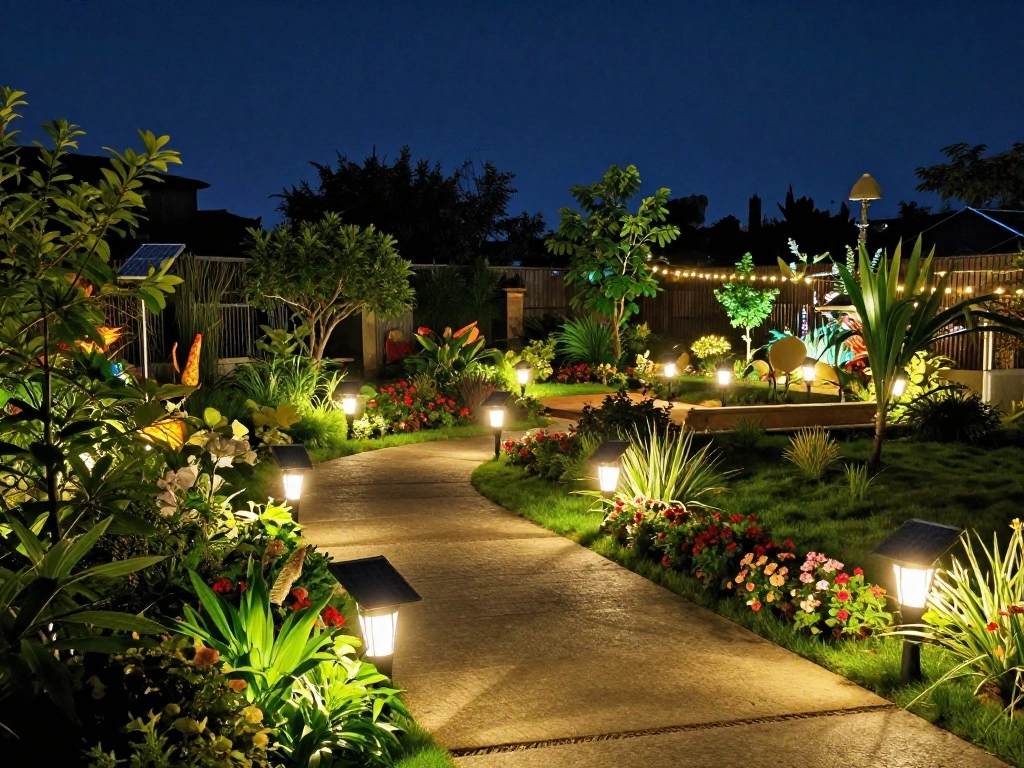
- Solar lights are eco-friendly and easy to install, making them great for DIY enthusiasts.
- Wired lighting systems provide more brightness and reliability, ideal for larger areas.
- Consider your garden’s layout and your budget when choosing between solar and wired options.
- Maintenance requirements differ, with solar lights needing battery replacements and wired systems requiring professional installation.
- Both options can enhance your garden’s aesthetics while improving safety at night.
Main Answer
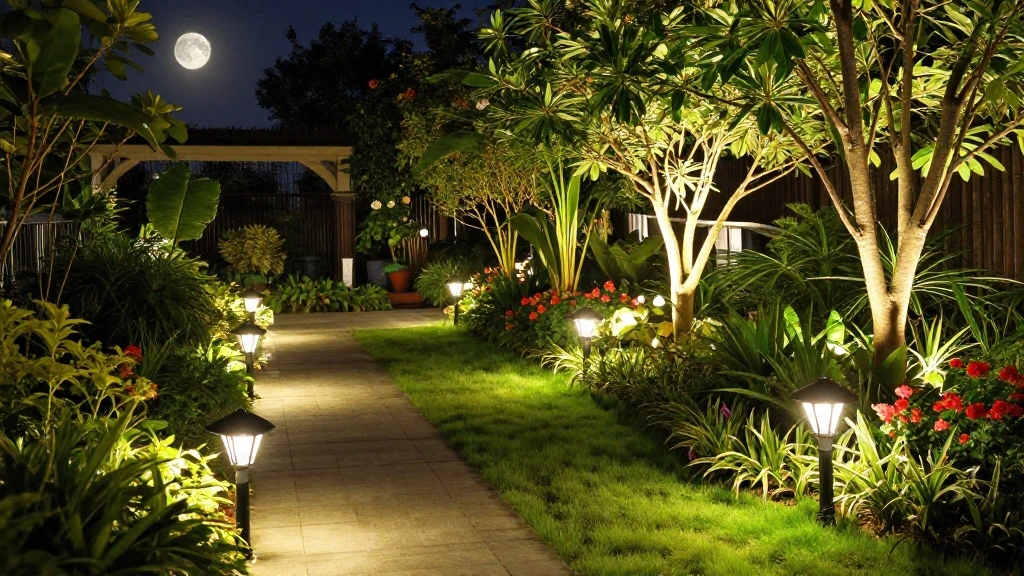
Understanding Solar Outdoor Lighting
Solar outdoor lighting systems harness the sun’s energy to power their LEDs. This option is incredibly appealing for environmentally conscious homeowners. Installation is simple—just place the lights where the sun shines, and they’re good to go. You won’t need to run any wires, which saves time and money. Solar lights come in various styles, from decorative lanterns to functional pathway lights.
One downside is that solar lights might not be as bright as wired options, especially on cloudy days or in winter months when sunlight is limited. However, advancements in solar technology have improved their efficiency and brightness. If you’re looking for an easy and sustainable way to light up your garden, solar lights are an excellent choice.
Recommended Products

All-Weather Porch Lights: Our outdoor sconce lights are built to last, made with durable metal and tough glass that can withstand any weather condition, from sunny days to snowy nights. Designed with high-quality materials, these outdoor light fixtures ensure long-lasting brightness and resistance to rust and corrosion, maintaining their flawless appearance year after year

All-Weather Durability: Featuring sturdy metal construction and clear tempered glass panels, the outdoor wall lantern is exceptionally resistant to rain, high temperature and even storm. Absolutely capable of providing you with excellent lighting all year round.

OUTDOOR LIGHTING: The OFTH Twin PAR Holder provides focused illumination for outside lights in residential and light commercial areas; These flood lights can be used as driveway lights, patio lights, and more
Exploring Wired Outdoor Lighting
Wired outdoor lighting systems are hardwired into your home’s electrical system, providing consistent and powerful illumination. These systems are ideal for larger gardens or spaces that require reliable lighting throughout the year. They offer a variety of styles and brightness levels, allowing you to customize your garden’s ambiance.
However, installation can be more complex and may require hiring an electrician, which can increase your overall costs. Additionally, wired systems need maintenance to ensure they remain functional, especially if installed outdoors where they may be exposed to the elements. If you prioritize brightness and reliability, wired lighting might be the better choice for your garden.
Key Takeaways
- Solar lights are easy to install and environmentally friendly.
- Wired lights provide brighter illumination and are better for larger areas.
- Consider your garden’s unique needs when choosing the right lighting.
Related Questions
Recommended Products

Solar garden lights: Each solar lights has 8 LEDs, adopt of the advanced, LED energy-saving, Ni-MH 600 solar lamp. 8-10 hours runtime with 8 hours of sunshine, save energy and be eco-friendly
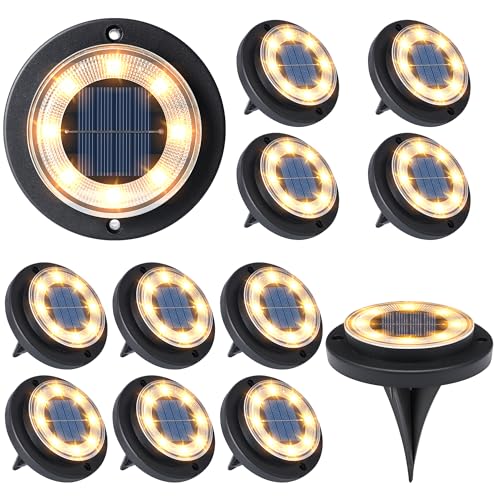
Waterproof : Our solar ground lights feature an improved hermetic seal, making them resistant to rain, snow, frost, and sleet. No need to worry about weather damage – they're built to last.

Balanced Modern Lighting with Upgraded Solar Panel: These upgraded solar pathway lights feature high-performance monocrystalline silicon solar panels. Compared to traditional amorphous silicon solar panels, TuyLuxe solar lights outdoor utilize 5V/250mA monocrystalline silicon solar panels with superior photovoltaic conversion efficiency. This means faster charging speeds and enhanced convenience—they not only elevate your outdoor decor but also provide soft, ambient illumination that perfectly complements gardens, lawns, patios, and walkways
What are the installation requirements for solar lights?
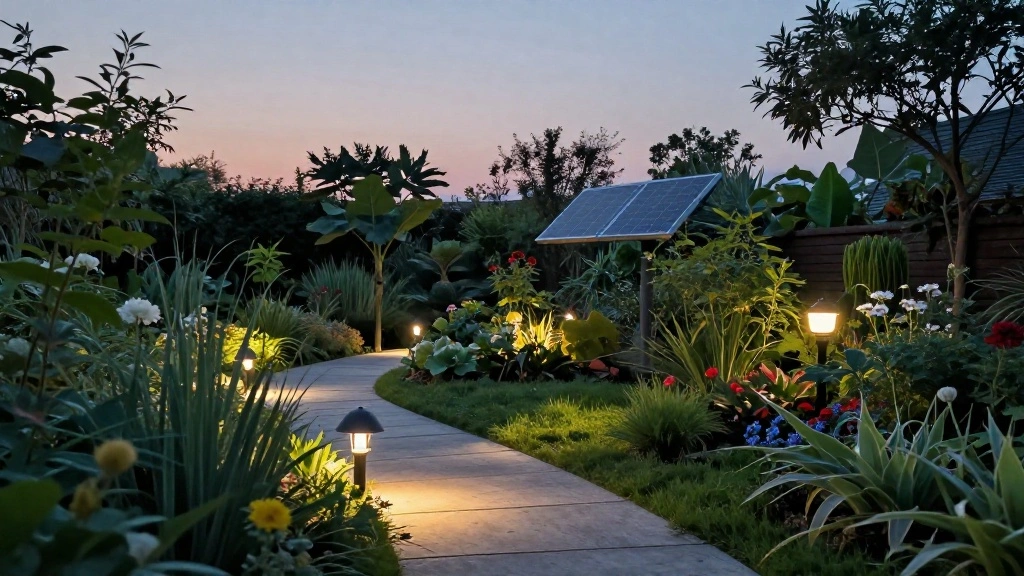
Installing solar lights is straightforward. You need to place them in areas that receive adequate sunlight throughout the day, typically 6-8 hours. Most solar lights come with stakes or mounts that allow for easy placement in the ground. Additionally, no wiring or electrical work is needed, making it a perfect DIY project.
How long do solar lights last?
Solar lights can last for several years, with the LED bulbs often exceeding 25,000 hours of use. However, the lifespan of the battery that powers them varies. Typically, rechargeable batteries need replacement every 1-3 years depending on usage and weather conditions.
Are wired lights more expensive to install?
Yes, wired lights can be more costly to install due to the need for professional electrical work. The installation involves running wires from your home’s electrical system to the desired locations in your garden. The total cost can vary based on the complexity of the installation and the number of lights needed.
Can solar lights work in shady areas?
Solar lights can work in shady areas, but their performance may be reduced. Insufficient sunlight can lead to dimmer lights or shorter operating hours at night. If you have a shaded garden, consider using solar lights that have a larger solar panel or look into wired options for consistent illumination.
What maintenance do solar lights require?
Solar lights require minimal maintenance, mainly cleaning the solar panels to ensure they absorb sunlight effectively. Additionally, you may need to replace the batteries every few years, depending on the quality and usage of your solar lights.
How can I enhance the brightness of my solar lights?
You can enhance the brightness of your solar lights by ensuring they are clean and positioned in areas with direct sunlight. Additionally, consider using solar lights with larger panels or higher-quality LED bulbs for better performance.
Do wired lights require any special features?
Wired lights can benefit from features like dimmers, timers, or smart home integration. These features allow you to control the brightness and timing of your lights, enhancing the overall experience of your garden lighting.
Which option is better for security lighting?
Wired lights are generally better for security lighting due to their consistent brightness and reliability. They can be strategically placed to illuminate dark areas and provide better visibility, which can deter unwanted visitors. Solar lights can also be used for security but may not offer the same level of illumination consistently throughout the night.
Conclusion
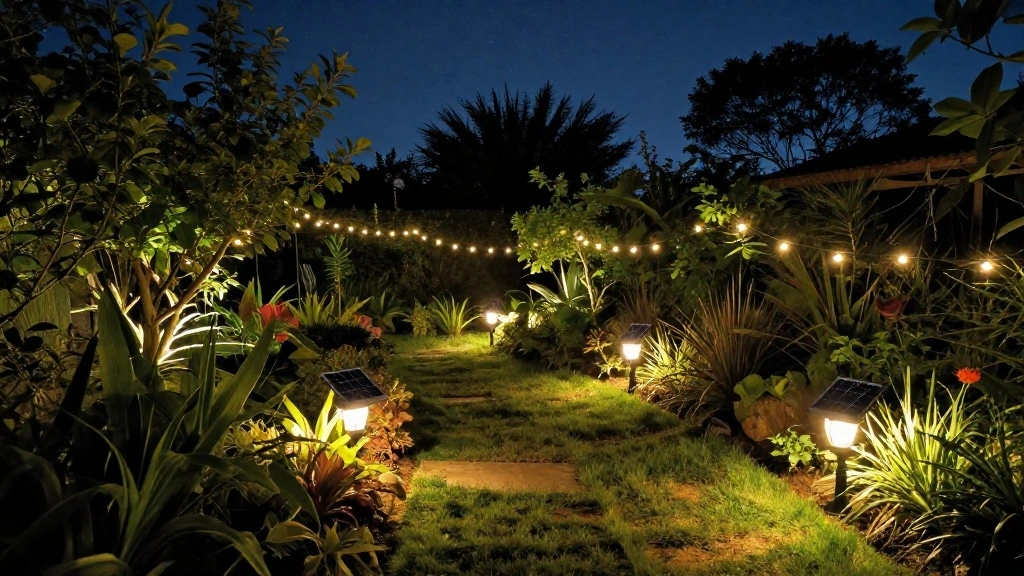
Choosing between solar and wired outdoor lighting depends on your garden’s specific needs and your personal preferences. If you prioritize sustainability and ease of installation, solar lights may be the best fit. They’re perfect for smaller spaces or areas where you want flexibility. On the other hand, if you need reliable, bright lighting for larger areas, wired systems offer the best solution.
Consider factors like your budget, garden layout, and maintenance preferences as you make your decision. Whichever option you choose, both solar and wired lighting can beautifully enhance your garden and create a welcoming ambiance at night.