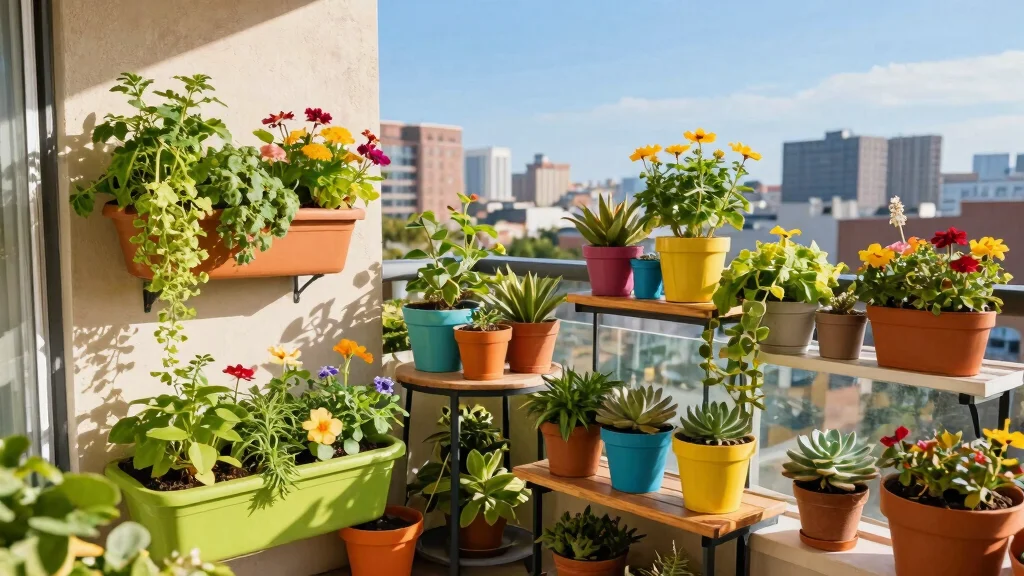
Urban living often comes with its own set of challenges, especially when it comes to gardening. If you’ve ever looked around your small apartment and thought, “I wish I could have a garden,” you’re not alone. Many city dwellers crave the green touch of plants but feel limited by their compact space. That’s why I created this post—to share some fantastic vertical container garden ideas that can turn your urban dwelling into a green haven.
If you’re someone who loves the idea of gardening but struggles with limited space, this guide is for you. Whether you’re a newbie or a seasoned gardener, these vertical gardening ideas will inspire you to grow your own fresh herbs, vibrant flowers, or even fruits right at home. You’ll find practical, space-saving designs that fit perfectly in your apartment, balcony, or even by a sunny window.
By exploring these 12 vertical container garden ideas, you’ll discover how to maximize your space while adding beautiful greenery to your life. From wall-mounted herb gardens to recycled pallet gardens, each idea is designed to be doable and fun. Get ready to bring a slice of nature into your urban environment!
Key Takeaways
– Versatile Solutions: Vertical container gardens are ideal for small spaces, allowing you to grow a variety of plants without needing a large area.
– Creative Designs: You can use everyday items like pallets and bottles to create unique garden designs that fit your style.
– Space-Saving Techniques: Techniques such as wall-mounting and tiered planters help utilize vertical space, making it easier to garden in tight spots.
– Easy Maintenance: Many vertical gardening ideas focus on low-maintenance plants, making it simple for busy urban dwellers to enjoy gardening.
– Fresh Produce at Home: With these ideas, you can grow your own herbs and vegetables, adding freshness to your meals while saving money.
1. Wall-Mounted Herb Garden
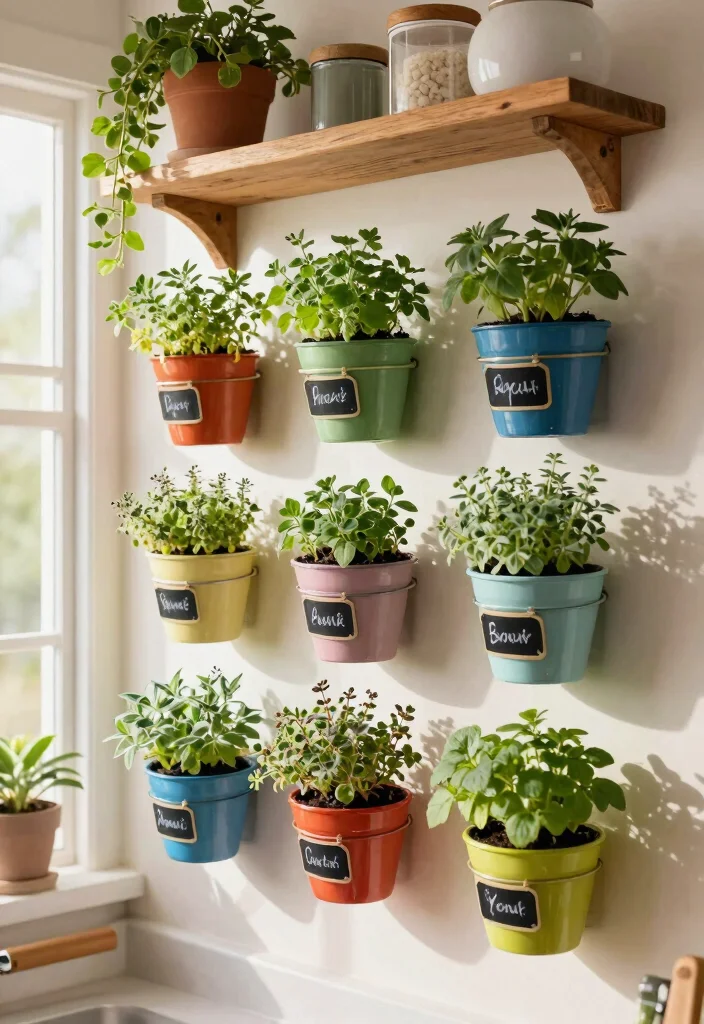
Imagine stepping into your kitchen or balcony and being greeted by the fresh aroma of herbs! A wall-mounted herb garden is an excellent way to incorporate greenery into your cooking space. By installing simple shelves or vertical planters in a sunny spot, you can grow herbs like basil, parsley, and mint right at your fingertips. This setup not only enhances your cooking but also adds a lively touch to your decor.
To get started, pick a spot that gets about 6-8 hours of sunlight daily. Consider using self-watering planters to keep your herbs hydrated, and don’t forget to rotate your pots occasionally for even growth. This approach turns unused wall space into a herb haven.
Key steps to create your herb garden:
– Choose a sunny wall or balcony area
– Install small shelves or vertical planters
– Select herbs that you frequently use in cooking
With a little planning, you can enjoy fresh herbs daily, making your culinary adventures even more delightful!
2. Recycled Pallet Garden
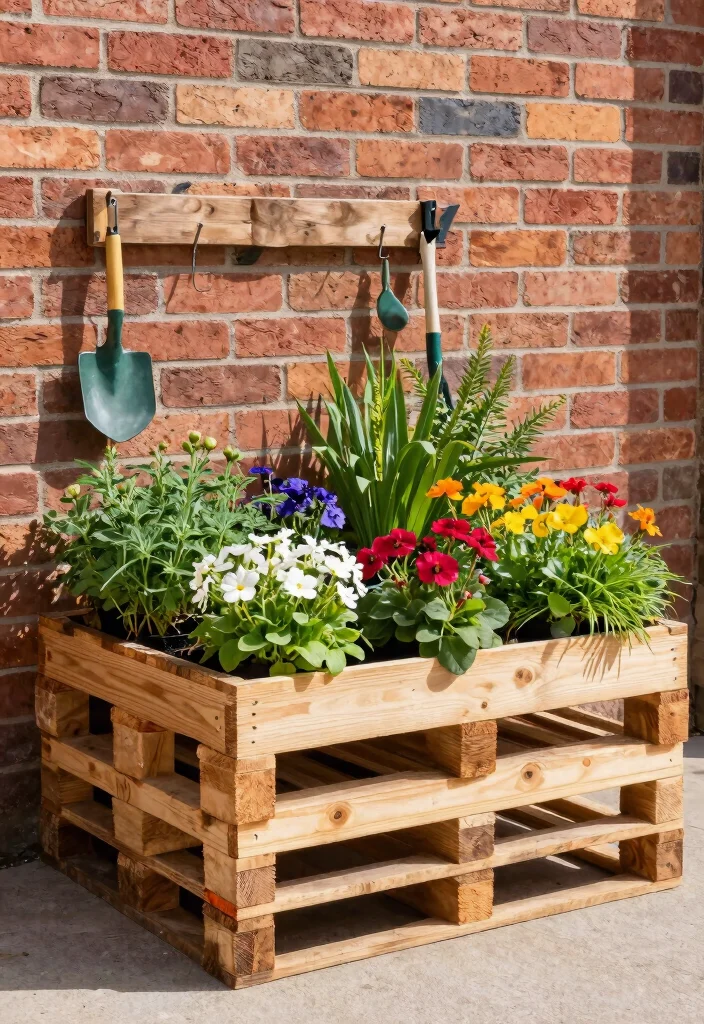
If you’re looking to be eco-friendly while gardening, a recycled pallet garden is a fantastic choice! By taking an old wooden pallet, sanding it down, and adding a splash of color, you can create a charming vertical garden. Fill the slats with soil and plant your favorite flowers or herbs for an eye-catching result that’s both stylish and sustainable.
Check to ensure your pallet is safe for planting and avoid any treated wood. Position it securely against a wall or fence, and consider using landscape fabric to keep the soil in place. This eco-conscious project not only beautifies your space but also makes use of materials that might otherwise be discarded.
Here’s how to get started:
– Sand and paint the pallet for a fresh look
– Fill with soil and plant herbs or flowers
– Secure the pallet to a wall for stability
With a little creativity, you can turn a simple pallet into a vibrant garden that showcases your personality while being kind to the planet!
Fun Fact: A recycled pallet garden can yield a surprising 12–20 herbs and small flowers in a compact vertical container setup. With good drainage and secure mounting, urban apartment dwellers transform tiny walls into a thriving vertical container garden.
3. Hanging Bottle Garden
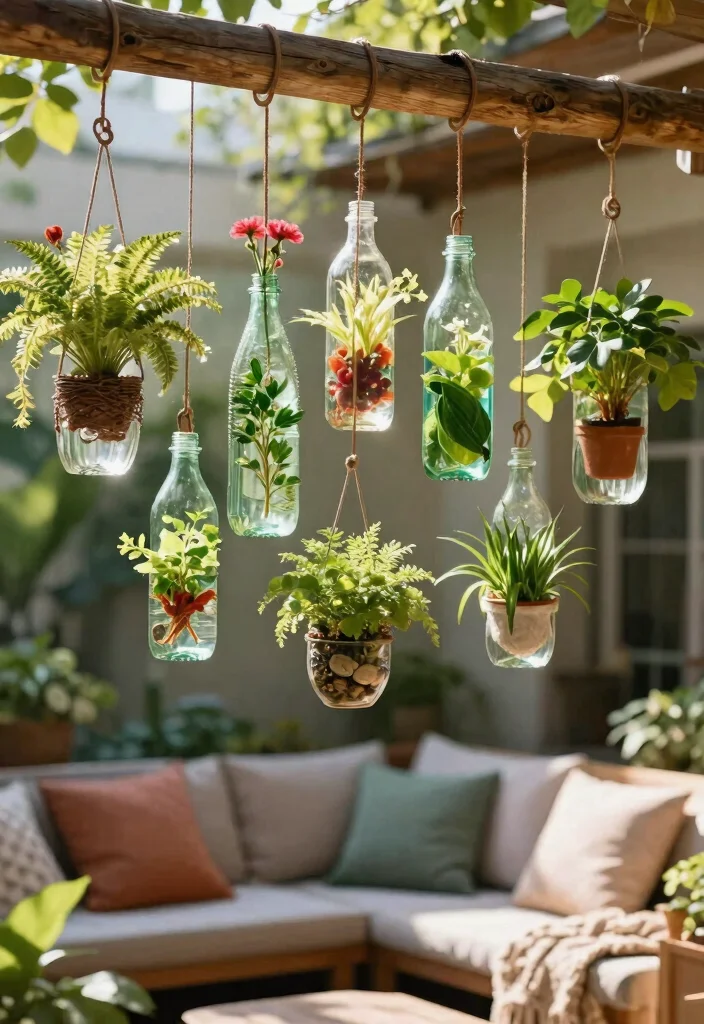
Get creative with your gardening by transforming plastic bottles into a hanging garden! Cut the bottles in half, fill them with soil, and hang them using sturdy twine or hooks. This innovative idea is perfect for growing trailing plants or even delicious strawberries, adding a playful touch to your space.
This method not only recycles plastic but also makes great use of vertical space. Start with smaller bottles for lighter plants, and be sure to create drainage holes to prevent waterlogging. You can even decorate the bottles with paint or fabric to add a personalized flair to your garden.
Key points to consider:
– Cut bottles for planting and create drainage holes
– Hang at different heights for visual interest
– Use lightweight plants for easy maintenance
A hanging bottle garden not only saves space but also serves as a unique conversation starter, bringing a fresh vibe to your home!
4. Tiered Planter Stands
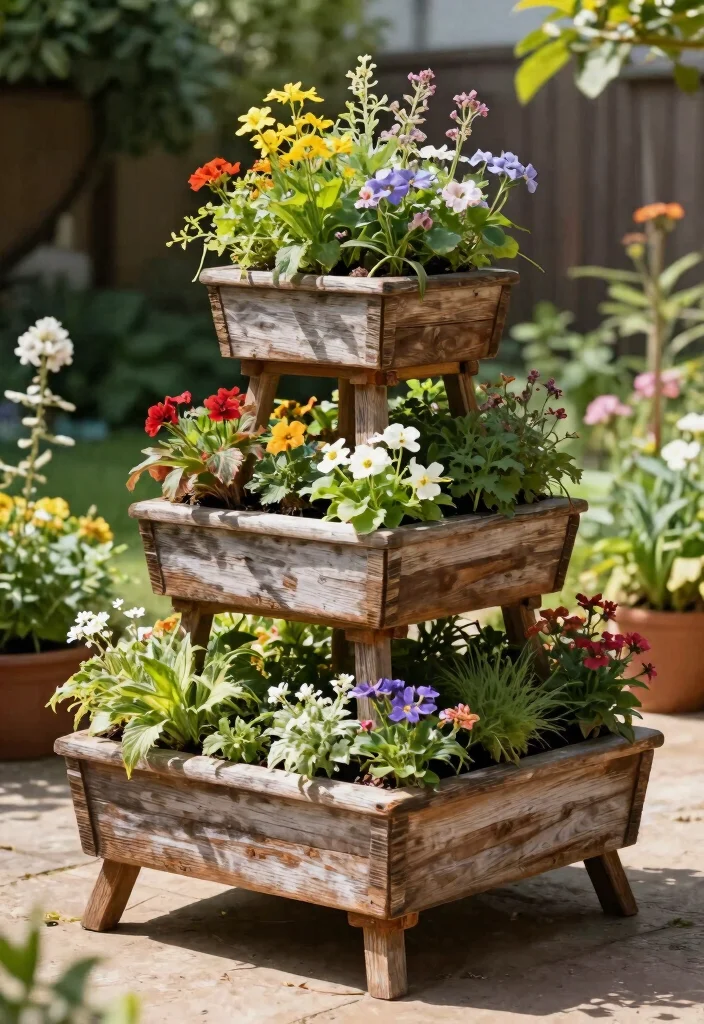
If you have a bit more space, tiered planter stands offer a beautiful vertical option for your plants. These stands, made from wood or metal, come in various heights and styles, allowing you to showcase an array of plants in a stunning display. Perfect for maximizing sunlight exposure, they create a captivating focal point.
Arrange plants with similar sunlight and water needs together for optimal growth. Choose stands that fit your desired aesthetic, whether that’s rustic, modern, or industrial. Mixing trailing and upright plants adds a dynamic look to your tiered garden.
Here’s how to build your tiered garden:
– Select a tiered stand that suits your style
– Group plants by their care needs
– Add decorative elements for flair
With tiered planters, you’ll not only save space but also elevate your garden into a visual masterpiece that you can enjoy all year round!
Tiered planter stands turn small spaces into big-green statements. Place sun-loving plants on the top tier and shade-tolerant varieties lower down, and suddenly your vertical container garden becomes a personal focal point you can actually care for.
How To Choose the Right Vertical Container Garden
When you decide to create a vertical container garden, selecting the right elements is crucial for success. Here are some key criteria to help you make informed decisions.
1. Size
Consider your available space before choosing containers. Measure the area where you plan to place your vertical garden. Compact designs work well in small spaces, while larger areas can accommodate more extensive setups. A simple wall-mounted unit can be ideal for a balcony, while a tiered planter can fit in a corner of your living room.
2. Material
The material of your containers significantly impacts the durability and aesthetics of your vertical garden. Options include wood, plastic, metal, and fabric. Wood gives a natural look but may require treatment to resist moisture. Plastic is lightweight and affordable, making it easy to move around. Metal can add a modern touch but might retain heat, which can affect plant health.
3. Drainage
Good drainage is essential for the health of your plants. Ensure your containers have adequate holes at the bottom to prevent waterlogging. Consider using pots with built-in trays or adding gravel at the base of your containers. This will keep roots healthy by allowing excess water to escape.
4. Plant Types
Choosing the right plants for your vertical container garden is vital. Look for space-saving plants that thrive in limited soil, such as herbs, succulents, or strawberries. These plants not only maximize space but also provide beauty and functionality. If you have limited sunlight, opt for shade-tolerant varieties like ferns or leafy greens.
5. Light Requirements
Different plants have varying light needs. Assess the light conditions of your chosen spot. If your area receives full sun, consider sun-loving plants like tomatoes or peppers. For partially shaded areas, select plants like mint or lettuce. Ensure your vertical garden aligns with the light preferences of your selected plants to promote healthy growth.
6. Budget
Establishing a vertical container garden can fit various budgets. Decide how much you want to spend on containers, soil, and plants. DIY options, like using recycled materials, can be budget-friendly. However, investing in quality containers and soil can yield better results and longevity.
Pro Tip: Start small and expand gradually. This allows you to evaluate what works best in your space and make adjustments as needed. Keep a gardening journal to track plant growth and health, helping you refine your garden over time.
By carefully considering these factors, you can create a thriving vertical container garden that suits your space and preferences. Happy gardening!
5. Vertical Succulent Wall
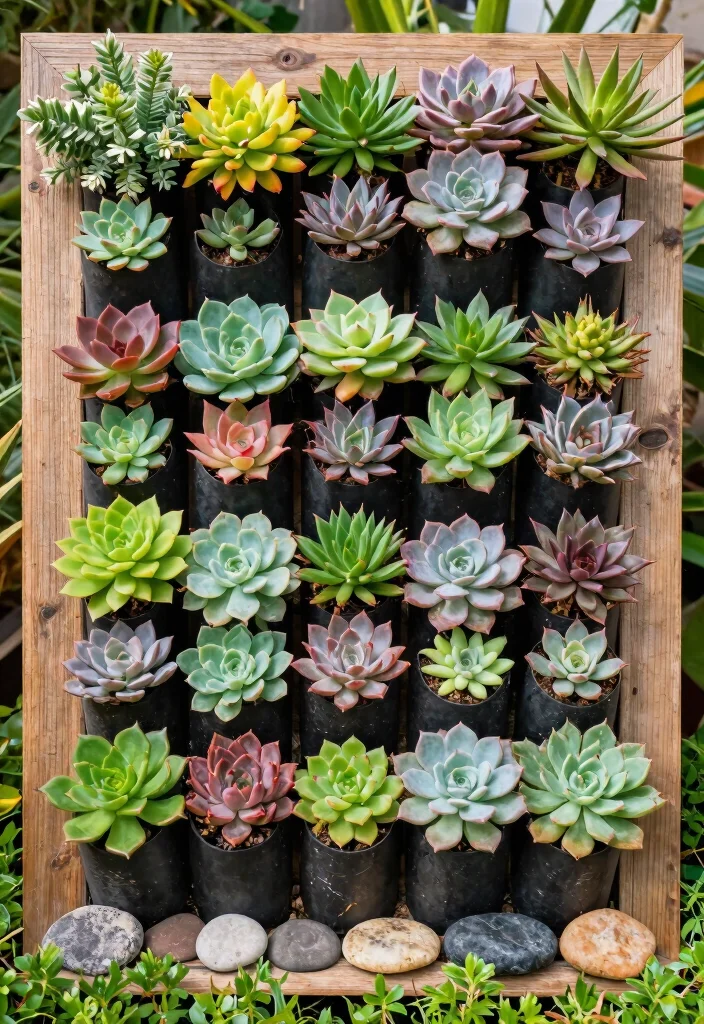
Create a stunning vertical display with a succulent wall! Using a wooden frame and small planters or pockets, arrange succulents in various shapes and colors for a breathtaking effect. This low-maintenance option thrives in bright, indirect light, making it perfect for urban living.
Ensure your planters have plenty of drainage holes to keep your succulents healthy. Mixing textures and shapes can add depth to your display, while decorative stones provide contrast and interest. This beautiful wall will not only brighten your space but also require minimal watering.
Consider these steps for your succulent wall:
– Use a wooden frame to hold planters
– Arrange succulents for visual appeal
– Add stones for decoration
A vertical succulent wall is a wonderful way to infuse your home with a touch of the desert, creating a unique oasis right in your living space!
6. Vertical Garden Trellis
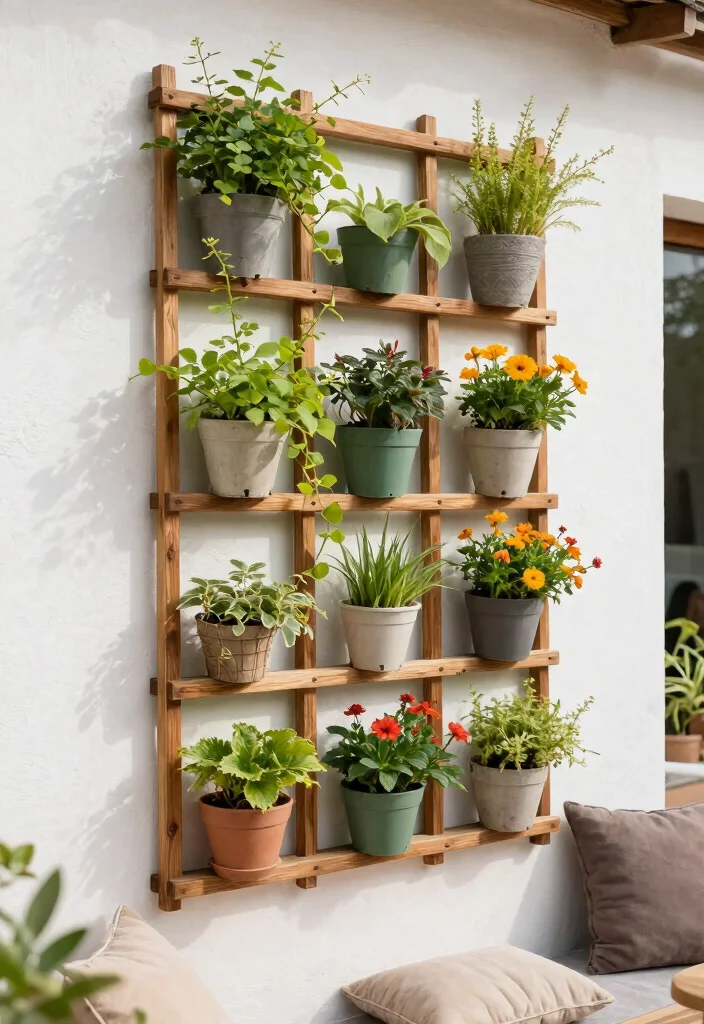
Turn an ordinary wall into a lush vertical garden with a trellis! By installing a trellis against a wall and placing small pots along it, you can grow climbing plants like peas, beans, or beautiful decorative vines. This method capitalizes on upward growth, making it ideal for small spaces.
Choose a sturdy trellis that can support your plants as they grow. Train them to climb for a full effect and mix edible plants with ornamental ones for a diverse garden. This setup not only beautifies your area but also provides fresh produce right at your doorstep.
Here’s how to create your vertical trellis garden:
– Install a strong trellis against a wall
– Select climbing plants that thrive together
– Personalize the trellis with paint or decorations
A vertical trellis garden allows you to enjoy a lush green space while maximizing your growing potential!
7. Vertical Strawberry Planters
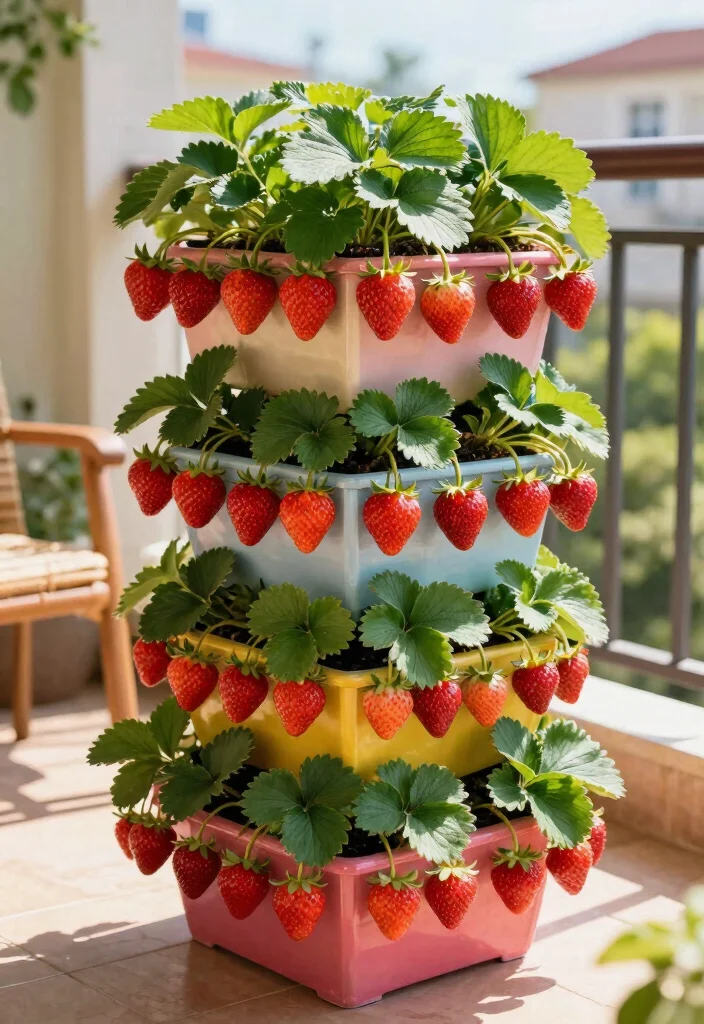
Who can resist fresh strawberries? A vertical strawberry planter lets you enjoy these sweet fruits while making the most of your space. These planters can be stacked or tiered, ensuring each plant gets plenty of sunlight and creates a delightful display.
Strawberries grow wonderfully in containers, and a vertical setup promotes air circulation, reducing disease risks. Use a nutrient-rich potting mix and select everbearing varieties for a continuous harvest throughout the season. Regular watering is crucial, especially in dry periods.
Key tips for your strawberry planters:
– Use quality potting mix for best results
– Decorate containers for visual appeal
– Monitor moisture levels closely
With vertical strawberry planters, you’ll create a mini fruit farm on your balcony, rewarding your efforts with delicious, homegrown strawberries!
8. Window Box Vertical Garden
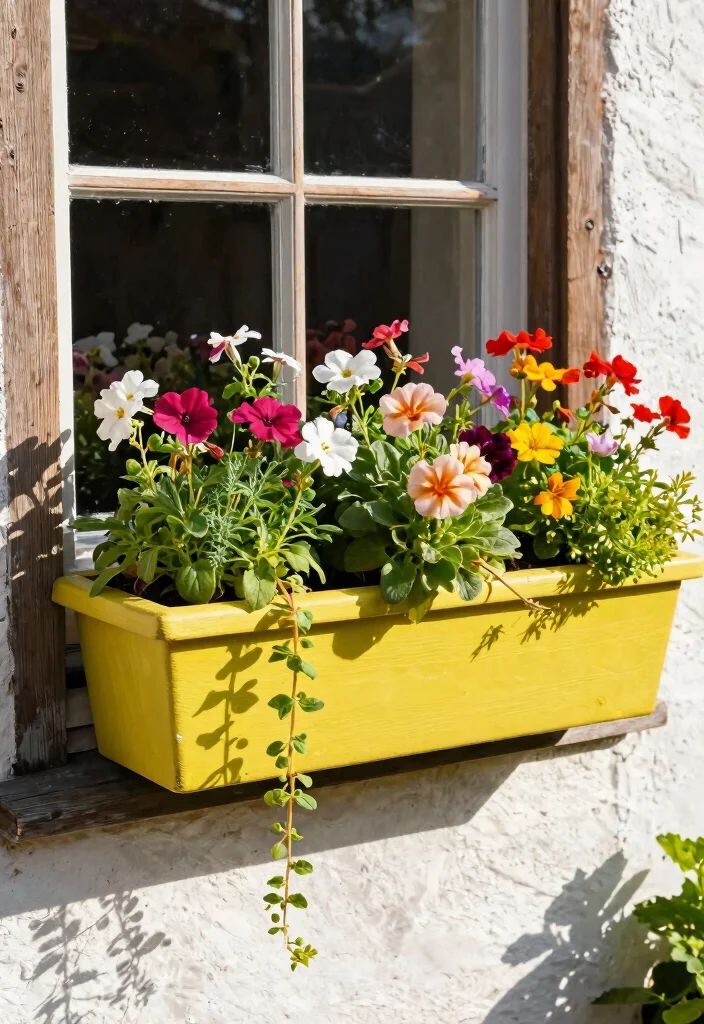
If you have a window sill, a vertical window box garden is a fantastic way to brighten your space! These boxes can be hung or mounted on your window frame, allowing you to grow a mini garden that enhances your view. Perfect for herbs, flowers, or small vegetables, they maximize sunlight and bring life to any room.
Opt for lightweight containers to avoid straining your window frame, and consider self-watering options for easy maintenance. Trailing plants can create a lush cascade of greenery, adding charm to your home.
Steps to create your window box garden:
– Choose suitable lightweight containers
– Select plants that thrive in sunlight
– Decorate boxes to match your home’s style
A vertical window box garden lets you enjoy gardening right from your home, bringing nature closer to your everyday life!
9. Gutter Garden
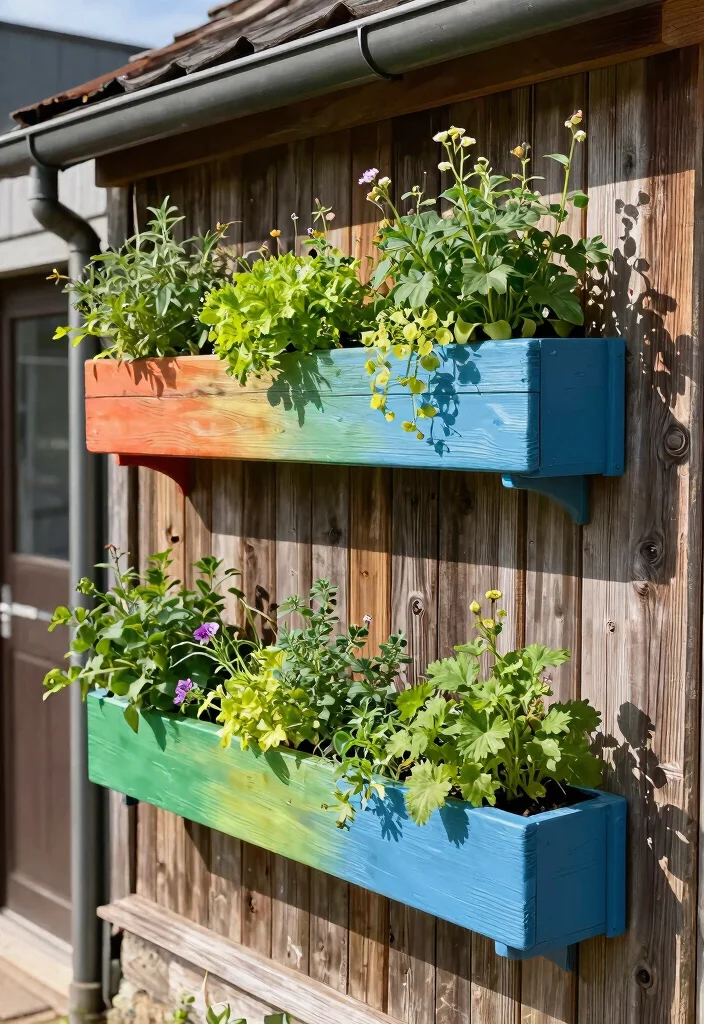
Don’t toss out those old gutters! Repurpose them into a stylish gutter garden that hangs off walls or railings. This unique idea allows you to plant shallow-rooted plants like lettuce, herbs, or small flowers, creating an attractive and functional space.
Gutter gardens save space and provide a distinctive look that will surely catch attention. Be sure to drill drainage holes for proper water flow, and use brackets to securely mount them. Choose plants that do well in shallow containers for best results.
Here’s how to set up your gutter garden:
– Ensure proper drainage with drilled holes
– Securely fasten gutters to walls or fences
– Select plants that thrive in shallow soil
A gutter garden is a wonderful example of how you can recycle materials while creating a charming urban gardening solution!
Fun fact: A gutter garden can add 4–6 feet of usable vertical container garden space to a tiny balcony. That’s enough room for lettuce, herbs, and small flowers in a vertical container garden on a tiny balcony. Turn walls into harvests with brackets and proper drainage.
10. Vertical Fruit Garden
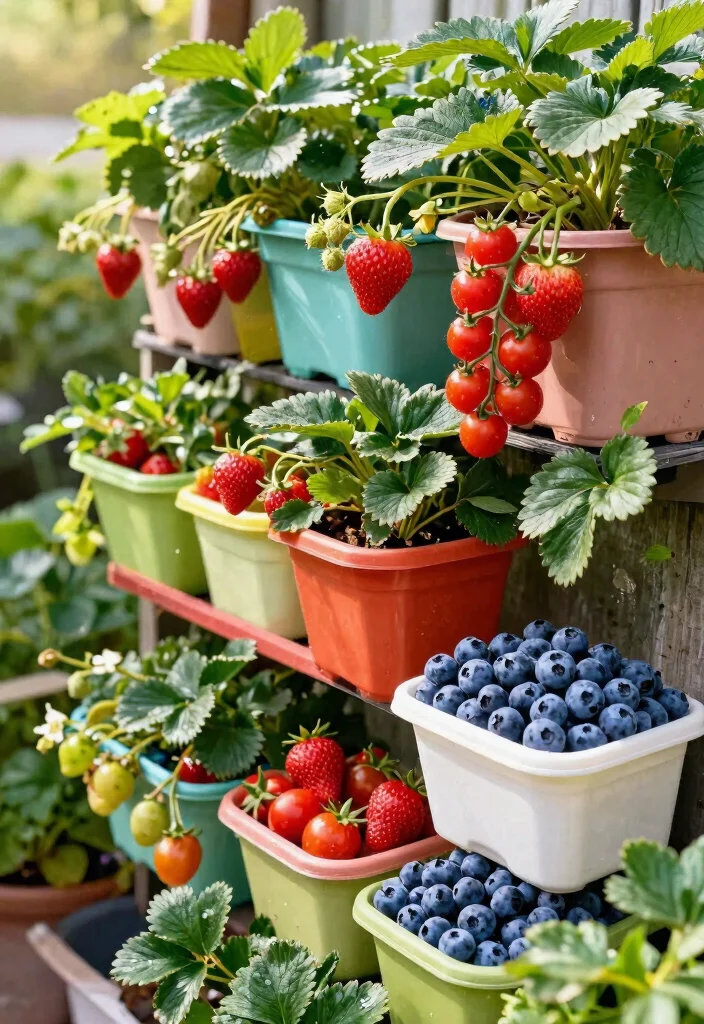
Create a vertical fruit garden using various containers to maximize your harvest potential. Stacking pots or hanging containers are perfect for growing strawberries, blueberries, or cherry tomatoes, bringing fresh produce right to your apartment!
This method allows you to enjoy delicious fruits without dedicating large areas of your space. Choose dwarf varieties for easier management and ensure containers have enough depth for root growth. Using trellises for climbing plants like tomatoes adds support and style.
Steps for your vertical fruit garden:
– Select appropriate containers for your plants
– Use colorful pots for visual appeal
– Regularly prune plants for healthy growth
With a vertical fruit garden, you not only cultivate food but also enhance your urban living experience, all while enjoying the beauty of nature!
11. Macramé Hanging Planters
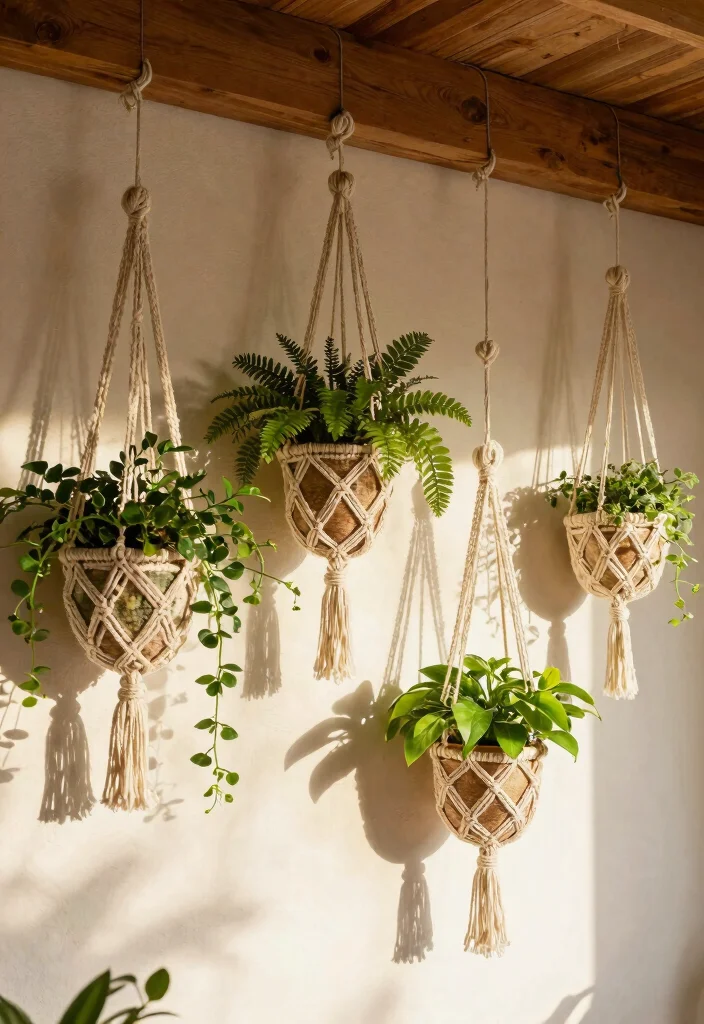
Add a bohemian flair to your vertical container garden with macramé hanging planters! These stunning hand-knotted hangers can hold a variety of plants, from trailing vines to ferns, and can be hung from ceilings, balconies, or wall hooks for a layered effect.
Macramé planters save space by lifting plants off surfaces while adding texture and warmth to your decor. Choose sturdy macramé that can support your plants’ weight and mix heights for an eclectic look. Plants like pothos or spider plants thrive beautifully in these hangers.
Key tips for using macramé planters:
– Select strong cords capable of supporting your plants
– Personalize with decorative beads for added charm
– Water carefully to avoid soggy roots
Macramé hanging planters are a stylish way to incorporate greenery into your home while showcasing your creativity and craft skills!
12. Vertical Container Stack
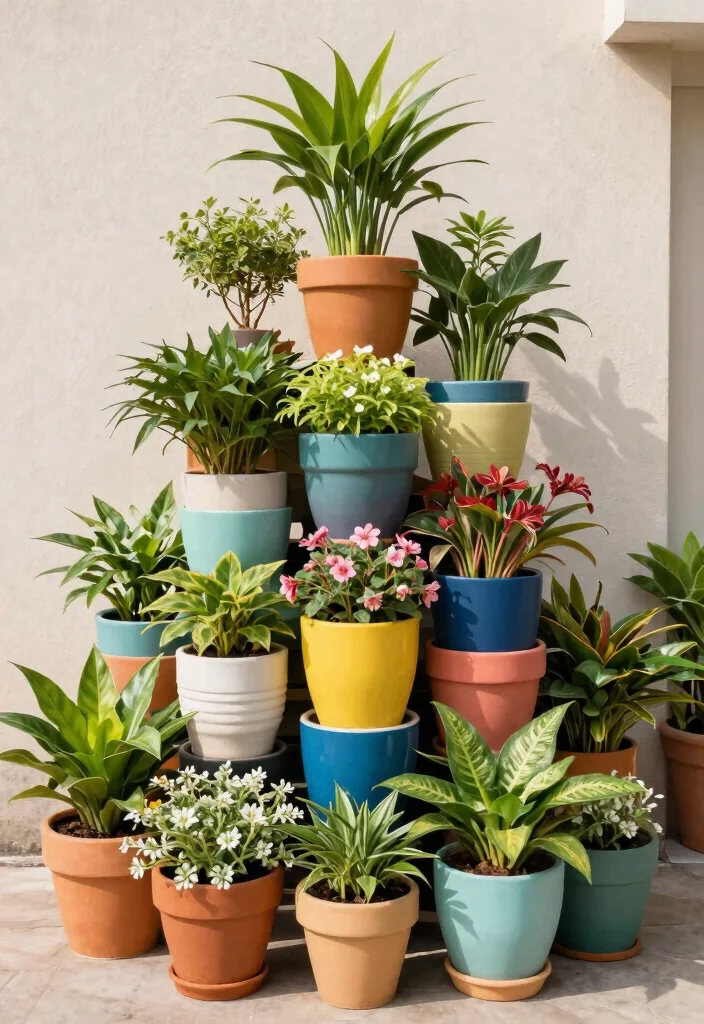
For a creative gardening solution, try a vertical container stack! By stacking pots of varying sizes on top of each other, you can create a mini tower of greenery. This idea works well for flowers, herbs, or small vegetables, making for a captivating focal point.
This setup optimizes space by utilizing verticality without requiring extensive ground area. Secure the pots together using connectors or sturdy twine and choose plants with similar care needs for easy maintenance. Personalize your pots with paint or labels to match your style.
Steps to create your container stack:
– Securely stack pots of different sizes
– Select plants with similar care requirements
– Add decorative elements for a unique touch
A vertical container stack can transform your gardening experience, turning a compact area into a vibrant, living work of art!
Conclusion
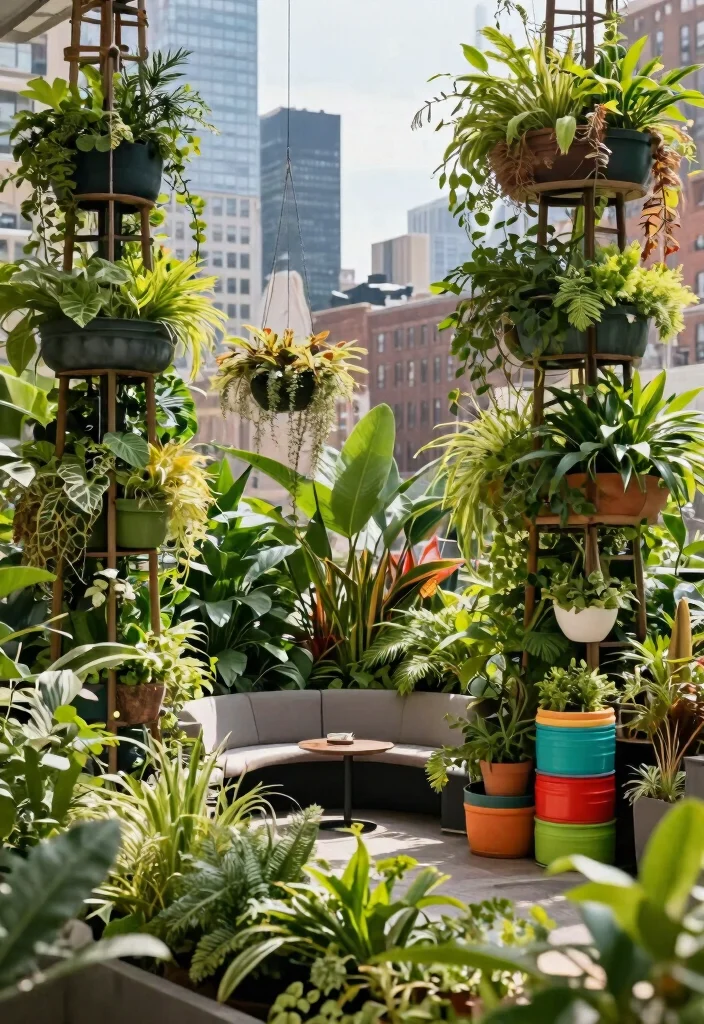
Vertical container gardening is a revolutionary way for urban dwellers to create stunning green spaces while maximizing every inch of available area. Each idea presented in this article offers a unique solution that not only enhances your environment but also allows you to connect with nature amidst the bustling city life.
Whether you opt for a macramé hanging planter or a recycled pallet garden, the possibilities are endless! Embrace the joy of gardening, share your journey, and inspire others to transform their small spaces into lush escapes. The world of vertical gardening awaits!
Note: We aim to provide accurate product links, but some may occasionally expire or become unavailable. If this happens, please search directly on Amazon for the product or a suitable alternative.
This post contains Amazon affiliate links, meaning we may earn a small commission if you purchase through our links, at no extra cost to you.
Frequently Asked Questions
What exactly is a vertical container garden and why is it perfect for small spaces?
A vertical container garden grows plants upward using walls, shelves, pockets, or hanging systems instead of spreading out on the ground. It’s perfect for small spaces because it frees floor space, maximizes light exposure, and turns even a balcony, hallway, or sunny wall into a productive growing area.
For apartment dwellers, you can build a compact herb wall near the kitchen or a green accent on a balcony rail. Here’s how to get started: assess your sun exposure, sketch a simple layout that fits your wall, choose lightweight, well-draining containers, and pick space-saving plants like herbs (basil, chives), leafy greens, and compact tomatoes.
When you combine smart container garden design with practical vertical gardening techniques, you’ll boost yields without crowding your living space.
Which plants are best for a vertical container garden in urban apartments?
Aim for space-saving plants with similar water and light needs. Good picks include herbs such as basil, cilantro, mint, and thyme; leafy greens like lettuce, arugula, baby kale; compact cherry tomatoes; peppers, strawberries, and edible petite varieties. Choose varieties labeled for container or dwarf performance.
Put sun-loving plants in the brightest spots and shade-tolerant ones in indirect light. Use a simple grouping strategy: herbs on upper tiers that need frequent harvesting, greens in middle, fruiting plants lower if needed. Water consistently and feed with a light, balanced fertilizer. This approach aligns with urban gardening ideas and space-saving plants goals.
What are easy vertical gardening techniques for beginners?
Start with a clear plan and choose a modular system (pocket planters, hanging baskets, or thin-wall shelves) so you can expand later.
Use proper drainage and lightweight growing media (coco coir, potting mix) to keep weight manageable. Install a simple irrigation option, like a gravity-fed drip line or self-watering wicks, to save time and water. Use trellises or vertical cages for vining crops and rotate crops every season to reduce pests and disease.
These are practical vertical gardening techniques that work great for vertical container garden setups in small spaces.
How can I design a budget-friendly vertical container garden for an apartment?
Start by measuring your available wall or balcony space and decide on a system that’s affordable and reusable. DIY options include fabric shoe organizers, tension-wire shelves, or repurposed pallets as a frame.
Use lightweight, stackable planters or fabric pockets to reduce weight and clutter. Use inexpensive soil mixes and compost where possible, and emphasize herbs and greens that don’t require heavy soil. Plan for near-window placement to maximize sun and color coordination for a cohesive look.
With these approaches you can achieve a stylish container garden design that saves space and money while delivering fresh produce.
What maintenance tips will help my vertical garden thrive in a city apartment?
Water consistently with root-friendly moisture, check drainage weekly, and adjust as plants grow. Prune regularly to maintain airflow and encourage bushier growth, and harvest often to keep production up. Watch for pests like aphids and whiteflies; wipe leaves, rinse with water, or use a gentle soap spray if needed. Fertilize every 2-4 weeks with a balanced fertilizer, especially in container soil that dries out quickly. Rotate crops when possible to prevent nutrient depletion and keep plants productive.
With proper care, your vertical container garden will thrive in urban spaces and provide ongoing harvests.
Related Topics
vertical container garden
small space gardening
urban gardening
container garden design
space-saving plants
easy gardening
beginner friendly
vertical gardening techniques
apartment gardening
DIY vertical garden
eco-friendly gardening
trending garden ideas