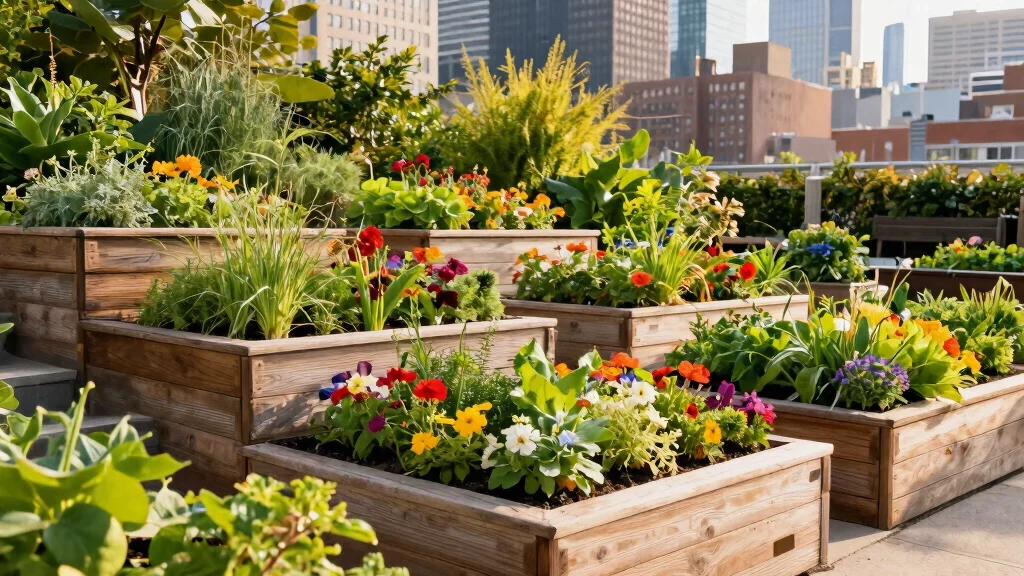
Gardening has me craving fresh ideas, especially when it comes to making the most of limited space. If you’re someone who loves nurturing plants but struggles with small areas, you’re not alone. Urban gardening is on the rise, and finding creative ways to grow your own vegetables, herbs, and flowers is more important than ever. That’s why I pulled together 15 tiered raised bed garden ideas that are clever, space-efficient, and perfect for any urban setting.
These tiered raised beds are game-changers for small space gardening. They not only maximize your growing area but also add an attractive element to your yard or balcony. Whether you have a tiny patio or a small backyard, this guide will inspire you to embrace vertical gardening with tiered designs. Each idea is practical and easy to implement, so you can dive right into creating your dream garden without feeling overwhelmed.
With these 15 creative designs, you’ll discover how to transform any underutilized space into a lush, productive garden. From rustic wooden pallet gardens to stylish metal tiered beds, there’s something for everyone. You’ll walk away with actionable tips and inspiration to start your vertical gardening adventure today. Let’s dig in and explore these innovative tiered raised bed garden ideas!
Key Takeaways
– Maximize space: Tiered raised beds allow you to grow more plants in less area, making them ideal for urban environments.
– Vertical gardening: Elevate your planting by using vertical designs, which create visual interest and make maintenance easier.
– Creative designs: Explore various materials and styles, from rustic wood to modern metal, to fit your personal taste and garden aesthetics.
– DIY-friendly: Many of these ideas can be crafted at home, making it accessible for anyone ready to get their hands dirty.
– Enhance productivity: By utilizing vertical space effectively, you can enjoy a greater yield of fresh produce and vibrant flowers.
1. Rustic Wooden Pallet Gardens
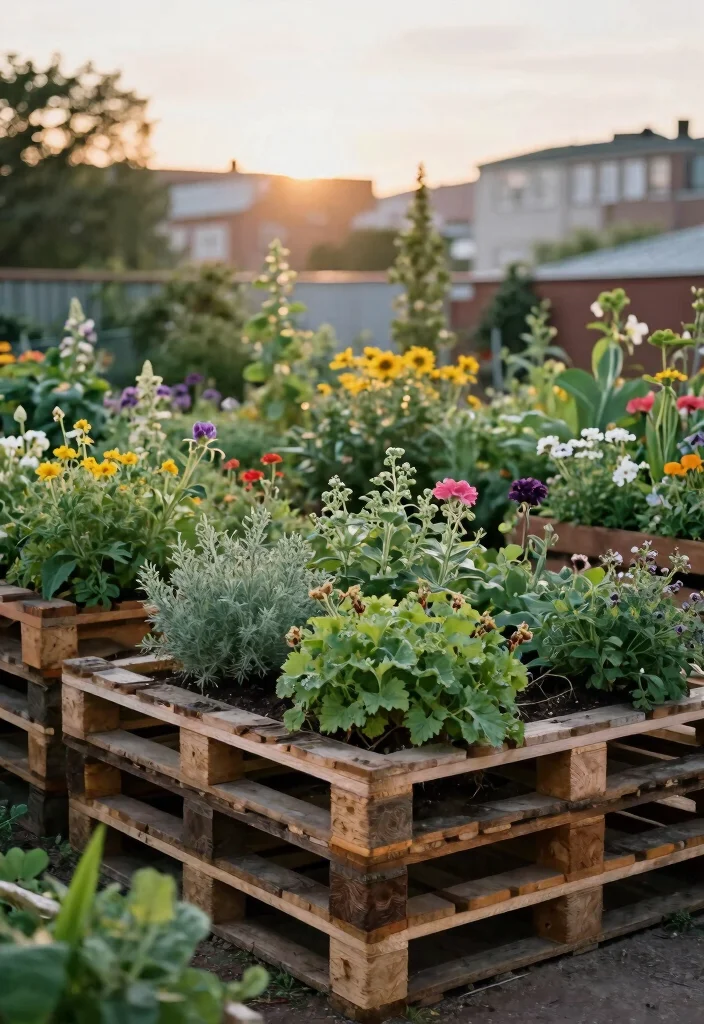
Are you looking for a creative way to use old wooden pallets? Transforming them into tiered raised beds not only repurposes materials but also adds a rustic charm to your garden. Stack your pallets securely and fill them with nutrient-rich soil to create a beautiful growing space that thrives on simplicity.
Consider planting a delightful mix of herbs, vibrant flowers, or even small vegetables. The open design of the pallets ensures good drainage and air flow, fostering healthier plants. For a pop of color, paint the pallets or decorate with stones and other visual elements.
Key steps to get started:
– Gather old wooden pallets.
– Securely stack them for stability.
– Fill with quality soil mix.
– Plant your choice of herbs, flowers, or veggies.
Your garden will not only be functional but will also serve as an eye-catching centerpiece in your outdoor space!
2. Vertical Garden Boxes
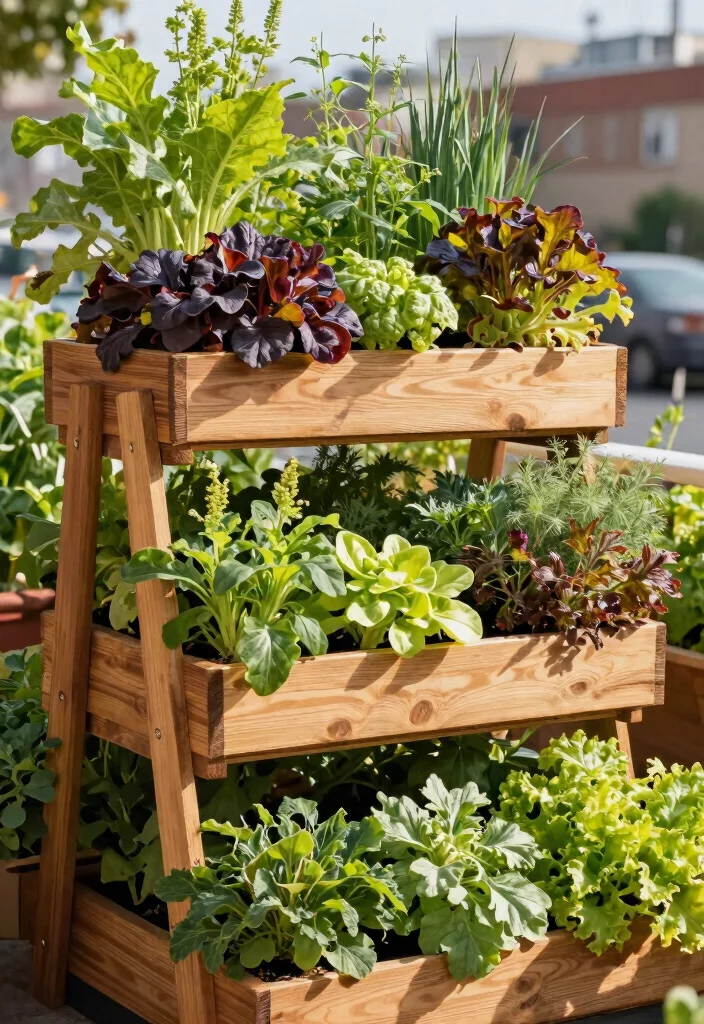
Maximize your gardening potential with vertical garden boxes! These versatile raised beds can be customized in height and shape to fit your space perfectly. Imagine growing strawberries at the top, lettuces in the middle, and root vegetables below, all in one compact box.
This tiered approach enhances light exposure and simplifies watering. To further improve efficiency, consider adding a drip irrigation system or trellises for climbing plants like peas and beans.
Steps to create your vertical garden:
– Choose box dimensions based on your space.
– Assemble vertical boxes with sturdy materials.
– Layer quality soil for optimal growth.
– Plant herbs or vegetables according to light needs.
This design conserves space while infusing modern style into your garden!
3. Cinder Block Planters
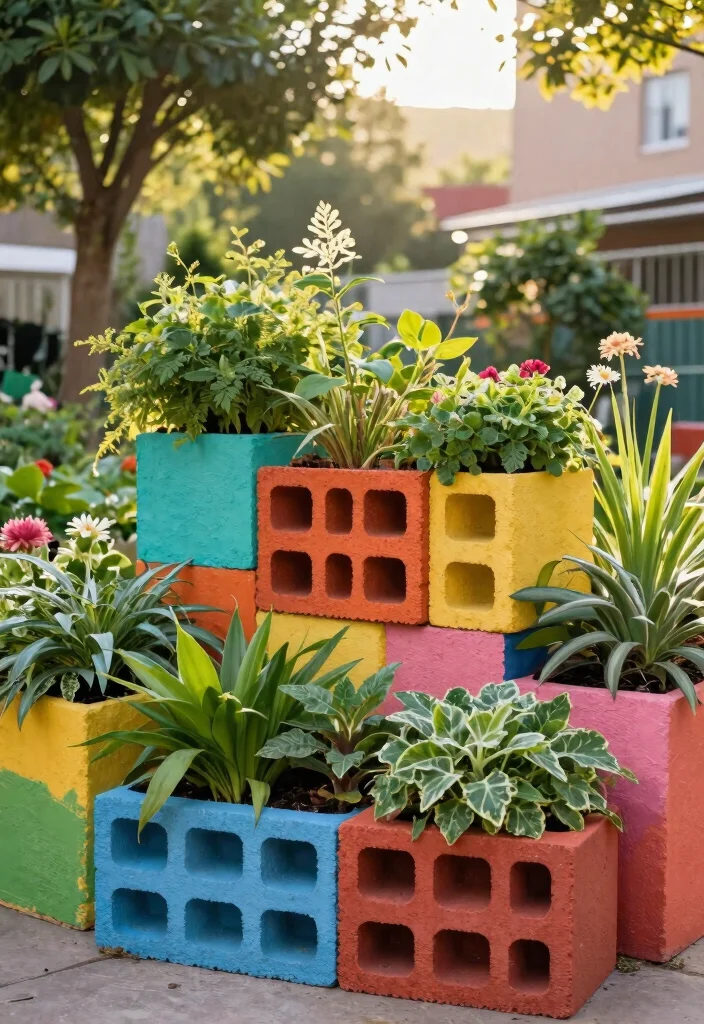
Cinder blocks can be a game changer for tiered raised beds. Their durable design allows you to create multi-level gardens, and the hollow sections are perfect for smaller plants or herbs. Stack them in your desired layout, fill the top with soil, and watch your flowers or veggies flourish.
The blocks provide excellent drainage and can be customized with paint to complement your outdoor decor. For a unique touch, grow trailing plants in the hollow sections for a beautiful cascading effect.
Steps to build your cinder block planters:
– Gather cinder blocks for your design.
– Stack them securely for stability.
– Fill with high-quality soil mix.
– Plant herbs or flowers in both the top and hollow areas.
These planters will enhance the aesthetic of your garden while making use of repurposed materials!
Fun fact: hollow cinder blocks double as built-in planters, letting you stack a tiered raised bed garden for urban spaces. Fill the top with soil and plant herbs or trailing flowers to maximize growing space and drainage in minutes.
4. Shelving Unit Gardens
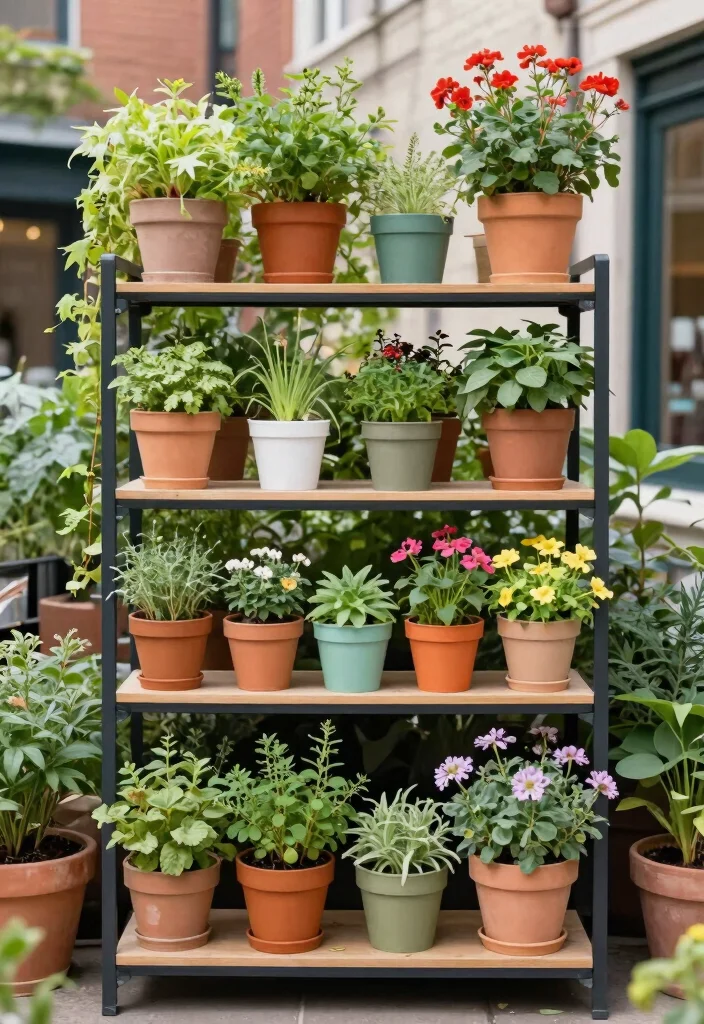
Transform an old shelving unit into a tiered raised bed with minimal effort! Simply line the shelves with pots filled with soil, each hosting a variety of herbs, flowers, or small vegetables. This setup offers easy access to all plants, making it ideal for urban gardeners with limited mobility or space.
Plus, you can personalize your shelving unit with paint or decorations to match your style. To simplify maintenance, consider using self-watering pots, especially during hot months.
Steps to create a shelving unit garden:
– Find a sturdy shelving unit and clean it.
– Line each shelf with pots filled with quality soil.
– Plant your chosen herbs or flowers.
– Arrange the unit vertically or against a wall for stability.
This method combines functionality with style, creating an urban gardening solution that is both visually appealing and productive!
5. Tiered Plant Stands
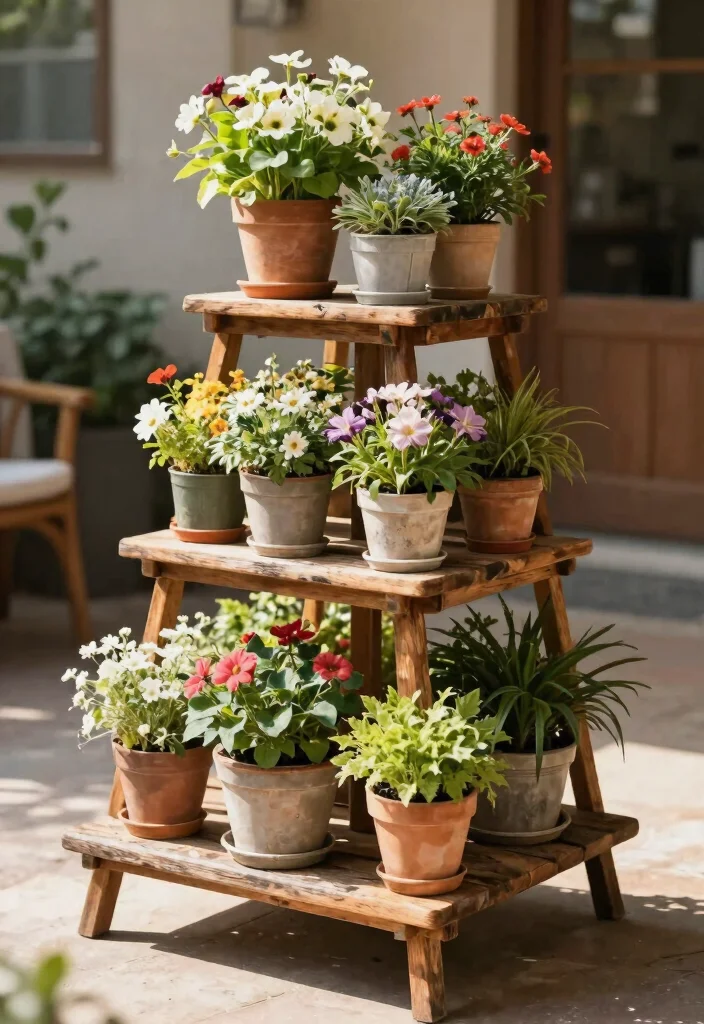
Elevate your gardening with tiered plant stands that showcase your plants beautifully. These stands come in various materials, including wood and metal, and can be adjusted to fit your plants’ needs. They not only maximize space but also add visual interest to your garden or patio.
Choose stands with good drainage or use liners to keep the soil contained. This design creates a striking focal point, enhancing the overall appeal of your outdoor area.
Steps to set up your plant stand:
– Select a tiered plant stand that fits your style.
– Fill containers with soil and selected plants.
– Arrange plants aesthetically across the stand.
– Regularly check for drainage to maintain healthy roots.
Tiered plant stands are a fantastic way to display your gardening skills while optimizing your space beautifully.
6. Corner Tiered Gardens
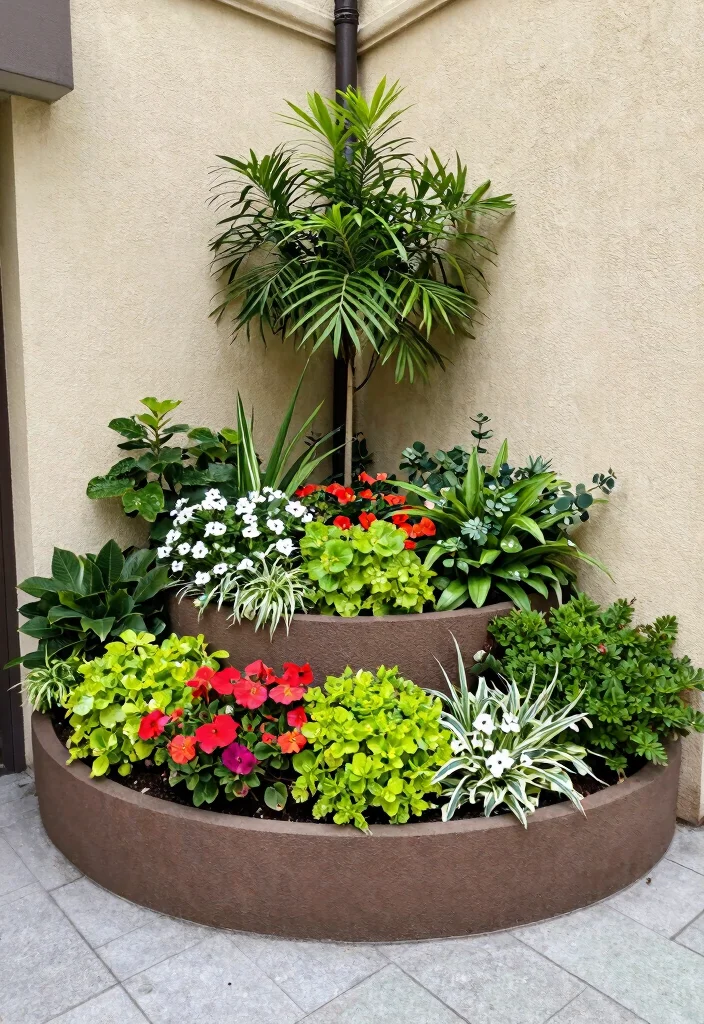
Maximize your garden space by utilizing those often-neglected corners! A corner tiered garden can transform an overlooked area into a vibrant display of flowers or vegetables. This design not only conserves space but also offers a unique visual appeal.
Mix different heights and colors for a whimsical look, and consider planting a variety of plants with staggered blooming times for year-round interest. Adding a trellis for climbing plants can further enhance your vertical gardening approach.
Steps to create a corner garden:
– Measure your corner space and plan your design.
– Build a tiered bed that fits snugly into the corner.
– Fill with quality soil and select plants that thrive together.
– Plant according to your design plan.
Smart design and creativity can turn corner gardens into stunning focal points in your outdoor oasis!
7. Spiral Herb Gardens
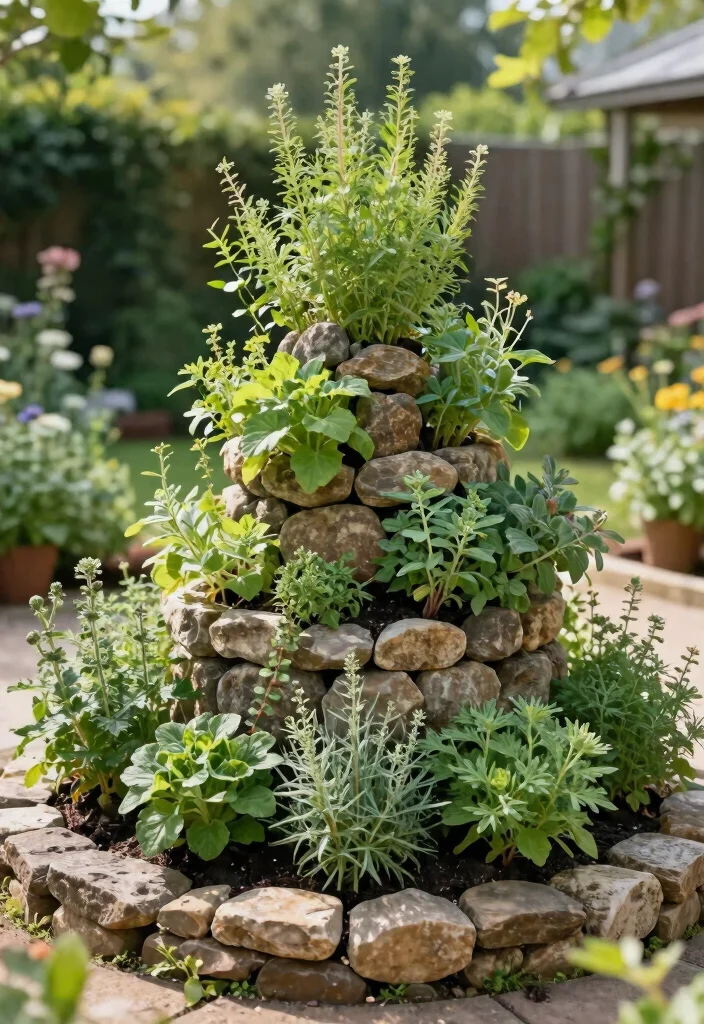
Add a creative twist to your gardening with a spiral herb garden! This fun configuration allows you to grow a variety of herbs in a compact space. Build a spiral shape using stones or bricks, filling it with nutrient-rich soil as you go.
Plant sun-loving herbs at the top and shade-loving varieties toward the bottom for optimal growth. Incorporating a drip irrigation system ensures your herbs receive consistent moisture, especially in dry weather.
Steps to construct your spiral herb garden:
– Decide on the size of your spiral and gather materials.
– Build the spiral shape and gradually add soil.
– Choose herbs based on sunlight needs and plant accordingly.
– Water regularly to maintain healthy growth.
This unique design is both practical and visually striking, making it a fantastic addition to your garden!
Fun fact: a compact spiral herb garden can fit 8–12 herbs in a tight circle, using up to 40% less space. Plant sun-loving varieties at the top and shade-tolerant ones below, and save water with a simple drip irrigation loop.
8. Tiered Rail Gardens
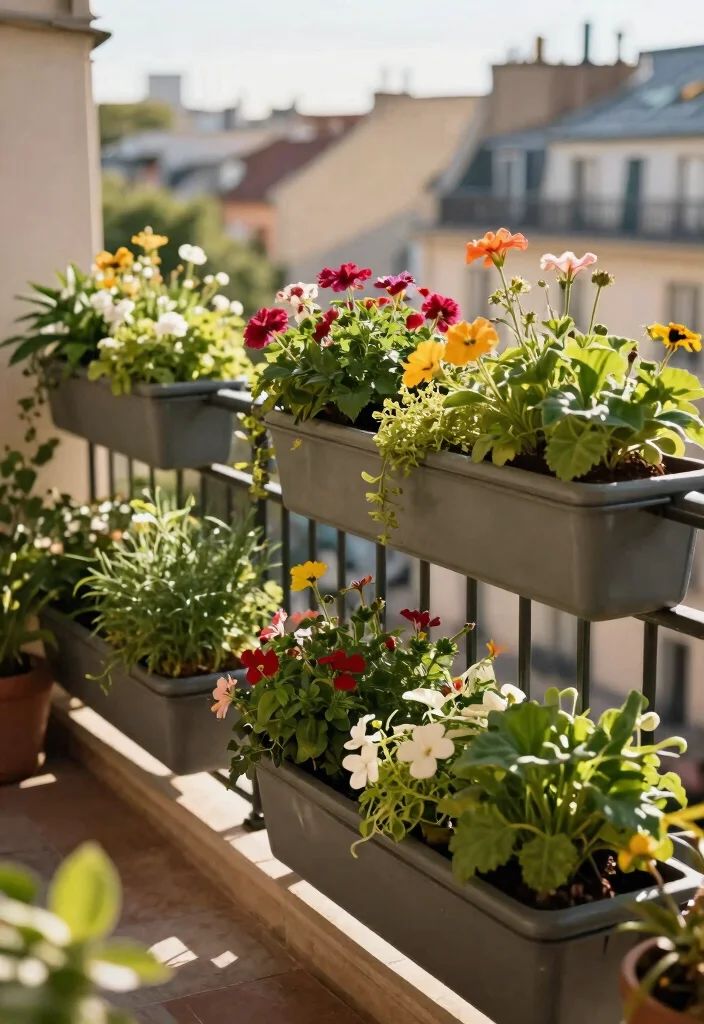
Transform your deck or balcony railing into a tiered garden space! Use railing planters or boxes attached to the rails to create a vertical garden that utilizes your outdoor space efficiently. This option is perfect for urban gardeners who want to enjoy gardening without a large ground area.
Plant herbs, trailing flowers, or compact vegetables in lightweight containers, ensuring they have proper drainage to avoid excess weight on the railing. This innovative approach allows you to cultivate a lovely garden without sacrificing your outdoor areas.
Steps to create tiered rail gardens:
– Select railing planters that fit your dimensions.
– Securely attach the planters to the railing.
– Fill with soil and your chosen plants.
– Water regularly, ensuring proper drainage.
This clever use of space brings greenery to your outdoor living area!
9. Tiered Stone Wall Gardens
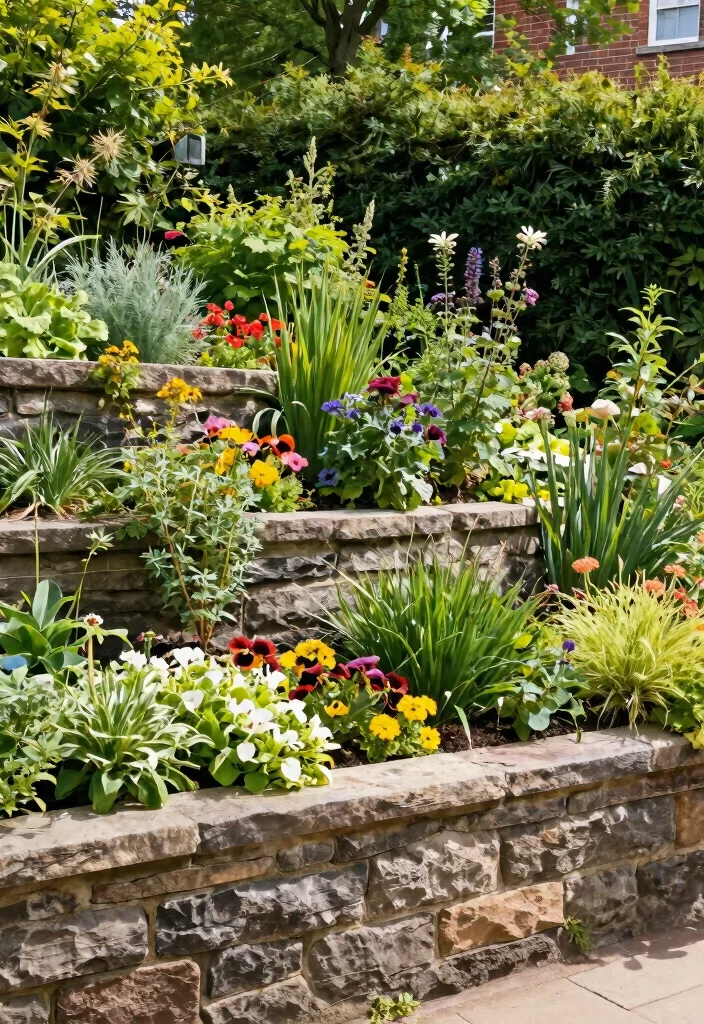
If you have a natural stone wall, consider integrating a tiered garden into it. Stone walls can create beautiful raised beds that are both functional and visually appealing. Use the wall’s structure to create varying levels for planting, with herbs and flowers cascading down the stones.
This setup helps retain moisture and supports healthy plant growth. To minimize maintenance, incorporate drought-resistant plants and mix colors for added interest.
Steps for your stone wall garden:
– Assess the stone wall and design tiered beds.
– Fill the tiers with quality soil.
– Plant herbs and flowers suited to the environment.
– Regularly check for drainage and moisture.
This natural design will enhance your garden’s charm while optimizing space!
Key Trade-offs & Our Top Pick
When considering tiered raised bed gardens, it’s essential to weigh your options carefully. Each type has its own set of advantages and disadvantages. Let’s break down some popular choices to help you decide.
Option 1: Rustic Wooden Pallet Gardens
– Pros:
✔ Affordable and easy to source materials
✔ Can be customized in size and shape
✔ Offers a natural look that blends well with most gardens
– Cons:
❌ Wood can rot over time, requiring replacements
❌ May need treatment to prevent pests
❌ Limited height may restrict certain plants
– Best for: Urban gardeners looking for a budget-friendly, DIY option to beautify small spaces.
Option 2: Cinder Block Planters
– Pros:
✔ Durable and weather-resistant
✔ Offers unique planting opportunities through holes
✔ Great for herbs and small plants that thrive in compact spaces
– Cons:
❌ Heavy and can be difficult to move once set up
❌ The industrial look may not appeal to everyone
❌ Requires soil amendments for optimal growth
– Best for: Those seeking a sturdy, long-lasting option that allows for creative planting layouts.
Option 3: Vertical Garden Boxes
– Pros:
✔ Maximizes vertical space, ideal for small areas
✔ Easier access for maintenance and harvesting
✔ Attractive design that enhances any yard or balcony
– Cons:
❌ Initial cost can be higher than traditional beds
❌ Limited to smaller plants due to weight constraints
❌ May require more frequent watering due to faster soil drying
– Best for: Gardeners who want to maximize space and aesthetics in urban environments.
Option 4: Metal Tiered Beds
– Pros:
✔ Long-lasting and resistant to rot and pests
✔ Can withstand harsh weather conditions
✔ Stylish modern look that fits contemporary homes
– Cons:
❌ Metal can get hot, potentially harming roots
❌ More expensive than wooden options
❌ Limited insulating properties for colder climates
– Best for: Gardeners who prioritize durability and modern design in their urban gardens.
Option 5: Spiral Herb Gardens
– Pros:
✔ Unique design maximizes space and creates interest
✔ Allows for various microclimates for different herbs
✔ Can be a stunning focal point in the garden
– Cons:
❌ Can be labor-intensive to construct
❌ Requires careful planning for plant compatibility
❌ More suitable for experienced gardeners
– Best for: Herb enthusiasts who want to showcase their plants in a creative manner.
Best Overall: Cinder Block Planters
Cinder block planters are our top pick for most gardeners. They offer a great balance of durability, creative planting options, and affordability. You can easily customize their layout to fit your space, making them perfect for urban gardening. Plus, they require minimal maintenance, ensuring that you can enjoy your garden without constant worry.
Why We Picked This:
While cinder block planters are excellent for various situations, those wanting a more natural look might prefer rustic wooden pallets. If you’re looking for something visually striking, consider vertical garden boxes. Ultimately, your choice should reflect your gardening goals and the aesthetic you desire.
10. Multi-functional Containers
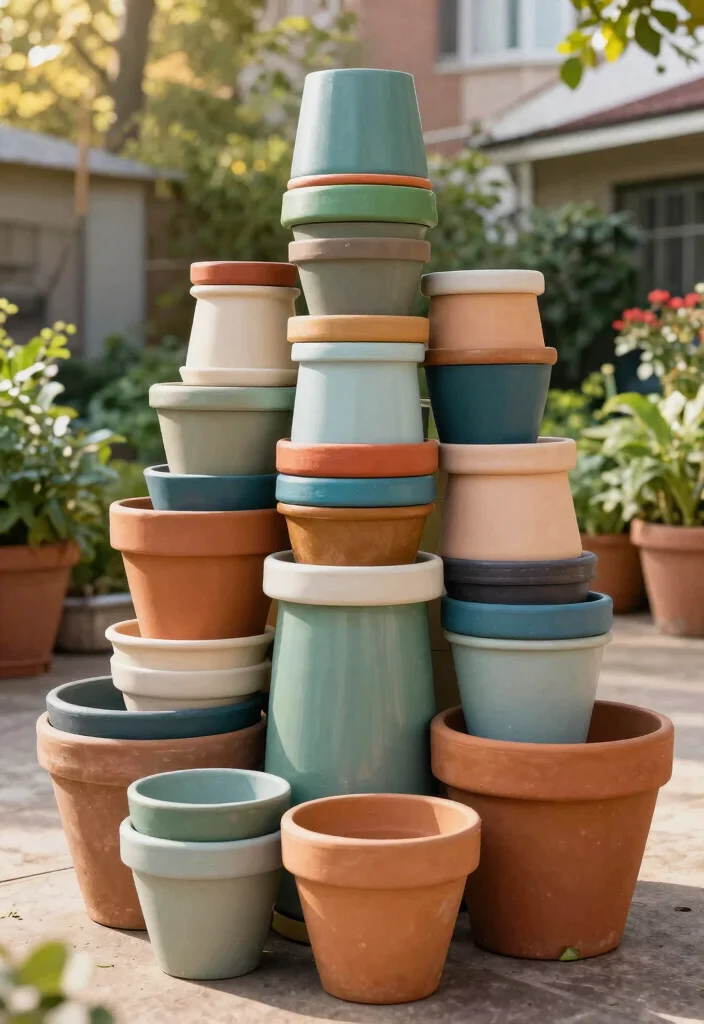
Get creative with multi-functional containers that serve as tiered raised beds! Stack larger containers at the base and smaller pots on top for a unique visual display that saves space. This approach lets you mix various colors and materials, reflecting your personal style.
It’s also perfect for seasonal plant changes without needing permanent structures. Ensure each pot has proper drainage for healthy plants.
Steps to create your multi-functional container garden:
– Choose a variety of container sizes and materials.
– Arrange larger containers at the base and stack smaller ones.
– Fill with quality soil and plant your selections.
– Consider sunlight and watering needs for each plant.
This creative setup not only saves space but also allows you to showcase your gardening style!
11. Hanging Tiered Gardens
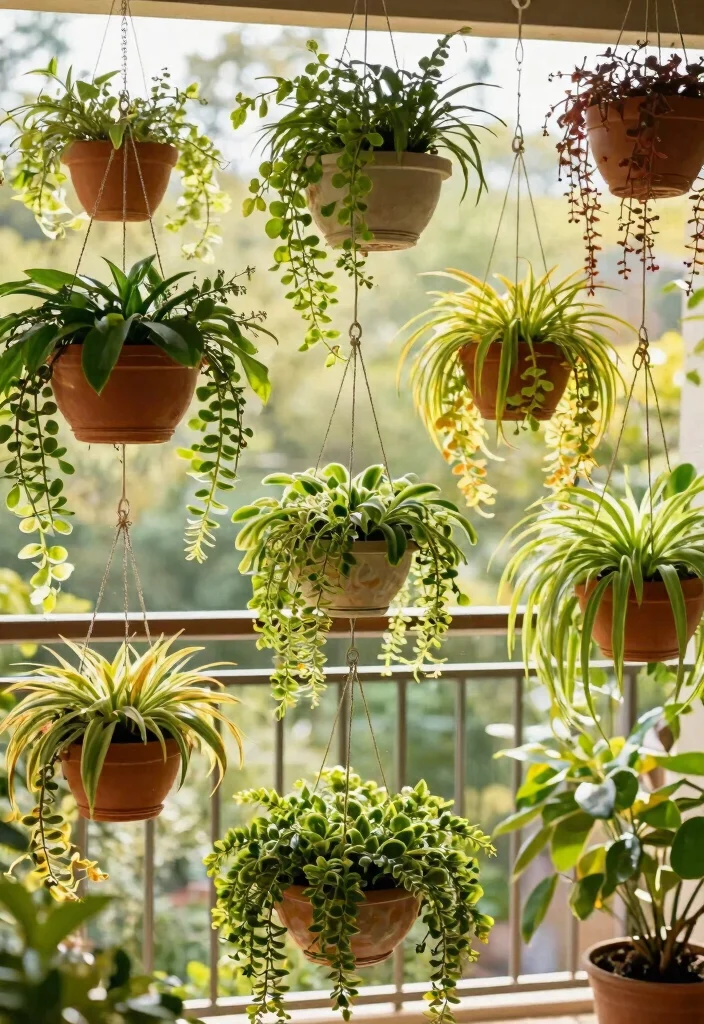
Hanging tiered gardens offer a trendy way to utilize vertical space effectively. Hang planters from walls or ceilings to create a floating garden effect, perfect for small balconies or patios. Mix different sizes and styles of hanging pots filled with flowers, herbs, or trailing plants for a stunning visual display.
Be sure to use sturdy hangers that can support the weight of the pots and consider the sunlight requirements of each plant when arranging them.
Steps to create hanging gardens:
– Choose a location for hanging planters.
– Select sturdy pots and secure them properly.
– Fill with soil and plant your chosen varieties.
– Regularly check for drainage and watering.
Hanging gardens can add a whimsical touch that delights anyone visiting your urban space!
12. Ladder Gardens
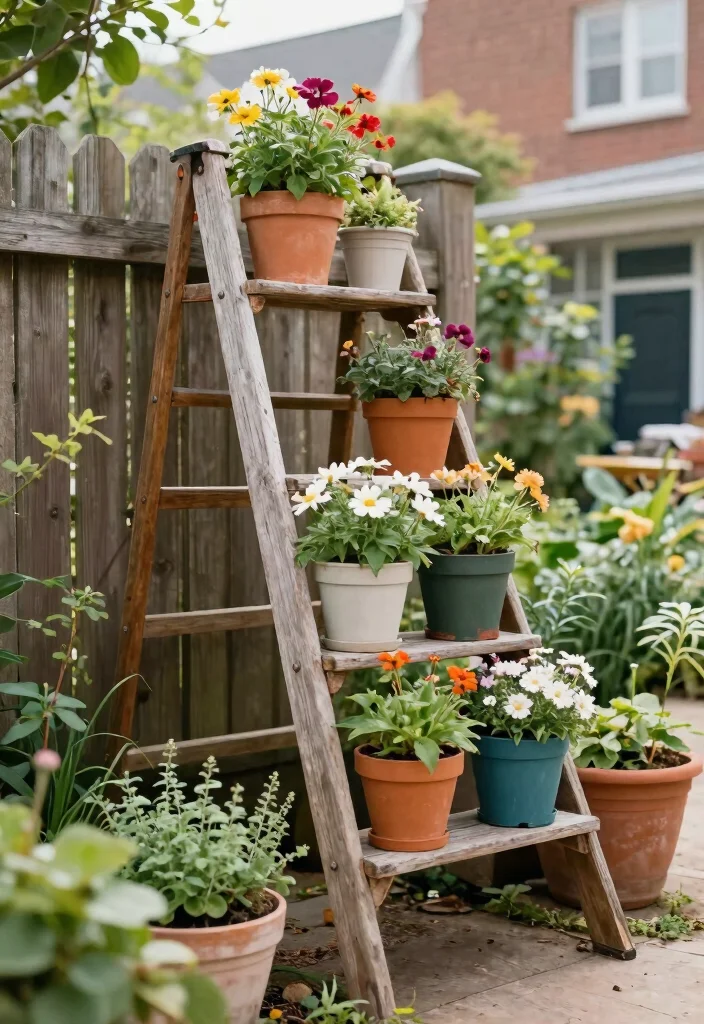
Old ladders can be transformed into charming tiered garden structures! Lean a sturdy ladder against a wall or fence and place pots on each rung. This creative design not only serves a practical purpose but also adds a rustic feel to your garden.
Use a mix of colorful containers filled with various plants to create an engaging display. Pots allow for easy maintenance and seasonal changes, keeping your garden fresh.
Steps to create a ladder garden:
– Find a sturdy ladder and clean it up.
– Lean the ladder securely against a wall or fence.
– Fill pots with quality soil and your chosen plants.
– Arrange them on the rungs for visual appeal.
This inventive use of everyday items will make your garden feel unique and inviting!
13. Metal Tiered Beds
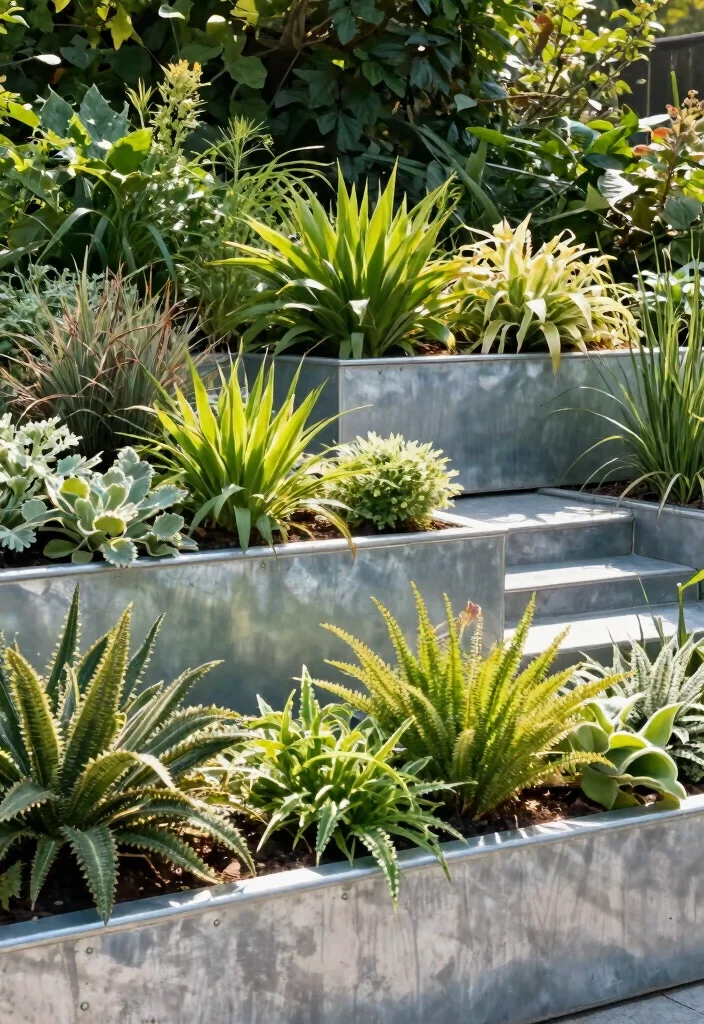
Consider metal tiered beds for a modern and stylish gardening option. Constructed from galvanized steel or repurposed materials, these beds stand out visually while being highly functional. Metal retains heat, beneficial in cooler climates, and can be customized to fit your space perfectly.
Arrange taller plants at the back for a layered effect, and ensure proper drainage with holes in the bottom. Lining the beds with landscaping fabric can help minimize soil loss.
Steps to build your metal beds:
– Gather materials for your design.
– Cut and shape the metal as needed.
– Fill with quality soil and plant selections.
– Arrange plants based on height and light needs.
This modern approach to tiered raised beds will elevate your gardening experience!
14. Eco-friendly Container Gardens
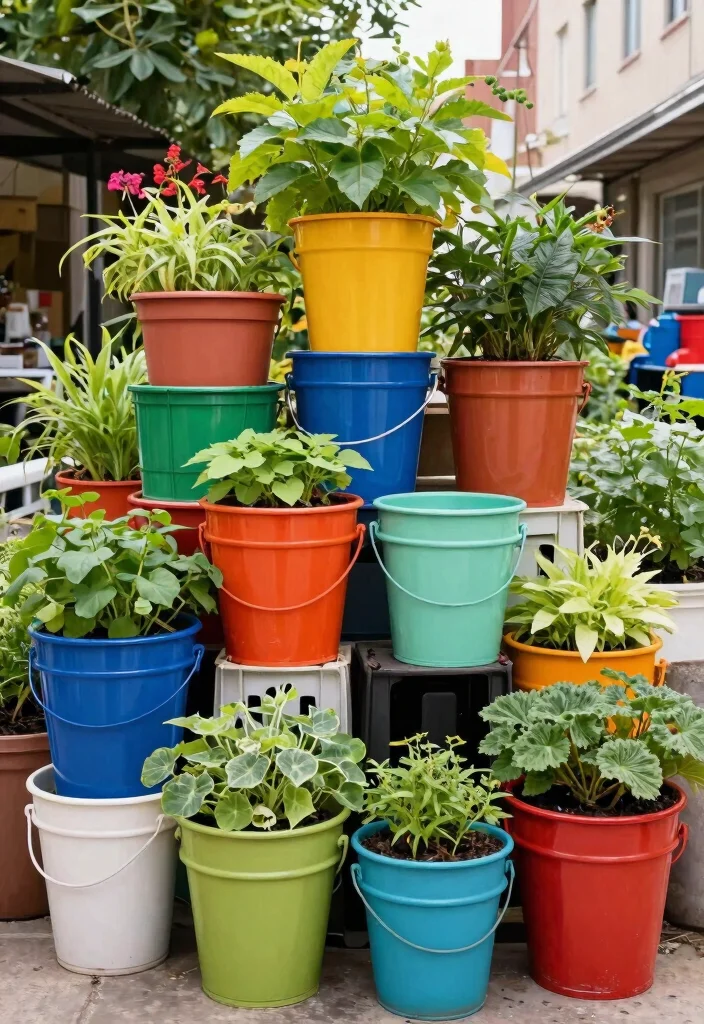
For eco-conscious gardeners, using recycled containers as tiered raised beds is an excellent choice. Old buckets, crates, or even tires can be creatively transformed into vibrant planting spaces. Stack these containers in a tiered arrangement to add a unique touch to your garden.
This method not only reduces waste but also encourages a playful approach to gardening. Mix plants for a colorful and textured look throughout your garden.
Steps to create your eco-friendly garden:
– Gather various recycled containers and clean them.
– Arrange them in a tiered design.
– Fill with quality soil and plant your selections.
– Maintain your garden regularly, ensuring good drainage.
This sustainable gardening approach is both rewarding and enjoyable!
Did you know that recycling everyday containers into a tiered raised bed garden can reduce waste by up to 40% in a small urban plot? Stack used buckets, crates, and even tires to grow herbs and greens—it’s cheap, creative, and surprisingly productive.
15. DIY Reclaimed Wood Beds
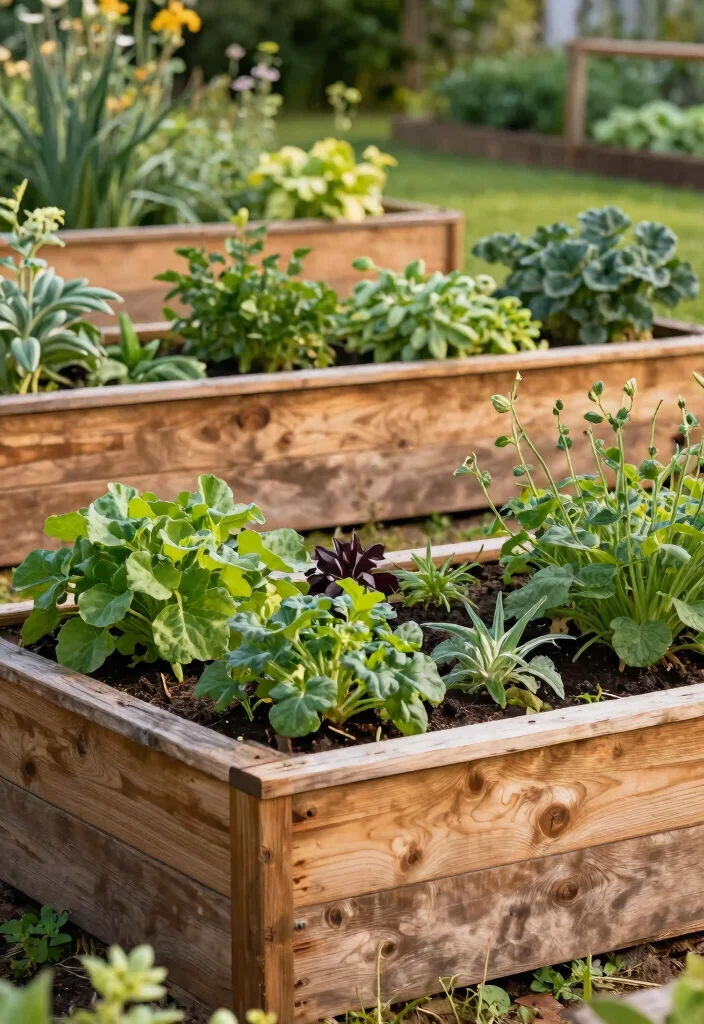
Embrace the beauty of reclaimed wood to create stunning tiered raised beds. This eco-friendly option adds character and warmth to your garden, all while being sustainable. Depending on the wood you have, you can design beds of various heights and shapes.
Fill these beds with rich soil and your favorite plants, enjoying the rustic charm they bring. Natural wood blends beautifully with greenery, creating an organic look.
Steps for building your reclaimed wood beds:
– Source reclaimed wood and decide on your design.
– Assemble the beds securely for stability.
– Fill with quality soil and plant your selections.
– Maintain your plants regularly for a healthy garden.
This DIY project not only beautifies your outdoor space but also supports sustainable practices!
Conclusion
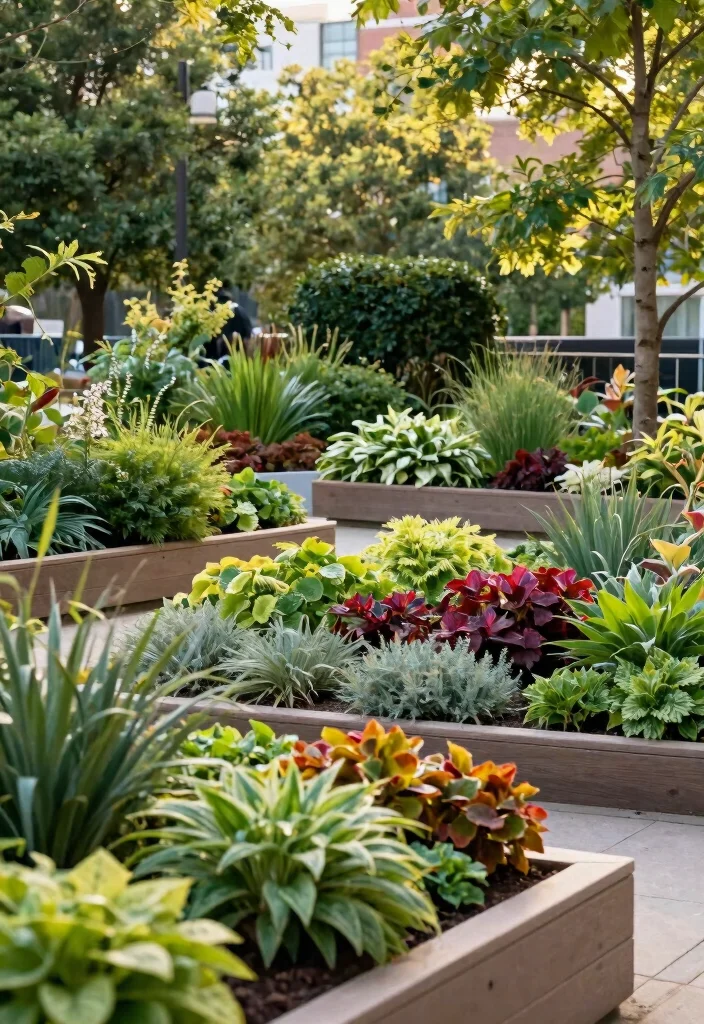
Tiered raised bed gardens can transform urban spaces into lush, green havens, no matter how tight the space may be. Each innovative idea invites you to embrace your creativity while optimizing your growing area.
Whether you’re utilizing recycled materials, old furniture, or simply stacking plants vertically, these designs not only beautify your space but also promote efficient gardening. Dive into this world of vertical gardening and discover the possibilities awaiting in your urban sanctuary!
Note: We aim to provide accurate product links, but some may occasionally expire or become unavailable. If this happens, please search directly on Amazon for the product or a suitable alternative.
This post contains Amazon affiliate links, meaning we may earn a small commission if you purchase through our links, at no extra cost to you.
Frequently Asked Questions
Question: What makes a tiered raised bed garden a smart choice for urban gardening ideas?
Answer: A tiered raised bed garden is a smart choice for urban gardening ideas because it packs multiple growing layers into a compact footprint. With vertical gardening elements, you gain more planting area without expanding your plot, improve drainage and soil warmth, and make harvests easier with accessible tiers.
For beginners, start with two or three levels, pick durable materials, and map out which crops go on each tier based on sun exposure and airflow.
Question: How can tiered raised beds help with garden space optimization in small space gardening?
Answer: In small space gardening, tiered raised beds maximize growing space by stacking beds upward and using corners, railing, or balconies. They create microclimates at different heights, reduce weed pressure, and help keep soil warm and well-drained.
Practical steps: measure sunlight, choose a tier system that fits your space, use a high-quality potting mix with compost, ensure drainage, and consider a drip irrigation line for consistent moisture.
Question: What design ideas help maximize growing space when building a tiered raised bed garden?
Answer: Start with a modular plan that fits your space. Decide on the number of tiers, depths, and whether to add a trellis for vertical crops. Use a staggered or pyramid-style layout to increase light exposure for front tiers. Consider raised bed design elements like accessible paths, proper drainage, and durable materials to maximize garden space optimization. Place taller crops at the back and shorter ones at the front, and use removable panels for easy access.
Question: Which crops work best in vertical gardening with tiered beds, especially for beginners?
Answer: For vertical gardening with tiered beds, beginners can start with leafy greens (lettuce, spinach, arugula), herbs (basil, parsley, cilantro), and compact vegetables like radishes, green onions, bush beans, and cherry tomatoes. Use top tiers for shallow-rooted herbs and greens, bottom tiers for deeper-rooted crops, and rotate crops yearly to maintain soil health and productivity.
Question: How do I install and maintain a tiered raised bed garden on a balcony or rooftop with limited sunlight?
Answer: Start by assessing sun exposure and orienting the tiered bed to catch the most light available. Use lightweight, durable materials and a high-quality soil mix with compost. Install a simple irrigation system, mulch to retain moisture, and ensure good drainage. For limited sun, choose shade-tolerant crops like leafy greens and herbs for the upper tiers, and position any sun-loving varieties where they’ll get the most light. Regular maintenance includes pruning, feeding, and monitoring for pests to keep your urban garden thriving.
Related Topics
tiered raised bed garden
vertical gardening
urban gardening
small space gardening
raised bed design
garden space optimization
DIY garden projects
beginner friendly
easy gardening
sustainable gardening
container gardening
space-saving solutions