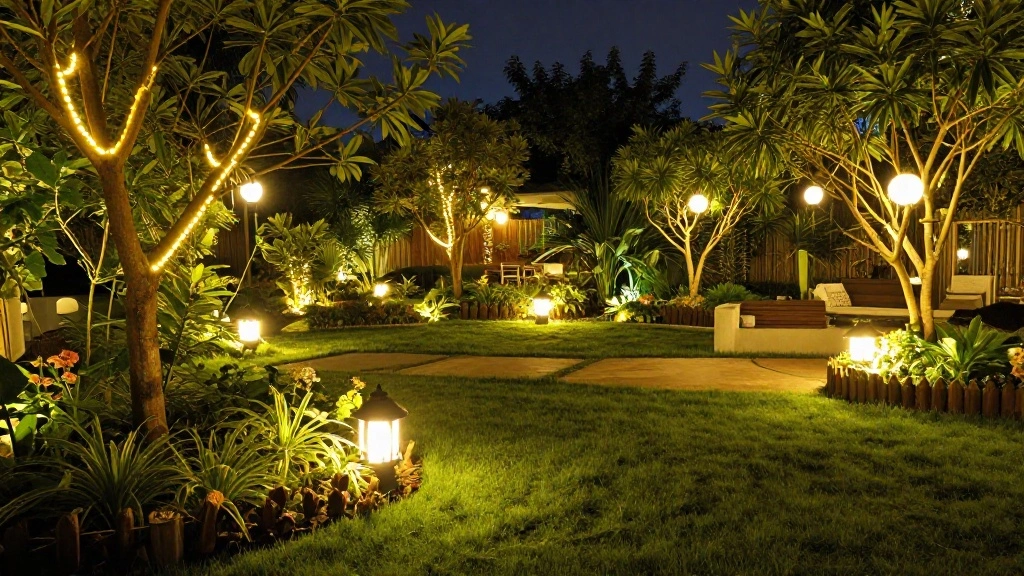
When it comes to outdoor garden lighting, a common question arises: how many lumens do you actually need? Getting the right amount of light is crucial for safety, aesthetics, and functionality. Understanding lumens helps you create the perfect ambiance and ensures your garden looks inviting after sunset.
In this article, I’ll break down what lumens are, how they impact your outdoor space, and guide you through determining the appropriate lumens for various areas in your garden. By the end, you’ll feel confident in planning your outdoor lighting and achieving a beautiful nighttime landscape.
TL;DR
- Understanding lumens is key for effective outdoor lighting design.
- The ideal lumen level varies based on the area and its purpose.
- Pathways typically require 100-200 lumens per fixture for safety.
- For dining areas, aim for 200-300 lumens to create a cozy atmosphere.
- In contrast, accent lighting can range from 50-150 lumens to highlight features.
Recommended Products

RGBCW Walkway Lights: APPECK RGBCW pathway lights support 16 million color options, the brightness can be adjusted in the range of 1%-100% and the color temperature from 2700K-6500K. These landscape path lights will provide a lighting feast with daily lighting and holiday around your path.

✅ AMERICAN STANDARD FLOOD LIGHT - 100-277V 100W LED flood light outdoor is specifically designed for American consumers, which is better than European standard flood light. Waterproof, high brightness, multiple mounting options, ETL certification, these are reasons why you need to choose our flood lights.
Main Answer
Understanding Lumens
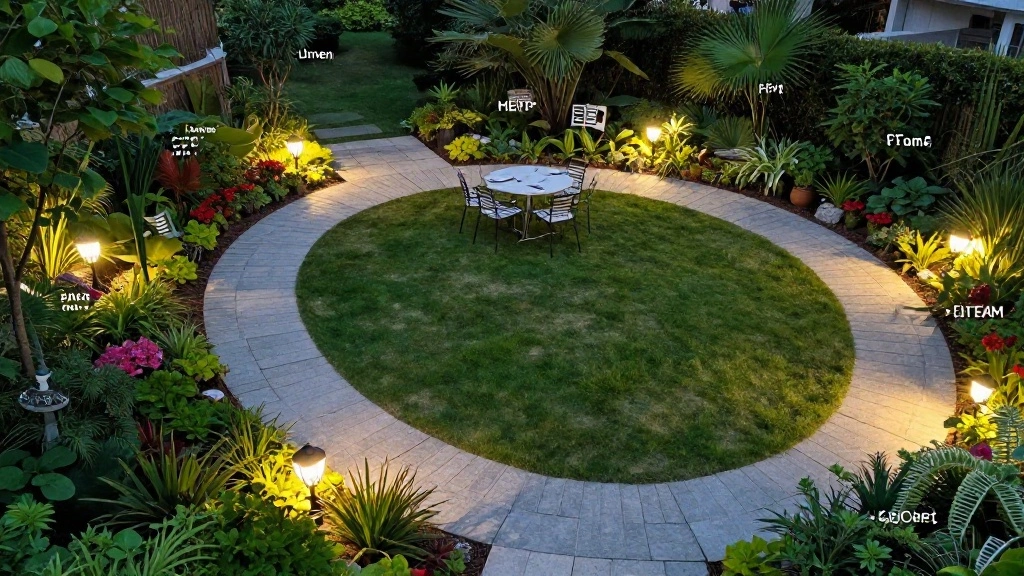
Before diving into specifics, it’s essential to grasp what a lumen is. A lumen measures the amount of light emitted by a source, indicating brightness. The higher the lumens, the brighter the light. This is crucial for outdoor spaces where visibility is important. For example, a dimly lit garden may create a romantic atmosphere but can also lead to accidents if pathways are not well-lit.
When choosing outdoor lighting, consider the activities that will occur in your garden. If you’re hosting gatherings, you’ll want brighter lights for safety and visibility. In contrast, if the goal is to create a serene environment for relaxation, softer lighting may be more suitable.
Recommended Lumens for Different Areas
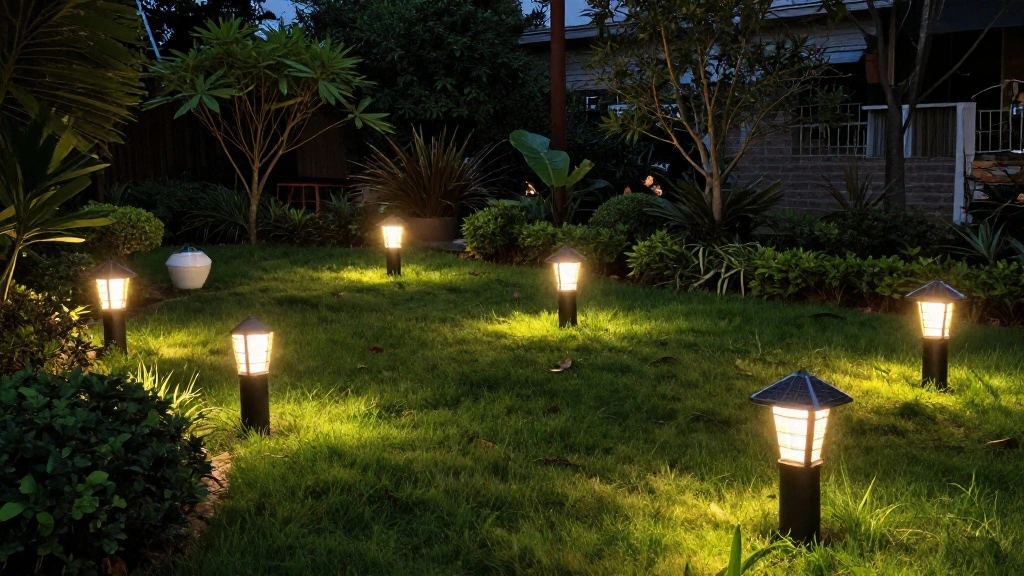
Different areas of your garden will require varying lumen levels. For pathways, I recommend using fixtures that provide around 100-200 lumens. This ensures that guests can navigate safely without overwhelming them with light. On the other hand, if you have a dining area or a patio where you’ll entertain, aim for 200-300 lumens. This range creates a cozy yet functional environment.
Accent lighting, which highlights specific features like plants or sculptures, can be lower in lumens—50-150 is usually sufficient. This approach draws attention without overpowering the surrounding landscape.
Recommended Products

Love at First Sight: Experience the mesmerizing glow of our landscapeg lighting. Illuminate your space with captivating and immersive 360° lighting, creating a truly enchanting atmosphere

Unique Design: The crystal-like transparent light body brings a elegant, special style to your yard. There are tiny bubbles in light, as if a string of crystal clear pearls suspended among them. The ideal garden light, emitting clear led light at night; high CRI, let the light faithfully illuminate all the colors in your garden, let your night also colorful.

SUPER BRIGHT 300 LUMENS LIGHT UP YOUR ENTIRE PATHWAY: Brighter than standard solar lights, each light delivers up to 300 lumens, illuminating driveways, walkways, and gardens with powerful, wide coverage-no more dim spots or unsafe paths. Brighter than most 50-100 lumen solar lights. The fast-charging solar panel, plus a built-in high-capacity battery, will keep this landscape light illuminated for 8 - 10 hours with a full charge from 6 - 8 hours of direct sunlight
Factors Influencing Lumen Needs
Several factors can influence the number of lumens required for your outdoor lighting. The first is the size of the area. Larger spaces will naturally need more light. Also, consider the color of your garden. Darker surfaces absorb light, requiring more lumens to achieve the desired brightness. Lastly, the height of your fixtures matters; higher placements may spread light over a broader area, reducing the need for higher lumens.
Key Takeaways
- Understanding lumens helps in designing effective outdoor lighting.
- Pathways need 100-200 lumens, while dining areas should aim for 200-300 lumens.
- Accent lights can be lower, between 50-150 lumens.
- Consider space size, surface color, and fixture height when choosing lumens.
Related Questions
What is the difference between lumens and watts?
Many people confuse lumens with watts, but they measure different things. Lumens quantify light output, while watts measure energy consumption. For example, an LED bulb may use fewer watts to produce the same number of lumens as an incandescent bulb. This makes LED lights more energy-efficient options for outdoor lighting.
How do I choose the right outdoor light fixture?
Selecting the right outdoor light fixture involves considering both the style and functional needs of your space. Think about where you’ll place the fixture, the brightness it needs to provide, and how it fits with the overall design of your garden. For example, a rustic lantern may suit a cottage garden, while sleek, modern lights work well in contemporary settings.
Can I use indoor lights outside?
Using indoor lights outside is generally not recommended due to safety concerns. Indoor fixtures are not weather-resistant and can pose electrical hazards in wet conditions. However, some indoor lights are designed for covered outdoor areas. Always check the manufacturer’s specifications before using any lighting outdoors.
How can I make my garden lighting more energy-efficient?
To enhance the energy efficiency of your garden lighting, consider using LED lights, which consume less power and last longer than traditional bulbs. Additionally, incorporating solar-powered lights can reduce electricity usage. Timers and motion sensors can also help manage when lights are on, ensuring they only illuminate when necessary.
What’s the best color temperature for outdoor lighting?
The best color temperature for outdoor lighting often ranges between 2700K to 3000K, which emits a warm, inviting glow. This color temperature is ideal for creating a cozy atmosphere in gardens and patios. Cooler temperatures, like 4000K, can be used for task lighting in areas requiring more visibility, such as pathways.
Conclusion
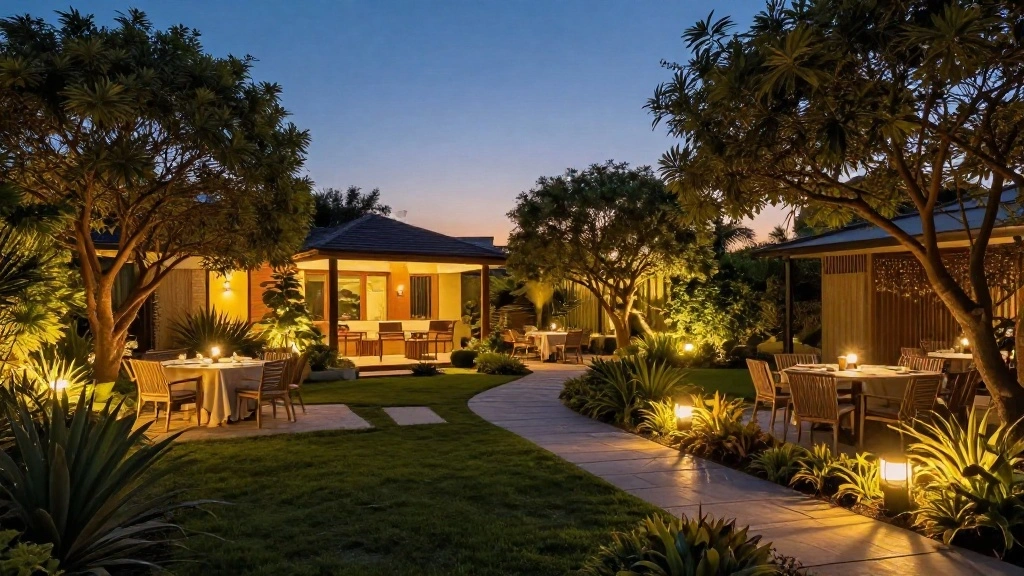
In conclusion, understanding how many lumens you need for outdoor garden lighting is crucial for safety and aesthetic appeal. By considering the specific needs of different areas in your garden, you can create a beautifully lit space that enhances your outdoor experience.
Remember, whether you’re illuminating a pathway, a dining area, or highlighting beautiful plants, the right amount of light can transform your garden into a nighttime paradise. So go ahead, plan your lighting thoughtfully, and enjoy your outdoor space even after the sun goes down!
Recommended Products

Automated dusk-to-dawn photocell functionality. Light OFF at sunrise/daytime and light ON at sundown/night. Die-casting of aluminum housing with clear lens, Anti-corrosion, Waterproof IP65, 5000K Daylight for Outdoor illumination.

【DURABLE CAST ALUMINUM CONSTRUCTION】IP65 waterproof heavy-duty die-aluminum housing and tempered glass lens cover are designed to withstand rain and snow. Frosted baking paint process makes it textured, corrosion-resistant, rust-resistant and more durable
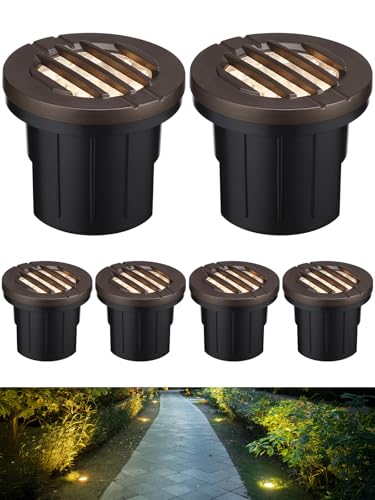
Thoughtful single, flat vertical grille design enhances drainage, optimizes anti-glare performance, and reduces maintenance