Have you ever wondered how deep a raised garden bed should be? This question is crucial for ensuring that your plants thrive. The depth of the bed can greatly influence the health and productivity of your garden. In this article, I’ll explore the ideal depths for various types of plants, helping you create a flourishing garden tailored to your needs.
Understanding the right depth for your raised garden bed is essential because different plants have varying root systems. Some plants, like carrots, require more depth for their roots to grow, while others, like lettuce, can thrive in shallower soil. By the end of this guide, you’ll know exactly how deep to make your raised beds based on the plants you want to grow.
Main Answer
Recommended Products

6x3x1 FT Raised Garden Bed: Oval galvanized steel raised garden bed with a 12-inch internal growing depth, designed as an outdoor raised garden bed for vegetables and herbs in larger backyards and home gardens

BUILT TO LAST - Tramull Raised planter box, crafted from 0.8mm Zn-Al-Steel, ensures decades of reliable service. Internal support rods and a corrugated panel design maintain the metal garden bed's structural integrity, preventing bulging or warping under soil pressure

Durable Construction: This 6FT diameter round galvanized garden raised bed is made with strong galvanized steel material with crimped edge and corner,no sharpe, ensuring safely using it and long-lasting durability and resistance to rust
1. Shallow Beds (6-12 inches)
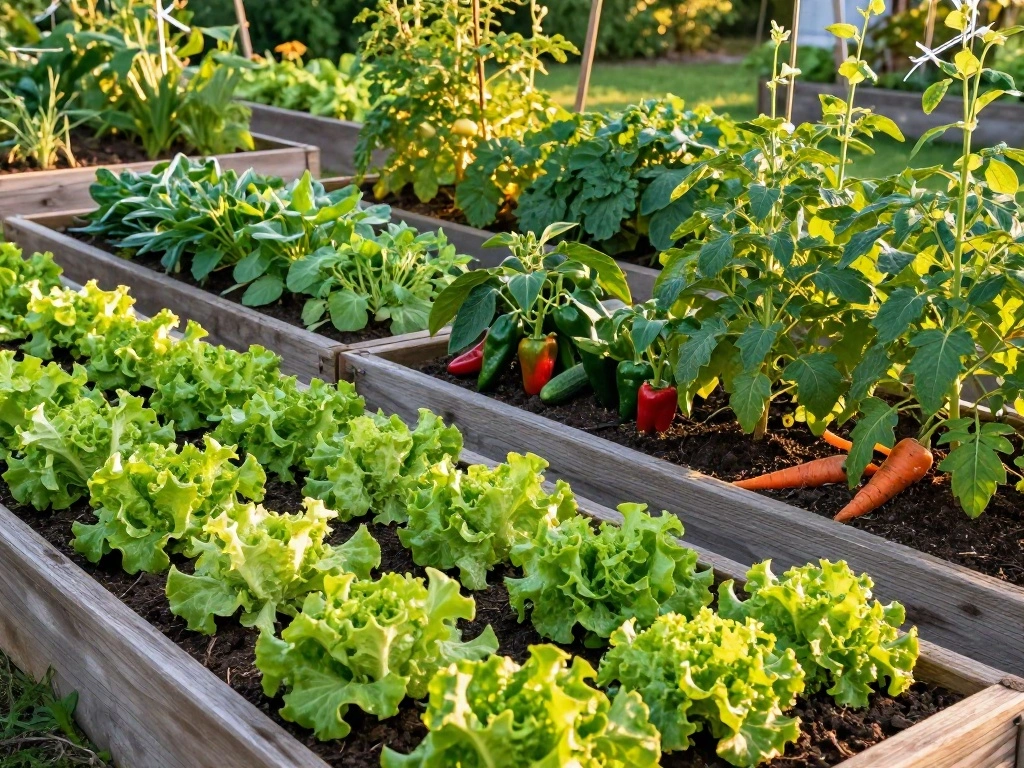
Shallow raised garden beds, ranging from 6 to 12 inches deep, are perfect for growing shallow-rooted plants. These beds work well for crops like lettuce, radishes, and herbs. Since these plants do not require extensive root systems, a shallower depth allows for easier access and maintenance. Additionally, these beds warm up quickly in the spring, promoting faster growth.
To make the most of shallow beds, consider incorporating companion plants that benefit from one another. For instance, planting basil alongside tomatoes can enhance their flavor and deter pests.
2. Medium Beds (12-18 inches)
Medium-depth raised beds, measuring between 12 and 18 inches, are versatile and can accommodate a wider range of plants. This depth is ideal for vegetables such as peppers, cucumbers, and spinach. The extra soil depth allows for improved drainage and aeration, which promotes healthier root development. Moreover, these beds retain moisture better, reducing the frequency of watering.
When planning your medium beds, think about spacing your plants appropriately to ensure they have enough room to grow. This helps prevent overcrowding and competition for nutrients.
Recommended Products

【18’’ Growing Depth】Measuring 48"(L) x 24"(W) x 18"(H), the metal raised garden bed holds 89 gallons of soil and provides extra large growing space for vegetables, fruits, flowers and other plants.

Durable Wave-Steel Design with Superior Drainage:Crafted from 0.8MM thick, wave-corrugated galvanized steel, this garden bed is built to withstand warping, or cracking. The robust construction resists rust and soil pressure, ensuring it remains a beautiful and functional part of your garden for years to come

BUILT TO LAST - Tramull Raised planter box, crafted from 0.8mm Zn-Al-Steel, ensures decades of reliable service. Internal support rods and a corrugated panel design maintain the metal garden bed's structural integrity, preventing bulging or warping under soil pressure
3. Deep Beds (18-24 inches)
Deep raised garden beds, measuring 18 to 24 inches, are suitable for plants with extensive root systems. Crops like carrots, potatoes, and tomatoes thrive in this depth, as they allow for deeper root penetration and nutrient absorption. Deep beds also provide better drainage, which is critical for preventing root rot.
To enhance your deep beds, consider layering the soil with organic matter such as compost. This practice not only enriches the soil but also improves its structure, benefiting your plants over time.
Recommended Products

FOR USE: Ideal for raised garden beds and outdoor containers.

DEEP PLANTER FOR MAXIMUM YIELD: With 16" of soil depth and a spacious planting area, this elevated bed supports healthy root vegetables like carrots, beets, and radishes while allowing more crops per bed, boosting overall harvest and garden productivity
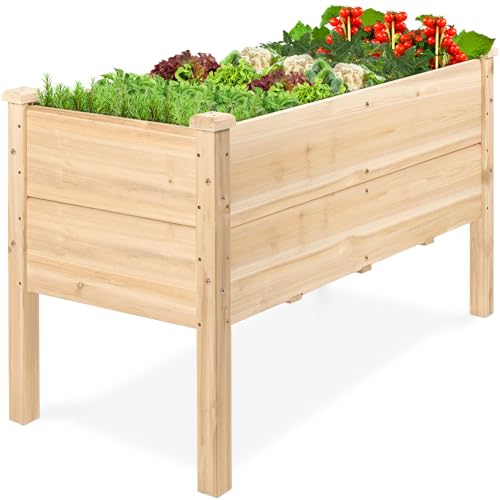
DEEP PLANTER FOR MAXIMUM YIELD: With 16" of soil depth and a spacious planting area, this elevated bed supports healthy root vegetables like carrots, beets, and radishes while allowing more crops per bed, boosting overall harvest and garden productivity
Key Takeaways
- Shallow beds are best for herbs and leafy greens.
- Medium beds support a variety of vegetables effectively.
- Deep beds are necessary for root vegetables and heavy feeders.
Recommended Products

Raised Garden Bed - Add a new level of convenience to your gardening experience with the Galvanized Raised Garden Bed. Enjoy expanded yield and a more assembled garden layout with this garden accessory, each sized at 180 cm X 60 cm x 30 cm.

Durable Construction: This 6FT diameter round garden raised bed painted is made with strong galvanized steel material with crimped edge and corner,no sharpe, ensuring safely using it and long-lasting durability and resistance to rust

6x3x1 FT Raised Garden Bed: Oval galvanized steel raised garden bed with a 12-inch internal growing depth, designed as an outdoor raised garden bed for vegetables and herbs in larger backyards and home gardens
What Most People Want to Know
What is the best depth for a raised garden bed?
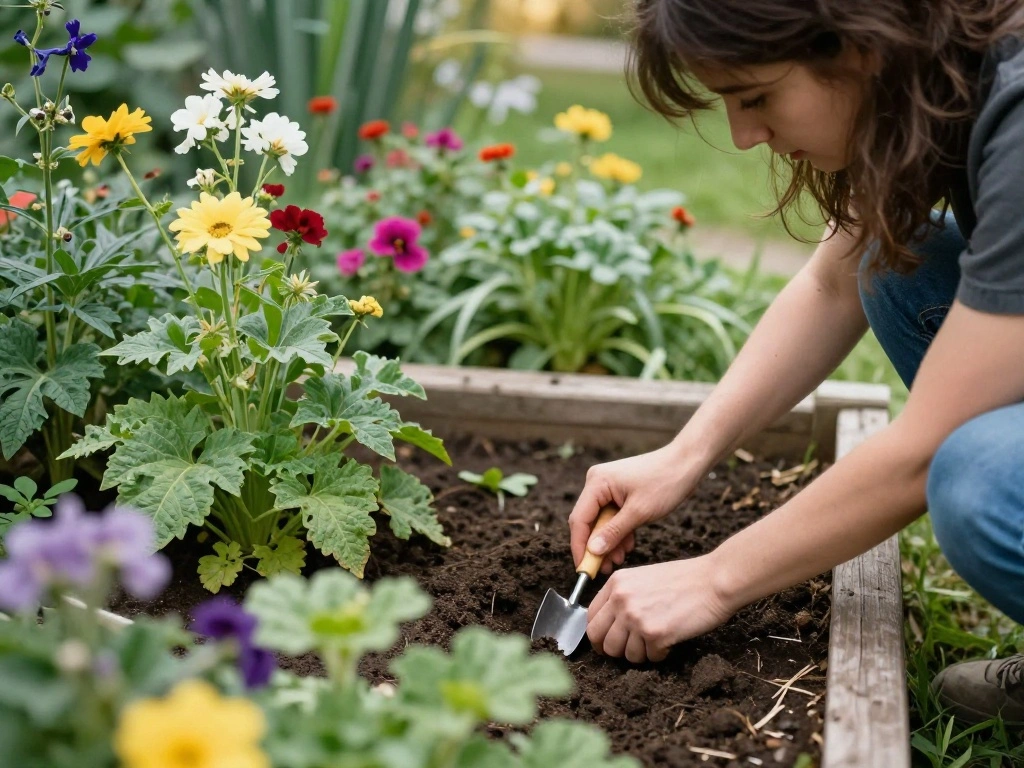
The best depth for a raised garden bed depends on what you plan to grow. For most vegetables, a depth of 12 to 18 inches is ideal, allowing enough room for roots to spread while also ensuring good drainage. If you’re growing root vegetables, consider going deeper, at least 18 to 24 inches, to accommodate their needs.
Can I use any materials for building a raised garden bed?
You can use various materials to build a raised garden bed, such as wood, stone, or metal. However, it’s important to avoid treated lumber, as it may leach harmful chemicals into the soil. Untreated cedar or redwood is a great choice due to their natural resistance to rot.
How do I fill my raised garden bed?
When filling your raised garden bed, start with a layer of coarse materials like branches or straw at the bottom for drainage. Then, add a mix of high-quality topsoil, compost, and organic matter to create a nutrient-rich environment for your plants. This combination encourages healthy growth and improves soil structure over time.
How often should I water my raised garden bed?
The frequency of watering your raised garden bed depends on several factors, including the type of plants, the weather, and the soil composition. Generally, it’s best to check the soil moisture regularly. If the top inch feels dry, it’s time to water. On hot days, you may need to water more frequently.
Recommended Products

BEGIN YOUR GARDEN JOURNEY: This 12x4x1.5ft galvanized raised garden bed has all the needs in gardening! Thickened sheets and durable structure build a ideal environment for vegetables or plants. Also there are multiple sizes and colors you can choose to fit your gardens!
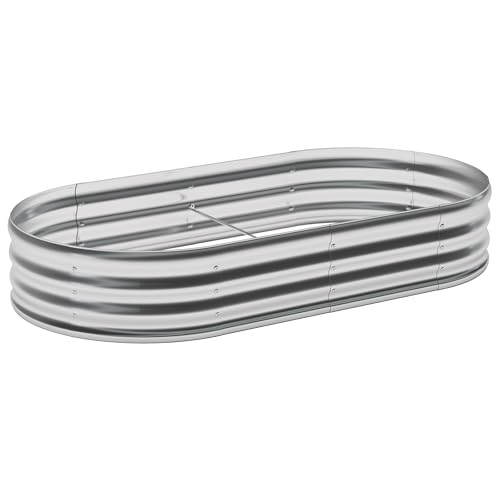
Size: 48"(L) x 18"(W) x 12"(H),Planter raised bed provide outdoor sufficient space to grow vegetables,flowers,galvanized garden bed

Size: 144"(L)x 24"(W)x 18"(H),Planter raised bed provide outdoor sufficient space to grow vegetables,flowers,galvanized garden bed
Conclusion
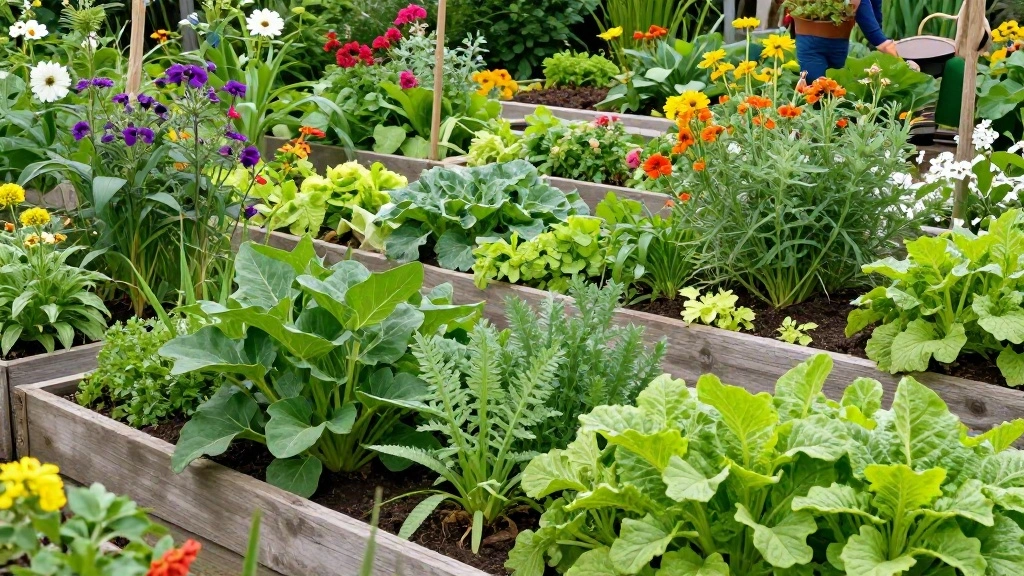
In conclusion, the depth of your raised garden bed is a key factor in ensuring the success of your plants. Shallow beds work well for herbs and greens, while medium beds can support a variety of vegetables. For root vegetables and heavy feeders, deep beds are essential.
As you plan your garden, consider the types of plants you want to grow and choose the appropriate depth accordingly. With the right setup, you’ll be well on your way to cultivating a thriving garden full of delicious produce!
Recommended Products

LARGER & MORE DIVERSE SPACE: Two 4x2x1.4ft (122x61x43cm) raised garden beds provide deeper and expanded planting area and higher yields. 17'' tall planter box is ideal for deep rooting plant like potatoes, carrots and other vegetables, fruits, flowers, herbs

Raised Garden Bed - Add a new level of convenience to your gardening experience with the Galvanized Raised Garden Bed. Enjoy expanded yield and a more assembled garden layout with this garden accessory, each sized at 120 cm X 60 cm x 30 cm.