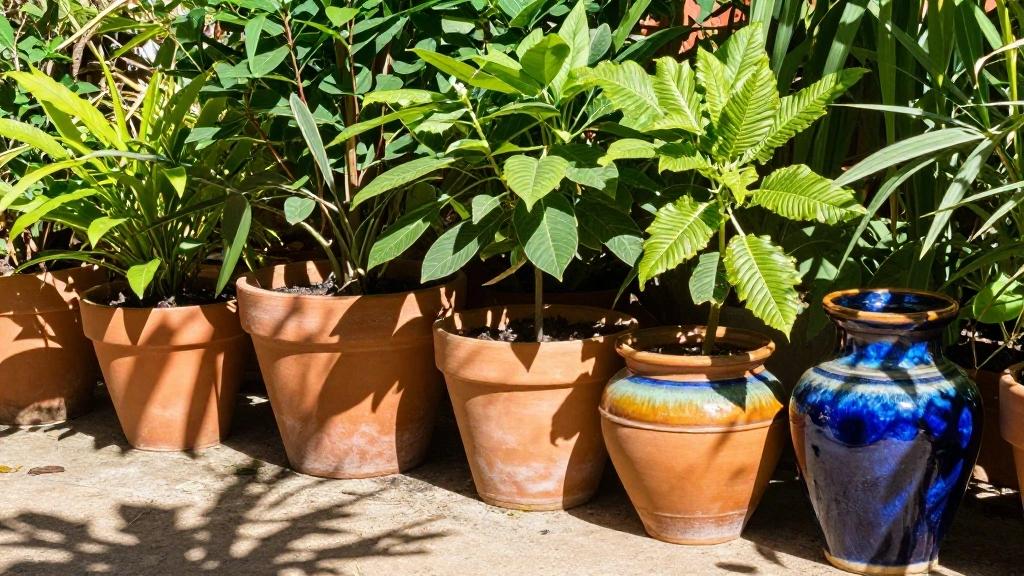
When it comes to choosing the right pots for your plants, the debate between terracotta and ceramic pots often arises. Many gardeners and plant enthusiasts find themselves asking: which type of pot is better? This question is important because the choice of pot can significantly impact plant health, aesthetics, and maintenance. In this article, I’ll explore the key differences between terracotta and ceramic pots, helping you determine which option best meets your gardening needs.
Both types of pots have unique characteristics that make them suitable for different kinds of plants and environments. By understanding their pros and cons, you can make an informed decision that enhances your gardening experience. Let’s dive deeper into the world of terracotta and ceramic pots to uncover their strengths and weaknesses.
TL;DR
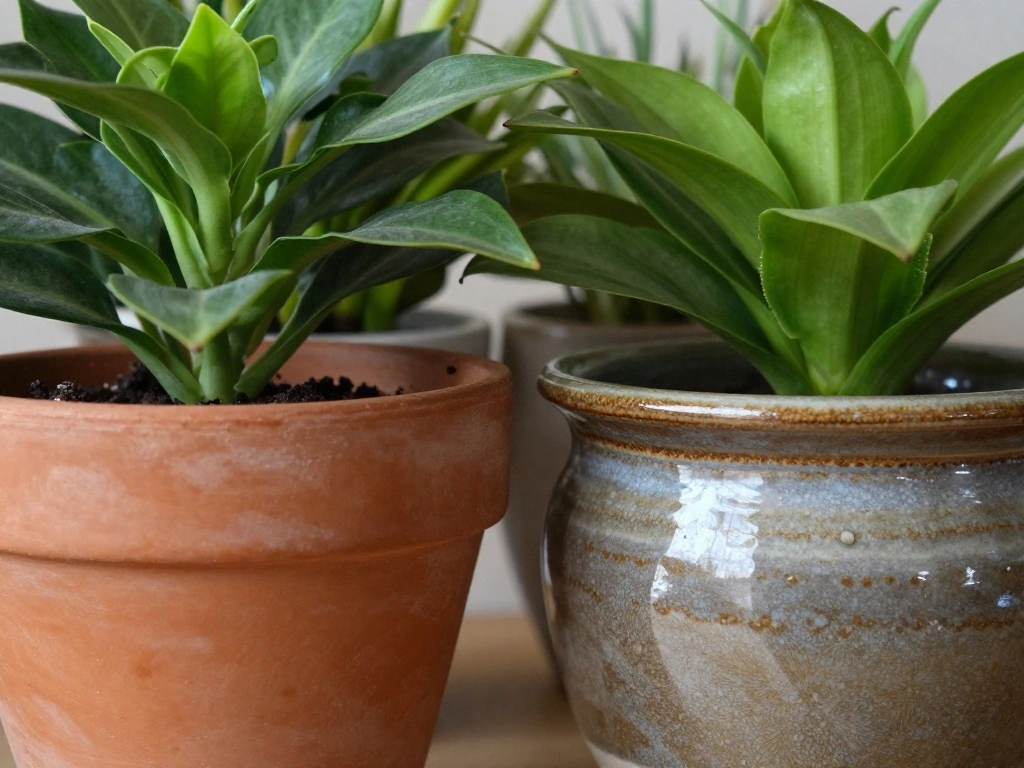
- Terracotta pots are breathable and allow for excellent drainage, making them ideal for plants that prefer drier soil.
- Ceramic pots come in a variety of colors and styles, adding a decorative touch to your plant displays.
- Terracotta is more affordable, while ceramic pots can be pricier due to their aesthetic appeal.
- Both types can crack if exposed to extreme weather conditions, but ceramic pots are generally more durable.
- Choosing between them depends on your plant’s needs and your personal style.
Main Answer
Understanding Terracotta Pots
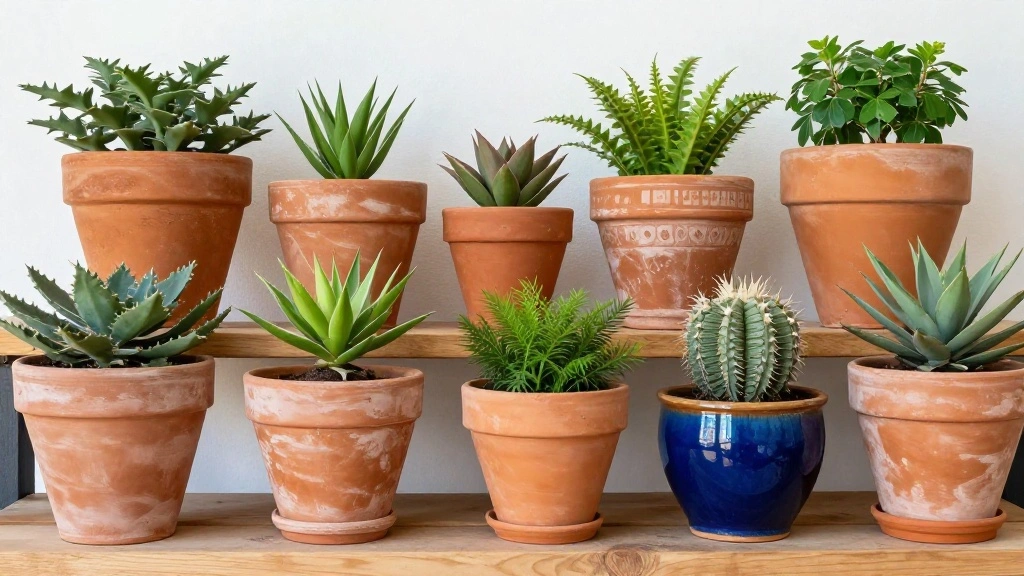
Terracotta pots are made from natural clay that is fired at low temperatures, giving them their characteristic reddish-brown color. One of the primary advantages of terracotta pots is their breathability. This allows air and moisture to circulate through the walls of the pot, which is crucial for root health. The porous nature of terracotta can also help to regulate moisture levels, making these pots ideal for plants that prefer drier conditions, such as succulents and cacti.
However, terracotta pots can dry out quickly, especially in hot climates, so it’s important to monitor soil moisture closely. They are also prone to cracking in extreme temperatures, which can be a drawback if you live in a region with harsh winters. Overall, terracotta pots are a great choice for those who appreciate a rustic look and are willing to manage their watering needs carefully.
Exploring Ceramic Pots
Ceramic pots, on the other hand, are often glazed, which gives them a smooth finish and a variety of colors and designs. This aesthetic appeal makes ceramic pots a popular choice for indoor plants and decorative displays. Unlike terracotta, ceramic pots are less porous, which means they retain moisture longer. This can benefit plants that thrive in consistently moist soil, such as ferns and tropical plants.
While they offer durability and a wide range of styles, ceramic pots can be heavier and more expensive than terracotta options. Additionally, the glazing process can sometimes trap excess moisture, leading to root rot if not monitored. It’s crucial to choose the right ceramic pot based on the specific needs of your plants.
Key Takeaways
- Terracotta pots are breathable and good for drought-tolerant plants.
- Ceramic pots are decorative and retain moisture better.
- Consider your plant’s watering needs when choosing between the two.
- Both options have unique advantages and potential drawbacks.
What Most People Want to Know
What are the main differences between terracotta and ceramic pots?
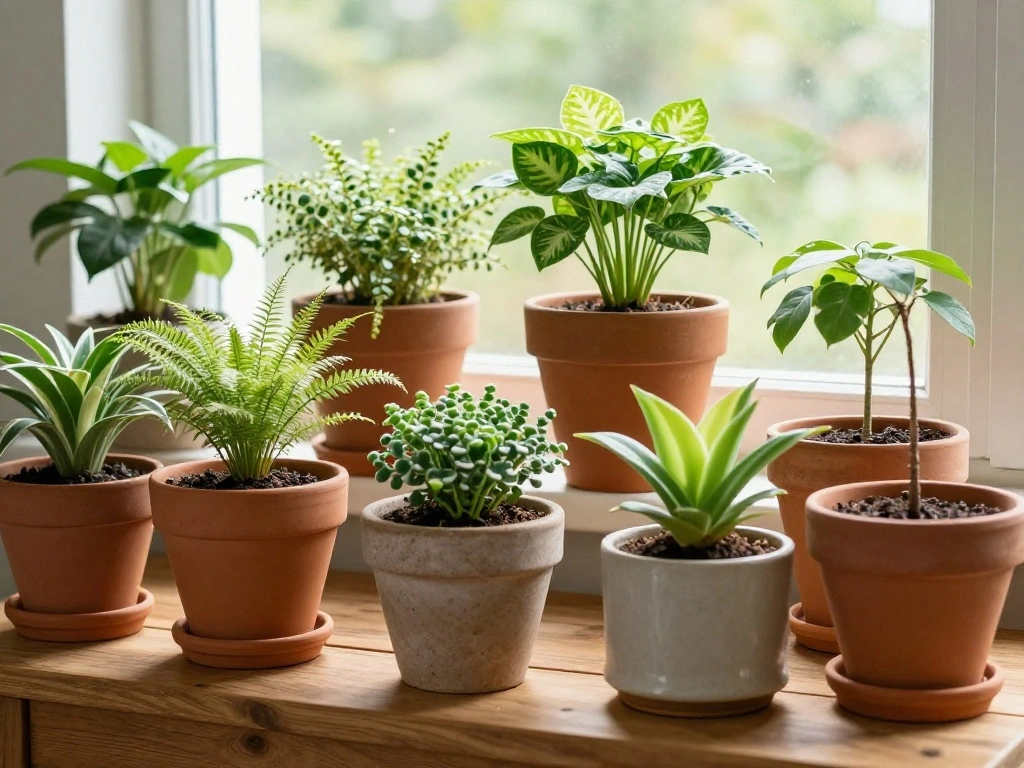
The primary differences lie in their materials and properties. Terracotta pots are made from unglazed clay, making them porous and allowing for air circulation. This is beneficial for roots, as it prevents overwatering. In contrast, ceramic pots are typically glazed and non-porous, retaining moisture longer but requiring careful monitoring to avoid waterlogging.
Which type of pot is better for indoor plants?
Ceramic pots are often preferred for indoor plants due to their decorative nature and variety of styles. They can enhance the aesthetic of your home while providing a stable environment for your plants. However, if you have plants that need drier conditions, terracotta might still be the better choice, even indoors.
Are terracotta pots more affordable than ceramic?
Generally, yes. Terracotta pots tend to be less expensive due to their simpler manufacturing process and materials. This makes them a popular choice for gardeners looking to buy in bulk or on a budget.
Do ceramic pots crack easily?
Ceramic pots can crack, especially if exposed to extreme temperature changes and if they are dropped. To prevent this, it’s best to place them in stable environments and handle them with care.
Conclusion
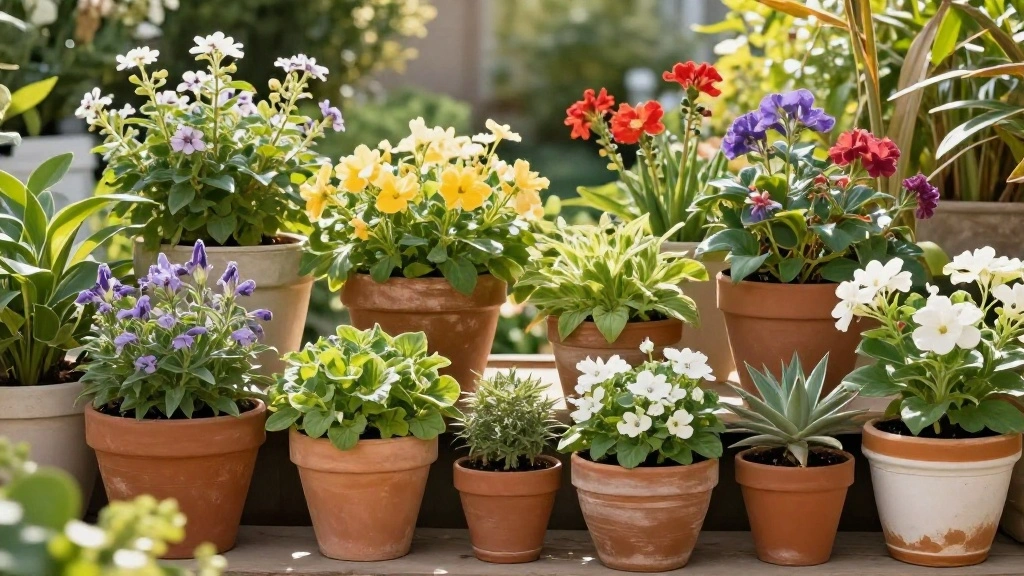
In the end, both terracotta and ceramic pots have their unique benefits and drawbacks. Terracotta pots excel in promoting healthy root systems through improved aeration and drainage, making them ideal for arid-loving plants. On the other hand, ceramic pots bring a splash of color and style, perfect for those who want to enhance their indoor spaces.
When choosing between them, consider your specific plants’ needs and your personal aesthetic preferences. By understanding the distinct characteristics of each type, you can make a choice that best supports your gardening journey and adds beauty to your home.