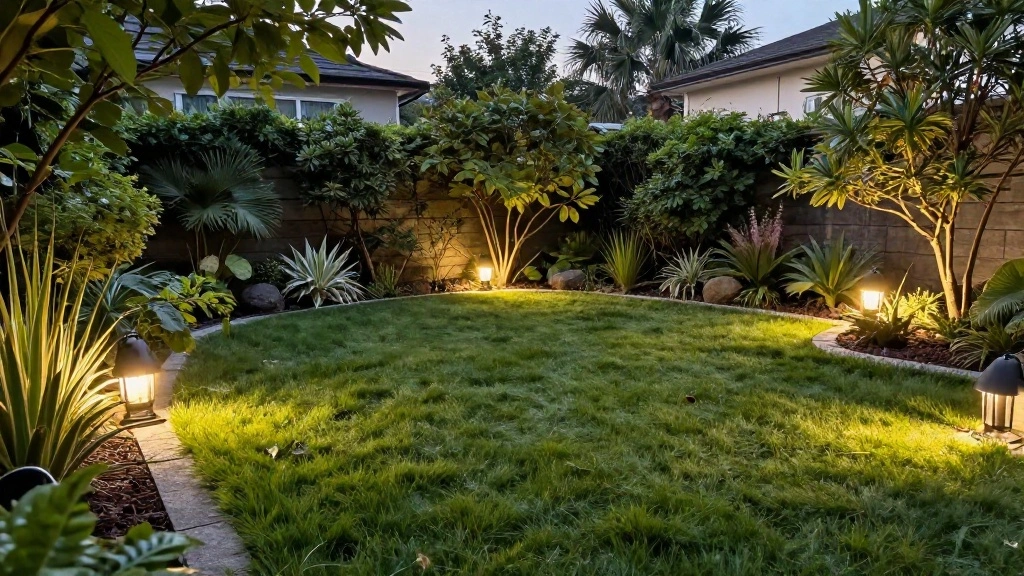
Are you tired of stumbling around your yard in the dark? Want to enhance your outdoor space but think hiring an electrician is the only way? You’re not alone. Many homeowners feel overwhelmed by the idea of installing landscape lighting, fearing the cost and complexity involved. But what if I told you that you can easily do it yourself, without any professional help?
In this guide, you’ll learn how to wire low-voltage landscape lighting yourself, transforming your yard into a beautifully lit sanctuary. By the end of this project, you’ll have a well-lit outdoor space that not only enhances your home’s curb appeal but also provides safety and security during nighttime.
This beginner-friendly guide will walk you through each step of the process, from gathering materials to installing the lights. You’ll need approximately 2-3 hours to complete the project, and don’t worry, no prior electrical experience is necessary. Let’s illuminate your outdoor space!
TL;DR Summary
- Gather all materials needed for low-voltage landscape lighting.
- Plan your layout and determine the placement of your lights.
- Install the transformer and connect wiring to the lights.
- Test your setup to ensure everything works correctly.
Prerequisites/Materials Needed
- Low-Voltage Landscape Lights: 6-10 fixtures
- Low-Voltage Transformer: 1 (suitable wattage for total lights)
- Low-Voltage Cable: 100 feet (12 or 14 gauge)
- Wire Connectors: 10-15
- Garden Stakes: 10-15 (for securing lights)
- Wire Stripper: 1
- Shovel: 1 (for burying cables)
- Multimeter: 1 (optional, for testing)
Skill Level & Time Estimate
Skill Level: beginner
Total time estimate: 2-3 hours
Breakdown of time by major steps:
- Gather materials: 30 minutes
- Plan layout: 30 minutes
- Install transformer: 30 minutes
- Connect lights: 1 hour
- Testing and adjustments: 30 minutes
Step 1: Plan Your Layout

Begin by planning where you want to place your landscape lights. This step is crucial for achieving the desired lighting effect.
- Visualize: Walk around your yard and identify areas that need illumination.
- Mark the spots: Use stakes or chalk to mark where each light will go.
- Consider spacing: Aim for about 10-12 feet between each fixture for even lighting.
Pro Tip: Sketch your layout on paper for reference. This helps in staying organized during installation.
Why this matters: A well-planned layout ensures effective lighting and enhances the aesthetic appeal of your yard.
Time estimate: 30 minutes.
Step 2: Gather and Prepare Materials
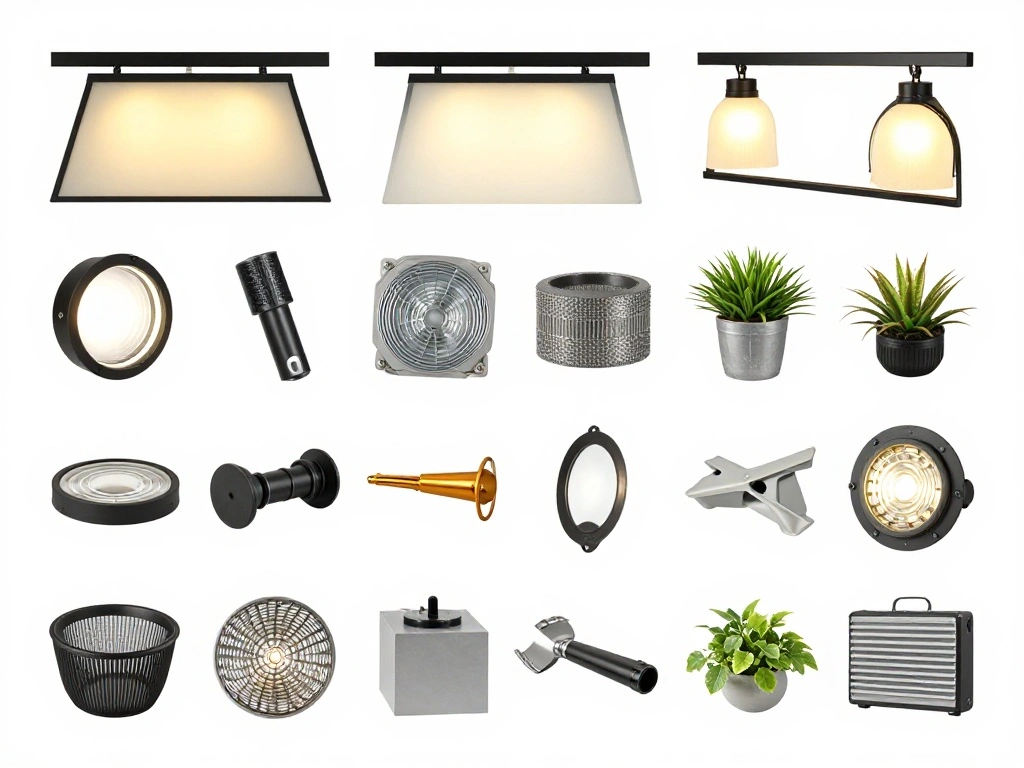
Now that you have a plan, gather all your materials and prepare them for installation.
- Collect all materials from your checklist.
- Inspect each item, ensuring everything is in good condition.
- Cut the low-voltage cable to the required lengths based on your layout.
Warning: Ensure that the transformer is compatible with your lights to avoid electrical issues.
Why this matters: Having everything ready saves time and prevents interruptions during installation.
Time estimate: 30 minutes.
Step 3: Install the Transformer
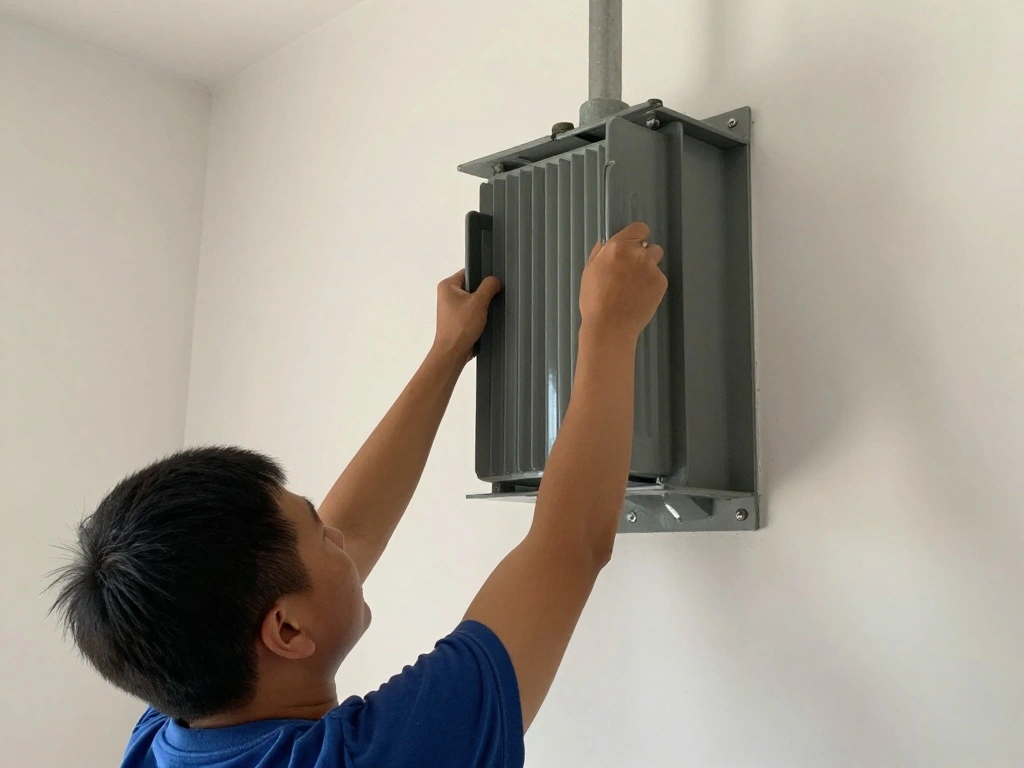
The transformer is the heart of your low-voltage lighting system. Here’s how to install it properly.
- Choose a location: Select a dry, shaded area close to an electrical outlet.
- Mount the transformer: Follow the manufacturer’s instructions and use screws to secure it to a wall or post.
- Connect to power: Plug the transformer into the outlet, ensuring it’s off before connecting.
Pro Tip: Use a weatherproof box or cover to protect the transformer from the elements.
Why this matters: Proper installation of the transformer is essential for safe operation and longevity of your lighting system.
Time estimate: 30 minutes.
Step 4: Lay Out the Low-Voltage Cable
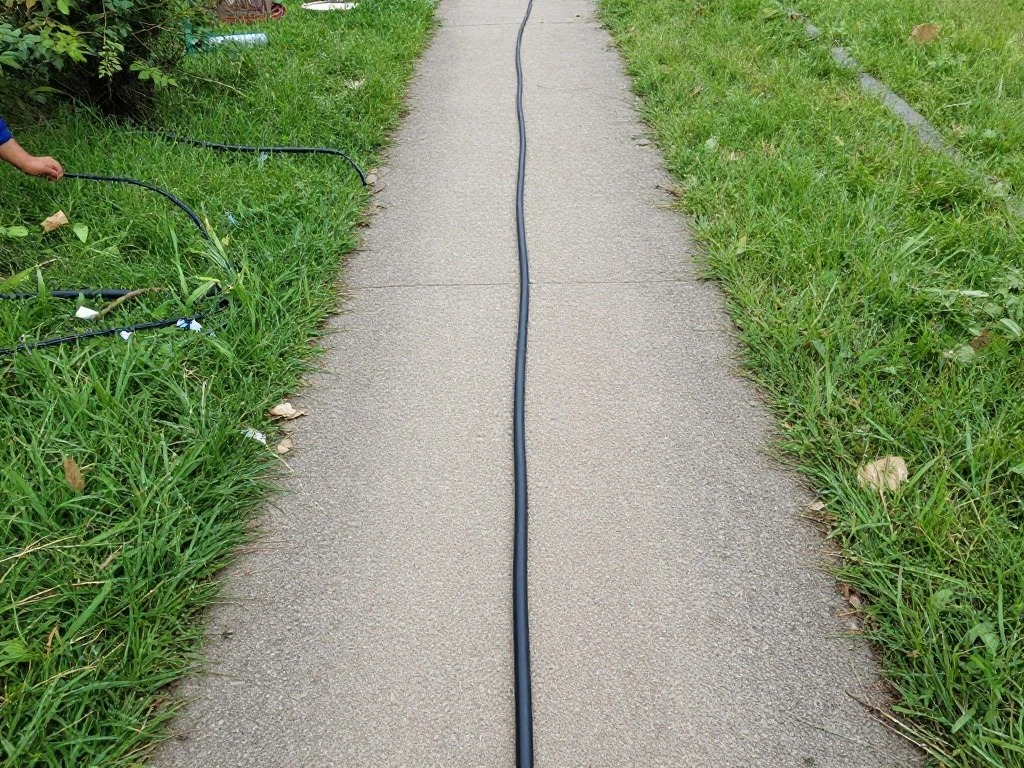
Next, lay out the low-voltage cable according to your planned layout.
- Start at the transformer: Run the cable from the transformer to the first light fixture location.
- Secure the cable: Use garden stakes to hold the cable in place as you move along to the next fixture.
- Continue laying cable: Follow your marked path until all fixtures are connected.
Warning: Avoid sharp bends in the cable to prevent damage.
Why this matters: Proper cable placement ensures a reliable power supply to all lights while keeping your yard looking neat.
Time estimate: 30 minutes.
Step 5: Connect the Lights
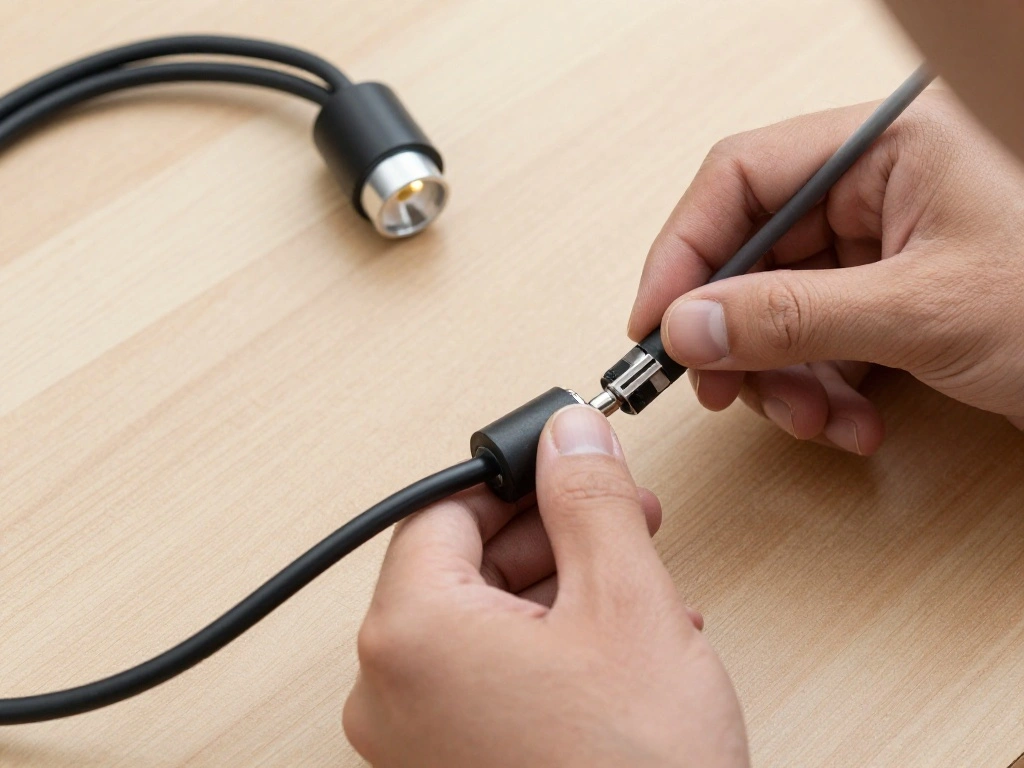
Now it’s time to connect the lights to the low-voltage cable.
- Strip the ends: Use wire strippers to remove about 1/2 inch of insulation from the ends of the cable.
- Connect each light: Twist the stripped ends of the cable to the light fixture leads, ensuring a secure connection.
- Use wire connectors: Secure the connections with wire connectors to prevent moisture ingress.
Pro Tip: Double-check polarity: Ensure that the positive and negative wires are connected correctly for optimal performance.
Why this matters: Proper connections ensure that your lights work efficiently and reduce the risk of electrical failures.
Time estimate: 1 hour.
Step 6: Bury the Cable
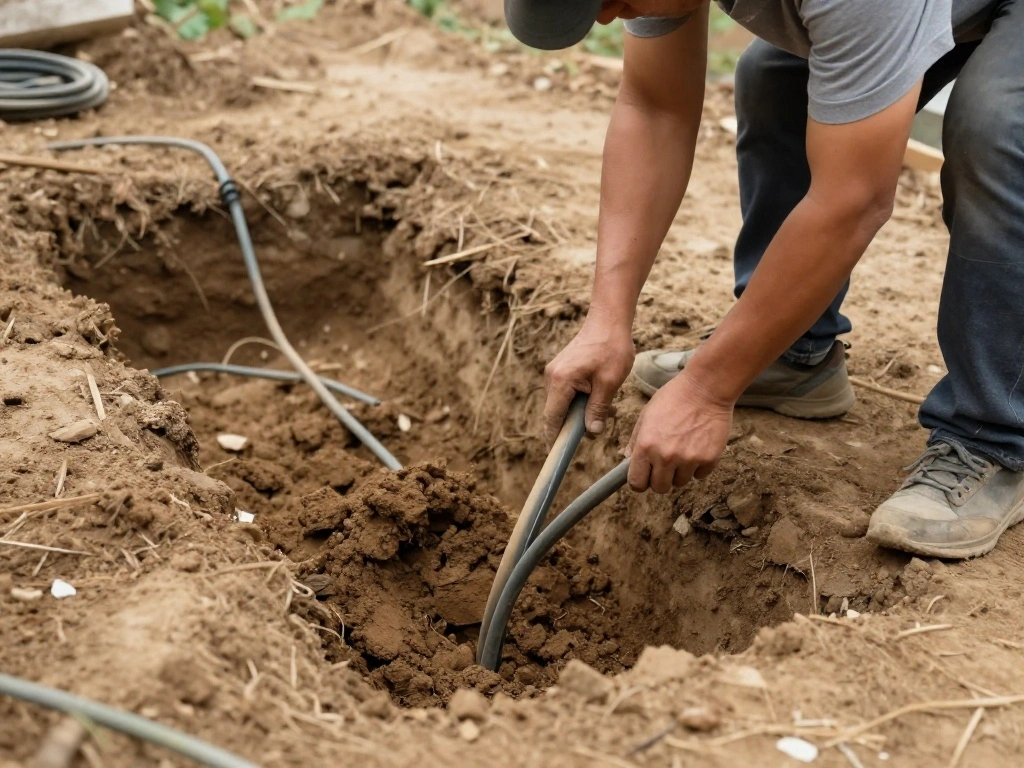
To preserve the aesthetics of your yard, bury the low-voltage cable.
- Dig a trench: Create a shallow trench (4-6 inches deep) along the cable path.
- Place the cable: Lay the cable into the trench, ensuring it’s straight and secure.
- Cover it up: Fill the trench with soil, patting it down gently to avoid air pockets.
Warning: Avoid burying the cable too deep to prevent damage during future landscaping work.
Why this matters: Burying the cable protects it from damage and keeps your yard looking tidy.
Time estimate: 30 minutes.
Step 7: Test the System
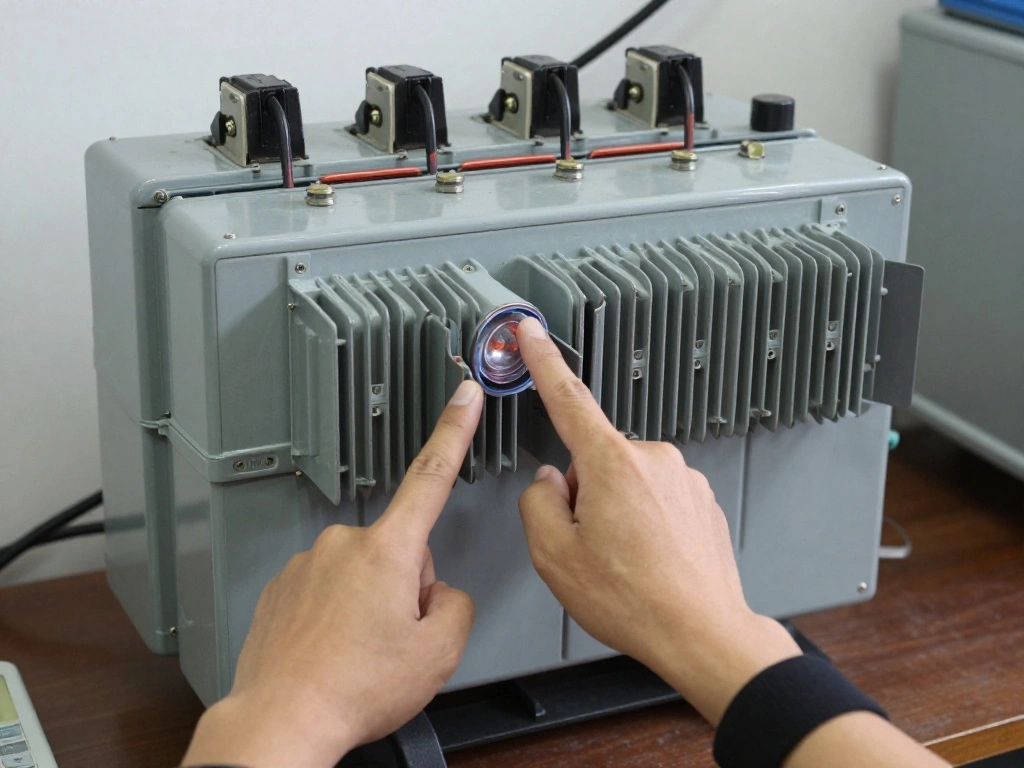
Before finishing up, you need to test the entire lighting system to ensure everything works correctly.
- Turn on the transformer: Switch the transformer on and check for power.
- Test each light: Walk along the cable path and check if each light is functioning.
- Make adjustments: If any lights are not working, check connections and troubleshoot as necessary.
Pro Tip: Use a multimeter to test connections if lights aren’t working to ensure power is reaching them.
Why this matters: Testing ensures that all fixtures are operational, allowing for timely fixes before finalizing the installation.
Time estimate: 30 minutes.
Step 8: Enjoy Your New Lighting
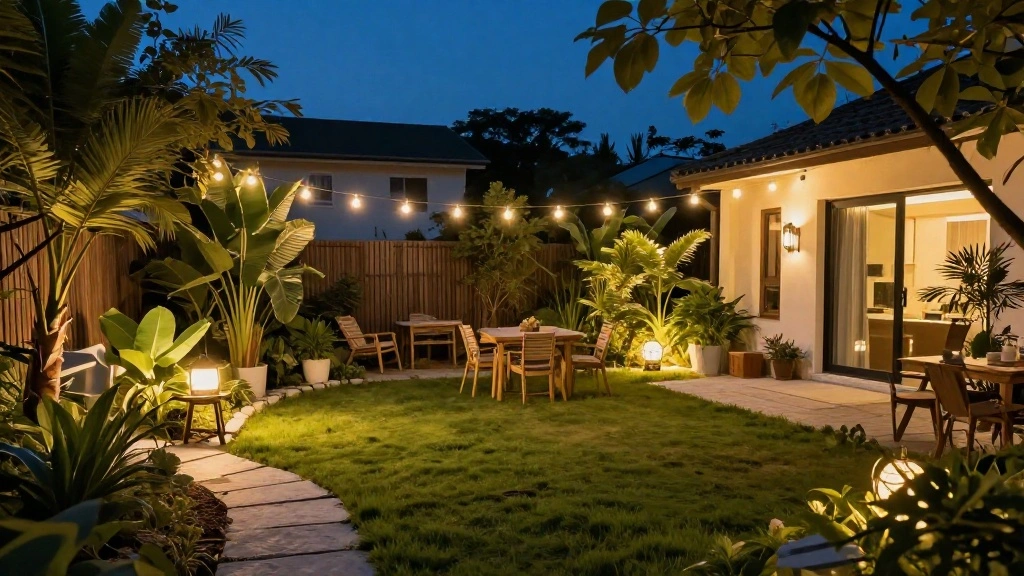
Congratulations! You’ve successfully installed your low-voltage landscape lighting.
- Step back: Take a moment to admire your work and see how the lighting enhances your outdoor space.
- Make adjustments: If needed, adjust the positioning of fixtures for better effect.
- Consider additional decor: Think about adding outdoor decor to complement your new lighting.
Pro Tip: Plan a night-time garden party to showcase your new lighting to friends and family!
Why this matters: Enjoying the fruits of your labor not only enhances your outdoor experience but also boosts your home’s ambiance.
Time estimate: 30 minutes.
Pro Tips
- Adjustable Fixtures: Choose lights with adjustable heads to direct light where it’s needed most.
- Energy-Efficient Bulbs: Opt for LED bulbs to save on energy costs and ensure longer lifespan.
- Seasonal Check: Regularly check connections and fixtures, especially after harsh weather.
- Use Timers: Consider installing timers or smart controls to automate your lighting.
- Experiment with Placement: Don’t be afraid to move fixtures around until you find the perfect look.
Common Mistakes to Avoid
Warning: 1. Not planning the layout properly can lead to uneven lighting. Always sketch your plan first.
Warning: 2. Using the wrong gauge wire may cause voltage drop. Ensure you use 12 or 14 gauge wire.
Warning: 3. Overloading the transformer can lead to system failure. Verify the total wattage before installation.
Warning: 4. Leaving connections exposed can lead to shorts. Always use connectors and sealant.
Warning: 5. Burying cables too deep can make future landscaping difficult. Keep it shallow and visible.
Troubleshooting Section
Problem: Some lights don’t turn on.
Solution: Check connections and ensure power is reaching the lights. If necessary, replace bulbs.
Problem: Flickering lights.
Solution: Check for loose connections or consider upgrading to a higher wattage transformer.
Problem: Too dim lighting.
Solution: Ensure you’re using the correct gauge wire and consider adding more fixtures.
Problem: Lights turn off unexpectedly.
Solution: Ensure the transformer is functioning and not overloaded.
Problem: Water in connections.
Solution: Use waterproof connectors and sealant to protect connections.
Variations/Alternative Methods
1. Solar Landscape Lighting: Easy to install as it requires no wiring but may not provide as much light.
2. Smart Lighting Systems: Integrate smart technology for remote control and automation but may require a bit more setup.
3. Line Voltage Lighting: Provides brighter illumination but involves higher voltage and professional installation.
FAQs
What if I don’t have a power outlet nearby? Consider using an extension cord or relocating the transformer closer to an outlet.
How long should I run the cable? Measure based on your planned layout, ensuring it reaches all fixtures with some excess.
Is it safe to install lighting myself? Yes, as long as you follow safety guidelines and manufacturer instructions.
What if my lights flicker? Check connections and ensure the transformer is not overloaded.
Can I use my existing outdoor outlet? Yes, just make sure it meets the voltage requirements for your transformer.
Conclusion

Well done! You’ve successfully completed your low-voltage landscape lighting project. Take a moment to admire the beautiful transformation of your outdoor space.
Now that you have this new lighting, consider exploring additional landscaping projects to further enhance your home’s exterior. Whether it’s adding flower beds, pathways, or outdoor furniture, the possibilities are endless!
Stay inspired and keep improving your outdoor oasis. Enjoy your new lighting!